














Hydraulic Vehicle Restraint | Recessed Loading Dock Trailer Restraint
Hydraulic Vehicle Restraint for Safer Trailer Loading and Unloading
Help prevent trailer separation, trailer creep, and premature departure with a heavy-duty hydraulic vehicle restraint designed for demanding loading dock environments. This recessed trailer restraint secures the vehicle’s rear impact guard and helps keep the trailer positioned at the dock while forklifts and material handling equipment move in and out.
Built for facilities that handle mixed trailer fleets, harsh weather, debris-prone yards, and high-traffic dock positions, a hydraulic loading dock vehicle restraint provides dependable engagement, improved communication, and a safer loading sequence for dock teams and drivers.


Overview
A hydraulic loading dock vehicle restraint is designed to secure trucks and trailers during the cargo handling process by engaging the rear impact guard, also commonly referred to as the ICC bar. This helps reduce the risk of accidental trailer separation from the dock during loading and unloading.
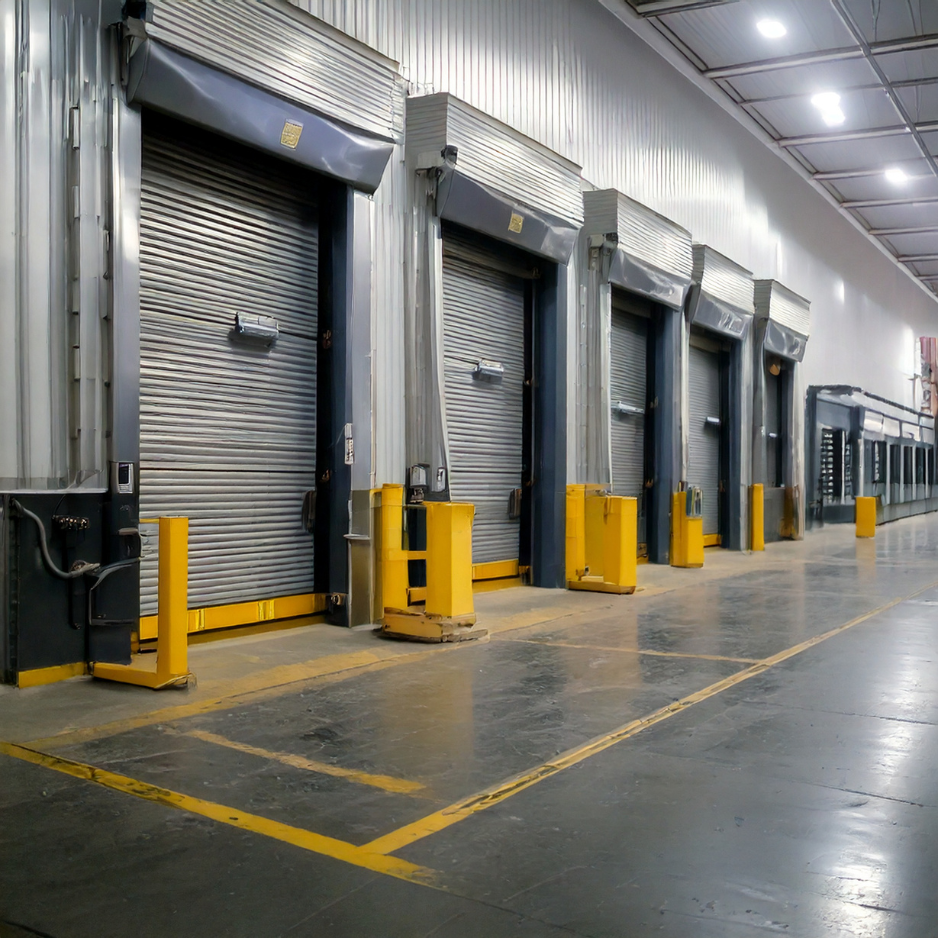
This style of restraint uses a recessed hook design that stores within the dock face when not in use, helping keep the restraint protected and clear of debris. The recessed design can be especially valuable in loading dock environments where snow, mud, loose material, pallets, or other debris may collect near the dock face. The referenced product page notes that the restraint stores within the dock face and is protected with brush sealing to help remain clear of the debris zone.
A hydraulic vehicle restraint is also useful for sites that service many trailer configurations, including trailers with bent, damaged, or varied rear impact guards. Reference specifications for this class of restraint include service for rear impact guards from 8″ to 30″ above ground and a horizontal restraining range of up to 14″ beyond the dock face.
Built for Messy, Demanding Dock Conditions
Some loading docks operate in ideal conditions. Others deal with rain, snow, mud, sawdust, yard debris, heavy traffic, and inconsistent trailer equipment. A recessed hydraulic vehicle restraint is designed for these tougher environments.
Because the restraint stores inside the dock face, it helps reduce exposure to the debris zone when not in use. This makes it a strong option for facilities that frequently experience messy weather, high-volume debris buildup, or a variety of truck configurations.
Hydraulic Vehicle Restraint
Product Benefits, Features, Applications & Options
Explore the key advantages of a hydraulic vehicle restraint, including trailer securement, recessed protection, debris-zone performance, dock communication, recommended applications, and available configuration options.
Key Benefits of a Hydraulic Vehicle Restraint
Hydraulic vehicle restraints help create a safer dock environment by securing trailers, supporting trailer movement compensation, and protecting the restraint system in demanding loading dock conditions.
Helps Prevent Trailer Separation
A hydraulic vehicle restraint helps secure the trailer at the dock before loading or unloading begins. By engaging the rear impact guard, the restraint helps reduce the risk of trailer creep, premature departure, and dangerous separation between the trailer and dock.
Recessed Hook Design
The hook stores within the dock face when the restraint is not in use. This helps protect the restraint from impact, debris, and harsh loading dock conditions while keeping the dock approach cleaner and more organized.
Non-Impact Engagement
A non-impact engagement design secures the trailer’s rear impact guard without requiring hard impact against the restraint. This can reduce wear on restraint components and support lower maintenance requirements over time.
Constant Contact with the Rear Impact Guard
A strong upward engagement force helps the restraint maintain contact with the trailer’s rear impact guard. This supports more reliable securement during loading and unloading, including applications with trailer movement.
Compatible with Air-Ride Suspension
Hydraulic vehicle restraints are well suited for trailers with air-ride suspension systems. As trailer height changes during loading cycles, the restraint is designed to help maintain engagement and support safer dock access.
Works with Varied Trailer Configurations
For sites that handle mixed fleets or third-party carriers, a wide vertical and horizontal service range helps the restraint engage more trailer types, including some trailers with bent or damaged rear impact guards.
Improved Dock Communication
Interior and exterior communication lights help keep dock attendants and drivers informed of restraint status. Audible alarms can alert personnel to potentially unsafe conditions, such as missing or damaged rear impact guards.
Product Highlights
Designed for demanding dock environments, hydraulic vehicle restraints combine strong trailer engagement, recessed protection, and communication controls for safer loading and unloading.
Hydraulic Trailer Restraint Operation
Hydraulic operation provides controlled movement and strong engagement for loading dock environments that need dependable trailer securement during active loading and unloading.
Barrier-Style Hook Restraint
A highly visible barrier-style hook engages the trailer’s rear impact guard and helps hold the trailer firmly at the dock during the cargo handling process.
Recessed Storage Position
When stored, the hook remains within the dock face to help protect the restraint and reduce exposure to yard debris, snow, mud, and other materials.
Brush-Sealed Dock Face Protection
Brush sealing helps protect the recessed storage area and supports cleaner operation in harsh or debris-prone loading dock conditions.
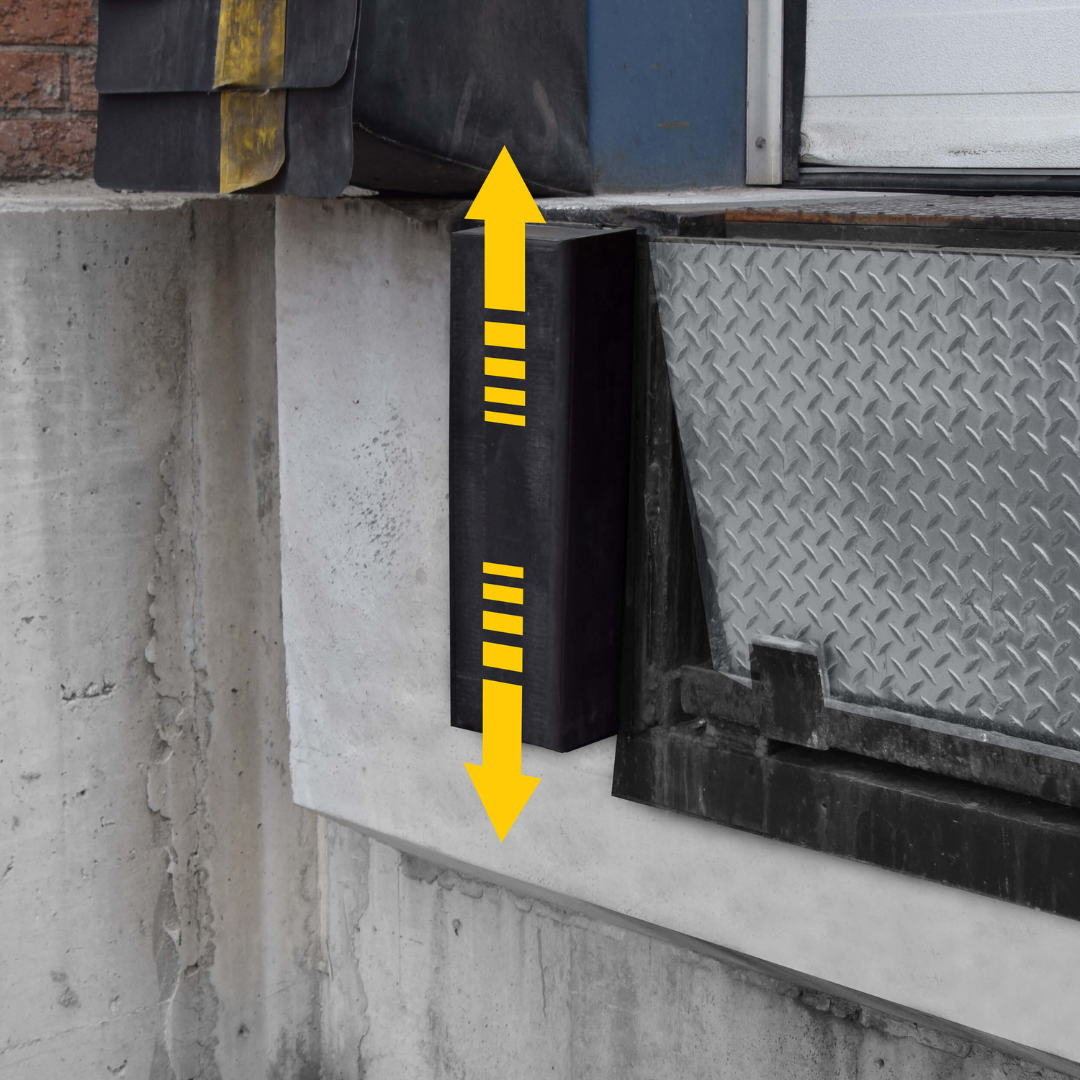
Wide Vertical Service Range
This style of restraint can service trailers with rear impact guards positioned across a broad height range, making it useful for facilities that receive a variety of trailer types.
Horizontal Restraining Range
The restraint can engage rear impact guards that are positioned beyond the dock face, helping accommodate different trailer placements and rear guard conditions.
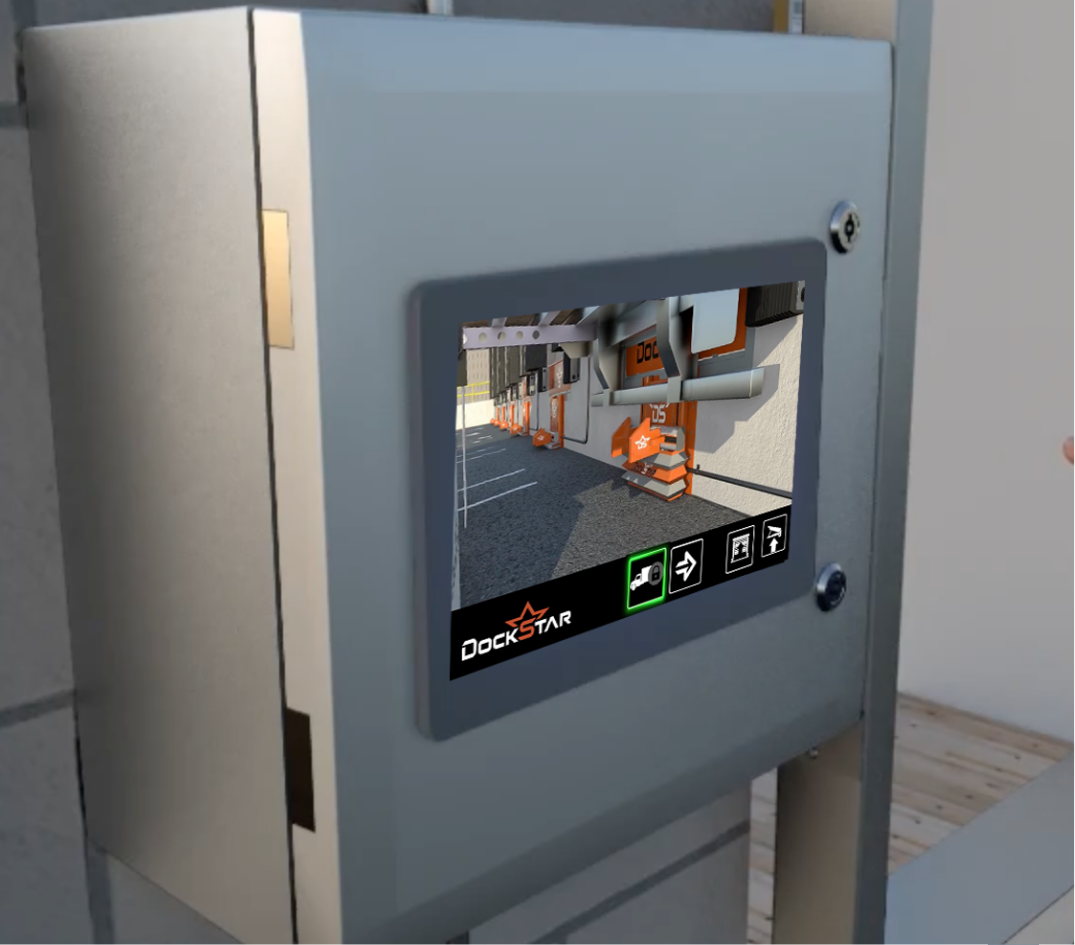
Touch Control Panel
A wall-mounted control panel provides operator input and can include a menu screen, function buttons, touch-style controls, and status feedback for dock attendants.
Interior and Exterior LED Signals
Communication lights help coordinate restraint status between dock personnel and drivers, supporting a safer loading and release process.
Audible Safety Alerts
Audible alarms can notify the dock attendant of unsafe or abnormal conditions, including broken or missing rear impact guards.
Overnight Trailer Security Support
In some applications, the restraint may remain engaged after hours to help deter trailer theft or unauthorized trailer departure.
Recommended Applications
Hydraulic vehicle restraints are ideal for loading docks with heavy traffic, messy weather, mixed trailer fleets, air-ride trailers, and demanding safety requirements.
- High-volume loading docks
- Warehouses and distribution centers
- Manufacturing facilities
- Facilities with messy weather conditions
- Loading docks exposed to snow, mud, rain, or yard debris
- Processing facilities with high-volume debris buildup
- Facilities handling mixed trailer fleets
- Sites receiving trailers with varied rear impact guard heights
- Operations that service third-party carriers
- Loading docks using air-ride trailers
- Facilities replacing wheel chocks with an integrated dock safety system
- Sites that need recessed dock safety equipment protected from the debris zone
Available Options
Depending on the dock layout, installation requirements, and operating environment, hydraulic vehicle restraints can be configured with mounting, control, communication, and maintenance options.
- Higher pour-in pan
- Painted debris shield
- Communication light packages
- Audible alarm packages
- Control panel upgrades
- Dock leveler interlock integration
- Custom installation configurations
- Planned maintenance and inspection support
Why Use a Hydraulic Vehicle Restraint Instead of Wheel Chocks?
Wheel chocks can be helpful, but they depend on manual placement, driver compliance, ground condition, wheel access, and consistent procedures. A fixed loading dock vehicle restraint is integrated into the loading process and provides a more controlled method of securing the trailer.
A hydraulic trailer restraint can help reduce risk from:
- Trailer creep caused by forklift movement
- Premature trailer departure
- Trailer separation from the dock
- Missing, misplaced, or poorly positioned wheel chocks
- Wet, icy, muddy, or sloped dock approaches
- Communication breakdowns between drivers and dock attendants
- Air-ride trailer movement during loading and unloading
- Varied rear impact guard positions across mixed trailer fleets
For facilities with demanding dock conditions or inconsistent trailer equipment, a recessed hydraulic vehicle restraint can provide a stronger, more reliable safety upgrade than wheel chocks alone.
Looking for Vehicle Restraints?
Compare Restraints with the DockStar Dual Barrier System
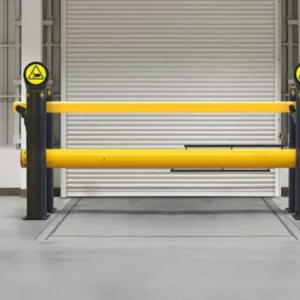
Before choosing a standard trailer restraint, take a closer look at the DockStar Dual Barrier Restraint System. It is designed for facilities that want a highly visible, physical safety barrier at the loading dock.
This system helps support safer dock operations by adding a clear barrier between the loading dock and the trailer area, helping teams reduce risk during loading, unloading, and dock staging.
- Designed for loading dock safety and trailer access control
- Creates a highly visible barrier at the dock opening
- Ideal for warehouses, distribution centers, and busy shipping areas
- Helps shoppers compare restraint systems beyond traditional hook-style options

DockStar Dual Barrier Restraint System
A visible dock safety solution for facilities comparing vehicle restraint options.
Dock Safety Sequence
How a Hydraulic Vehicle Restraint Supports Dock Safety
A hydraulic vehicle restraint helps create a safer loading sequence by securing the trailer, maintaining engagement during movement, and communicating restraint status to dock teams and drivers.
1
Position
Trailer Backs Into Position
The trailer backs into the loading dock so the rear impact guard is positioned within the restraint’s operating range.
2
Activate
Operator Activates the Restraint
The dock attendant uses the control panel to activate the restraint before loading or unloading begins.
3
Engage
Hook Engages the Rear Impact Guard
The recessed barrier-style hook rises into position and secures the trailer’s rear impact guard.
4
Maintain
Restraint Maintains Engagement
The restraint helps maintain contact as the trailer shifts from forklift traffic, weight changes, or air-ride suspension movement.
5
Communicate
Communication Signals Confirm Status
Interior and exterior lights, along with audible alerts, help communicate whether the trailer is secured and whether loading may proceed.
6
Store
Restraint Stores Inside the Dock Face
After loading or unloading, the restraint releases and returns to its recessed storage position, helping keep the restraint protected from the dock approach and debris zone.
Future-ready solutions for evolving workspaces
Our vision for the future of industrial workspaces is reflected in our expansive collection of over 1000 solutions, designed to tackle today’s challenges and anticipate tomorrow’s needs. With cutting-edge innovations at the forefront, our product lineup offers future-ready solutions that optimize operations, enhance efficiency and address unseen issues before they arise. If you’re ready to elevate your workspace or solve a unique challenge, we’re here to help.

Check out our Solutions!
A global food and beverage manufacturer partnered with DockStar Industrial to modernize its Florence, SC facility by replacing outdated dock doors and a failing leveler with durable, energy-efficient equipment built for reliability. From site prep to final welds, DockStar handled every step with precision, safety, and long-term performance in mind.
Read MoreDockStar Industrial designed and coordinated a custom 200-foot overhead security cage netting installation for a high-bay warehouse server storage facility, delivering secure containment and efficient project execution.
Read MoreWhen Unified Resources needed to create functional office space inside an active warehouse without sacrificing valuable operational square footage, they partnered with DockStar Industrial for a fully customized prefabricated warehouse office solution. The project called for a large-scale modular office buildout that would provide multiple private offices, a conference room, and a break room—all while maintaining warehouse efficiency and minimizing disruption to the existing facility footprint. DockStar designed and supplied a complete in-plant office system tailored to the customer’s operational needs, creating a modern administrative workspace inside the warehouse while preserving critical storage and workflow areas.
Read More