













Loading Dock Equipment
Loading Dock Levelers
Compare DockStar hydraulic, mechanical, Tri-Pivot and
edge-of-dock levelers engineered for reliable loading,
safer forklift travel and demanding dock operations.
Multiple Leveler Types
Solutions for different dock applications
Heavy-Duty Capacities
Options for demanding forklift traffic
Professional Installation
Site-specific planning and support
Safety Upgrades
Controls, LED lights and restraints
Dock Leveler Selection
Find the Right Dock Leveler for Your Loading Dock
A dock leveler creates a stable transition between the warehouse floor and a truck or trailer bed. The right loading dock leveler can improve forklift travel, reduce abrupt transitions, support safer loading and unloading, and match the cycle demands of your operation.
DockStar offers pit-mounted dock levelers, edge-of-dock levelers and specialty configurations for new construction, replacement projects and dock upgrades. Selection should account for trailer height variation, forklift and load weight, traffic frequency, pit dimensions, operating environment and activation method.
High-cycle docks
Consider hydraulic or heavy-duty Tri-Pivot systems.
Non-powered locations
Mechanical levelers can reduce electrical requirements.
No existing pit
Edge-of-dock levelers can provide a compact retrofit option.
Special applications
Air-powered, vertical storing, dock lifts and frames
expand your options.

Loading Dock Leveler Types
Compare DockStar Dock Levelers
From high-frequency distribution centers to lighter-duty retrofit docks, choose a dock leveler designed around your traffic, capacity and installation requirements.
Tri-Pivot Dock Leveler
A heavy-duty loading dock leveler with three configurable pivot points engineered to reduce transition gaps, adapt to dock geometry and support demanding applications.
- Three configurable pivot points
- Adjustable design for a wide range of pit conditions
- Built for high-cycle and heavy-capacity operations

Hydraulic Dock Levelers
Push-button hydraulic dock levelers are designed for frequent use where ease of operation, consistent performance and lower operator effort are priorities.
- Push-button operation
- Heavy-duty structural construction
- Well suited for busy distribution and manufacturing docks

Mechanical Dock Levelers
Mechanical dock levelers provide a straightforward spring-assisted option for facilities that want reliable operation without hydraulic power.
- No hydraulic power unit required
- Lower upfront cost for many applications
- Practical for light-to-moderate dock traffic

Edge-of-Dock Levelers
Edge-of-dock levelers mount to the dock face and can be a cost-effective alternative when a full pit-style dock leveler is not required.
- No recessed pit required
- Compact installation footprint
- Best for consistent trailer-bed height ranges
Dock Leveler Comparison
Which Loading Dock Leveler Is Best for Your Operation?
| Dock Leveler Type | Best For | Operation | Installation | Primary Advantage |
|---|---|---|---|---|
| Tri-Pivot | Heavy-duty, high-cycle and difficult transitions | Configured system | Pit / configurable frame | Flexibility, stability and heavy-duty performance |
| Hydraulic | High-volume warehouses and distribution centers | Push-button | Pit mounted | Easy operation and consistent cycling |
| Mechanical | Light-to-moderate traffic | Spring assisted / manual | Pit mounted | Simple system and lower upfront cost |
| Edge of Dock | Retrofits with limited trailer-height variation | Manual or powered | Dock-face mounted | No traditional dock pit required |
| Air Powered | Pneumatic alternative to hydraulics | Push-button / airbag | Pit mounted | No hydraulic oil system |
| Vertical Storing | Food, cold storage and environmental separation | Powered | Pit mounted | Stores vertically when not in use |
Dock Leveler Capacity Guide
Load Capacity Matrix
The Load Capacity Matrix helps estimate the rated capacity needed for a loading dock leveler based on total rolling load, forklift type, usage frequency and operating conditions.
- Total rolling load: Forklift plus the load being carried
- Forklift type and frequency: Occasional, moderate, heavy or continuous use
- Operating conditions: Impacts, grades, trailer height variance and dock geometry
Important:
This matrix is a planning guide, not a final engineering
specification. Confirm capacity against manufacturer
ratings, axle loading, cycle frequency, pit dimensions
and actual operating conditions.
Recommended Dock Leveler Type by Load Range
| Forklift + Load Range | Planning Capacity | Usage | Suggested Type | Why |
|---|---|---|---|---|
| 6,000–8,000 lb forklift, up to 2,000 lb load | 25,000 lb | Light | Edge of Dock | Compact where trailer-height variation is limited. |
| 8,000–10,000 lb forklift, up to 3,000 lb load | 30,000 lb | Moderate | Hydraulic | Powered operation for regular dock cycles. |
| 10,000–12,000 lb forklift, up to 4,000 lb load | 35,000–40,000 lb | Heavy | Hydraulic | Frequent operation and higher rolling loads. |
| 12,000–14,000 lb forklift, up to 5,000 lb load | 45,000–50,000 lb | Continuous | Tri-Pivot | Heavy-duty construction and configurable geometry. |
| 15,000+ lb forklift, up to 6,000 lb load | 60,000–80,000 lb | Very heavy / 24-hour | Tri-Pivot | Industrial applications requiring higher durability. |
Loading Dock Safety & Controls
Available Dock Leveler Upgrades
Build a more integrated loading dock by pairing your dock leveler with controls, visibility systems and trailer-securing equipment.

Loading Dock Controls
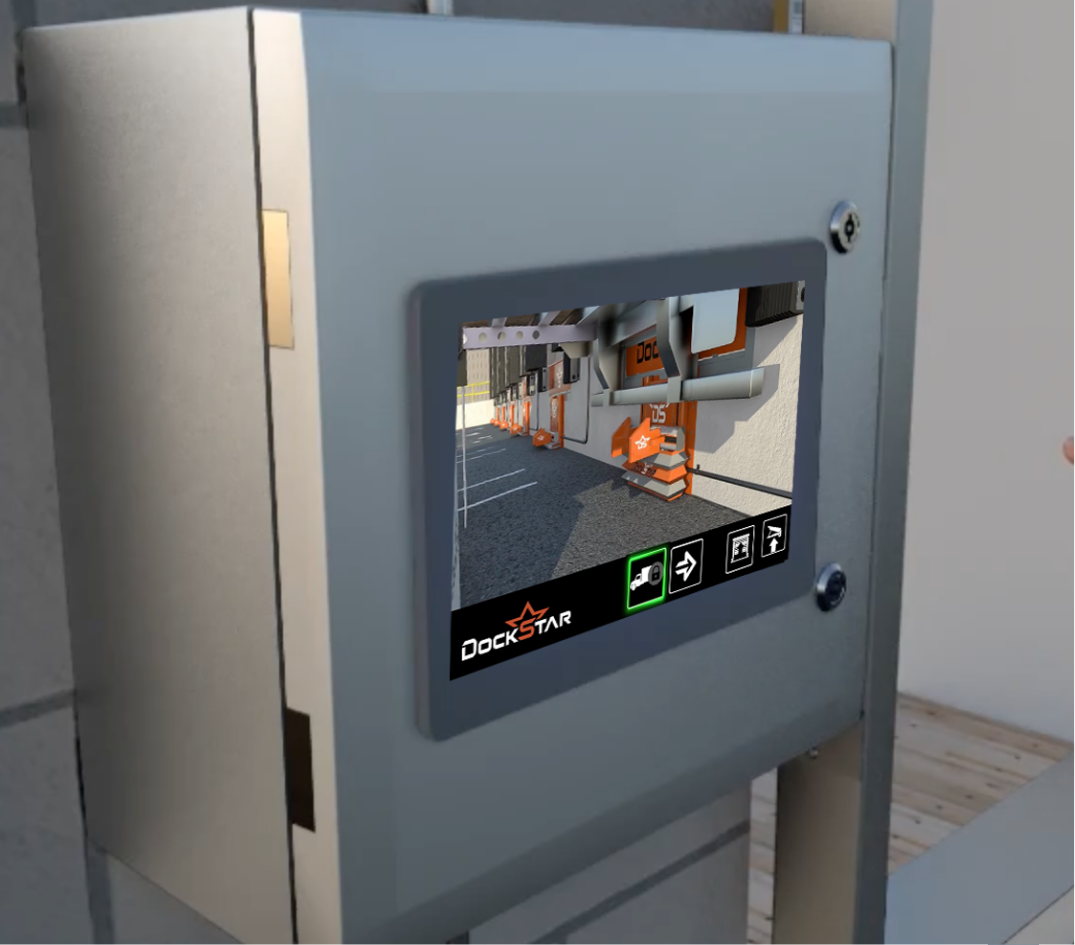
Coordinate levelers, doors, restraints and dock accessories from a central control system.

Loading Dock LED Lights
Improve dock visibility and communicate operating status in high-traffic loading areas.

Vehicle Restraints
Help secure trailers at the dock and support safer forklift loading and unloading.
More Loading Dock Solutions
Dock Leveler Configurations & Related Equipment

Air-Powered Dock Levelers
Push-button leveler operation using an airbag lifting system instead of hydraulic cylinders.
View Product →
Vertical Storing Dock Levelers
Vertical storage helps support washdown, environmental control and trailer-door access requirements.
View Product →
Stationary Dock Lifts
Permanent lift solutions for facilities that need to bridge larger vertical height differences.
View Product →
Portable Dock Lifts
Flexible loading solutions for applications where a fixed dock leveler is not the right fit.
View Product →
Free-Standing Frames
Add dock leveler capability without cutting a traditional pit into the facility floor.
View Product →
Curb Angle Kits
Construction components designed to support cleaner dock pit preparation and installation.
View Product →
Dock Lip Barriers
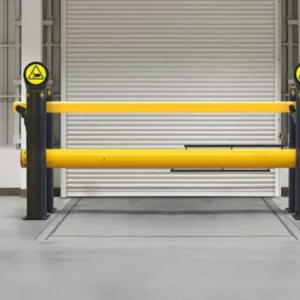
Barrier solutions designed to help protect open dock positions when the leveler is stored.
View Product →Real Dock Leveler Installations
Installation Gallery
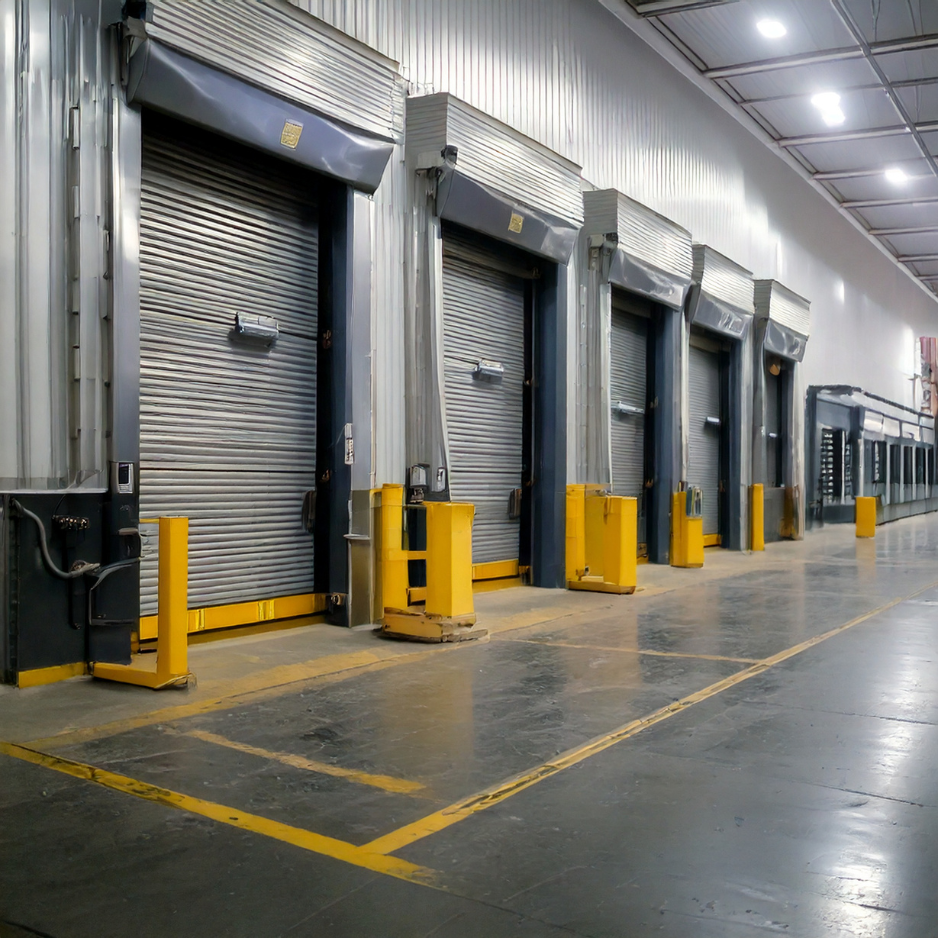
See DockStar loading dock levelers installed and configured for real warehouse and industrial applications.


Dock Leveler FAQ
Frequently Asked Questions About Loading Dock Levelers
What is a dock leveler?
A dock leveler is loading dock equipment that bridges the height and gap between the warehouse floor and a truck or trailer bed. It creates a transition surface for forklifts, pallet jacks and other material-handling equipment during loading and unloading.
What are the main types of loading dock levelers?
Common types include hydraulic, mechanical, air-powered, edge-of-dock and vertical storing dock levelers. Heavy-duty specialty systems such as DockStar’s Tri-Pivot design are also available.
How do I choose between a hydraulic and mechanical dock leveler?
Hydraulic dock levelers are often preferred for high-cycle operations because they provide push-button activation and reduce manual effort. Mechanical dock levelers can be practical where lower upfront cost or non-powered operation are priorities.
When should I use an edge-of-dock leveler?
An edge-of-dock leveler can be a good fit when there is no existing dock pit, trailer bed heights are relatively consistent and the application does not require the operating range of a full pit-mounted leveler.
What dock leveler capacity do I need?
Consider combined forklift and load weight, axle loading, daily cycles, impact conditions, trailer height differences and manufacturer capacity ratings. Final selection should be verified for the application.
How long does dock leveler installation take?
Installation time depends on whether the existing pit and electrical service are ready. Pit reconstruction, concrete work and electrical changes can extend the project timeline.
What maintenance does a loading dock leveler require?
Regular inspections should include the deck, lip, hinges, frame, springs or hydraulic components, safety devices and lubrication points. Follow the manufacturer’s recommended maintenance schedule.
Talk to a Dock Leveler Specialist
Need Help Selecting a Loading Dock Leveler?
Tell DockStar about your pit dimensions, trailer range, forklift traffic and operating conditions. We can help you compare dock levelers and identify a solution that fits your facility.
Related Videos
Loading Dock Levelers


GET IN TOUCH WITH A LOCAL DOCKSTAR REP TODAY!

Check out some of our recent projects!
Real Projects. Real Customers. Real Solutions.
DockStar Industrial coordinated a large commercial wire mesh storage locker project, including delivery follow-up, supplier coordination, installation planning, site visit support, and final project details for approximately 100 storage lockers.
Read MoreDockStar Industrial supplied and installed a railcar dock seal for an industrial loading door, helping improve weather protection, reduce air and debris intrusion, and support railcar loading operations.
Read MoreDockStar Industrial supplied wire security storage lockers for a new apartment building in Mineola, Long Island. The project included 4' x 4' x 7'-6" tenant storage lockers designed for secure resident storage, bike storage, and efficient storage room organization.
Read More