













Spill Response
GET A QUOTE!


01
Stop the Spread
Block liquids from reaching doorways, equipment, drains, soil, and waterways.
02
Deploy Quickly
Use portable, reusable, and easy-to-store products during unplanned releases.
03
Protect the Work Area
Reduce slip hazards, contamination, cleanup demands, and operational disruption.
04
Support Response Plans
Equip spill kits, maintenance teams, vehicles, and designated response stations.
Prepare Before a Spill Happens
Build a Spill Response Plan Around the Likely Release
Effective spill response depends on having the right product near the hazard before a leak occurs. The response method should reflect the liquid, release volume, travel path, nearby drains, container condition, surface type, and the personnel expected to respond.
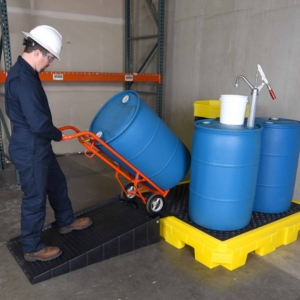
Flexible spill berms can isolate a release or divert liquid away from a sensitive area. Drain seals and inlet filters help protect stormwater systems. Overpacks secure leaking or damaged containers and collect contaminated cleanup materials. Bioremediation products support the treatment of hydrocarbon contamination, while pools, trays, absorbents, and specialty products provide fast control for smaller or irregular incidents.
A complete response setup may combine several categories: a berm to stop migration, a drain seal to protect the inlet, absorbents to recover the liquid, and an overpack to hold the damaged container or used cleanup material.
Common Spill Response Applications
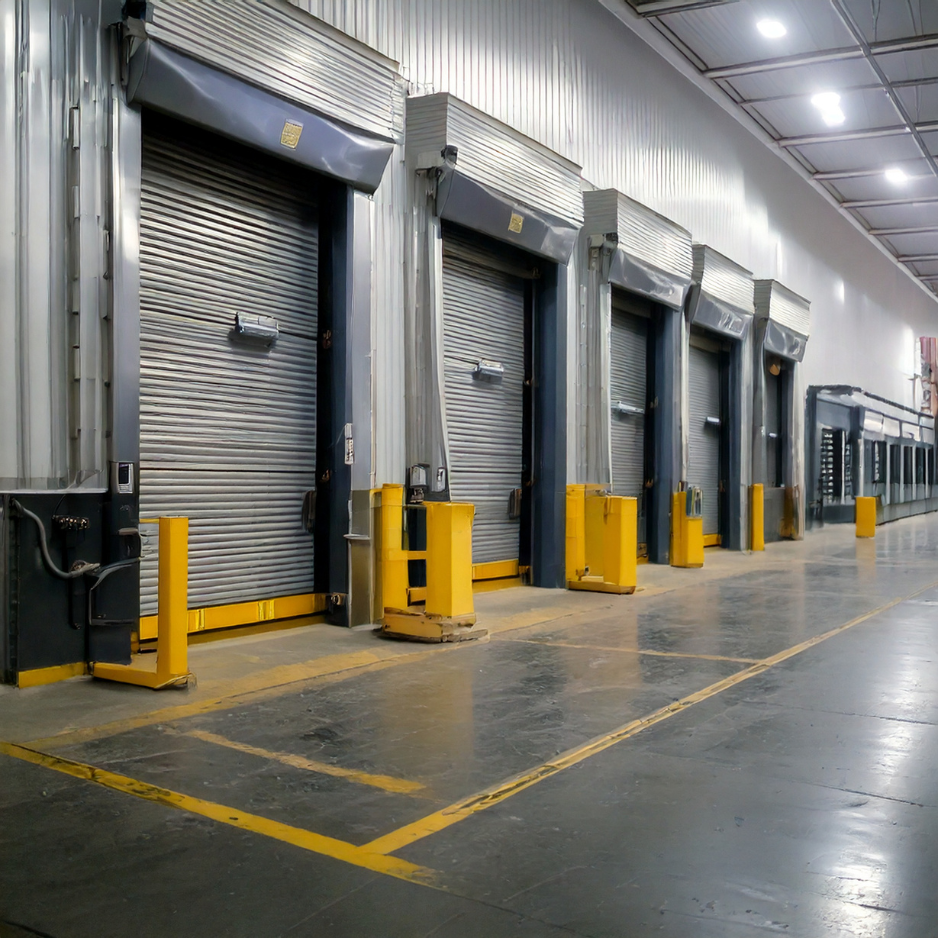
Loading Docks
Control releases near trailers, transfer points, dock doors, and storm drains.
Manufacturing Plants
Respond to leaks from machinery, process lines, containers, and maintenance work.
Construction Sites
Protect inlets from sediment, fuel, hydraulic fluid, and contaminated runoff.
Fleet and Maintenance Areas
Contain fuel, coolant, oil, battery, and hydraulic-fluid releases.
Warehouses and Storage
Prepare for damaged drums, totes, packages, and material-handling incidents.
Emergency and Hazmat Response
Deploy portable containment, salvage drums, pools, drain seals, and absorbents.
Response Planning Guide
What Should a Facility Review Before Selecting Spill Response Products?
Start with the likely source, liquid type, possible release volume, nearest drain, available response time, and the people responsible for deployment and cleanup.
01
Likely Spill Source
Identify drums, IBCs, machinery, vehicles, pipes, transfer points, and storage areas.
02
Liquid and Compatibility
Confirm that berms, seals, absorbents, pools, and containers suit the material.
03
Release Path
Map slopes, cracks, drains, doorways, traffic lanes, soil, and sensitive equipment.
04
Deployment Time
Place products where trained personnel can retrieve and use them quickly.
05
Recovery and Storage
Plan for contaminated absorbents, damaged containers, recovered liquid, and waste.
06
Inspection and Training
Inspect reusable products and train personnel on placement, limitations, and cleanup.
A Layered Response Approach
Contain, Protect, Recover, and Manage
Spill response often requires more than one product. A practical plan layers tools so teams can first stop the release from spreading, protect nearby drains, recover or absorb the liquid, and secure damaged containers and contaminated materials.
1
Contain
Use berms, pools, trays, or barriers to control the liquid.
2
Protect
Seal drains and isolate doorways, soil, equipment, and waterways.
3
Recover
Use absorbents, pumps, vacuums, or compatible collection methods.
4
Manage
Place damaged packages and cleanup waste into suitable response containers.
Need a Spill Response Setup?
Talk to a Product Specialist
Build the Product Mix Around the Hazard and the Response Team
Tell us what liquids are present, where a release could occur, which drains or areas need protection, and how your team will recover and store cleanup materials. DockStar Industrial can help compare response options.
Answers About Spill Berms, Drain Protection, Overpacks, and Cleanup
Spill response products help facilities contain releases, protect drains, recover liquids, and manage damaged containers or contaminated cleanup materials. These answers address common product-selection and deployment questions.
What is industrial spill response?
Industrial spill response is the process of stopping a release, preventing the liquid from spreading, protecting drains and sensitive areas, recovering or absorbing the material, and safely managing damaged containers and contaminated cleanup waste.
What products should be included in a spill response plan?
A response plan may include spill berms, drain seals, inlet guards, absorbent pads and socks, temporary pools, utility trays, overpacks, salvage drums, personal protective equipment, and products for cleanup or bioremediation. The correct mix depends on the likely liquid, release volume, location, and response procedure.
What are spill berms used for?
Spill berms create a temporary barrier that contains or redirects liquids. They can help keep a release away from drains, doorways, machinery, traffic lanes, soil, and other sensitive areas. Flexible and modular designs are useful for emergency response and temporary work zones.
How do drain protection products work?
Drain seals and surface barriers cover the drain opening to block liquids from entering. Catch-basin inserts and drain guards are installed inside or below the inlet to capture sediment, debris, hydrocarbons, or other contaminants before they move into the stormwater system.
When should an overpack or salvage drum be used?
An overpack or salvage drum may be used when a drum, pail, package, or container is damaged, leaking, or unsafe to move on its own. Overpacks can also hold contaminated absorbents, debris, and other materials collected during cleanup.
What is a temporary spill pool used for?
Temporary or pop-up spill pools provide rapid liquid collection beneath leaking machinery, tanks, pipes, vehicles, or containers. They are useful where a rigid container cannot be positioned quickly or where the leak location may change.
What is the difference between absorbent pads, socks, and booms?
Pads and rolls are commonly used to absorb liquid from floors and surfaces. Socks surround or redirect smaller spills and can be placed around machinery or drains. Booms are larger and are often used to contain or control liquids across wider areas or on water.
Why is chemical compatibility important during spill response?
Berms, drain seals, absorbents, pools, overpacks, and other products must be suitable for the liquid they may contact. Chemicals can affect urethane, PVC, polyethylene, rubber, coated fabrics, and absorbent materials differently, so compatibility should be confirmed before deployment.
Can the same absorbent be used for every type of liquid?
No. Universal, oil-only, and chemical absorbents are designed for different liquids and environments. Select the absorbent based on the material being handled, whether water is present, and the facility’s safety and cleanup procedures.
What is bioremediation used for?
Bioremediation products may be used as part of a treatment process for hydrocarbon contamination in soil, water, and industrial work areas. Product selection and application should reflect the contaminant, site conditions, cleanup objectives, and applicable environmental procedures.
Where should spill response products be stored?
Response products should be stored near the likely hazard while remaining easy to identify, inspect, and access. Common locations include loading docks, chemical storage areas, maintenance shops, fueling points, production lines, fleet vehicles, and designated emergency-response stations.
How quickly should spill response equipment be deployable?
Equipment should be positioned and organized so trained personnel can deploy it before the release reaches a drain or sensitive area. Facilities should consider travel distance, storage access, package weight, setup steps, and the number of responders required.
Can spill response products be reused?
Many berms, drain seals, pools, trays, and overpacks can be reused if they are compatible with the liquid, properly decontaminated, inspected, and not damaged. Absorbents and heavily contaminated products are often single-use and must be managed appropriately.
How often should spill response supplies be inspected?
Inspection frequency should match the facility’s response plan and risk level. Check product quantities, packaging, expiration dates where applicable, drain-seal condition, berm or pool damage, overpack closures, absorbent contamination, and accessibility.
Should employees be trained before using spill response products?
Yes. Personnel should understand when they are authorized to respond, which products to use, chemical hazards, required personal protective equipment, drain-protection priorities, deployment methods, and when to evacuate or contact emergency responders.
What information should I provide when requesting a quote?
Provide the liquids present, likely spill source, possible release volume, floor or ground surface, nearby drains, indoor or outdoor location, required response time, cleanup method, available storage space, and any photos or measurements of the area.
Check out some of our recent projects!
Real Projects. Real Customers. Real Solutions.
DockStar Industrial coordinated a large commercial wire mesh storage locker project, including delivery follow-up, supplier coordination, installation planning, site visit support, and final project details for approximately 100 storage lockers.
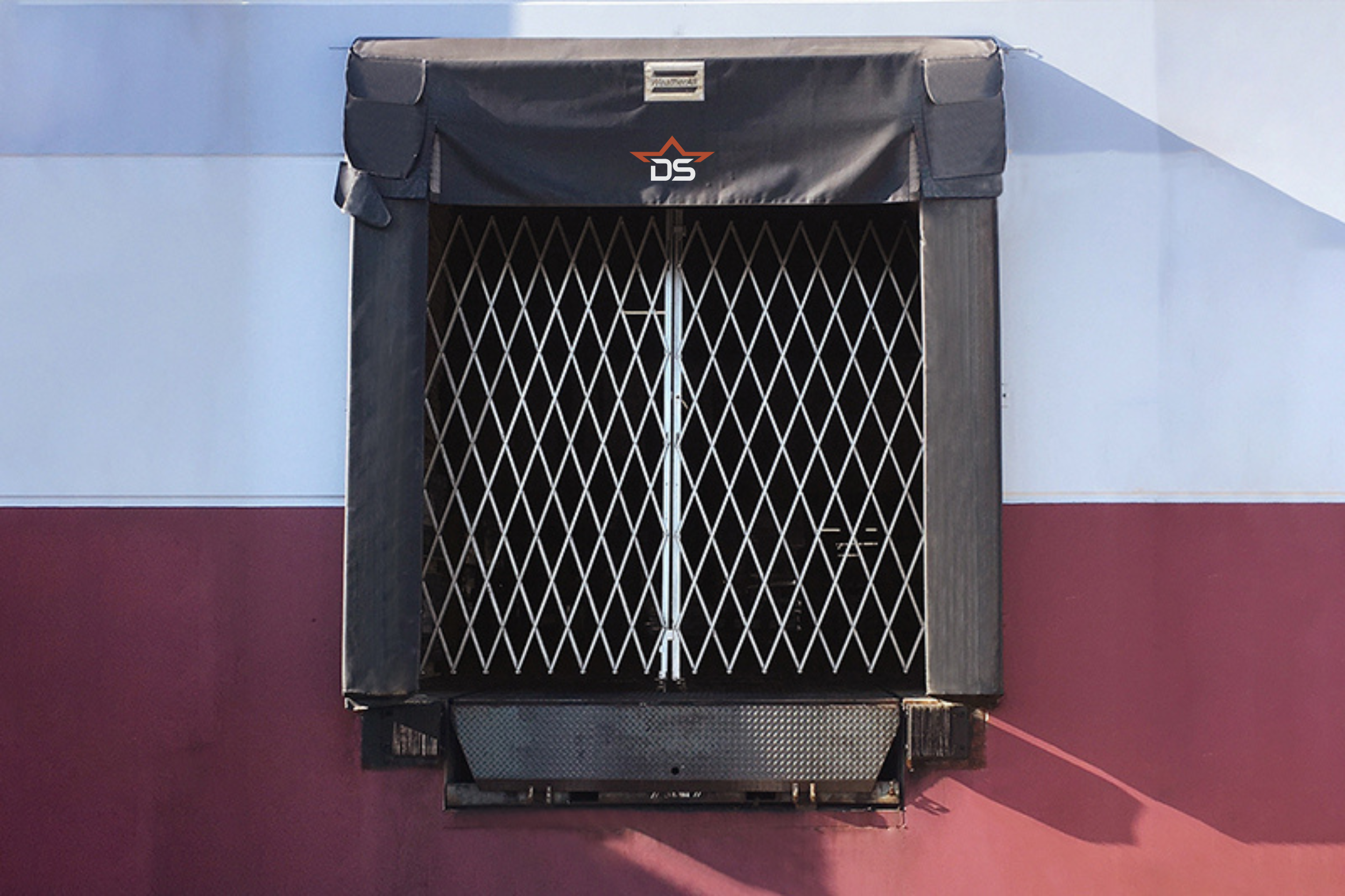
Read MoreDockStar Industrial supplied and installed a railcar dock seal for an industrial loading door, helping improve weather protection, reduce air and debris intrusion, and support railcar loading operations.
Read MoreDockStar Industrial supplied wire security storage lockers for a new apartment building in Mineola, Long Island. The project included 4' x 4' x 7'-6" tenant storage lockers designed for secure resident storage, bike storage, and efficient storage room organization.
Read More