













High-Volume Loading Dock Equipment
Hydraulic Dock Levelers
Push-button loading dock levelers built for busy warehouses, distribution centers and manufacturing facilities. DockStar hydraulic dock levelers combine controlled operation, heavy-duty structural construction and lower operator effort for demanding dock environments.

Hydraulic Dock Leveler Overview
Built for High-Volume Loading Dock Operations
DockStar hydraulic dock levelers are designed for loading docks that need reliable, repeatable operation throughout the day. A self-contained hydraulic system raises the deck and extends the lip with push-button controls, reducing the physical effort required from operators compared with manual mechanical dock levelers.
Robust J-beam construction, hydraulic deck and lip cylinders and controlled movement make hydraulic dock levelers a strong fit for distribution centers, manufacturing plants and other facilities where uptime, operator ergonomics and throughput are priorities.
High Cycle RatesIdeal for loading docks operating throughout multiple shifts.
Operator-FriendlyPush-button activation reduces manual pull-chain operation.
Smooth MovementControlled hydraulic travel helps reduce abrupt deck movement.
Replacement or New ConstructionAvailable for existing pits or new construction pit installations.
Hydraulic Dock Leveler Features
Heavy-Duty Design Without the Manual Work
Hydraulic loading dock levelers are built around controlled powered operation, strong structural support and serviceability for demanding facilities.

Push-Button Hydraulic Operation
Operators raise the deck and position the lip through powered controls rather than manually walking a spring-loaded deck down onto the trailer.

Robust J-Beam Construction
Strategically welded J-beams provide the structural integrity needed for frequent forklift crossings and demanding dock traffic.

Hydraulic Deck & Lip Cylinders
Dedicated hydraulic components control deck and lip movement to support smoother operation and reduce reliance on mechanical springs.
Flexible Configuration Options
Customize the dock leveler around trailer reach, environmental conditions and installation requirements with longer lips, weather seals, new-construction pit kits and biodegradable hydraulic oil.
Recommended Applications
Where Hydraulic Dock Levelers Make the Most Sense
Hydraulic dock levelers are especially valuable when loading frequency, operator ergonomics and consistent powered operation matter more than lowest initial equipment cost.
High-Volume Distribution
Warehouses and distribution centers with frequent trailer loading and unloading.
Industrial & Manufacturing
Facilities moving machinery, components and heavy materials throughout the day.
Safety-Focused Operations
Loading docks that want controlled movement and reduced physical effort for operators.
Multi-Shift Facilities
Operations where uptime and repeatable performance are critical across multiple shifts.
Hydraulic vs. Mechanical Dock Levelers
Which Dock Leveler Is Better for Your Facility?
Hydraulic and mechanical dock levelers perform the same core job: bridging the dock floor and trailer bed. The difference is how they operate, how much physical effort they require and how well they fit high-cycle environments.
| Consideration | Hydraulic Dock Leveler | Mechanical Dock Leveler |
|---|---|---|
| Operation | Push-button hydraulic activation | Manual pull-chain / spring-assisted activation |
| Operator Effort | Low | Higher manual effort |
| Best Traffic Level | High-frequency and multi-shift docks | Light-to-moderate traffic |
| Movement | Smooth, controlled powered travel | Spring-assisted manual travel |
| Electrical Requirement | Requires power for hydraulic pump/control system | No electrical power required for standard operation |
| Initial Cost | Typically higher | Typically lower |
| Long-Term Maintenance | Fewer spring components and less manual wear | Springs, chains and mechanical components require adjustment/service |
| Best Fit | Facilities prioritizing uptime, ergonomics and throughput | Budget-conscious, lower-cycle or non-powered dock positions |
Hydraulic Dock Leveler Upgrades
Build a More Integrated Loading Dock
Pair your hydraulic dock leveler with controls, dock visibility systems and trailer-securing equipment for a more coordinated loading process.

Loading Dock Controls
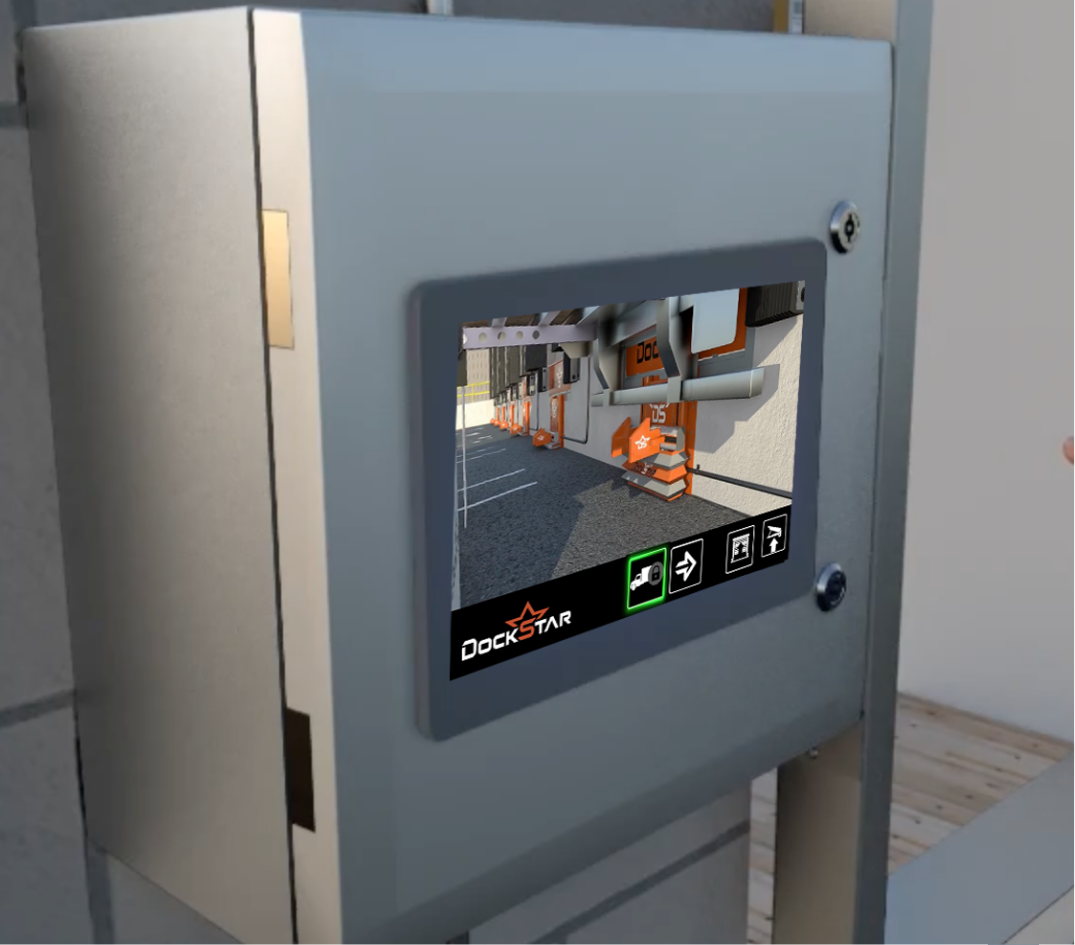
Coordinate levelers, vehicle restraints, dock doors and safety equipment from an intuitive control platform.

Loading Dock LED Lights
Improve visibility and provide clear visual status communication around active loading dock positions.

Vehicle Restraints
Help secure trailers at the loading dock and reduce unexpected trailer movement during loading and unloading.
Hydraulic Dock Leveler FAQ
Frequently Asked Questions About Hydraulic Dock Levelers
How does a hydraulic dock leveler work?
A hydraulic dock leveler uses a self-contained hydraulic system to raise and lower the deck and extend the lip. Push-button controls activate hydraulic cylinders that position the leveler between the loading dock floor and trailer bed.
What is the typical capacity of a hydraulic dock leveler?
Hydraulic dock levelers are available in multiple rated capacities, commonly ranging from approximately 25,000 lb to 80,000 lb or more depending on the model and application. Final selection should consider forklift weight, load weight, axle loading, impact and cycle frequency.
How long does a hydraulic dock leveler last?
Service life depends on traffic, capacity selection, environment, installation quality and maintenance. A properly specified and maintained hydraulic dock leveler can provide many years of high-cycle service.
What is the difference between a hydraulic and mechanical dock leveler?
Hydraulic dock levelers use powered push-button operation, while mechanical levelers rely on springs and manual activation. Hydraulic systems reduce operator effort and are generally better suited to frequent loading cycles, while mechanical levelers can have a lower initial cost and do not require electrical power for standard operation.
Can a hydraulic dock leveler be installed in an existing pit?
Yes. Hydraulic dock levelers can often replace an existing pit-mounted leveler when the pit dimensions and condition are compatible. A site assessment should confirm pit size, structural condition and required electrical service before installation.
Does a hydraulic dock leveler require electricity?
Yes. The hydraulic pump and controls require electrical power. Electrical requirements vary by model and should be verified during equipment selection and coordinated before installation.
What maintenance does a hydraulic dock leveler require?
Routine service typically includes inspection of hydraulic cylinders, hoses, fittings, fluid, hinges, lip operation, structural components and safety devices. Preventive maintenance frequency should follow the manufacturer’s recommendations and reflect actual dock usage.
When should I choose a hydraulic dock leveler?
Hydraulic levelers are a strong choice for high-volume facilities, multi-shift operations, safety-focused loading docks and applications where reducing operator effort and maintaining repeatable powered operation are important.
Talk to DockStar
Need a Hydraulic Dock Leveler for Your Facility?
Tell us about your existing pit, trailer heights, forklift traffic, load requirements and daily dock cycles. DockStar can help you select and install the right hydraulic loading dock leveler for your operation.
Other Loading Dock Equipment


The RockStars of Loading Dock Equipment
At DockStar, we don’t just sell equipment — we provide solutions. Our hydraulic dock levelers are built for operations that can’t afford downtime, delivering push-button reliability, heavy-duty construction, and a lower total cost of ownership over the life of the equipment.
We’re committed to helping you improve safety, streamline throughput, and get the most out of every shift at your loading dock.
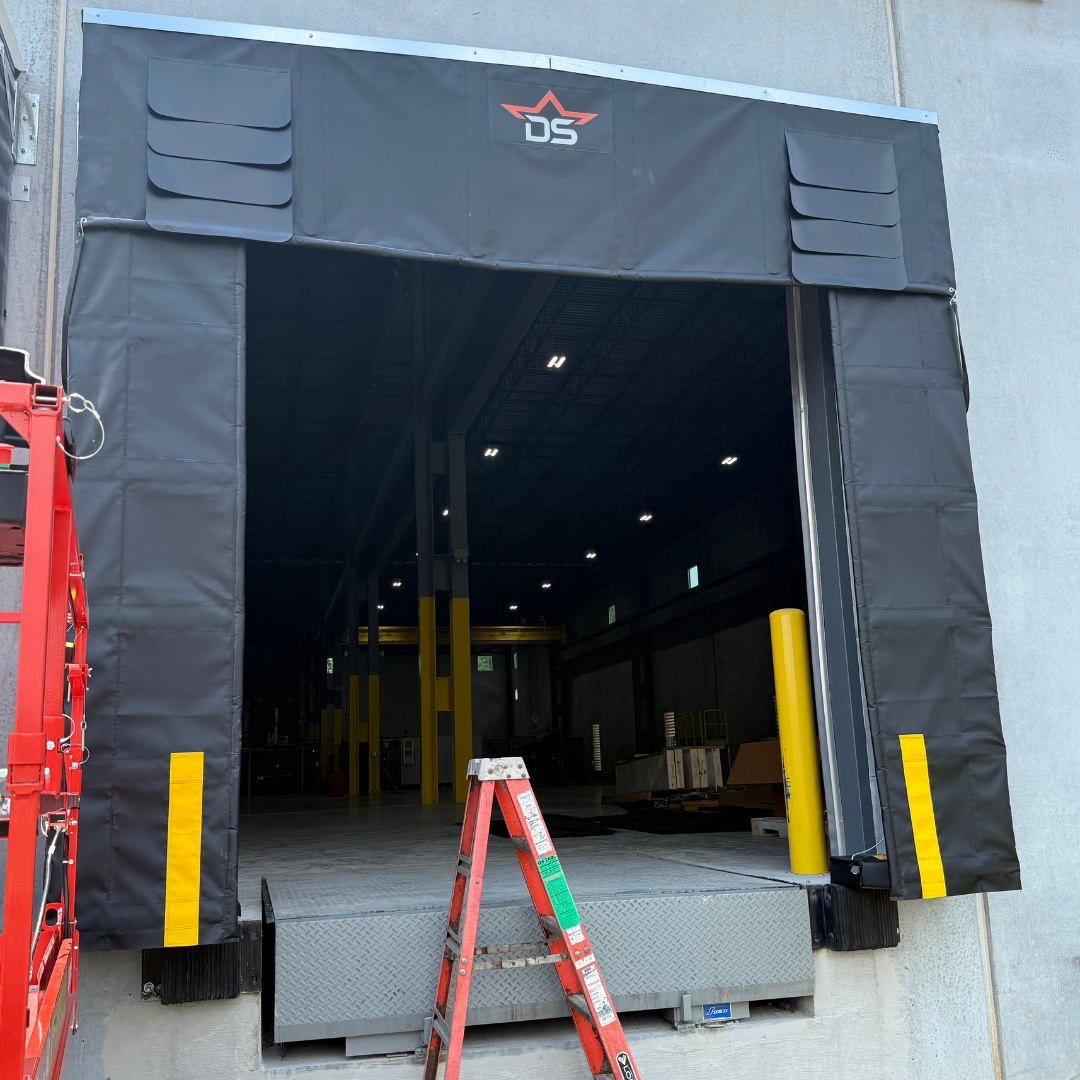
Beyond the leveler itself, we offer a full suite of loading dock equipment — including vehicle restraints for secure trailer locking, dock seals and shelters for weather protection, and dock lights to improve visibility.
Whatever your dock needs, DockStar has the products and expertise to build a safer, more productive operation.
We’re committed to helping you improve safety, streamline throughput, and get the most out of every shift at your loading dock.
Beyond the leveler itself, we offer a full suite of loading dock equipment — including vehicle restraints for secure trailer locking, dock seals and shelters for weather protection, and dock lights to improve visibility.
Whatever your dock needs, DockStar has the products and expertise to build a safer, more productive operation.


Check out some of our recent projects!
Real Projects. Real Customers. Real Solutions.
DockStar Industrial coordinated a large commercial wire mesh storage locker project, including delivery follow-up, supplier coordination, installation planning, site visit support, and final project details for approximately 100 storage lockers.
Read MoreDockStar Industrial supplied and installed a railcar dock seal for an industrial loading door, helping improve weather protection, reduce air and debris intrusion, and support railcar loading operations.
Read MoreDockStar Industrial supplied wire security storage lockers for a new apartment building in Mineola, Long Island. The project included 4' x 4' x 7'-6" tenant storage lockers designed for secure resident storage, bike storage, and efficient storage room organization.
Read More