













SPILL CONTAINMENT
Designed to contain leaks and spills, helping facilities maintain compliance and protect the environment.
GET A QUOTE!
01
Contain Leaks at the Source
Capture drips and releases before liquids spread through the facility.
02
Protect Personnel and Property
Reduce slip hazards, equipment exposure, cleanup demands, and downtime.
03
Support Compliance Efforts
Select secondary containment designed for industrial storage applications.
04
Match the Real Application
Choose portable, modular, rigid, covered, or high-capacity containment.
Find the Right Spill Containment System
Each category solves a different containment challenge. Review the application, capacity, container type, access requirements, and installation environment before selecting a system.
 01
01
Drums and Small Containers
Drum Containment
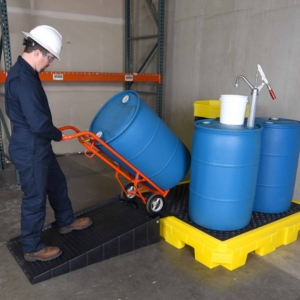
Secondary containment for storing, staging, and dispensing liquids from individual drums or multi-drum configurations.
Drum containment products include spill pallets, low-profile spill decks, hard-top units, and drum rack containment systems. These solutions help keep containers elevated above captured liquid while providing a defined sump beneath the storage area.
Typical Uses
- Chemical, oil, lubricant, and process-liquid drums
- Indoor or outdoor drum storage
- Pumps, funnels, dispensing, and transfer operations
- Modular multi-drum containment areas
 02
02
Portable and Rapid Deployment
Flexible Containment
Portable containment berms for temporary work, spill response, equipment washing, and drive-in or drive-out applications.
Flexible systems are well suited for locations where permanent containment is not practical. Depending on the model, berms can be folded for storage, deployed around equipment, or configured with sidewalls that support vehicle and machinery access.
Typical Uses
- Vehicle, equipment, and machinery containment
- Field service, maintenance, and emergency response
- Washdown and decontamination operations
- Temporary containment at remote or changing sites
 03
03
Large and Semi-Permanent Areas
Hard Wall Containment
Modular rigid-wall systems for high-capacity containment around tanks, machinery, equipment, and bulk liquid storage areas.
Hard-wall containment provides a durable perimeter for long-term or larger-volume applications. Modular straight and corner sections can create containment areas in different sizes and shapes, while a liner provides the liquid barrier within the protected zone.
Typical Uses
- Bulk liquid and tank storage
- Large machinery and vehicle containment
- Semi-permanent industrial installations
- High-capacity containment on varied surfaces
 04
04
Intermediate Bulk Containers
IBC Containment
High-capacity spill pallets and covered systems designed around intermediate bulk containers and totes.
IBC containment products support the larger footprint and liquid volume associated with bulk containers. Options may include single or multiple-IBC configurations, removable grating, forklift access, and weather-resistant hard-top protection.
Typical Uses
- Chemical, oil, and process-liquid totes
- Single or multiple-IBC storage
- Indoor and outdoor bulk liquid storage
- Forklift-accessible containment applications
Why Spill Containment Matters
Build the Containment Plan Around the Risk
The right spill containment system depends on what is being stored, how much liquid could be released, where the equipment is located, and how quickly personnel need to access or move through the area.
Drum and IBC storage often requires a dedicated sump or pallet beneath the container. Temporary maintenance, fueling, washdown, and field work may call for a flexible berm that can be deployed and stored as needed. Permanent or high-volume areas may be better served by modular hard-wall containment that creates a larger protected zone.
A strong containment strategy also considers chemical compatibility, loading method, forklift access, weather exposure, drain protection, cleanup, inspection, and the volume that must be captured.
Common Spill Containment Applications
Drum Storage and Dispensing
Contain leaks beneath one or more drums, racks, pumps, and funnels.
IBC and Tote Storage
Provide secondary containment for larger-volume intermediate bulk containers.
Maintenance and Repair
Capture fluids during equipment service, parts cleaning, and temporary work.
Fueling and Liquid Transfer
Protect areas where fuels, oils, chemicals, and process liquids are transferred.
Washdown and Decontamination
Create a controlled area for vehicles, tools, equipment, and field operations.
Outdoor and Remote Sites
Use portable or freestanding systems on concrete, soil, gravel, or uneven terrain.
Storm Drain Protection
Limit migration toward drains, doorways, soil, and sensitive areas.
Large Equipment Containment
Build higher-capacity zones around tanks, machinery, vehicles, and bulk storage.
Selection Guide
What Should You Consider Before Selecting Spill Containment?
Start with the maximum potential release, the type and number of containers, the available floor space, and whether the system needs to be portable, forkliftable, weather resistant, or drive-through.
01
Container Type
Drums, IBCs, tanks, machinery, vehicles, or temporary work areas.
02
Containment Volume
Choose a sump or protected area sized for the anticipated release.
03
Chemical Compatibility
Confirm that the containment material is suitable for the stored liquid.
04
Access and Handling
Consider forklifts, pallet jacks, pumps, funnels, ramps, and vehicle traffic.
05
Indoor or Outdoor Use
Evaluate weather, UV exposure, covers, drainage, and ground conditions.
06
Inspection and Cleanup
Plan for grate removal, draining, cleaning, reuse, and routine inspection.
Need Help Choosing a Spill Containment System?
Talk to a Product Specialist
Match the Product to the Container, Capacity, and Work Area
DockStar Industrial can help you compare containment styles, capacities, access features, and installation requirements for drum storage, IBCs, equipment, vehicles, and larger industrial containment areas.
Explore More Solutions
Spill Response & Facility Protection
Protect your employees, equipment, and facility with solutions designed to contain spills, support fast cleanup, and reduce workplace hazards.

Spill Containment
Spill Response
Explore portable barriers, containment systems, and cleanup solutions for responding quickly when a spill occurs.
Explore Spill Response
Workplace Safety
Facility Protection
Help prevent liquids from spreading into doorways, drains, production areas, and other critical parts of your facility.
Explore Facility Protection


DockStar provides a complete range of spill containment solutions, carefully categorized to address diverse needs and applications. Our drum containment products offer a variety of options for safely storing and handling drums of all sizes and materials. These solutions range from spill pallets and secondary containment sumps to specialized drum handling equipment, providing a comprehensive approach to managing drum-related spills and preventing environmental contamination.
For situations requiring adaptable and portable spill containment, DockStar’s flexible solutions are the perfect choice. This category includes spill berms, collapsible pools, and a wide selection of absorbents, all designed for quick deployment and easy storage. These products are particularly useful for containing spills in hard-to-reach areas or when a rapid response is critical. Our flexible containment options provide a versatile and efficient way to manage spills of various sizes and types, minimizing environmental impact and ensuring workplace safety.
We also offers specialized solutions for IBC (Intermediate Bulk Container) containment, recognizing the unique challenges associated with these large-volume containers. Their IBC containment products provide robust secondary containment to prevent leaks and spills, protecting both personnel and the environment. Finally, our hard wall containment options, including spill pallets, containment dikes, and custom-engineered systems, offer durable and long-lasting protection for a wide range of spill scenarios. These rigid containment solutions are ideal for permanent installations and provide a robust barrier against spills in demanding industrial environments.

Stormwater Protection
Stop Sediment Before It Reaches the Drain
UltraTech Solutions
Containment, Prevention & Response
UltraTech Environmental Protection
Spill Prevention Starts Before Liquid Reaches the Drain
DockStar Industrial provides access to UltraTech products designed to protect storm drains, contain spills, control sediment, and reduce the risk of contaminated runoff leaving the work area.
UltraTech solutions support spill prevention, control, and countermeasure programs across construction sites, loading docks, manufacturing plants, warehouses, maintenance areas, and outdoor storage locations. Products range from reusable drain guards and drain seals to spill pallets, containment berms, wall systems, overpacks, and high-capacity secondary containment.
The reusable drain-guard style shown here is designed for high-erosion areas where dirt, sand, soil, and sediment can wash toward storm drains. It creates a collection point below the grate, helping facilities and contractors manage sediment before it enters the stormwater system.
01
Construction and Site Work
Capture sediment around drains exposed to soil, sand, and erosion.
02
Loading Docks and Yards
Protect nearby storm drains from runoff, debris, and accidental releases.
03
Manufacturing Facilities
Support spill-control plans around production, storage, and transfer areas.
04
Maintenance and Response
Deploy drain protection and containment products where leaks may occur.
- Drain protection for spills, sediment, debris, and contaminated runoff
- Reusable and application-specific products for routine or emergency use
- Containment options for drums, IBCs, equipment, vehicles, and bulk storage
- Solutions that support facility stormwater and spill-prevention programs
Planning Resource
View the Applications Guide
Match Spill Containment to the Application
Not sure which containment approach fits your facility? Use DockStar Industrial’s Market Applications Guide to explore solutions by work environment, operating challenge, and material-handling need.
SPILL CONTAINMENT
CALL TODAY FOR A QUOTE!
Get a Physical for your Facility
Get a No-Cost, No-Obligation Facility Safety & Compliance Assessment
Are you sure you’re compliant with spill containment and stormwater management regulations?
Let our team conduct a free, no-obligation on-site assessment to look for areas where non-compliance and safety vulnerabilities may be an issue. Shortly after our visit, we will provide you with a comprehensive report, which includes recommendations to help you address any problems noted during the assessment.
Answers About Industrial Spill Containment
Choosing the right containment system depends on the liquid, container, release volume, storage location, and access requirements. These answers address common questions about drum pallets, flexible berms, hard-wall systems, and IBC containment.
What is secondary spill containment?
Secondary spill containment is a system placed around or beneath a primary container to capture leaks, drips, or releases. Examples include spill pallets, spill decks, berms, hard-wall containment, and IBC containment units.
How do I choose the right spill containment system?
Start with the container type, maximum potential release, liquid compatibility, available floor space, loading method, and whether the system must be portable, forkliftable, weather resistant, or drive-through. The best product should fit both the spill risk and the way the area is used.
What is the difference between a spill pallet and a spill deck?
A spill pallet typically provides a deeper sump and is commonly used beneath one or more drums or containers. A spill deck is lower-profile and can be used individually or connected to create a larger modular containment surface with easier loading access.
What products are used for drum containment?
Drum containment options may include single-drum and multi-drum spill pallets, low-profile spill decks, covered hard-top units, and containment systems designed for drum racks, pumps, funnels, and dispensing operations.
When should I use flexible spill containment?
Flexible containment is useful for temporary work, field service, emergency response, equipment washing, decontamination, fueling, and vehicle or machinery containment. Many flexible berms can be folded, transported, and deployed where permanent containment is not practical.
Can vehicles and equipment enter a flexible containment berm?
Some flexible containment systems are designed with collapsible, foam-supported, or otherwise accessible sidewalls that allow vehicles and equipment to enter and exit. The correct berm depends on wheel traffic, equipment weight, ground conditions, and the desired containment volume.
What is hard-wall spill containment used for?
Hard-wall containment is suited for larger, longer-term, or semi-permanent containment areas around tanks, machinery, bulk storage, vehicles, and equipment. Modular wall sections can create different layouts, while a liner forms the liquid barrier inside the protected area.
Can hard-wall containment be installed on uneven surfaces?
Some modular systems can be configured on concrete, asphalt, gravel, soil, and other surfaces, but the installation must account for slope, sharp objects, liner protection, drainage, and wall stability. Site conditions should be reviewed before selection.
What is IBC spill containment?
IBC spill containment is a high-capacity secondary containment system designed for intermediate bulk containers and totes. Options may include single-IBC and multi-IBC pallets, removable grating, forklift access, and covered units for outdoor storage.
Can IBC containment systems be moved with a forklift?
Many IBC containment products include forklift pockets or molded access points. Movement instructions depend on the product and whether it is empty or loaded, so the manufacturer’s handling guidance should always be followed.
How much containment capacity do I need?
Required capacity depends on the size and number of containers, the potential release, applicable facility procedures, and regulatory requirements. Confirm the needed sump volume before choosing a pallet, berm, or larger containment area.
Why is chemical compatibility important?
The containment material must be suitable for the liquid it may contact. Chemicals can affect polyethylene, PVC, coated fabrics, liners, seals, and other materials differently. Review compatibility information before placing any product into service.
Can spill containment products be used outdoors?
Many containment products can be used outdoors, but weather, ultraviolet exposure, rainwater accumulation, wind, temperature, covers, anchoring, and inspection frequency should be considered. Covered or hard-top products may be preferable for outdoor drum or IBC storage.
How should rainwater be handled in outdoor containment?
Outdoor containment should be inspected regularly so rainwater does not reduce available sump capacity. Any liquid removed from the containment area should be evaluated and managed according to the material present and the facility’s environmental procedures.
How often should spill containment systems be inspected?
Inspection frequency should reflect the product, stored liquid, operating environment, and facility procedures. Check for captured liquid, damage, cracks, punctures, liner wear, blocked drains, degraded grating, and reduced containment capacity.
What information should I provide when requesting a quote?
Provide the container type and quantity, liquid being stored, required containment volume, indoor or outdoor location, available space, loading method, forklift or vehicle access, portability needs, and any photos or measurements of the area.
Check out some of our recent projects!
Real Projects. Real Customers. Real Solutions.
DockStar Industrial coordinated a large commercial wire mesh storage locker project, including delivery follow-up, supplier coordination, installation planning, site visit support, and final project details for approximately 100 storage lockers.
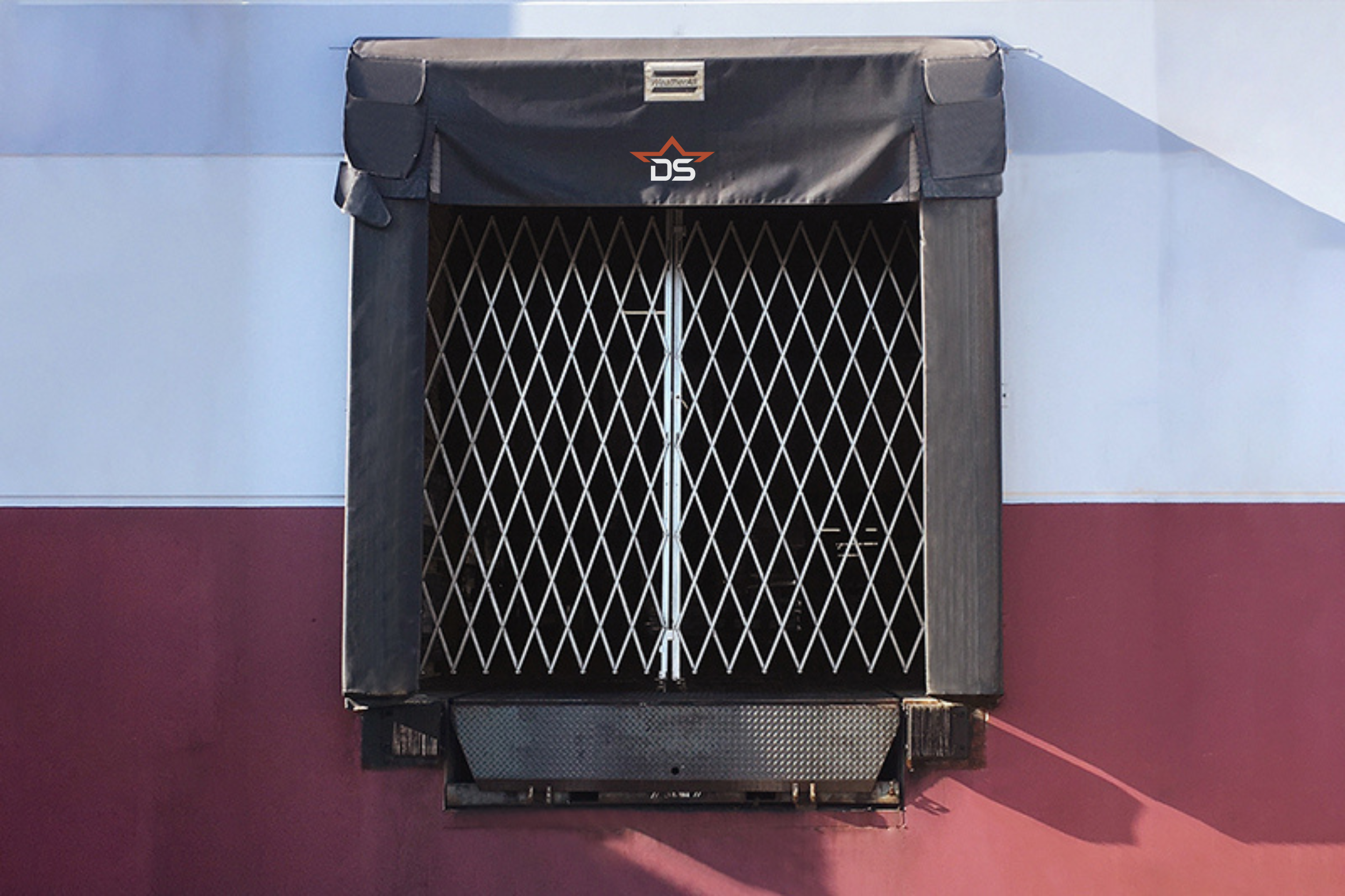
Read MoreDockStar Industrial supplied and installed a railcar dock seal for an industrial loading door, helping improve weather protection, reduce air and debris intrusion, and support railcar loading operations.
Read MoreDockStar Industrial supplied wire security storage lockers for a new apartment building in Mineola, Long Island. The project included 4' x 4' x 7'-6" tenant storage lockers designed for secure resident storage, bike storage, and efficient storage room organization.
Read More