













Galvanization
Galvanization (noun): The process of applying a protective zinc coating to steel or iron to help prevent rust and corrosion. In industrial environments, galvanization is commonly used on metal components that may be exposed to moisture, weather, chemicals, or heavy daily use.

What Galvanization Means in Industrial Settings
Galvanization helps protect steel by creating a zinc barrier between the base metal and the surrounding environment. Instead of moisture and oxygen reaching the steel directly, the zinc coating helps slow the corrosion process.
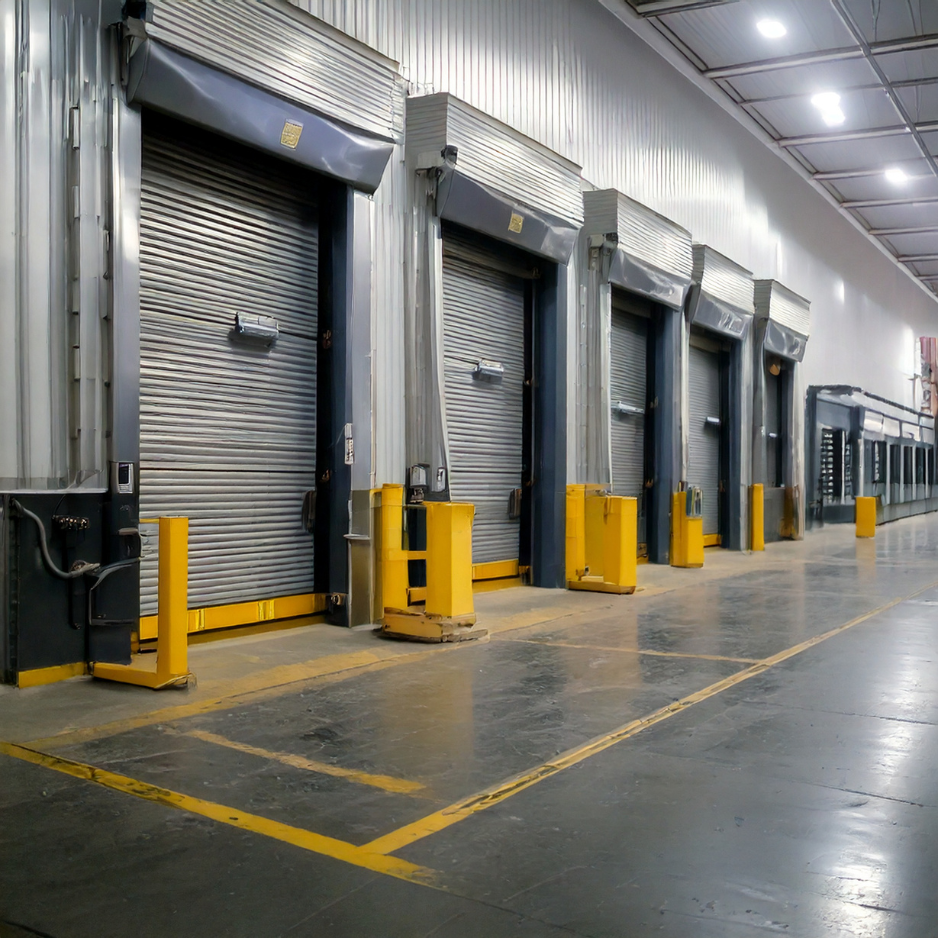
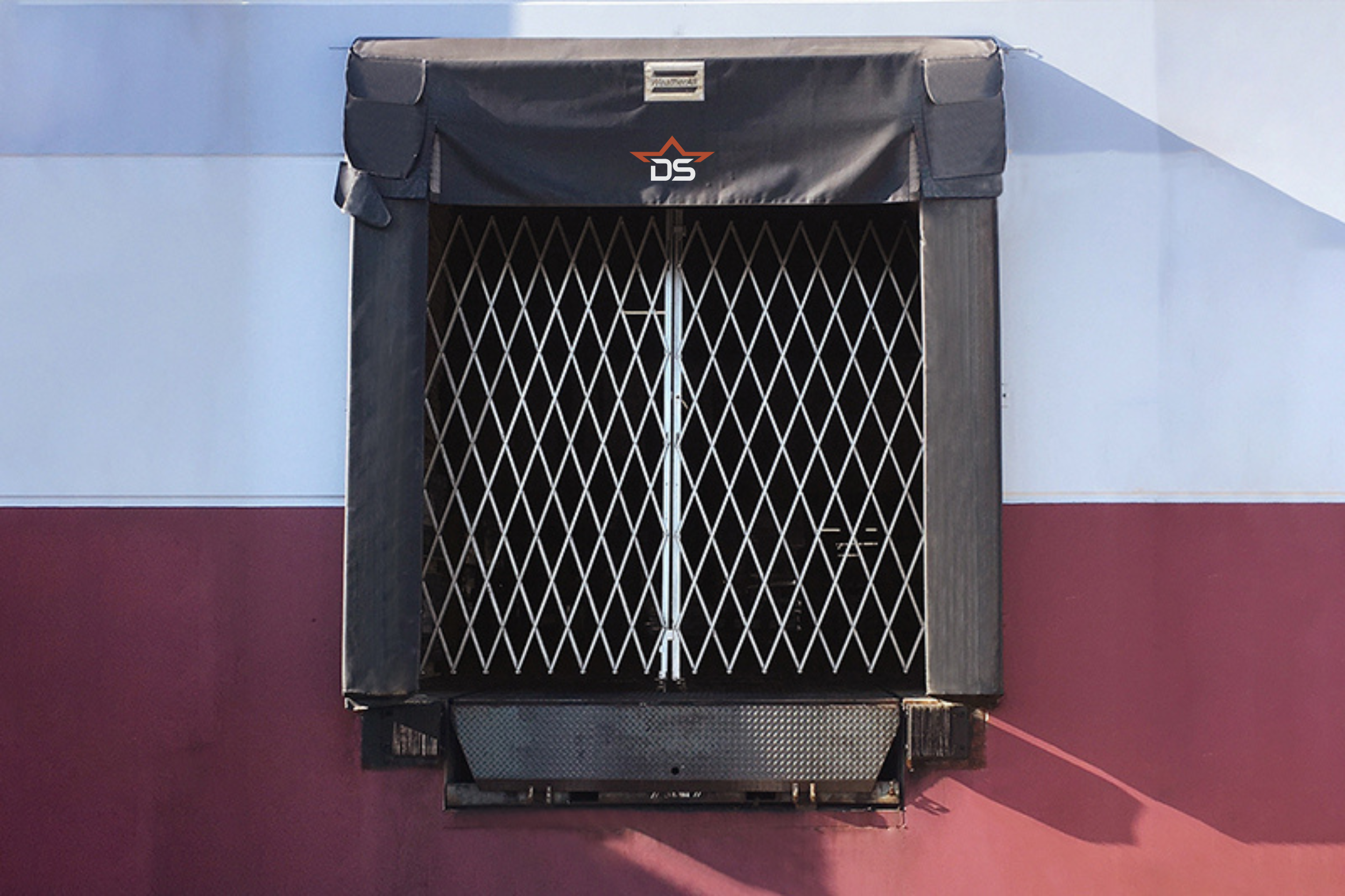
This makes galvanized steel useful in warehouses, manufacturing plants, loading dock areas, and other facilities where metal equipment needs to stay durable over time. Components near exterior openings, dock areas, washdown zones, or outdoor storage areas are especially likely to benefit from added corrosion protection.
Why Galvanization Matters
Steel is strong, but untreated steel can rust when it is exposed to moisture and oxygen. Galvanization helps extend the life of steel parts by reducing direct exposure to those elements.
In industrial facilities, rust is more than a cosmetic issue. Corrosion can weaken metal, damage surfaces, increase maintenance costs, and shorten the service life of equipment. That is why corrosion-resistant materials are often important for products like dock levelers, vehicle restraints, and safety railings that may see moisture, impact, and repeated use.
How Galvanized Metal Protects Steel
Galvanized metal protects steel in two main ways.
First, the zinc coating acts as a physical barrier. It helps keep water, air, and corrosive materials away from the steel underneath.
Second, zinc provides sacrificial protection. That means if the coating gets scratched or damaged, the zinc can corrode before the steel does. This helps protect the exposed steel and can slow the spread of rust.
Galvanized Steel vs. Regular Steel
Regular steel does not have a zinc coating, so it can rust faster in damp, outdoor, or high-humidity environments. Galvanized steel has an added layer of protection, making it better suited for areas where corrosion is a concern.
Galvanized steel can still corrode over time, especially in harsh conditions involving salt, chemicals, standing water, or damaged coatings. However, it generally offers better corrosion resistance than untreated steel.
Key Takeaways
Galvanization is a protective process that coats steel or iron with zinc to help prevent rust and corrosion. It is commonly used in industrial environments where metal parts need to withstand moisture, weather, and heavy use.
For warehouses, loading docks, and manufacturing facilities, galvanized steel can help reduce maintenance needs and extend the life of important equipment and structural components.ns.

Check out our Solutions!
A global food and beverage manufacturer partnered with DockStar Industrial to modernize its Florence, SC facility by replacing outdated dock doors and a failing leveler with durable, energy-efficient equipment built for reliability. From site prep to final welds, DockStar handled every step with precision, safety, and long-term performance in mind.
Read MoreDockStar Industrial designed and coordinated a custom 200-foot overhead security cage netting installation for a high-bay warehouse server storage facility, delivering secure containment and efficient project execution.
Read MoreWhen Unified Resources needed to create functional office space inside an active warehouse without sacrificing valuable operational square footage, they partnered with DockStar Industrial for a fully customized prefabricated warehouse office solution. The project called for a large-scale modular office buildout that would provide multiple private offices, a conference room, and a break room—all while maintaining warehouse efficiency and minimizing disruption to the existing facility footprint. DockStar designed and supplied a complete in-plant office system tailored to the customer’s operational needs, creating a modern administrative workspace inside the warehouse while preserving critical storage and workflow areas.
Read More