













Just-in-Sequence (JIS)
Definition
Just-in-sequence (JIS) is a supply strategy in which components arrive not only at the moment they are needed but also in the exact order they will be installed. It extends just-in-time by adding sequence as a requirement, so material can move from the trailer to the line with no sorting step in between.
What Does Just-in-Sequence Mean?
The approach developed in automotive assembly, where a single line may build vehicles in many configurations back to back. If three cars coming down the line need three different seat colors, the supplier ships the seats in that order, and the installer takes the next one off the rack without checking a part number.
This shifts work upstream. The supplier absorbs the sorting and sequencing burden, often building to a schedule transmitted only hours before delivery. In exchange, the plant eliminates a staging area, a sorting step, and a major source of installation error.
Just-in-Sequence vs. Just-in-Time
Just-in-time answers when material arrives. Just-in-sequence answers when and in what order. A JIT delivery of fifty identical brackets satisfies the requirement regardless of how they sit on the pallet; a JIS delivery of fifty seats does not, because the order itself is part of the specification.
Because of that, JIS is typically reserved for high-variation, high-value components — seats, dashboards, bumpers, wiring harnesses — where the cost of sorting on site outweighs the cost of tighter supplier coordination.
Why Just-in-Sequence Matters at the Dock
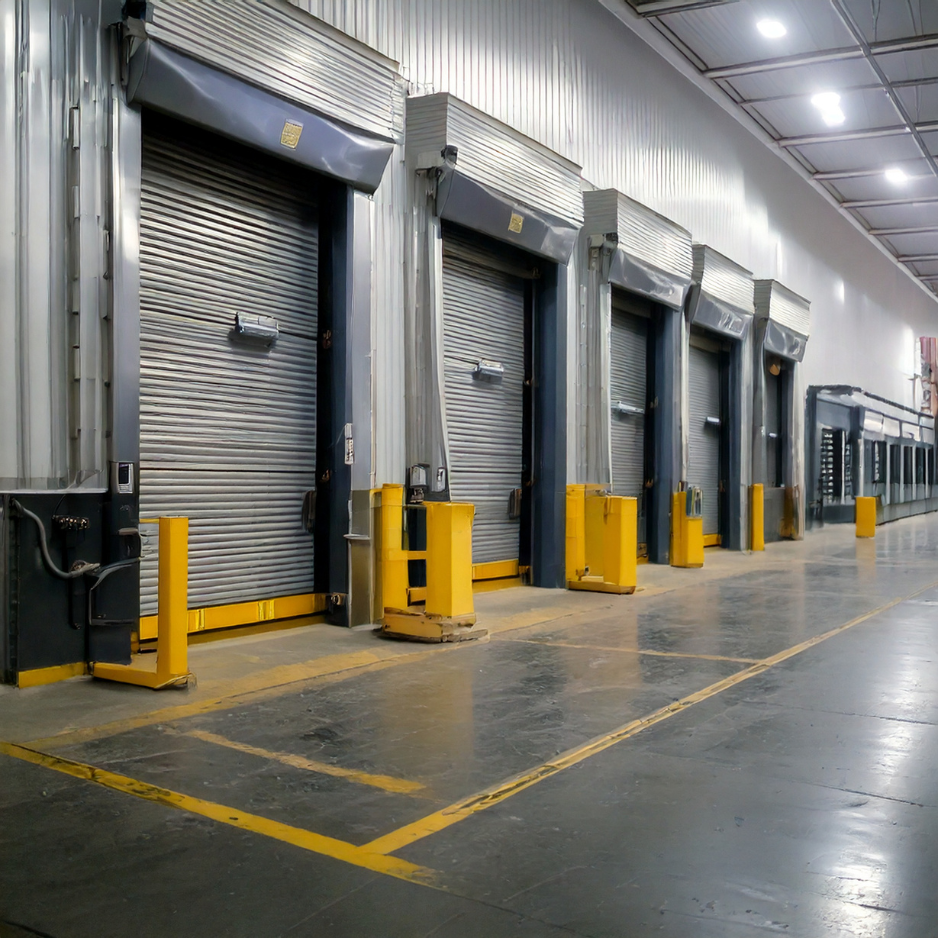
JIS puts more weight on the receiving dock than almost any other supply model. Deliveries arrive in narrow windows, sometimes several times per shift from the same supplier, and the sequence has to survive unloading intact. A pallet unloaded out of order or set down in the wrong staging lane undoes the entire point of the program.
Facilities running JIS typically dedicate specific dock positions to sequenced deliveries, mark staging lanes clearly, and hold equipment to a higher availability standard. There is no buffer to draw on, so a leveler or door out of service at a sequenced dock position stops the line rather than delaying a putaway.
Related Terms
Kanban
Line-Side Delivery
FAQs
What industries use just-in-sequence?
Automotive assembly is the primary user, particularly for seats, interior trim, and other high-variation components. Appliance manufacturing and some heavy equipment builders apply it as well, wherever a single line produces many configurations in a short span.
What happens if a just-in-sequence delivery arrives out of order?
The receiving plant has to sort it manually, which is exactly the cost the program was designed to eliminate, or halt the line until the correct part is located. Sequence errors are treated as serious supplier quality issues for that reason.
Is just-in-sequence riskier than just-in-time?
It carries more exposure, since a shipment can fail on timing or on order. It also concentrates dependence on a smaller number of suppliers located close enough to deliver on a short schedule, which limits alternatives when something goes wrong.
How far in advance is a JIS schedule sent to suppliers?
Often only a few hours, though the window varies by industry and by how far the supplier sits from the plant. Suppliers commonly operate satellite facilities near the assembly plant specifically to make those windows achievable.

Check out some of our recent projects!
Real Projects. Real Customers. Real Solutions.
DockStar Industrial coordinated a large commercial wire mesh storage locker project, including delivery follow-up, supplier coordination, installation planning, site visit support, and final project details for approximately 100 storage lockers.
Read MoreDockStar Industrial supplied and installed a railcar dock seal for an industrial loading door, helping improve weather protection, reduce air and debris intrusion, and support railcar loading operations.
Read MoreDockStar Industrial supplied wire security storage lockers for a new apartment building in Mineola, Long Island. The project included 4' x 4' x 7'-6" tenant storage lockers designed for secure resident storage, bike storage, and efficient storage room organization.
Read More