













Cross-Docking
Definition:
(noun): A logistics strategy where inbound shipments are directly transferred to outbound transportation with minimal or no warehousing in between. This method not only streamlines the process but also helps organizations save significant costs associated with inventory management.
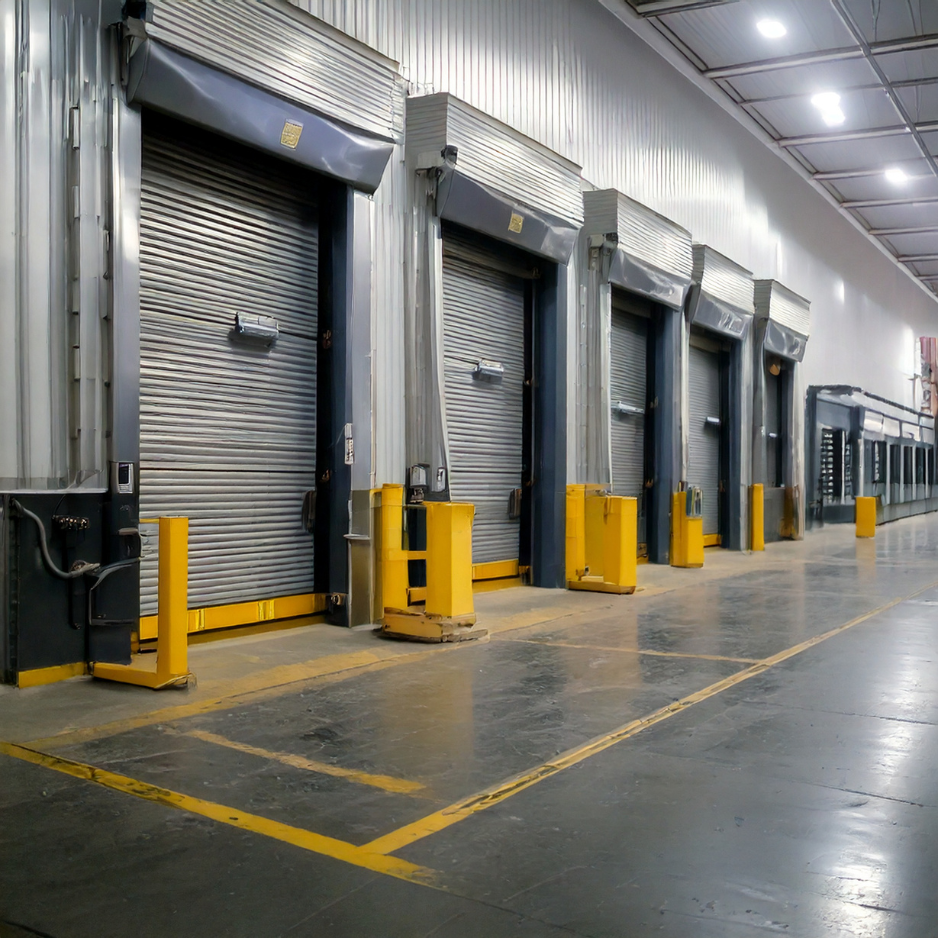
What Cross-Docking Means in a Busy Loading-Dock Operation
This method is not just about speed; it also enhances accuracy in inventory management. With goods flowing directly from inbound to outbound, the risk of errors related to stock levels is minimized. Furthermore, this approach supports sustainability by reducing the need for excess packaging or storage materials.
In a cross-docking operation, goods arrive at a loading dock and are immediately sorted and transferred to outbound trucks. This process eliminates the need for long-term storage and reduces handling time. Cross-docking is especially useful for high-volume distribution centers, retail fulfillment, and operations handling perishable or time-sensitive inventory. For instance, a grocery distribution center can quickly move fresh produce from suppliers directly to stores without the delay of storage, ensuring that customers receive the freshest items possible.

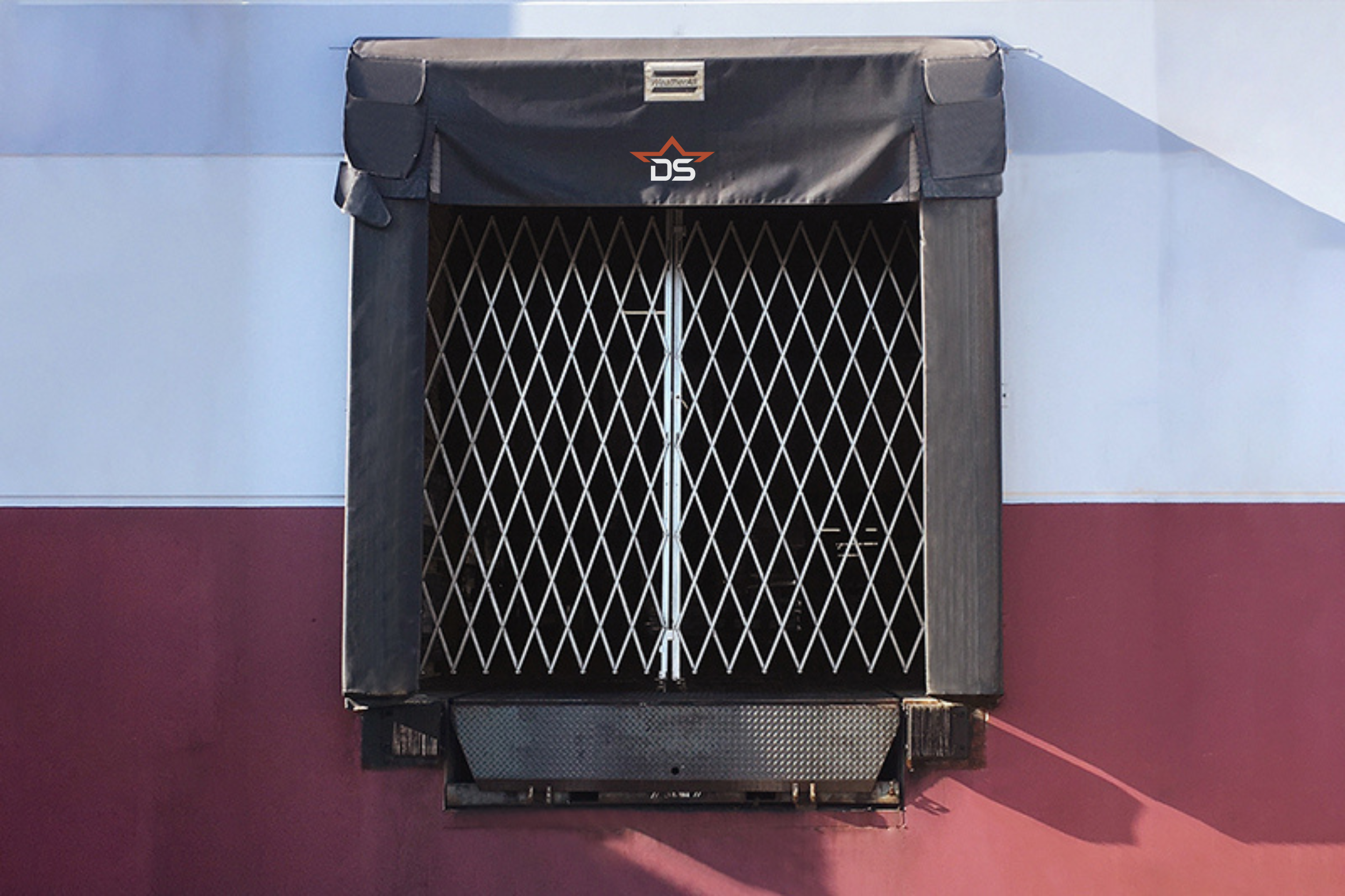
Image from: The Brimich Group
Why Operations Teams Use Cross-Docking
Operations teams implement cross-docking for several key reasons:
- Faster throughput and shorter delivery times, which enhance customer satisfaction.
- Reduced warehouse storage costs, leading to lower operational expenses.
- Minimized product handling, lowering damage risk and improving overall product integrity.
- Improved inventory turnover rates, allowing businesses to respond quickly to market demands.
- Faster throughput and shorter delivery times
- Reduced warehouse storage costs
- Minimized product handling, lowering damage risk
Types of Cross-Docking
Additionally, by leveraging cross-docking, businesses can adapt more efficiently to fluctuations in demand. For example, during peak seasons, retailers can quickly redistribute stock without the need for extensive warehousing, ensuring that they meet customer needs effectively.
Retail cross-docking not only improves efficiency but also enhances product availability at retail locations, which is crucial in today’s competitive market. This method allows retailers to respond swiftly to consumer trends and demands.
Retail Cross Docking
Moreover, manufacturers can benefit from cross-docking by minimizing the holding of parts and components, thus reducing the capital tied up in inventory. This strategy can lead to a more agile production process.
Retailers use this method to streamline the flow of products from suppliers to store locations. Goods are often pre-packaged by suppliers based on retail store demand.
Manufacturing Cross-Docking
Distributor cross-docking improves supply chain efficiency by consolidating shipments, which can lower transportation costs and improve delivery times. For instance, a distribution center may consolidate shipments from multiple vendors into a single delivery, cutting down on fuel and labor costs.
Manufacturers receive parts from multiple suppliers and immediately ship them to assembly lines, reducing inventory buildup and improving production speed.
Distributor Cross-Docking
Efficient equipment such as automated conveyor systems can greatly enhance the speed and accuracy of cross-docking operations. By integrating technology, facilities can further streamline the sorting and transferring processes, leading to improved operational performance.
Used by distribution centers to consolidate multiple vendor shipments and quickly send them out to end users or retail stores.
Typical Equipment Used
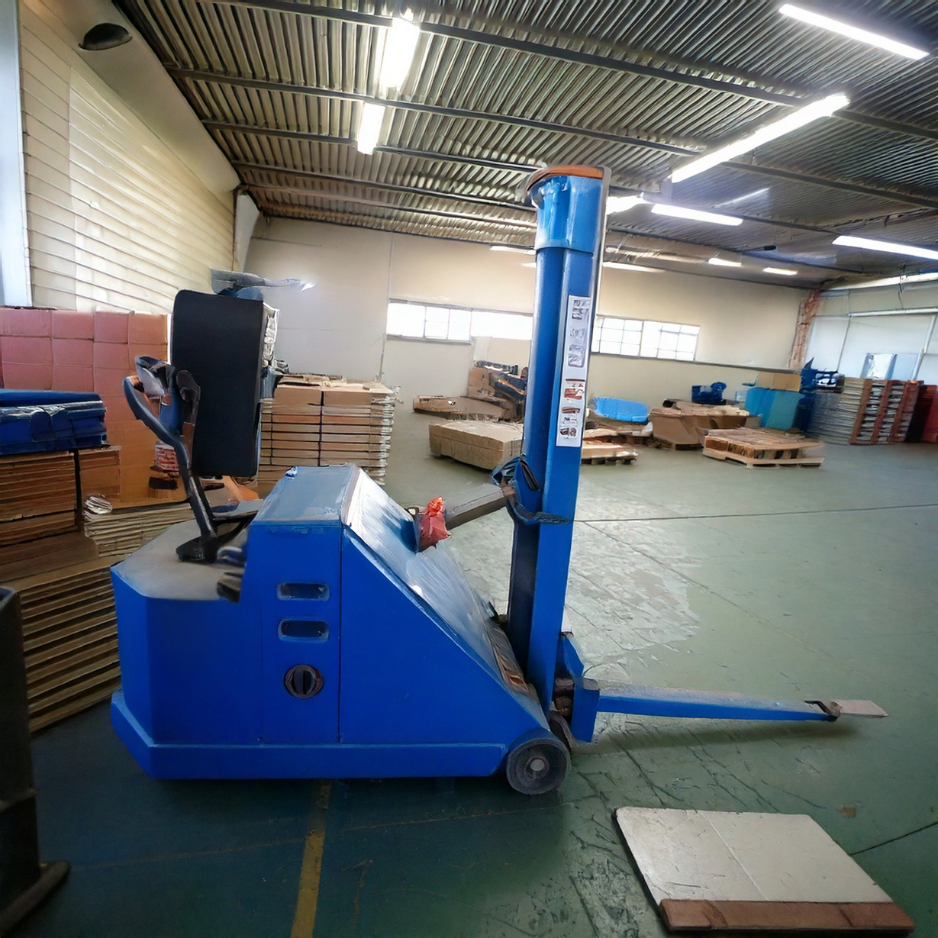
- Forklifts and pallet jacks for rapid transfer
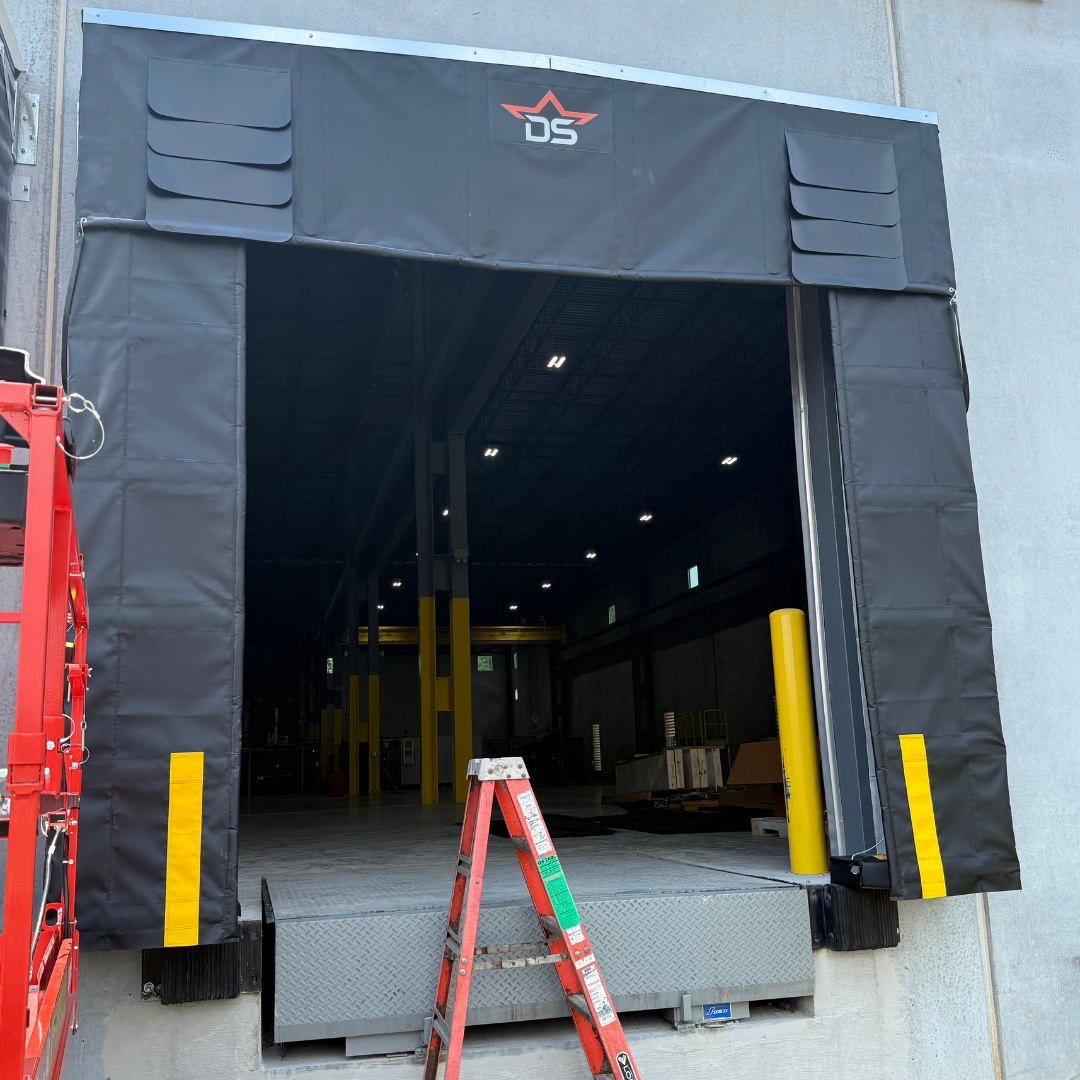
- Controlled enviroment doors or dock seals/shelters to maintain temperature control
- Vehicle restraints to secure trailers during transfer
- Conveyor systems or staging lanes for sorting and routing
Understanding when to implement cross-docking is just as crucial as knowing how. It’s particularly effective in environments with dynamic supply chains where speed and efficiency are paramount.
When It Makes Sense
Cross-docking is ideal when:
- There is high product turnover, which allows for better inventory management.
- You’re handling consolidated loads from multiple suppliers, streamlining distribution.
- Just-in-time (JIT) inventory strategies are in place, reducing waste and ensuring timely delivery.
- Items are pre-tagged, pre-sorted, or perishable, allowing for swift movement through the supply chain.
- There is high product turnover
- You’re handling consolidated loads from multiple suppliers
- Just-in-time (JIT) inventory strategies are in place
- Items are pre-tagged, pre-sorted, or perishable
Cross-Docking by the Numbers
- According to industry benchmarks, cross-docking can reduce warehousing costs by 20–50%.
- In high-performing logistics operations, it can cut order cycle time by up to 60%.
- Labor productivity improvements of 15–30% are common due to reduced material handling.
Furthermore, cross-docking can be beneficial for companies looking to implement lean inventory practices. By minimizing storage time, businesses can reduce costs and improve cash flow.
FAQs About Cross-Docking
As logistics continue to evolve, many questions arise regarding the implementation and benefits of cross-docking. Below are some frequently asked questions:
These metrics highlight the significant impact that cross-docking can have on overall logistics efficiency. Businesses adopting this model often see a transformative shift in their operational capabilities.
1) What is the main benefit of cross-docking?
The main benefit is speed. Cross-docking reduces time spent storing and handling goods, allowing businesses to ship products faster and lower their overhead costs.
Understanding the intricacies of cross-docking operations can significantly enhance decision-making processes and lead to optimized logistics strategies.
2) Do I need a special type of dock for cross-docking?
Not necessarily, but docks should be equipped for rapid turnarounds — often using multiple inbound and outbound bays, dock levelers, vehicle restraints, and staging areas.
3) Is cross-docking only for large operations?
No, while it’s common in large-scale distribution, smaller operations can benefit too — especially if they deal with perishable goods, tight delivery timelines, or consolidated supplier shipments.
4) What products are best suited for cross-docking?
Pre-tagged, pre-packaged, high-turnover goods like groceries, pharmaceuticals, electronics, and seasonal merchandise are excellent candidates for cross-docking.
5) How does cross-docking reduce labor costs?
Understanding how to best leverage cross-docking can lead to improved efficiency across various sectors, not just in logistics but also in manufacturing and retail, where speed and accuracy are critical.
Exploring these questions can provide deeper insights into how cross-docking can be tailored to meet the specific needs of various organizations.
Because products don’t sit in storage, there’s less handling — reducing the labor needed for shelving, picking, and re-palletizing.
6) Can cross-docking work with LTL shipments?
Yes, cross-docking is frequently used to consolidate or deconsolidate Less Than Truckload (LTL) shipments for more efficient delivery routing.
Key Takeaways
Cross-docking is a powerful strategy for streamlining the movement of goods across busy loading docks. Reducing storage time, minimizing handling, and increasing flow-through speed it helps operations teams meet tight timelines while cutting costs. Whether you’re moving retail goods, industrial parts, or perishable items, implementing cross-docking — with the right dock equipment in place — can significantly boost efficiency and throughput in your facility. As the logistics landscape continually evolves, businesses that adopt cross-docking practices will likely find themselves ahead of the competition, poised to respond swiftly and effectively to changing market conditions.

Check out our Solutions!
DockStar Industrial coordinated a large commercial wire mesh storage locker project, including delivery follow-up, supplier coordination, installation planning, site visit support, and final project details for approximately 100 storage lockers.
Read MoreDockStar Industrial supplied and installed a railcar dock seal for an industrial loading door, helping improve weather protection, reduce air and debris intrusion, and support railcar loading operations.
Read MoreDockStar Industrial supplied wire security storage lockers for a new apartment building in Mineola, Long Island. The project included 4' x 4' x 7'-6" tenant storage lockers designed for secure resident storage, bike storage, and efficient storage room organization.
Read More