













Gemba Walk
Definition:
Gemba Walk (noun): A Lean management practice where leaders, managers, or supervisors go to the actual place where work happens to observe processes, ask questions, and identify ways to improve safety, quality, and efficiency.

What a Gemba Walk Means in Industrial Settings
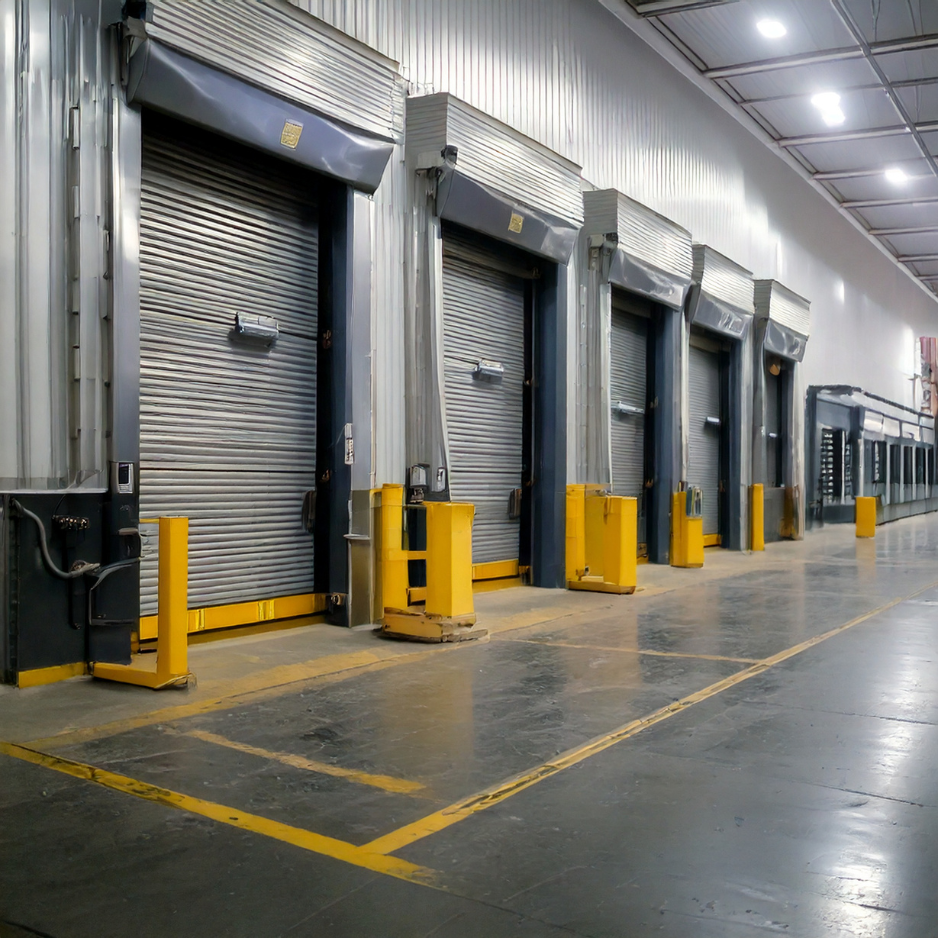
A gemba walk is about seeing work in real time instead of relying only on reports, meetings, or assumptions. In a warehouse, manufacturing plant, or distribution center, this may mean walking through production areas, storage zones, shipping departments, receiving areas, or the loading dock.
The goal is to understand how people, equipment, materials, and processes actually interact during daily operations. A gemba walk helps leaders spot problems that may not be obvious from behind a desk.
Why Gemba Walks Matter
Gemba walks matter because many operational issues are easier to see than explain. A delay, safety concern, damaged product, or maintenance problem may make more sense when someone watches the process firsthand.
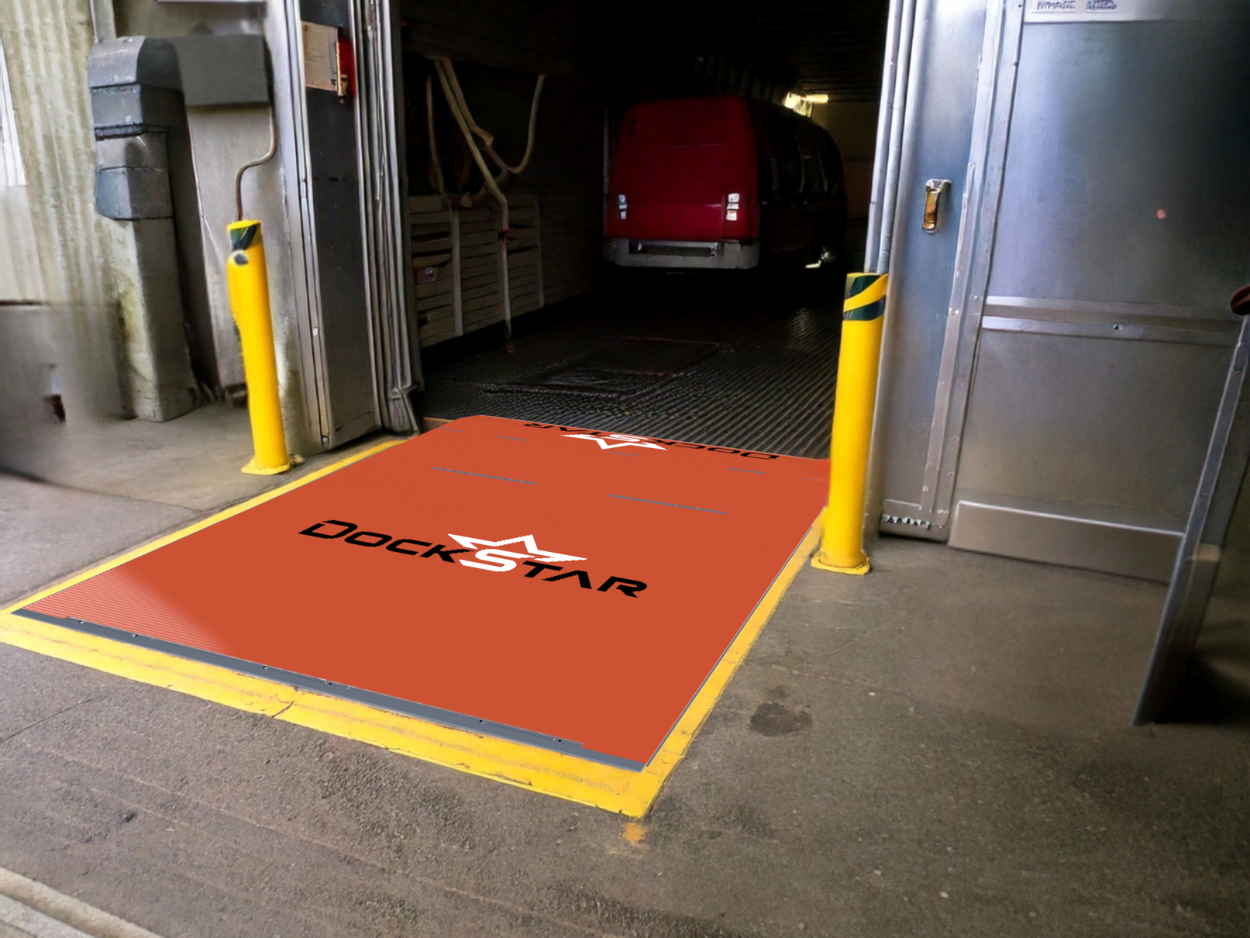
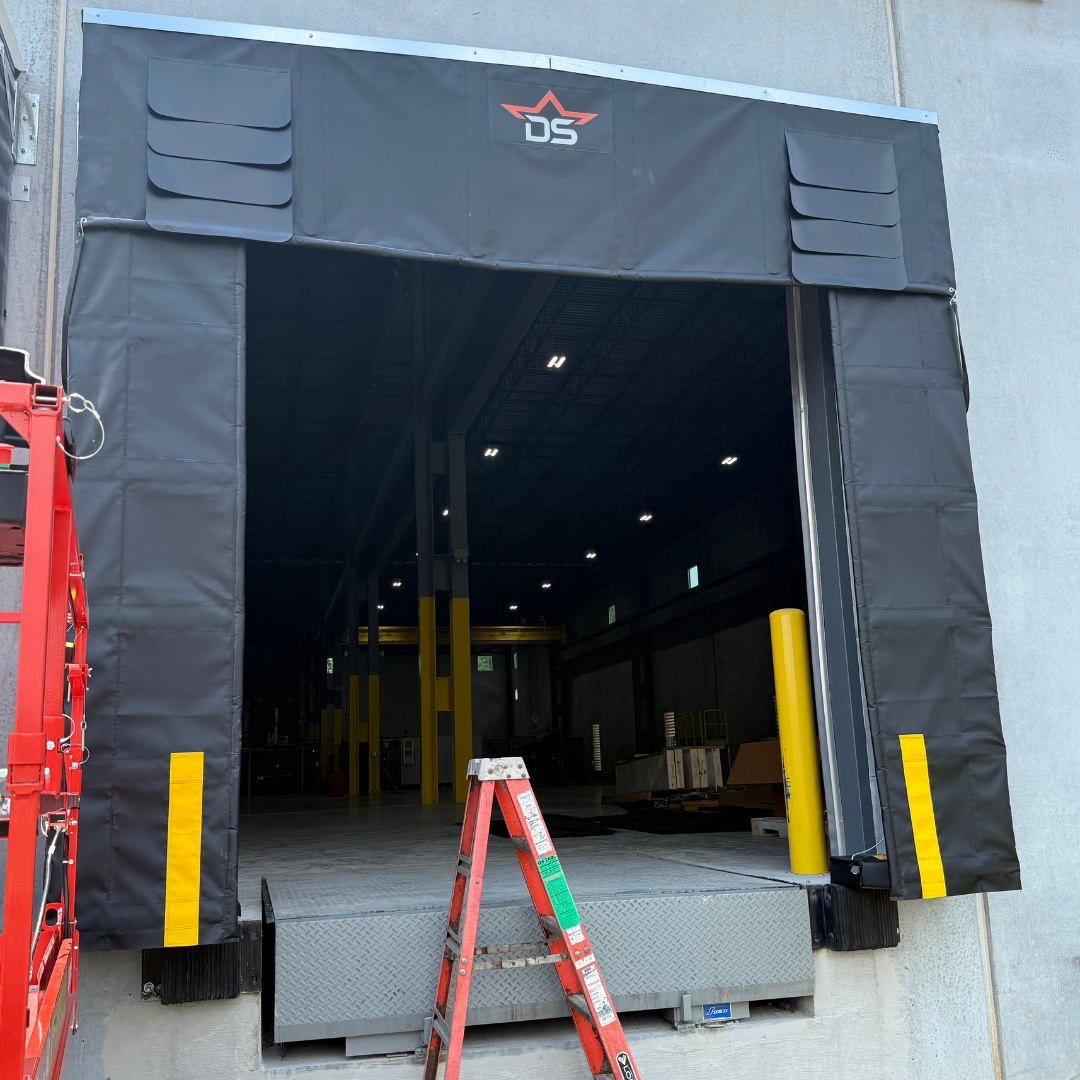
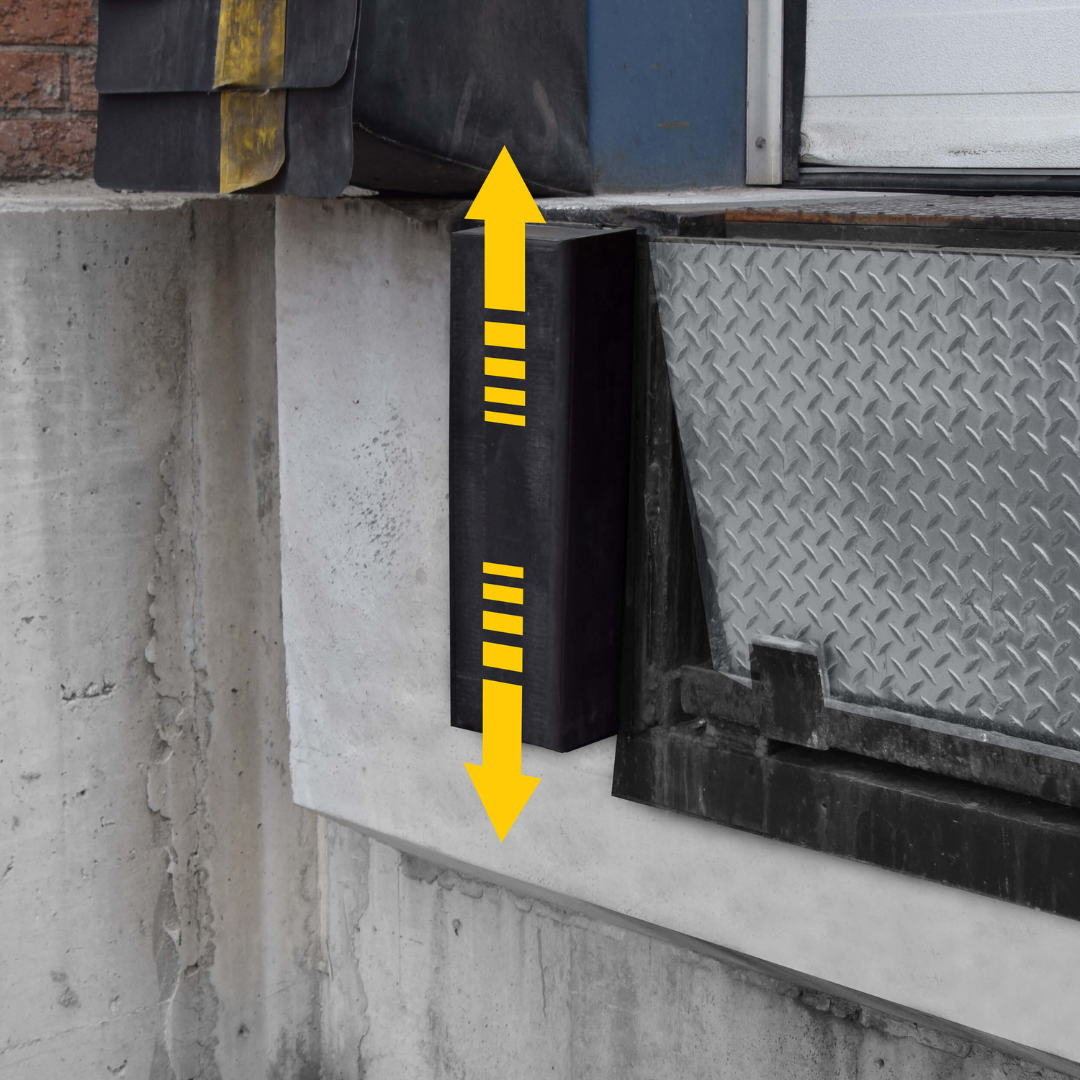
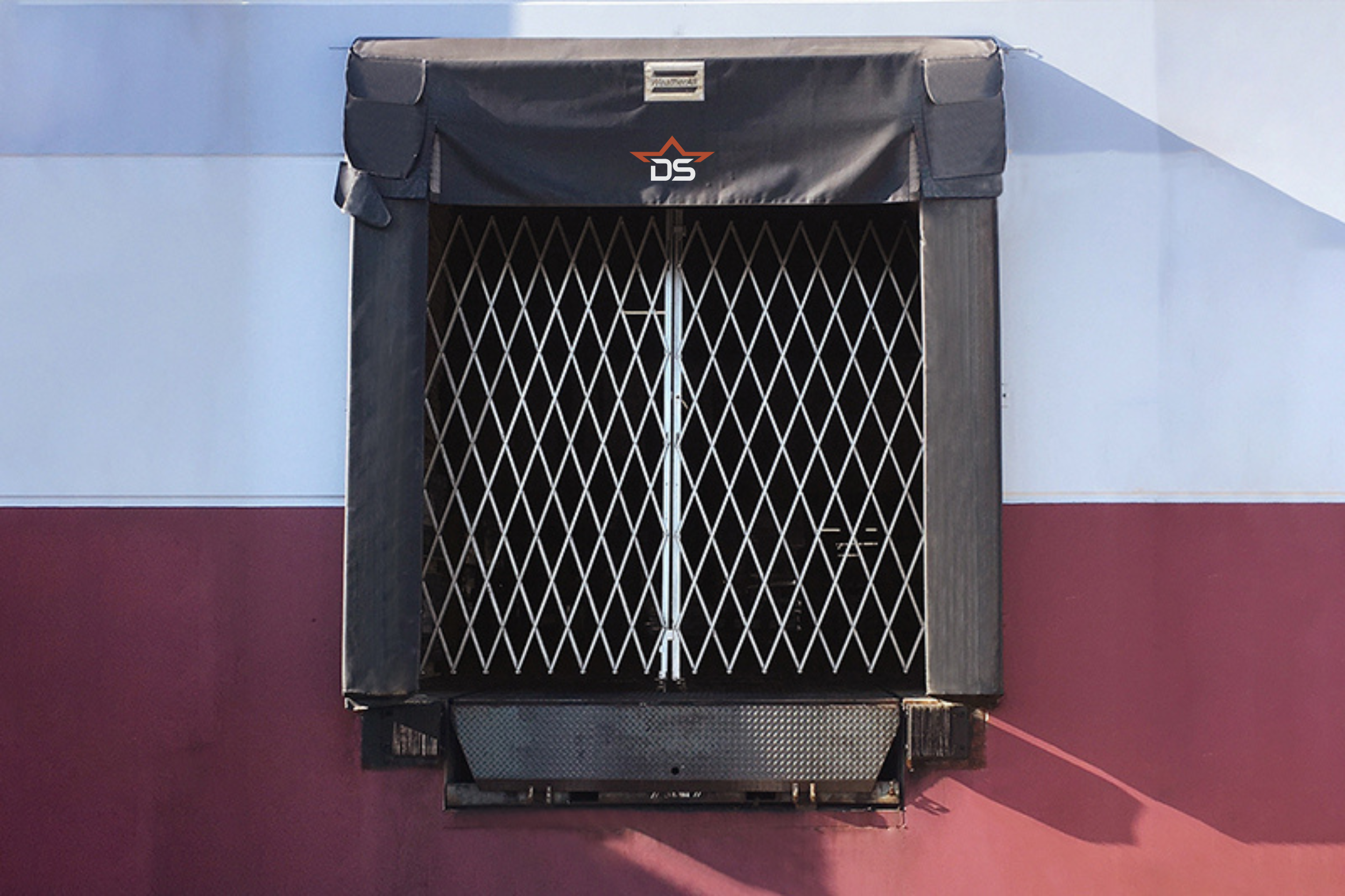
For example, a gemba walk near the loading dock might reveal forklift congestion, poor traffic flow, worn dock equipment, visibility issues, damaged doors, or safety concerns around dock levelers and vehicle restraints.
This makes gemba walks useful for improving productivity, reducing waste, preventing accidents, and finding practical fixes before small issues become bigger problems.
What Happens During a Gemba Walk?
During a gemba walk, leaders observe the work area, talk with employees, and ask questions about the process. The focus should be on learning and improving, not blaming workers.
Common gemba walk questions include:
- What is slowing this process down?
- Where do mistakes or delays usually happen?
- Is the equipment working properly?
- Are there any safety concerns in this area?
- What would make this job easier or more efficient?
The best gemba walks lead to better understanding, better communication, and more informed decisions.
Gemba Walk vs. Regular Inspection
A regular inspection often focuses on checking for problems, compliance issues, or maintenance needs. A gemba walk is broader. It looks at how the work actually flows and how people, equipment, and processes affect each other.
An inspection may find a damaged piece of equipment. A gemba walk may help explain why it keeps getting damaged in the first place.
Key Takeaways
A gemba walk is a hands-on way to understand what is really happening on the floor. In warehouses, manufacturing plants, and loading dock areas, it helps teams identify waste, improve safety, reduce delays, and make better operational decisions.
By going to the actual place where work happens, leaders can solve problems based on real conditions instead of assumptions.

Check out our Solutions!
DockStar Industrial coordinated a large commercial wire mesh storage locker project, including delivery follow-up, supplier coordination, installation planning, site visit support, and final project details for approximately 100 storage lockers.
Read MoreDockStar Industrial supplied and installed a railcar dock seal for an industrial loading door, helping improve weather protection, reduce air and debris intrusion, and support railcar loading operations.
Read MoreDockStar Industrial supplied wire security storage lockers for a new apartment building in Mineola, Long Island. The project included 4' x 4' x 7'-6" tenant storage lockers designed for secure resident storage, bike storage, and efficient storage room organization.
Read More