












When it comes to optimizing your loading dock for efficiency and safety, you’ve likely encountered terms like “pit leveler” and “dock leveler.” While these terms are often used interchangeably, and indeed refer to the same essential piece of equipment, understanding their context and the various types available is crucial for making informed decisions about your facility.
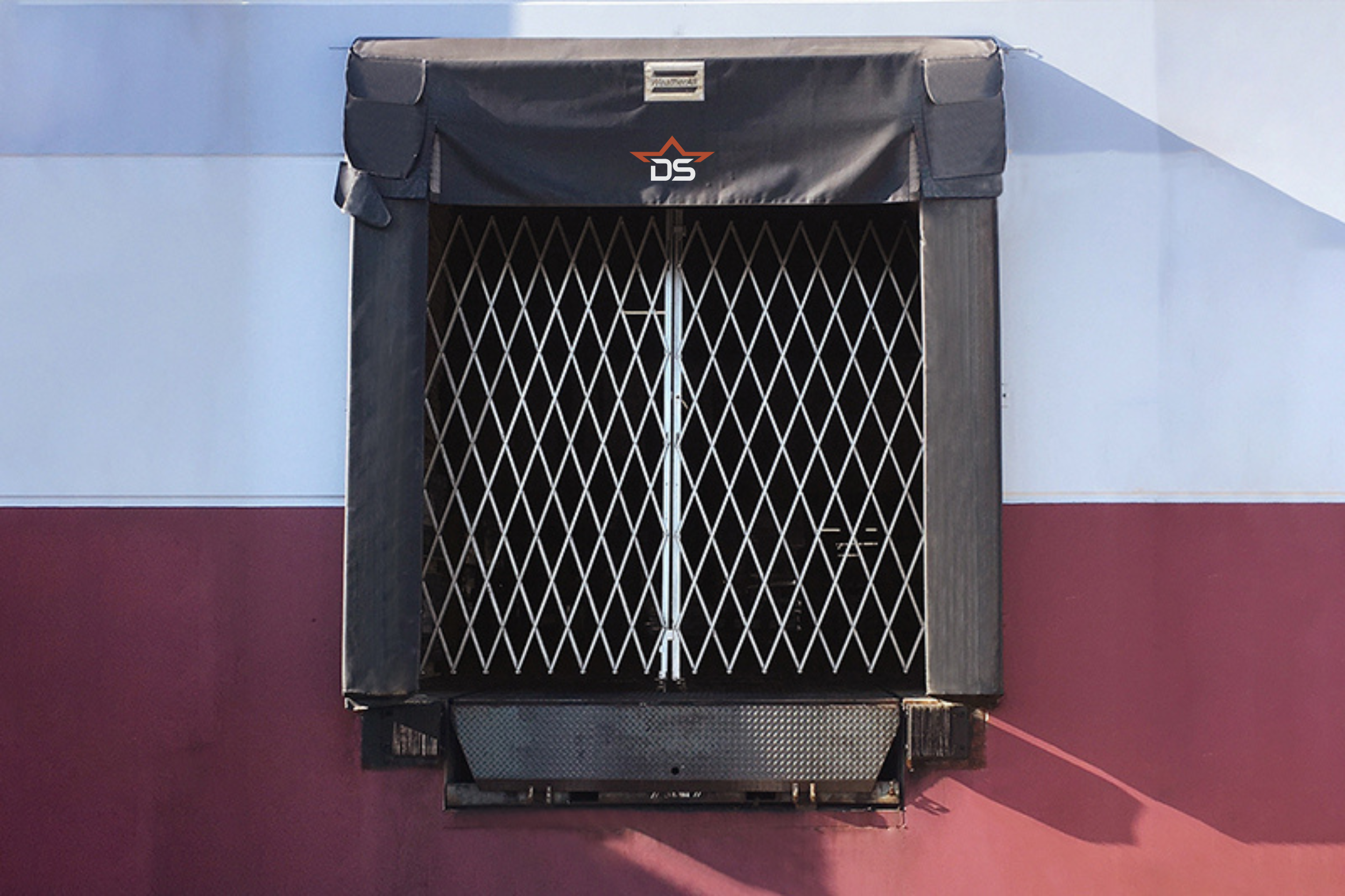
The short answer is: there is no functional difference between a pit leveler and a dock leveler. Both terms refer to the mechanical bridge that closes the gap and height difference between a loading dock and a truck trailer, allowing forklifts and other material handling equipment to safely and efficiently move goods.
So, why the different terminology? It primarily comes down to common usage and a slight emphasis on how the leveler is installed.

Dock Leveler: The General Term
“Dock leveler” is the broader, more encompassing term for this essential piece of loading dock equipment. It refers to any device designed to level the surface between the dock and a truck. This term is widely understood across the industry and is the most common way to refer to these units.
Under the umbrella of “dock leveler,” you’ll find several different types, each suited for various applications and facility requirements:
- Hydraulic Dock Levelers: These are among the most popular due to their smooth operation and ease of use. They use hydraulic cylinders to raise and lower the deck, offering precise control and requiring minimal effort from operators.
- Mechanical Dock Levelers: Operated manually using springs and levers, mechanical levelers are a cost-effective option. While they require more physical effort to operate, they are reliable and don’t require an electrical power source.
- Air-Powered Dock Levelers: Utilizing an airbag system, these levelers offer a clean and efficient alternative to hydraulic systems. They are known for their smooth operation and require less maintenance than some other types.
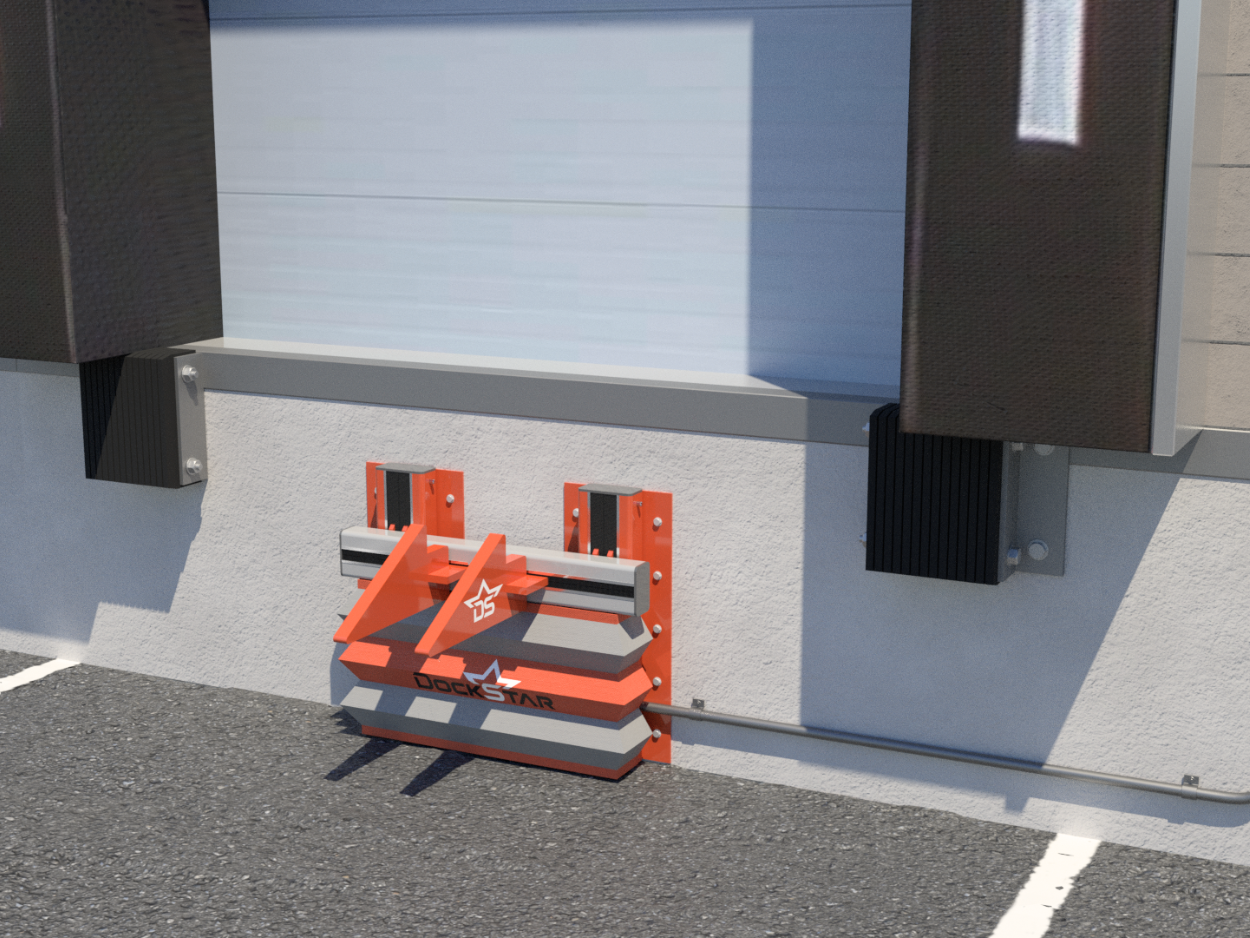
- Edge-of-Dock (EOD) Levelers: Unlike traditional pit-installed levelers, EODs are mounted to the face of the loading dock. They are a good solution for facilities with lower traffic volumes or those that cannot accommodate a pit installation. They are typically less expensive than pit-style levelers but have a more limited working range.
Pit Leveler: Highlighting the Installation Method
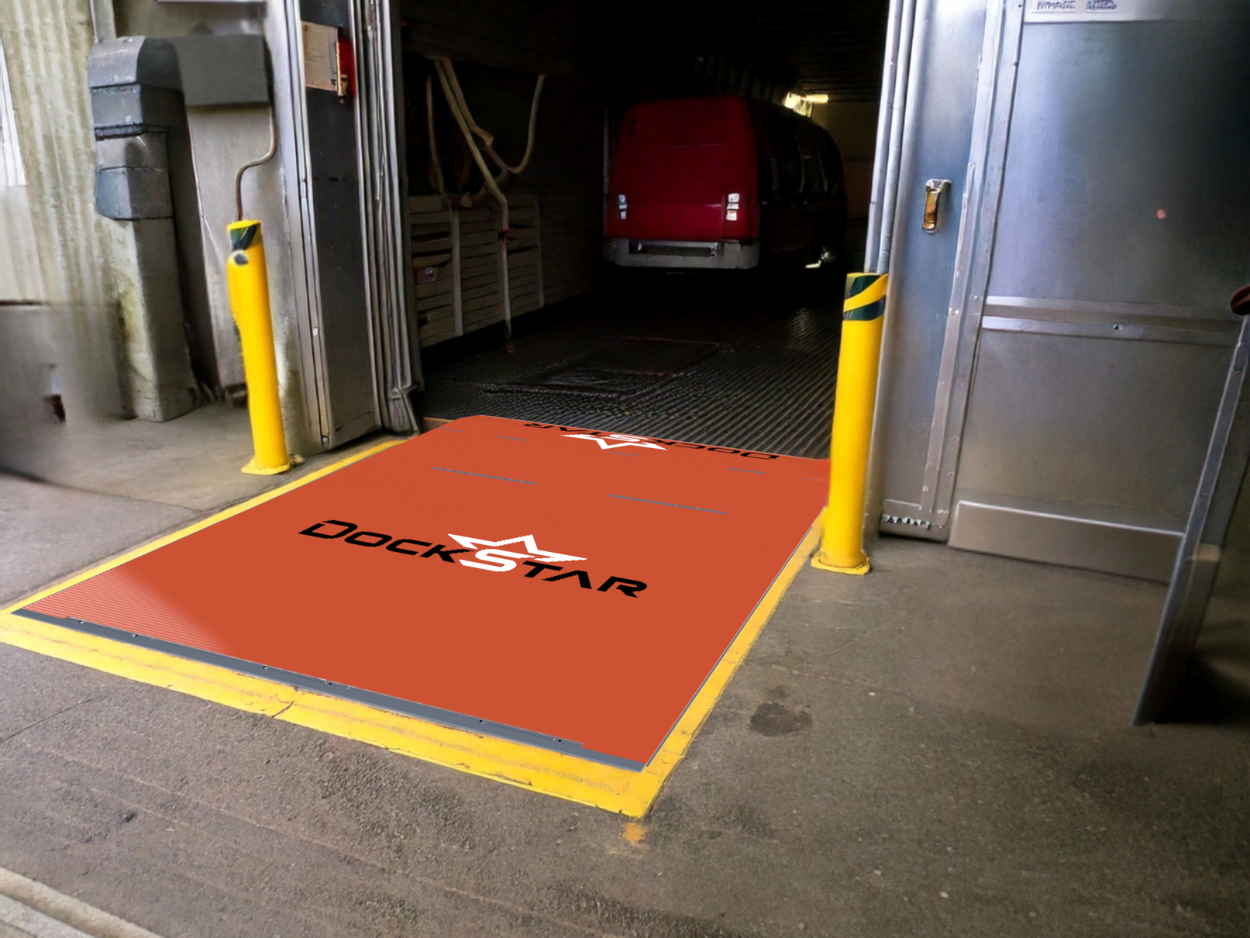
“Pit leveler” specifically refers to a dock leveler that is installed within a pre-constructed recess or “pit” in the loading dock floor. This is the most common and traditional method of installing a dock leveler, allowing the leveler to sit flush with the dock floor when not in use.

The advantages of a pit installation include:
- Flush with the dock floor: When retracted, the leveler is flush with the dock floor, creating a clear and unobstructed pathway for traffic.
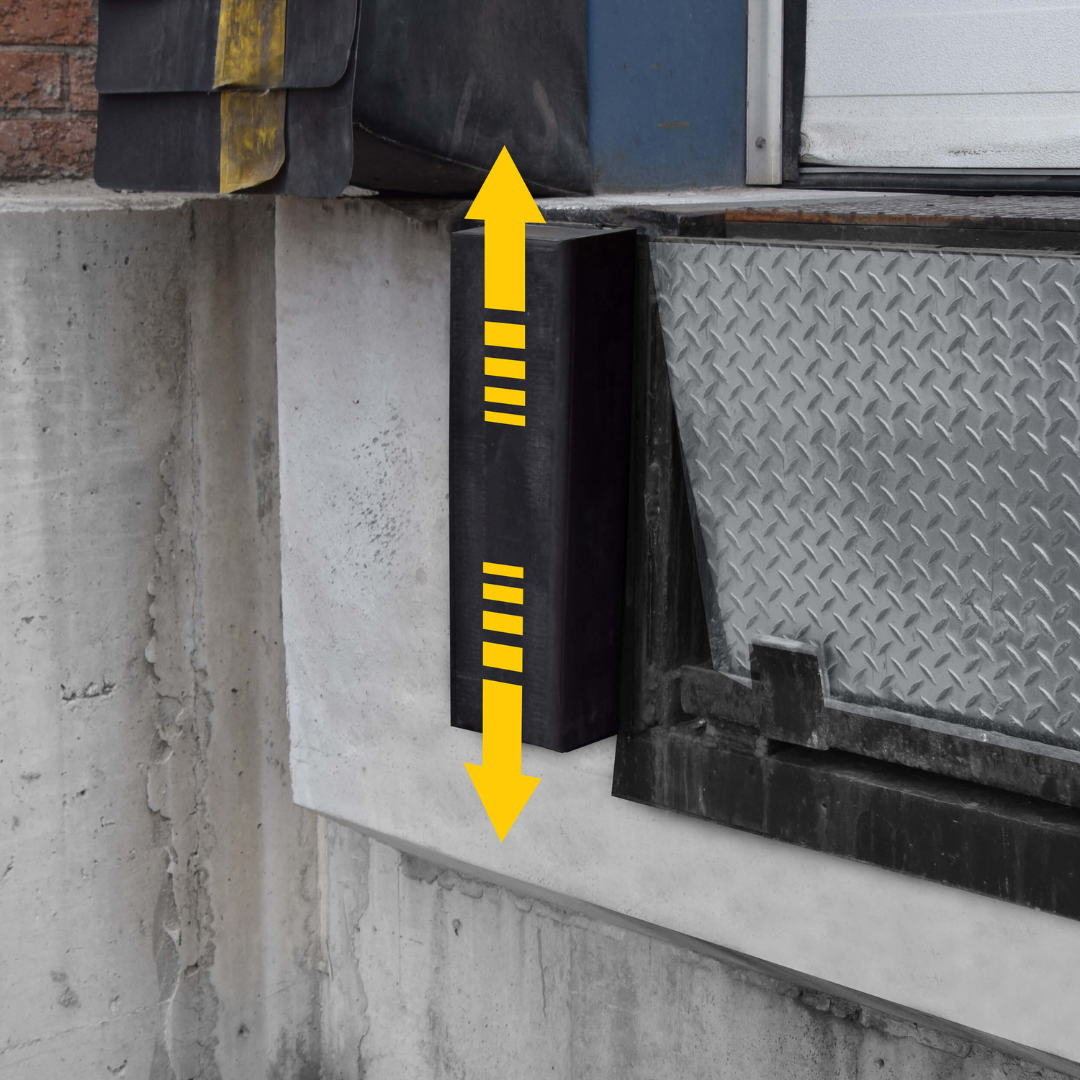
- Maximum working range: Pit levelers typically offer the greatest range of vertical travel, accommodating a wide variety of truck and trailer heights.
- Integrated safety features: Modern pit levelers often come with advanced safety features built into their design and installation.
Key Takeaway: It’s All About Bridging the Gap
Ultimately, whether you call it a “pit leveler” or a “dock leveler,” you’re referring to the critical piece of equipment that ensures safe and efficient material transfer at your loading dock. The choice between different types will depend on factors such as:
- Traffic volume: High-volume operations often benefit from the efficiency of hydraulic pit levelers.
- Budget: EOD levelers or mechanical pit levelers can be more budget-friendly options.
- Facility layout: Existing dock structures or the ability to construct a pit will influence your choice.
- Specific application needs: The types of trucks serviced and the goods being moved can also play a role.
No matter which type you choose, investing in a high-quality, properly installed, and well-maintained dock leveler (or pit leveler!) is paramount for maximizing productivity, preventing costly accidents, and ensuring the smooth flow of your logistics operations.

