














What Is A Dock Leveler?
What is a Dock Leveler?
What Is a Dock Leveler? Types, Uses, and How to Pick the Right One
Picture a busy warehouse on a Monday morning.
Trucks are backing into dock positions one after another, forklifts are queuing up, and the clock is running. Now imagine one of those trailers sits three inches lower than the dock floor.
Without the right equipment bridging that gap, you’ve got a problem—not a minor inconvenience, but a real safety and productivity issue that plays out dozens of times a day.
That’s exactly what a dock leveler is designed to solve.
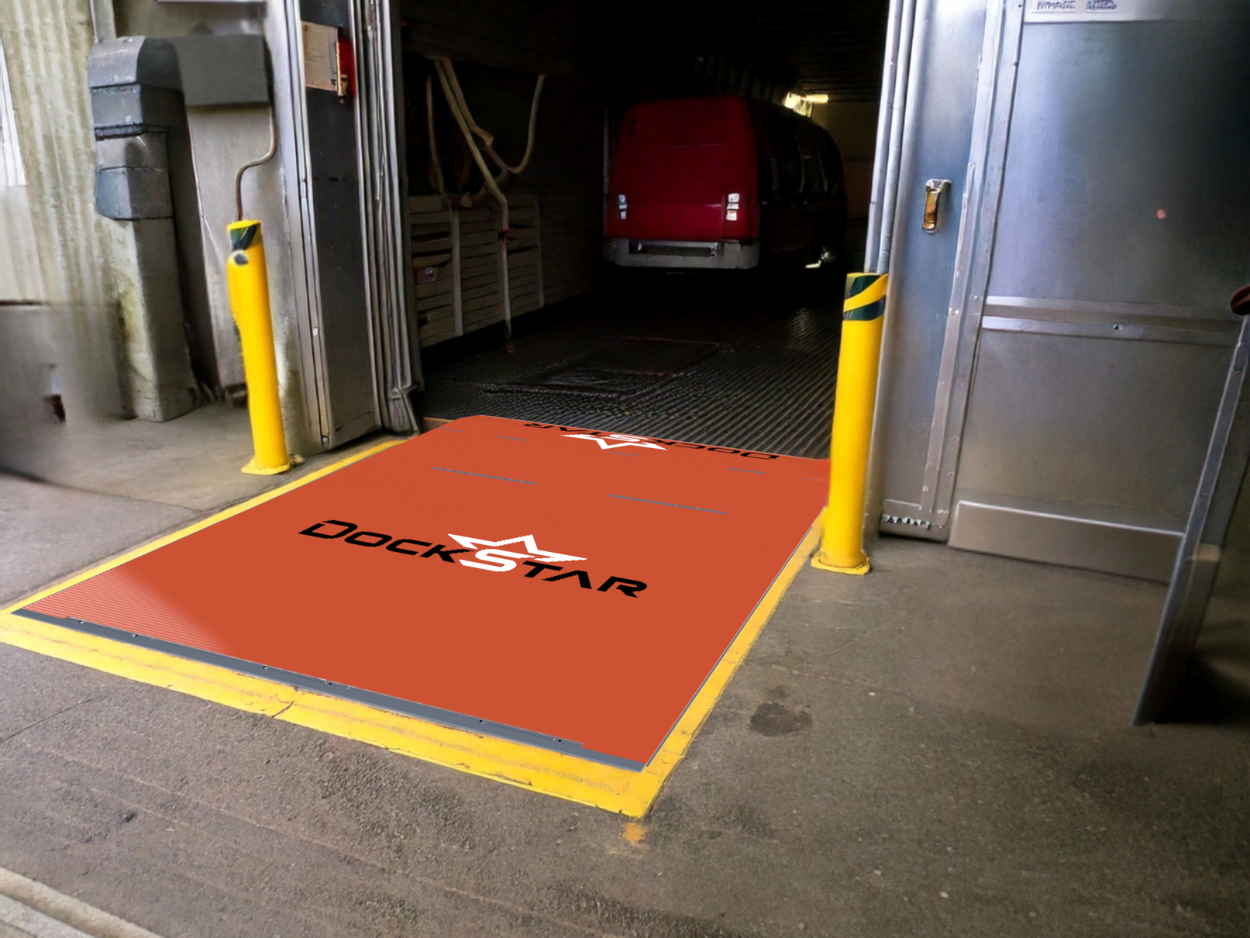
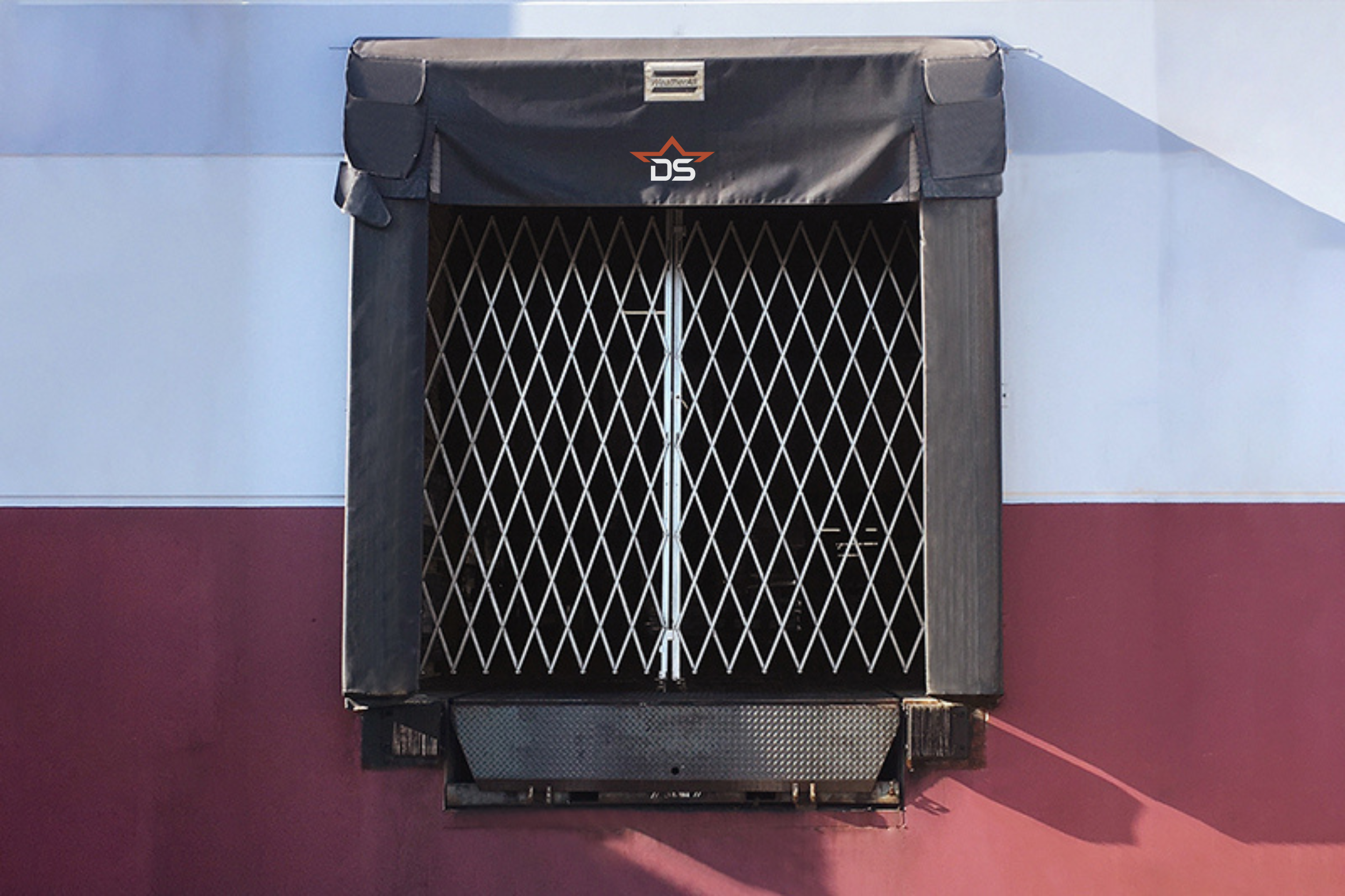
In short, a dock leveler acts as an adjustable bridge between your warehouse floor and the trailer bed.
Because no two trailers sit at exactly the same height, this piece of equipment compensates for those differences and gives forklifts, pallet jacks, and workers a smooth, stable transition to move freight across.
Why It Actually Matters
You could argue that a dock leveler is one of the most overlooked pieces of equipment in a facility—until something goes wrong. Without one, or with the wrong one, you end up with abrupt transitions that beat up your forklifts, shake loose your products, slow down every trailer turn, and wear out your dock system faster than it should.
It’s a bit like trying to push a loaded cart over a curb, repeatedly, all day long. Technically possible.
Practically miserable.
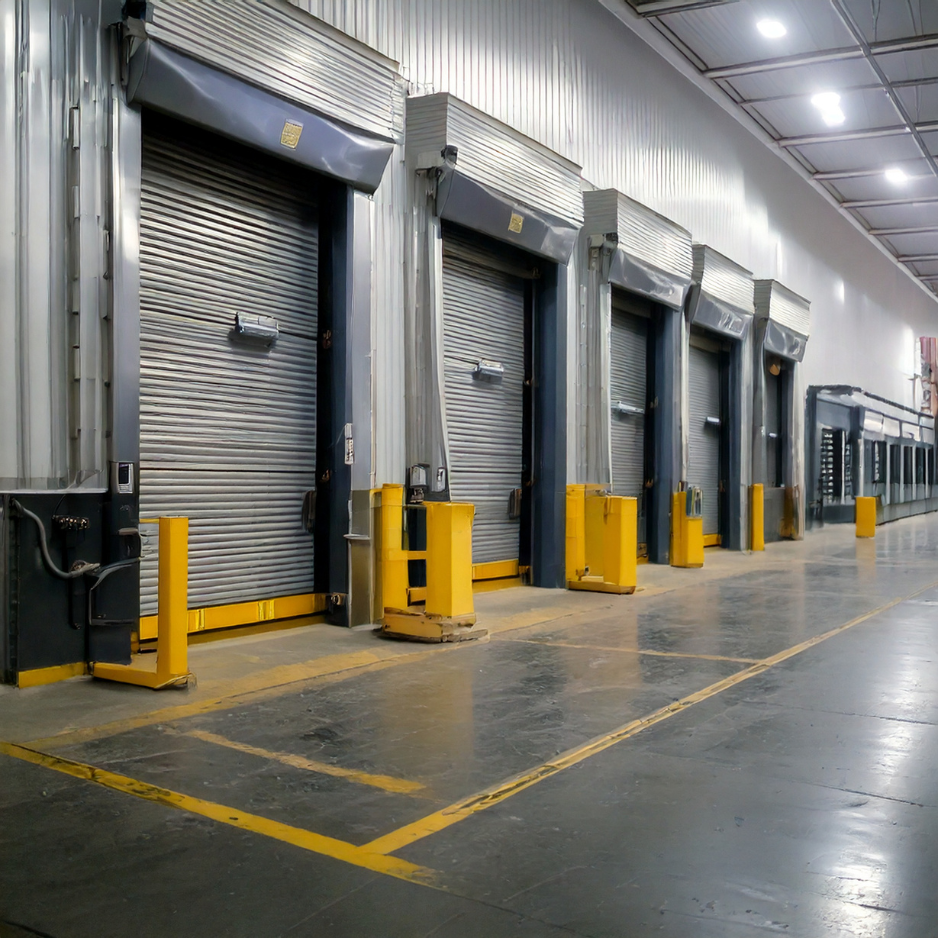
The loading dock is already one of the hardest-working spots in any warehouse or distribution center. Trucks roll in at different heights, equipment crosses back and forth constantly, and the dock has to keep pace without skipping a beat.
A properly matched dock leveler helps absorb the variation—and keeps things moving.
How a Dock Leveler Works
Most dock levelers operate on the same basic principle: a deck and a lip. The deck is the main platform, and the lip extends forward to rest on the trailer floor, creating the bridge.
When a truck backs in, the leveler raises, the lip drops onto the trailer bed, and loading begins.
When the job’s done, the leveler retracts to its stored position until the next truck.
What varies is how that raising and lowering actually happens—and that’s where the different types come in.
Types of Dock Levelers
There’s no universal answer here.
The right type depends on how your dock actually operates day to day—traffic volume, trailer variety, load weights, power availability, and a handful of other factors.
Hydraulic dock levelers are probably the most common choice in high-traffic facilities.
They use powered cylinders and push-button controls, so operators don’t have to do much manual work to get them positioned.
If your dock is busy, if you want consistent performance without relying on physical effort, or if you’re just tired of fighting a manual system, hydraulic levelers are usually worth a serious look.

Mechanical dock levelers take a more traditional approach—spring-assisted, manually activated, no power required. They’re reliable and often more budget-friendly. They make the most sense in moderate-traffic environments where simplicity and durability are the priority.

Edge-of-dock levelers mount to the face of the dock rather than requiring a full pit installation. They’re not designed for every situation, but when a pit isn’t practical—or when traffic is lighter and trailer height variation is manageable—they can be a smart, cost-effective solution.

Air powered dock levelers use pneumatic or air bag systems to raise the deck. Think of them as the middle ground between manual and hydraulic. They offer powered operation without a traditional hydraulic setup, which can be appealing depending on the facility’s maintenance preferences or infrastructure.

Vertical storing dock levelers do something a bit different: instead of sitting flat in the pit when idle, they store in an upright position. That might sound like a minor design detail, but for facilities with strict cleanliness requirements—food processing, pharmaceuticals, temperature-controlled environments—keeping the pit accessible and the dock door sealed properly can matter quite a bit.

Tri-Pivot dock levelers represent a more advanced design in DockStar’s lineup. The three-pivot-point system and lay-flat lip are engineered to create a smoother, more consistent transition across varying trailer conditions. For operations where transition quality really matters—where you’re running heavy equipment in and out all day and can’t afford rough crossings—this type of leveler stands out from conventional options.

How to Choose the Right One
Honestly, the best way to approach this is to stop thinking about price first and start thinking about how your dock actually operates. A cheaper leveler that’s wrong for the environment will cost more in the long run.
A few questions worth asking:
How many trucks does each dock position handle per day?
What kind of equipment crosses the leveler—and how heavy is it?
Does your facility see a wide range of trailer heights, or is it fairly consistent?
Is a pit installation even an option, or does the site require a different approach?
Does your team prefer push-button operation, or is manual activation fine?
Are there environmental or cleanliness factors that affect which design makes sense?
The answers usually point fairly clearly toward one direction.
Signs You Might Need an Upgrade
Sometimes a dock leveler isn’t failing outright—it’s just not working as well as it should.
Watch for rough or jarring forklift transitions, frequent service calls and recurring maintenance headaches, visible wear or structural fatigue, poor performance with newer trailer styles or changing height ranges, and operators complaining about usability or safety.
When those issues become the norm rather than the exception, it’s usually a sign the current setup has run its course.
Don’t Skip Maintenance
Even a great dock leveler will let you down if it’s neglected.
Loading docks are high-demand environments, and small problems compound quickly. Regular inspection should cover the deck and lip condition, pivot points and moving parts, signs of unusual wear, hydraulic or pneumatic components where applicable, and overall alignment and corrosion.
A good maintenance routine won’t just extend the leveler’s service life—it’ll also support safer operation and fewer unplanned surprises.
A dock leveler may not be the flashiest piece of equipment in your facility, but in terms of day-to-day impact, it’s hard to overstate how much the right one matters. Smoother transitions, safer docks, less wear on your equipment—it all starts with a leveler that’s actually matched to how your operation runs.
To explore available options and configurations, visit our loading dock levelers page.
