














Essential Material Handling Safety
The material handling industry is undergoing a significant transformation, driven primarily by a heightened focus on worker safety. As regulations become more stringent and awareness grows, businesses are increasingly prioritizing solutions that minimize workplace injuries and improve overall efficiency.
The Importance of Material Handling Safety
For instance, companies are investing in training programs that educate employees about the best practices in material handling, including lifting techniques and the correct use of equipment. Additionally, adopting new technologies, such as inventory management systems, helps streamline operations and reduce human error.

Ergonomics is Paramount:
Focus: Reducing musculoskeletal disorders (MSDs) like back injuries, which are prevalent in manual material handling.
Examples: Implementing sit-stand desks in warehouses or using tools that require less force can significantly enhance ergonomics.
Focus: Reducing musculoskeletal disorders (MSDs) like back injuries, which are prevalent in manual material handling.
Examples: Implementing sit-stand desks in warehouses or using tools that require less force can significantly enhance ergonomics.
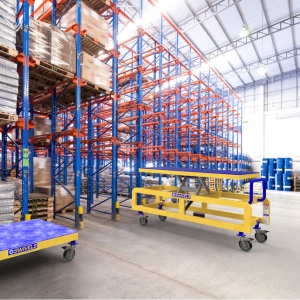
Solutions: Ergonomic carts with features like adjustable handles, cushioned grips, and low lift heights are essential. Further, incorporating regular ergonomic assessments can help identify and mitigate risks before they lead to injuries.
Automation on the Rise:
Focus: Automating repetitive tasks to reduce strain on workers and improve accuracy.
Examples: Automated guided vehicles (AGVs), robotic arms, and conveyor systems are gaining traction.
Focus: Automating repetitive tasks to reduce strain on workers and improve accuracy.
Examples: Automated guided vehicles (AGVs), robotic arms, and conveyor systems are gaining traction.
These systems not only enhance safety by taking on hazardous tasks but also allow workers to focus on more complex duties that require human judgment.
Visibility and Awareness:
Focus: Enhancing visibility of both workers and equipment within the warehouse environment.
Solutions: Implementing clear traffic lanes, using high-visibility materials on industrial carts, and providing adequate lighting are crucial.
Focus: Enhancing visibility of both workers and equipment within the warehouse environment.
Solutions: Implementing clear traffic lanes, using high-visibility materials on industrial carts, and providing adequate lighting are crucial.
Regular safety audits can further identify areas for improvement in visibility and signage.
Training and Education:
Focus: Equipping workers with the knowledge and skills to safely operate equipment and handle materials.
Solutions: Regular safety training programs, proper equipment demonstrations, and ongoing education initiatives are vital.
Focus: Equipping workers with the knowledge and skills to safely operate equipment and handle materials.
Solutions: Regular safety training programs, proper equipment demonstrations, and ongoing education initiatives are vital.
Incorporating virtual reality (VR) training can simulate real-world scenarios, allowing workers to gain experience without risk.
Swivel’s Commitment to Safety:
At Swivels Custom, we understand the critical role that safety plays in modern material handling. Our commitment to innovation is reflected in our:
Ergonomically Designed Carts: We prioritize features that minimize strain on workers, such as adjustable handles, comfortable grips, and low lift heights in our custom industrial carts. Our design process involves input from safety experts to ensure compliance with the latest safety standards.
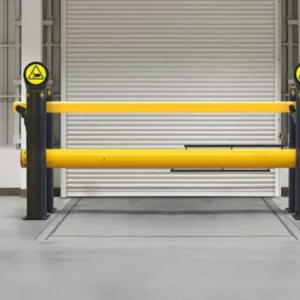
Customization Options: We offer a wide range of customization options to ensure that our material handling carts (including pallet dollies, hand trucks, and other rolling carts) perfectly suit your specific needs and operational requirements. For example, adding extra shelving or safety barriers to carts can enhance functionality and safety.
Focus on Durability and Reliability: Our heavy-duty carts are built to withstand the rigors of daily use, minimizing the risk of equipment failure and potential injuries. We conduct rigorous testing on our products to ensure they perform optimally in various conditions.
Looking Ahead:
The future of material handling carts lies in a continued focus on safety, efficiency, and sustainability. By embracing innovative solutions and prioritizing worker well-being, businesses can create a safer and more productive workplace while navigating the evolving regulatory landscape. Furthermore, as technology advances, we anticipate further developments in smart carts that can communicate with other devices to enhance safety and efficiency.

Real-World Case Studies:
To highlight the importance of material handling safety, let’s look at some real-world examples.
Company A implemented a new training program emphasizing safe lifting techniques and saw a 30% reduction in workplace injuries within six months. Additionally, Company B invested in ergonomic equipment, which not only improved employee satisfaction but also led to a noticeable increase in productivity.
Such case studies demonstrate that a commitment to safety can yield significant benefits for both workers and organizations.
Impact of Safety Regulations:
The role of safety regulations in the material handling industry cannot be overstated.
For instance, OSHA guidelines set forth specific requirements that companies must follow to ensure worker safety. By adhering to these regulations, businesses not only protect their employees but also open the door to potential insurance savings and improved reputation in the market.
Compliance can be seen as a long-term investment that ultimately pays off through reduced incidents and liability claims.
Understanding Material Handling Safety:
Ensuring effective measures and practices in material handling safety can significantly reduce risks and enhance worker protection.
Conclusion:
In conclusion, prioritizing material handling safety is essential for any organization involved in the handling of goods.
As the industry evolves, staying ahead of safety trends and regulations will not only protect employees but also enhance operational efficiency. By investing in ergonomic solutions, automation, training, and compliance with safety standards, companies can create a safer working environment while achieving their business goals.
The focus on material handling safety is not just a legal obligation but a moral one, contributing to the overall well-being of the workforce.