












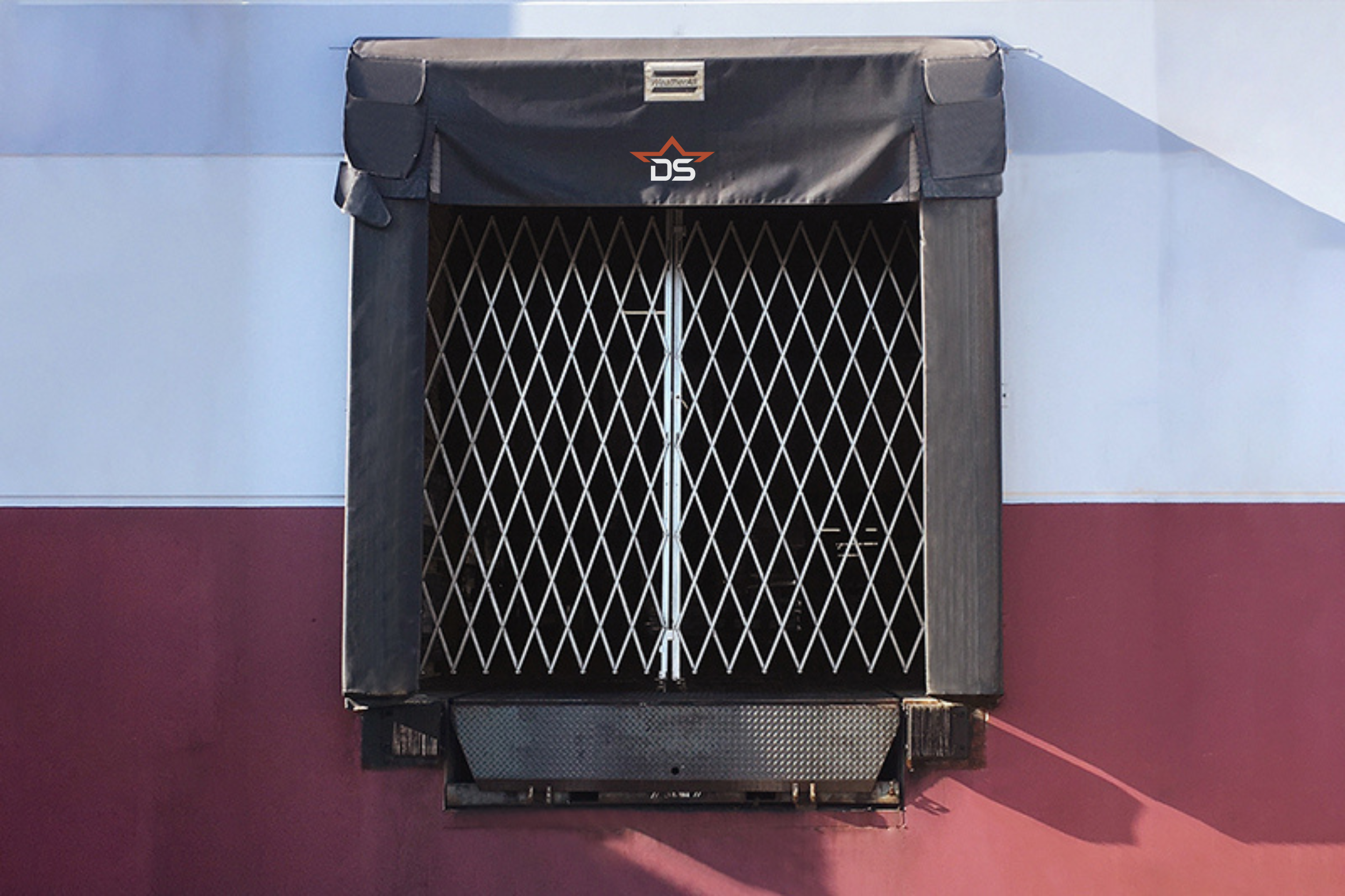


Dock Seals vs. Dock Shelters: What Is the Difference?
Dock seals and dock shelters both help close the gap between a trailer and a loading dock, but they work differently. Dock seals use compressed foam pads to create a tight seal, which can work well when trailer sizes are consistent but may reduce usable space inside the trailer opening. Dock shelters use flexible curtains that contact the outside of the trailer, helping preserve full-width access during loading and unloading. The best choice depends on the facility’s trailer sizes, dock traffic, forklift activity, driver alignment, and the condition of the existing equipment. Before replacing an old seal or shelter, facilities should evaluate how the dock is actually used rather than automatically installing the same type of product again.
Dock Seals and Dock Shelters
Dock seals and dock shelters are both used to close the gap between a trailer and a loading dock, but they work in very different ways. Because of that, one may fit a facility better than the other depending on the trailer sizes, loading process, and amount of access needed inside the trailer.
This is an important difference to understand before replacing old dock equipment. Many facilities simply install the same type of product that was already on the building without stopping to ask whether it still fits the way the dock is being used.
How a Dock Seal Works
A dock seal is normally made from a foam frame with cushion pads installed along the sides and top of the dock opening. When a trailer backs into the dock, it presses against those pads and compresses the foam.
That compression creates a tight seal around the trailer. For facilities with consistent trailer sizes, this can be a useful application.
However, the foam pads can compress into the trailer opening. Depending on the size of the seal and the trailer, this may reduce the usable width inside the opening and sometimes get in the way during loading and unloading.
This can become more noticeable when forklifts are working near the trailer walls or when wider loads need to move through the opening.


How a Dock Shelter Works
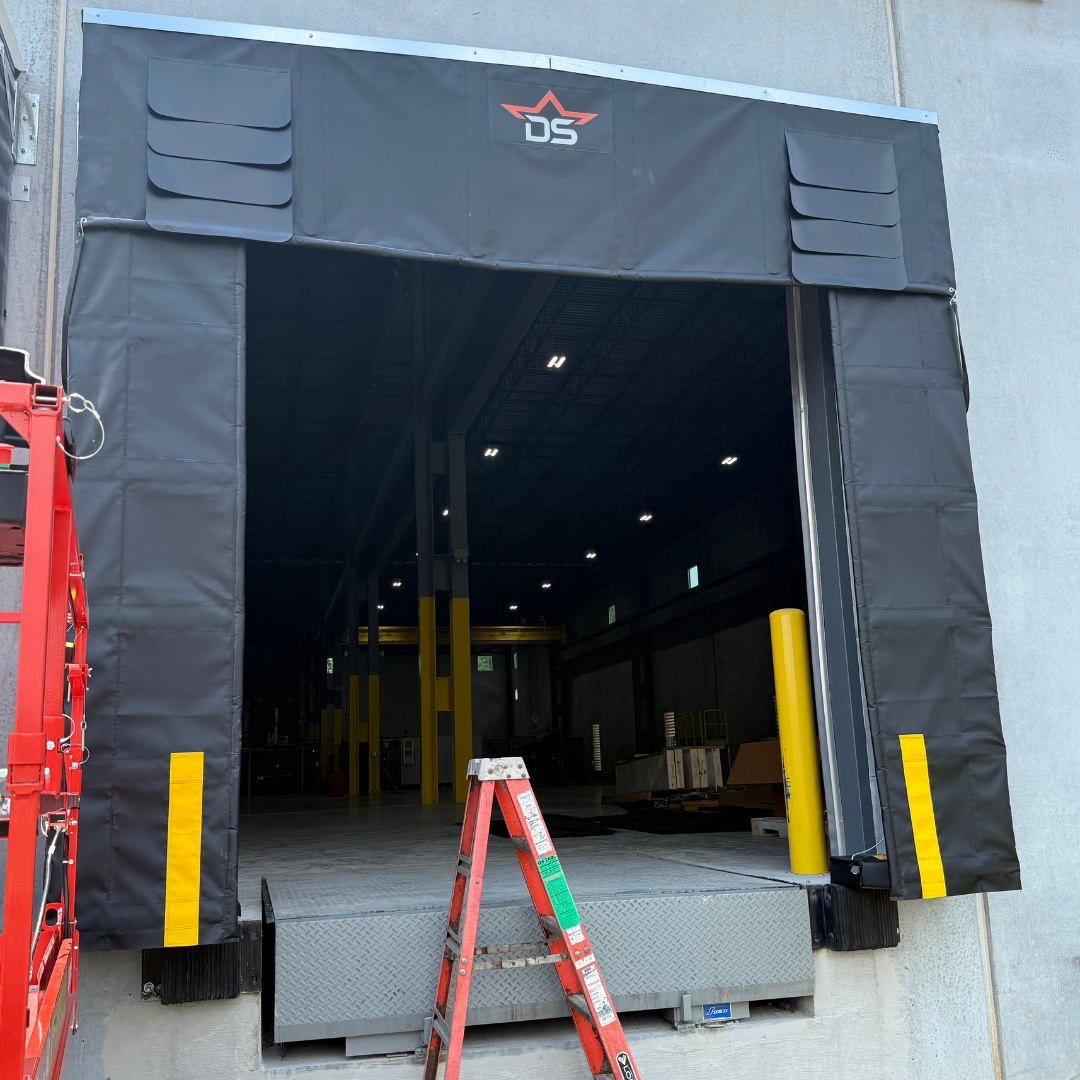
A dock shelter works differently. Instead of having the trailer compress large foam pads, the trailer backs through flexible side and top curtains.
Those curtains swipe along the outside of the trailer as it enters the dock. Because the curtains make contact with the outside of the trailer rather than pushing into the opening, the loading team keeps full-width access.
This is one of the biggest reasons a company may choose a dock shelter over a dock seal. The trailer opening remains more open, and there are no large foam pads reducing the usable space during loading and unloading.
When a Dock Seal May Make Sense
A dock seal may be a good fit when the facility wants a tight compression seal and the trailers using the dock are fairly consistent in size.
It can also make sense when the facility is comfortable with some foam compression around the trailer opening and does not need the full inside width at all times.
That said, an old dock seal still needs to be inspected like any other piece of loading dock equipment. Torn covers, exposed foam, missing head pads, and heavily compressed sections are all signs that the seal may no longer be performing properly.
In the photos shared, the older dock seal has exposed foam, torn curtains, and a missing head pad. At that point, the product is simply worn out and needs to be replaced if the facility wants to continue using a dock seal application.
When a Dock Shelter May Make Sense
A dock shelter may be the better choice when full-width trailer access is important.
Because the curtains swipe along the trailer instead of compressing into the opening, workers and equipment have more room during loading and unloading. This can be especially useful at busy docks or operations handling different trailer sizes.
However, not every dock shelter is built the same way. Traditional rigid-frame shelters can still create maintenance problems when trucks regularly back in off-center.
That is why choosing between a dock seal and a dock shelter is only the first decision. The next question is which type of shelter makes sense for the operation.
Look at the Way the Dock Is Actually Used
The best product depends on the daily loading process, not just what is currently installed on the wall.
Before replacing a seal or shelter, it helps to look at:
- The range of trailer sizes using the dock
- Whether full-width access is important
- How often forklifts work near the trailer walls
- How frequently drivers come in off-center
- The amount of daily dock traffic
- The current condition of the existing equipment