


















Dock to Stock
Definition: Dock to Stock is the measurement of how long it takes for materials or products to move from the receiving dock to being fully available in inventory. It reflects the efficiency of inbound operations and how quickly goods transition from arrival to usable stock.
Dock to stock highlights the speed and effectiveness of receiving processes. A shorter dock to stock cycle means products are available for use or order fulfillment faster, while a longer cycle can point to inefficiencies such as delays in unloading, inspections, or putaway. Businesses that focus on improving dock to stock often see benefits in reduced costs, better throughput, and improved inventory accuracy.

Why Dock to Stock Matters
Dock to stock is a critical performance metric that directly impacts productivity, inventory visibility, and order fulfillment speed. Goods that sit idle at the dock cause congestion, increase labor costs, and slow down downstream operations. Improving this metric ensures that products are inspected, labeled, and stored quickly so they can be accessed without delay.
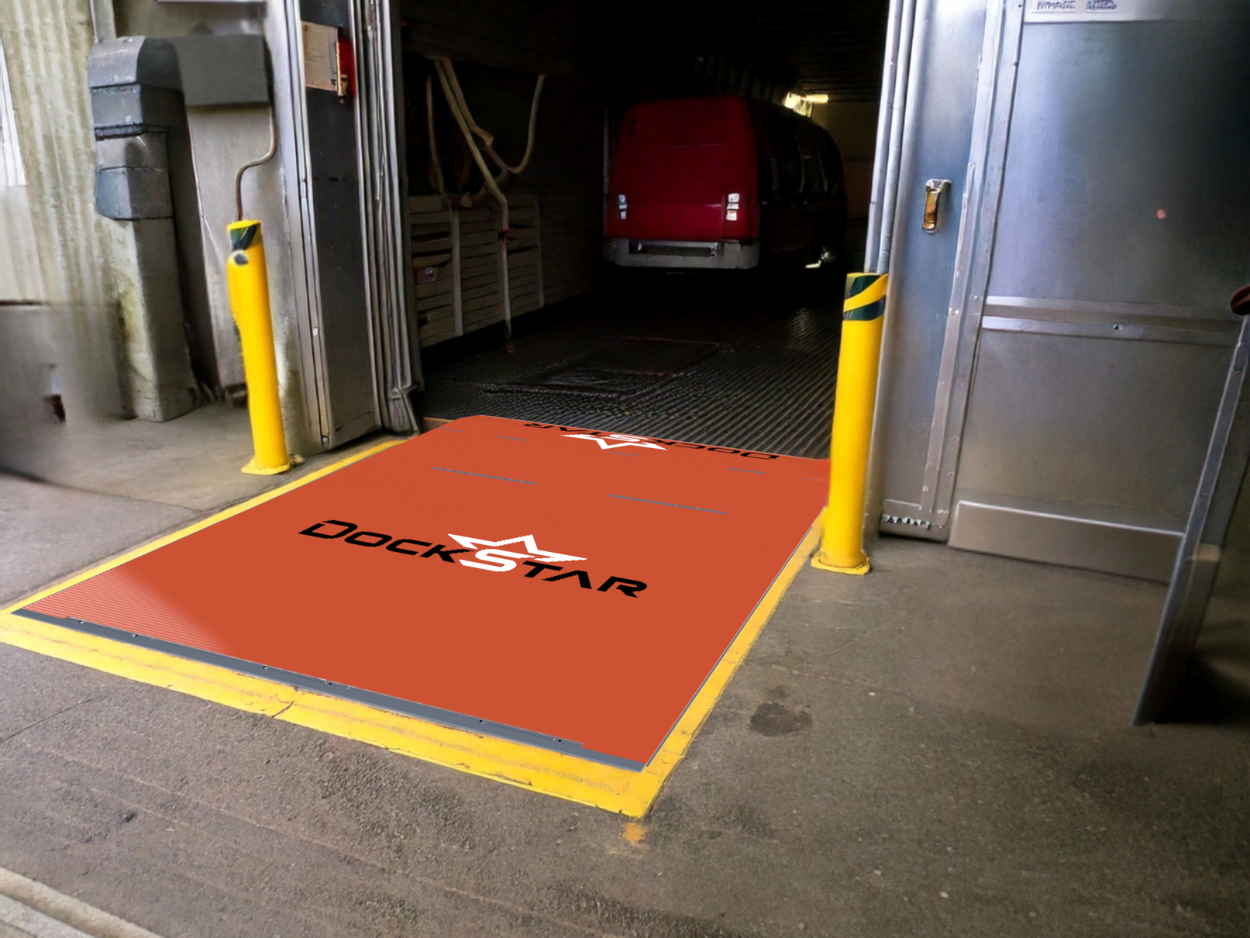
Many companies rely on equipment like trailer unloaders and Dock Levelers to accelerate unloading, while automation systems and barcoding help streamline receiving and putaway. By focusing on dock to stock, businesses reduce errors, improve dock flow, and free up space for faster turnaround.
Key Statistics
- Best-in-class operations often achieve dock to stock times of under 2 hours.
- Average facilities may take 6–24 hours, creating bottlenecks for order fulfillment.
- A 20% reduction in dock to stock improves inventory accuracy and reduces labor costs.
- Companies that consistently improve this metric report faster order processing and stronger customer satisfaction.
Relevant KPIs
- Average Dock to Stock: Total dock-to-stock hours ÷ Number of loads received
- First Pass Yield: Percentage of receipts processed without errors or rework
- Putaway Accuracy: Correct placement of received items on the first attempt
Key Takeaways
Dock to stock is one of the most important inbound performance measures. Reducing the time it takes to move goods from the dock into stock lowers costs, improves efficiency, and speeds up order fulfillment. Businesses that optimize this metric through improved processes and equipment see measurable gains in productivity.
Explore related concepts in Cross-Docking.

Check out our Solutions!
DockStar Industrial supplied and installed a railcar dock seal for an industrial loading door, helping improve weather protection, reduce air and debris intrusion, and support railcar loading operations.
Read MoreDockStar Industrial supplied wire security storage lockers for a new apartment building in Mineola, Long Island. The project included 4' x 4' x 7'-6" tenant storage lockers designed for secure resident storage, bike storage, and efficient storage room organization.
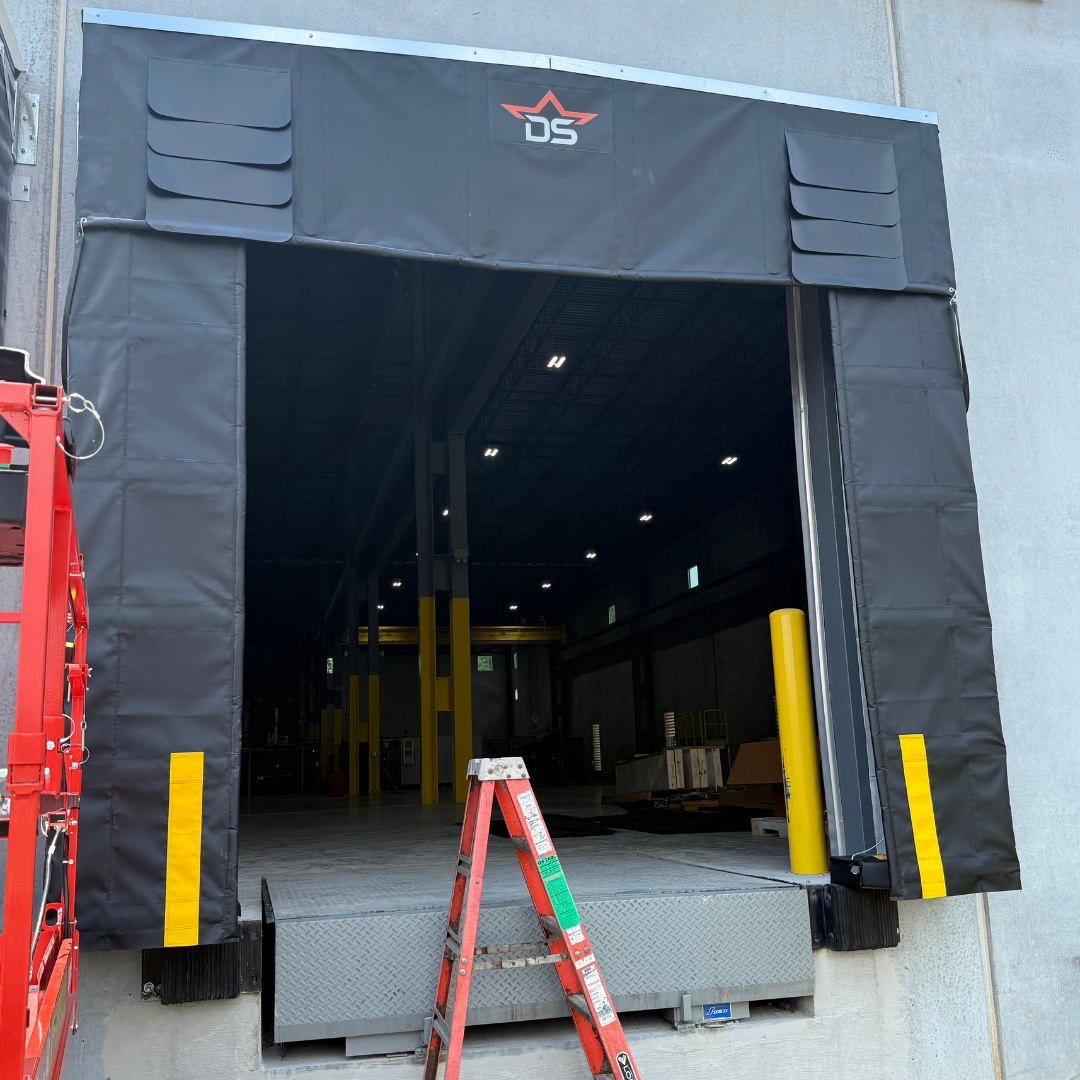
Read MoreDockStar Industrial replaced a damaged rigid frame dock shelter with a foam frame dock shelter at an S2 loading dock in Georgetown, Kentucky. The project improved dock protection, reduced trailer impact damage, and provided a better seal for loading dock operations.
Read More