















Capacity Planning
Definition:
(noun): The process of aligning warehouse resources—like dock doors, labor, and equipment—with expected freight demand to keep operations running smoothly.
What It Means in a Busy Loading-Dock Operation
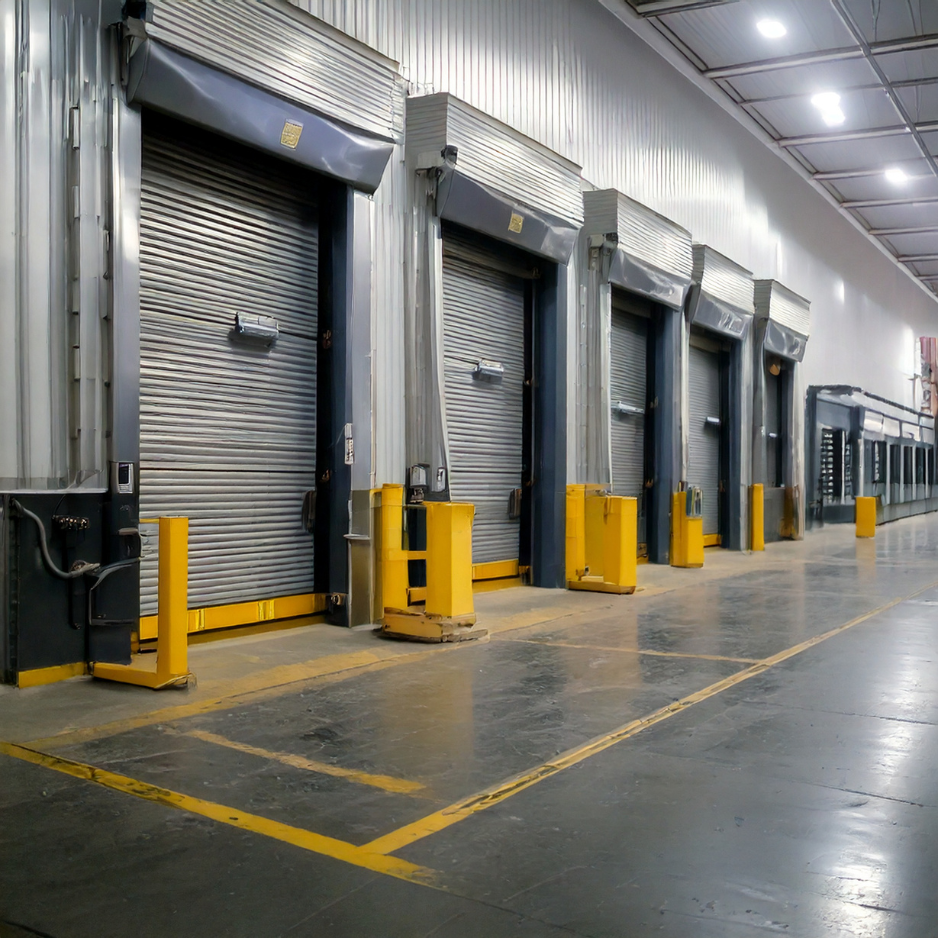
For facilities with steady or fluctuating freight volumes, this process ensures the right resources are available at the right time. That means enough dock spaces when trucks arrive, enough staff to move goods, and the right equipment ready to go. It helps prevent backups, avoid detention fees, and keep the entire flow efficient from check-in to departure.

Why Operations Teams Prioritize It
- Reduces loading/unloading delays and dock congestion
- Helps avoid missed shipping windows or overflow situations
- Improves team scheduling and resource utilization
Key Areas to Monitor
Dock and Yard Availability
Knowing how many trailers you can process at once—and when—is crucial to avoid bottlenecks at busy times.
Labor and Shift Coverage
Matching staffing levels to projected volume keeps throughput steady and minimizes overtime or underuse.
Equipment Readiness
Forklifts, pallet jacks, staging areas—all need to be accounted for to prevent slowdowns on the floor.
Carrier Flow
Inbound and outbound traffic should be staggered and predictable, ideally supported by appointment systems or TMS integrations.
Performance Benchmarks
- Dock Utilization: A healthy range is 85–95% during peak shifts
- Trailer Dwell Time: Optimized operations can reduce wait times by 25–40%
- On-Time Departure Rate: Increases when people, space, and flow are properly synced
FAQs
1. Why is this important for warehouse efficiency?
It keeps freight moving without disruption, making sure trucks aren’t stacking up in the yard and workers aren’t idle or overwhelmed.
2. Can small warehouses benefit from it?
Absolutely. Even small teams need to stay ahead of spikes in volume and limited dock space—planning helps avoid costly surprises.
3. What tools are used for managing this process?
Many teams start with spreadsheets or WMS platforms, while more advanced operations use integrated scheduling and load-balancing software.
4. What happens if it’s ignored?
You risk missed pickups, carrier complaints, increased labor costs, and lost productivity across your facility.
5. How often should you review resource availability?
Some do this weekly, while others assess daily during peak season. The more volatile your volume, the more often you should reassess.
6. Does it help with carrier relationships?
Yes—when carriers experience faster turnarounds and fewer delays, they’re more likely to prioritize your facility in the future.
Key Takeaways
Planning around space, time, and workforce is essential to keeping busy loading docks on schedule. When teams know what’s coming and prepare accordingly—whether that’s adjusting staffing levels, booking dock appointments, or repositioning trailers—everything runs smoother. Done right, it reduces waste, improves throughput, and creates a more predictable, cost-effective operation.

Check out our Solutions!
DockStar Industrial coordinated a large commercial wire mesh storage locker project, including delivery follow-up, supplier coordination, installation planning, site visit support, and final project details for approximately 100 storage lockers.
Read MoreDockStar Industrial supplied and installed a railcar dock seal for an industrial loading door, helping improve weather protection, reduce air and debris intrusion, and support railcar loading operations.
Read MoreDockStar Industrial supplied wire security storage lockers for a new apartment building in Mineola, Long Island. The project included 4' x 4' x 7'-6" tenant storage lockers designed for secure resident storage, bike storage, and efficient storage room organization.
Read More