













Upgrading Dock Safety and Performance for a Growing Manufacturer
Stage 1: The Lead – Designing Safety from the Ground Up
DockStar Industrial partnered with a leading U.S. manufacturer of rooftop guardrail and fall protection systems—a company whose American-made, OSHA-compliant products protect workers nationwide.
As the company expanded operations into a new manufacturing plant, they needed a reliable plan for outfitting multiple dock areas. Their leadership team wanted every aspect of the new building to reflect their core values of safety, reliability, and performance, starting with the docks that handle constant shipping and receiving traffic.
DockStar sales representative Scott worked closely with the company’s project manager, director of sales, and president to evaluate both their existing facility and the new plant under construction. Through several site meetings and design reviews, Scott helped the team identify which upgrades were needed immediately and which could be phased in over time.
Stage 2: Understanding the Current Challenges
At the company’s existing facility, Scott noted several equipment issues:
- Mechanical dock levelers that required significant manual effort and showed visible wear.
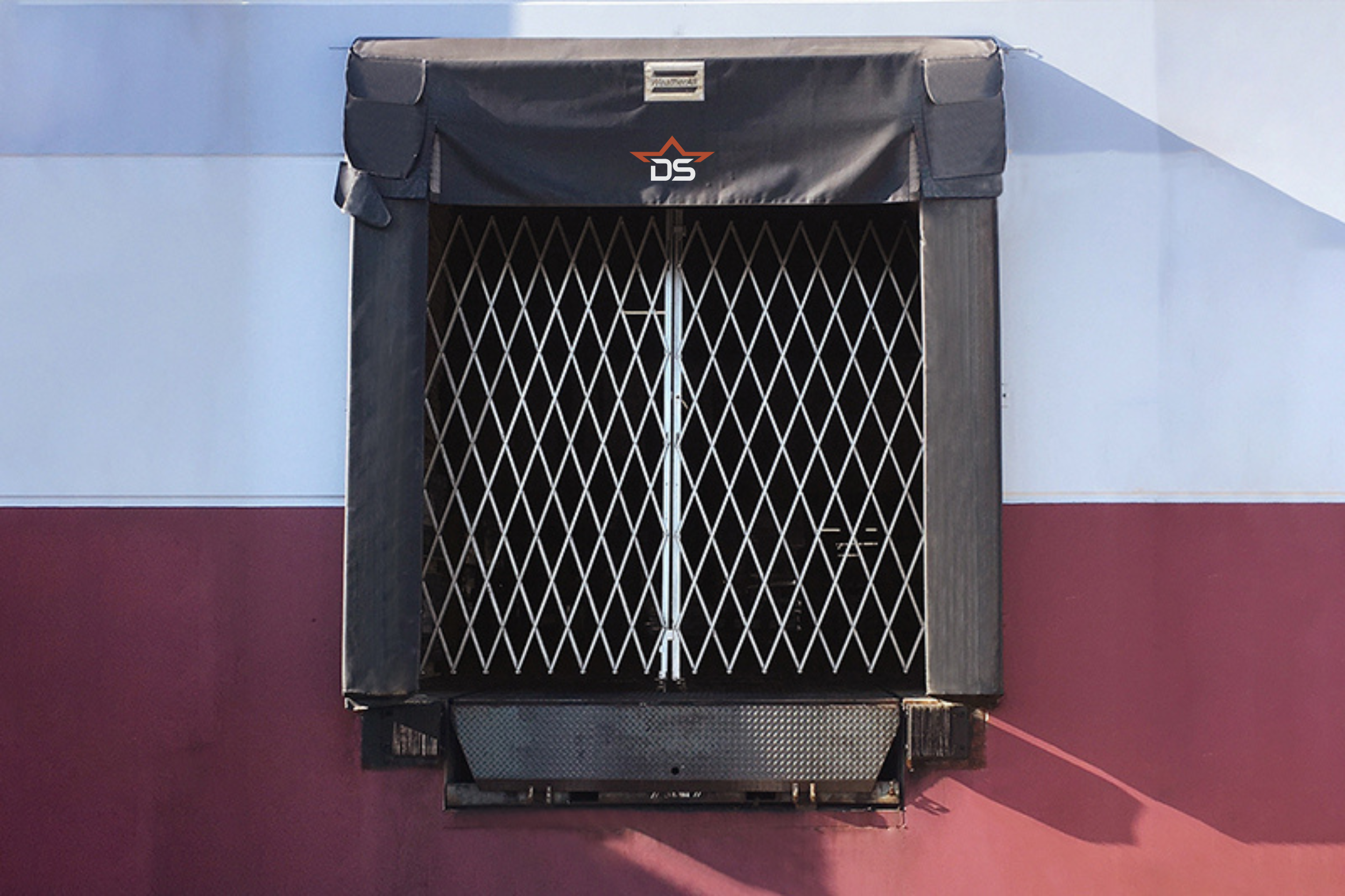
- Door 1 lacked a functioning vehicle restraint and had a deteriorating door seal, causing air leaks and safety concerns.
Meanwhile, at the new plant, the dock areas were being finalized and required new bumpers to protect the building and incoming trailers during loading operations.
These observations guided DockStar’s proposal — ensuring each solution addressed both immediate operational needs and long-term durability across both locations.

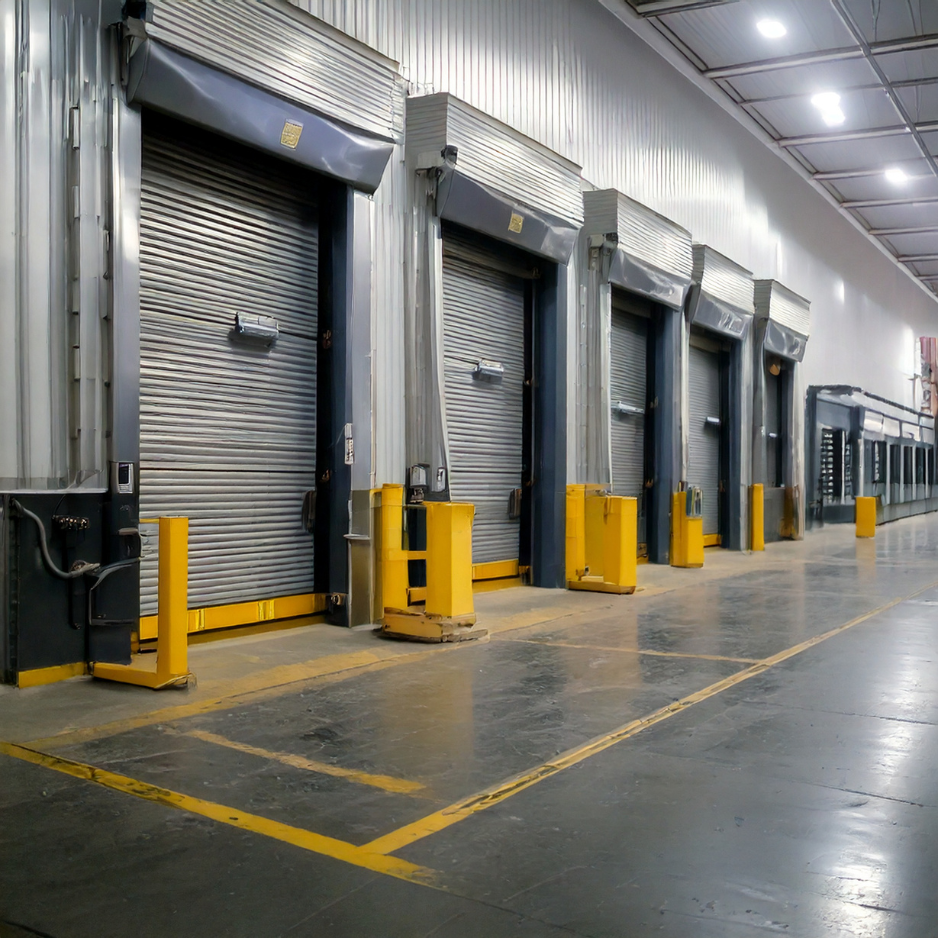
Door 1 exterior with rusted bumpers and aging door seal.

Existing dock leveler showing surface wear and corrosion.
Stage 3: Proposed Solutions and Equipment Specifications
DockStar’s team developed a comprehensive plan to improve performance and safety across both facilities.
At the existing site:
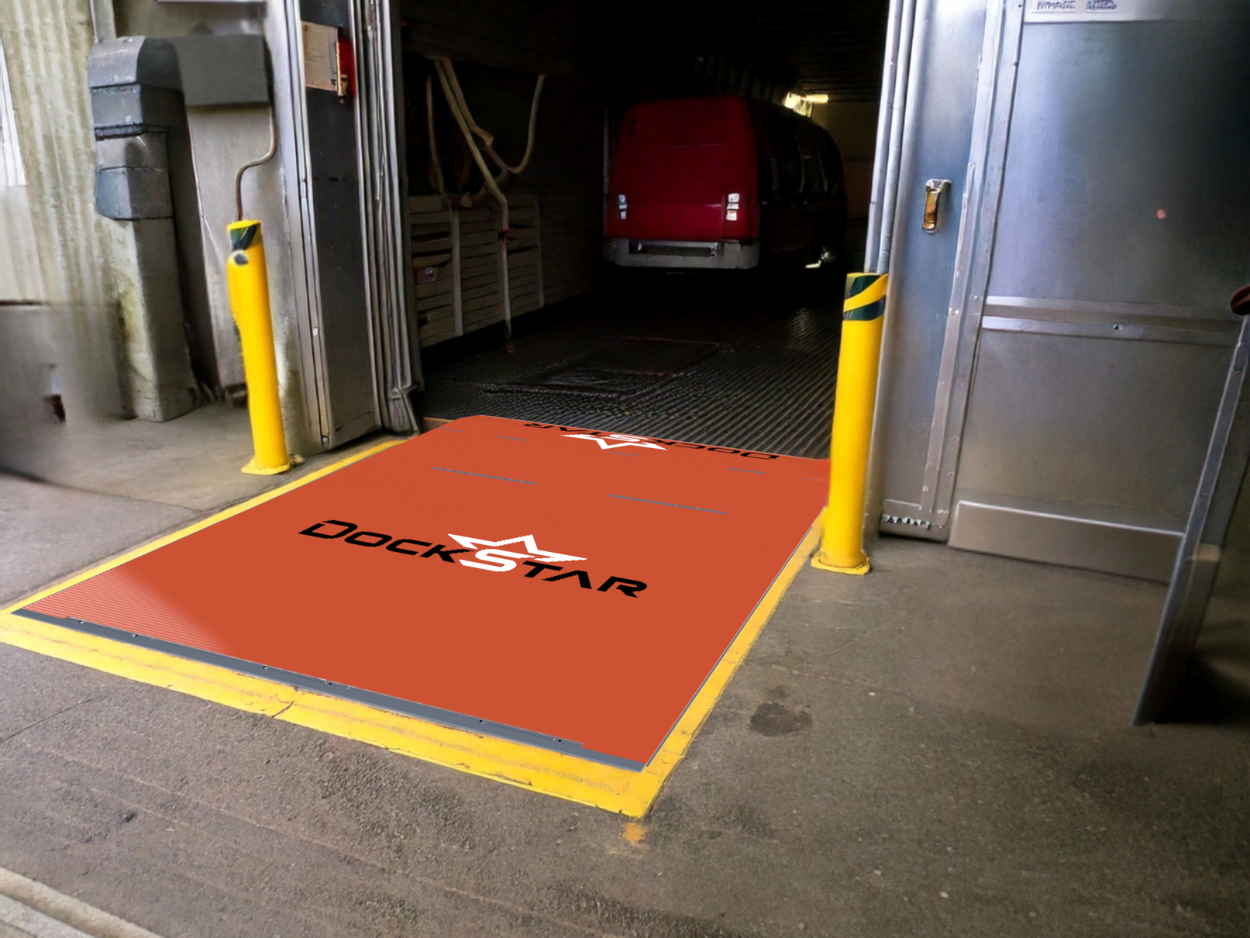
DockStar proposed upgrading four mechanical levelers to hydraulic operation using DockStar’s Hydraulic Loading Dock Leveler.
- Load Capacity: 35,000 lbs
- Lip Length: 20″
- Power Pack: 440-480V/3PH/60HZ
- Hydraulic Oil: Standard
- Daily Usage: 8 full truckloads/day
- Finish: Industrial grey
- Drive Approach: Level
For Door 1, DockStar recommended:
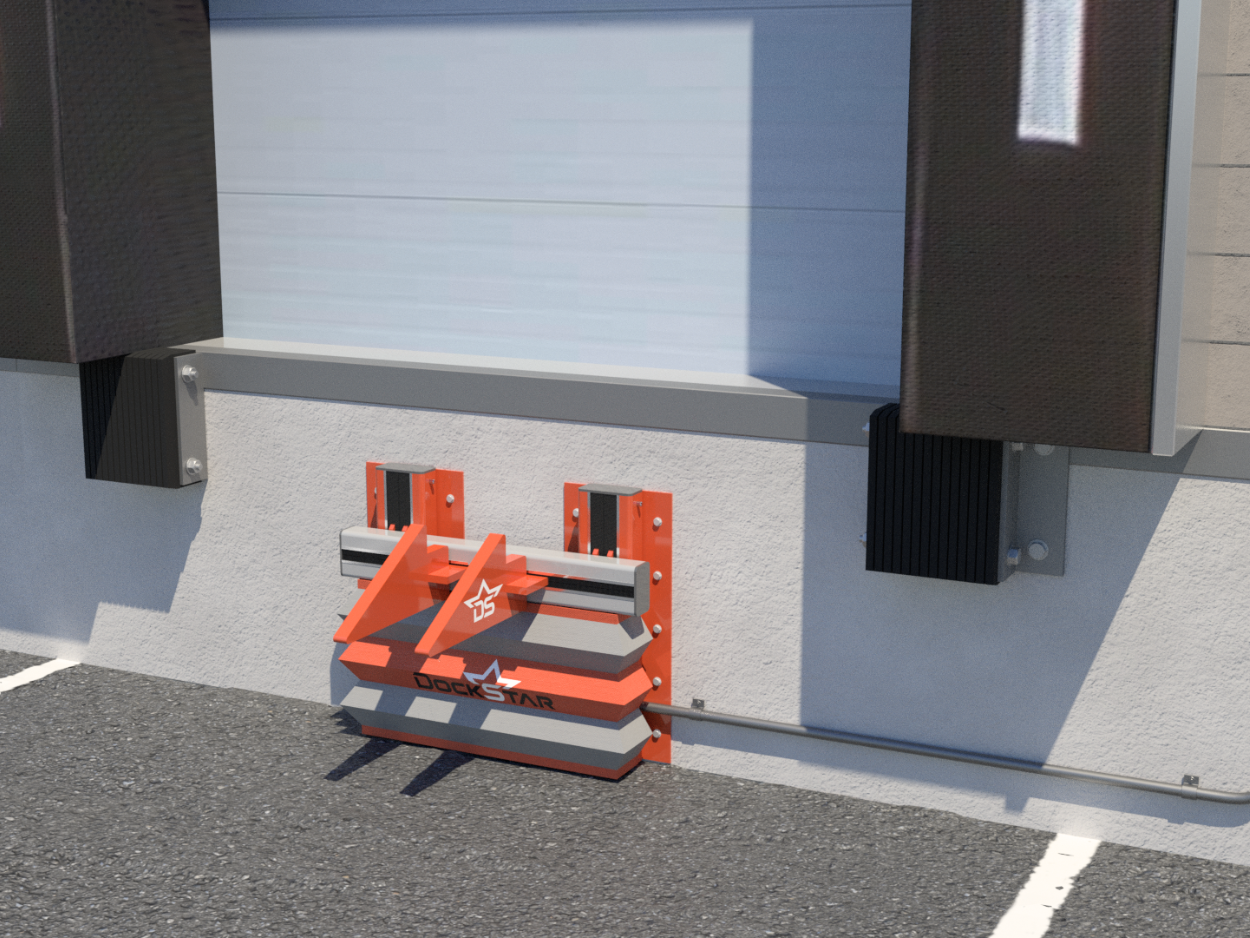
- A Dual Barrier Vehicle Restraint, providing enhanced pull-out force and improved trailer securement.
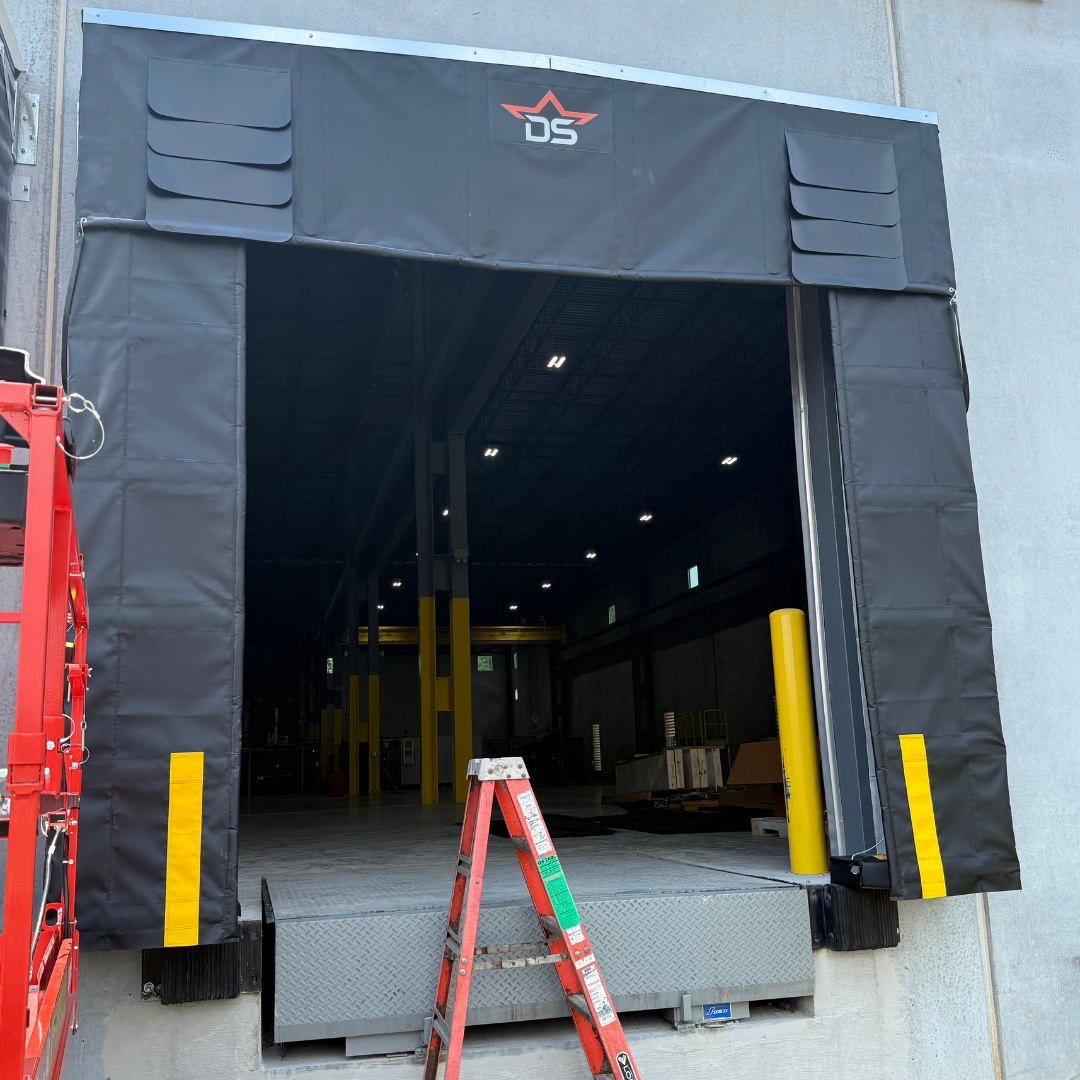
- A new Dock Seal with foam-filled top and side panels, wooden back support, and heavy-duty vinyl covering for maximum insulation and durability.
At the new facility:
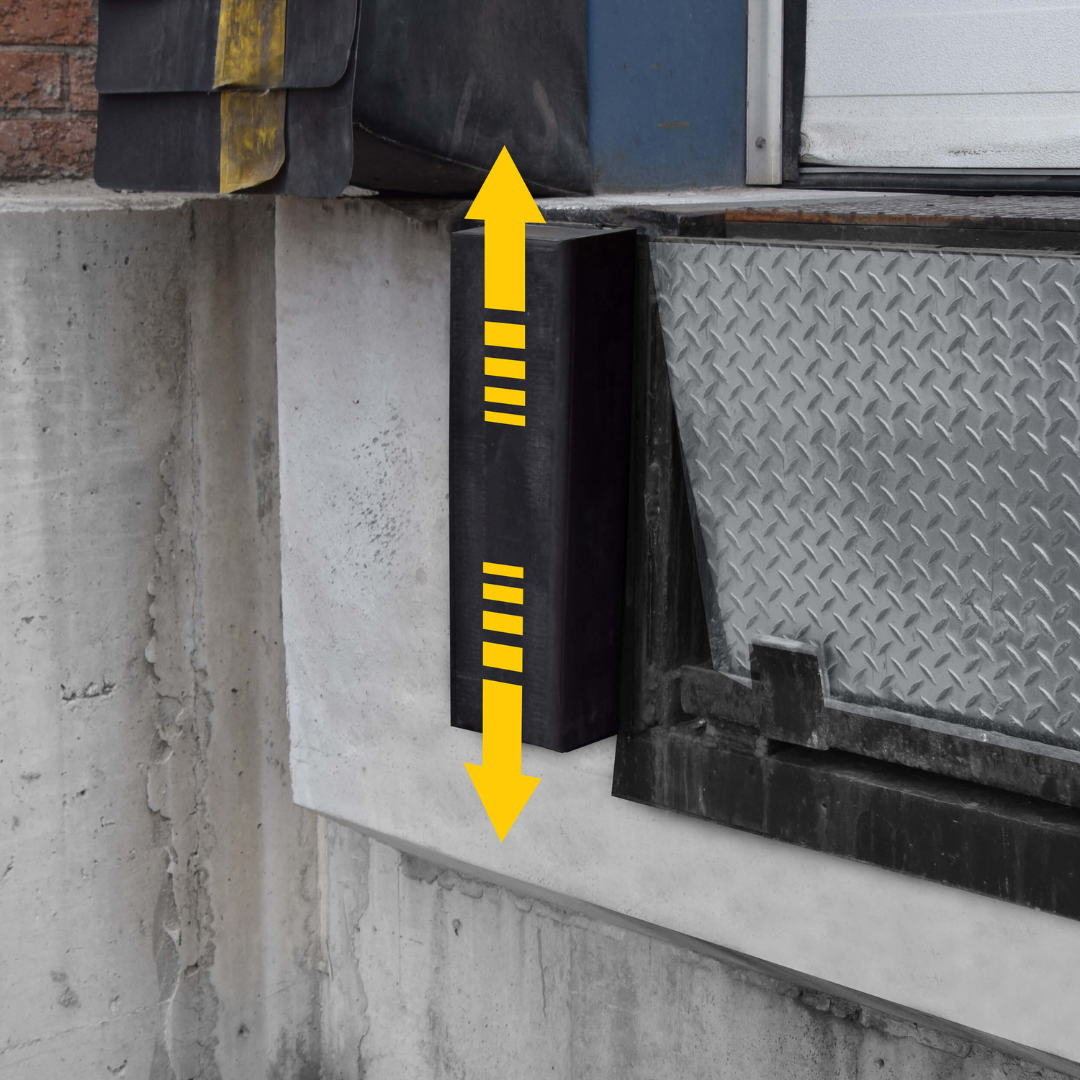
DockStar quoted DockStar Slide-Effect Dock Bumpers for the new dock bays:
- Dimensions: 4.75″ x 10.5″ x 20″
- Built-in slide mechanism
- Designed to absorb trailer impact and reduce concrete damage
These combined upgrades would bring the company’s loading operations up to modern safety standards, reduce maintenance, and extend the service life of all dock components.


Stage 4: Collaborative Quoting and Phased Execution
Recognizing that this was an active, multi-site operation, Scott structured the quote in separate line items, allowing the customer to approve and install each product as construction and budgeting timelines allowed.
By addressing the existing site’s hydraulic upgrades and Door 1 restraint/seal first, and providing bumpers for the new warehouse, DockStar helped the company tackle critical safety and performance concerns immediately, while preparing their new facility for long-term success.
Stage 5: Moving Forward Together
DockStar’s hands-on approach helped this manufacturer ensure every dock, old and new, operates safely and efficiently. The DockStar team continues to coordinate closely with the company’s leadership to finalize installation details and schedule upcoming phases.
Once complete, the upgraded docks will deliver smoother operation, better trailer control, and stronger building protection, supporting safe and efficient material handling across all sites.
Why It Matters
This project highlights DockStar Industrial’s ability to partner with manufacturers through every stage of facility development — from evaluating aging equipment to specifying new systems for expansion projects.
By providing custom hydraulic conversions, vehicle restraints, dock seals, and heavy-duty bumpers, DockStar helps companies operate more safely, efficiently, and confidently, now and for years to come.

Frequently Asked Questions:
1. How much does it cost to upgrade a mechanical dock leveler to hydraulic operation?
A hydraulic conversion kit typically ranges from $7,000–$12,000 per dock position, depending on size, power requirements, and installation conditions. DockStar customizes each system to fit your existing pit and deck configuration, helping you modernize safely without replacing the entire structure.
2. What are the benefits of converting mechanical dock levelers to hydraulic systems?
Hydraulic dock levelers reduce manual effort, improve operator safety, and minimize maintenance downtime. They provide smooth, consistent operation with push-button controls and longer service life—ideal for high-traffic facilities that need reliable, low-maintenance performance every shift.
3. How do DockStar Slide-Effect Dock Bumpers protect my loading area?
DockStar’s Slide-Effect Dock Bumpers absorb trailer impact and help prevent concrete damage during repeated loading cycles. Their built-in slide mechanism allows vertical movement as trailers shift, extending the life of both the bumper and the dock face.
4. Can DockStar retrofit my existing dock equipment instead of full replacement?
Yes. DockStar specializes in retrofit and upgrade solutions, allowing customers to improve functionality and safety without the cost of a complete rebuild. Our team evaluates your existing docks, takes precise measurements, and recommends compatible hydraulic kits, bumpers, and restraints to modernize your operation efficiently.
5. How long does a dock equipment installation take?
Most single-position hydraulic conversions or bumper installations can be completed in one to two days per dock, depending on site access and electrical setup. DockStar coordinates directly with your facility team to minimize downtime and keep your loading operations running smoothly.