














Center Stage: Vehicle Restraint & Interlock Planning for Kroger Distribution Facilities
Project Summary
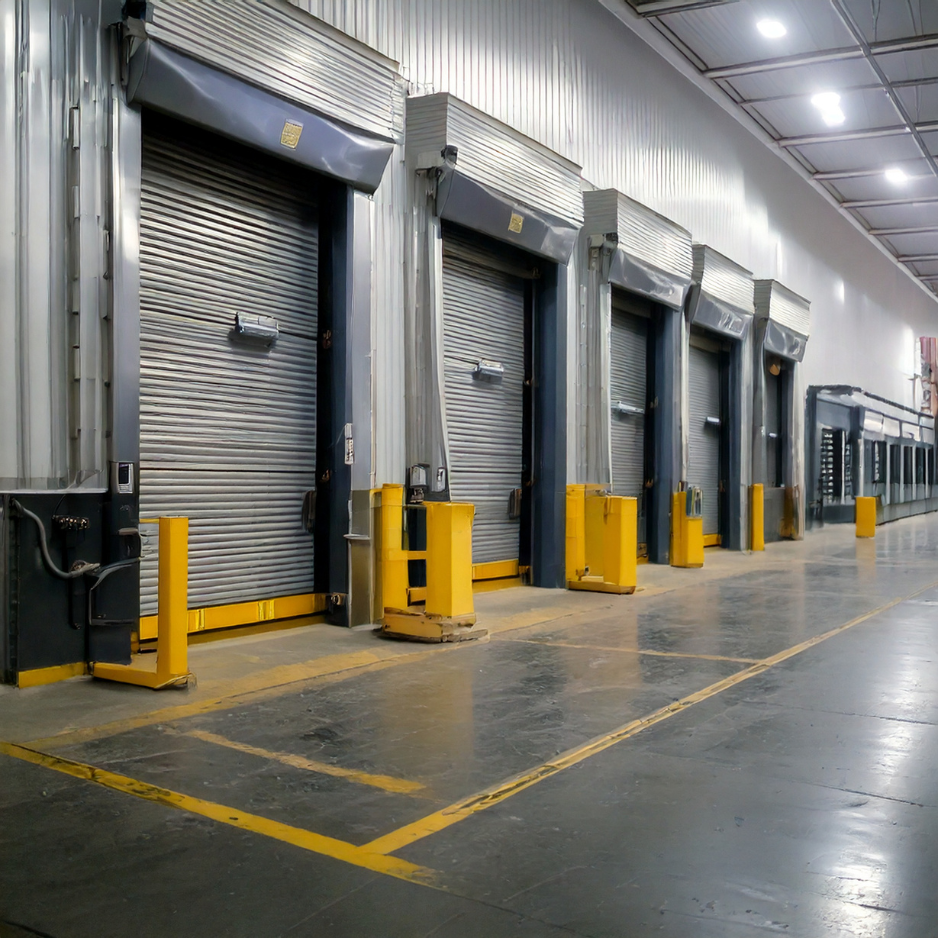
DockStar Industrial supported Kroger’s evaluation of vehicle restraint solutions by developing a cost-conscious, scalable package that prioritizes loading dock safety and system interconnectivity. The project focused on aligning restraint selection with integrated controls and clear driver communication (traffic lights/signage), while planning for interlocks and site-specific integration needs to support a repeatable approach across distribution facilities.
Stage 1: The Lead — A Vehicle Restraint Program Built for Scale
In high-volume grocery distribution, loading docks don’t slow down, and neither can dock safety. Kroger’s team initiated conversations around upgrading and standardizing vehicle restraint solutions with an emphasis on reliability, ease of use, and the ability to integrate with other dock systems.
Early discussions centered around two key goals:
- A restraint approach that can be deployed consistently across locations
- A control strategy that supports interlocks and clear outside/inside communication for drivers and dock personnel
Stage 2: The Challenge — Cost-Effective Safety + System Interconnectivity
Vehicle restraints are one of the most important safeguards at the loading dock, but implementing them at scale raises real-world planning questions:
- How do you maintain consistent dock safety standards while working within budget expectations?
- How do you ensure the restraint, overhead door, and communication signals work together (instead of operating as disconnected components)?
- How do you accommodate site-by-site variables like door types, control layouts, wiring access, and operational add-ons (including truck wash coordination)?
Kroger’s team also emphasized the need for system interlocks, a setup where dock equipment “talks to each other” to reduce operator error and improve safety compliance.
Stage 3: DockStar’s Solution — Blue Giant Restraints + Integrated Controls & Traffic Signals
To support Kroger’s needs, DockStar developed a restraint package built around proven restraint types and an integrated control approach. The quoted equipment included both hook-style and strongarm-style vehicle restraint options:
- HVR303 Hook Vehicle Restraint (Electrical)
- SVR303 StrongArm Vehicle Restraint (Hydraulic)
To support interlocks and coordinated dock logic, the package also included Blue Genius Gold Series II controls configured for restraint + door integration.


For exterior driver communication and clearer dock signaling, the quote also included:
- LED Traffic Light (12–24V DC)
- “Move on Green Only” caution signage
This approach supports safer loading by tying together the restraint state and communication outputs—helping reduce premature pull-outs and improving operational clarity at the dock face.
Stage 4: Integration Planning — Interlocks, Wiring, and “Connected Dock” Logic
When safety systems are expected to work together, wiring and interlock planning becomes just as important as the equipment itself.
For this restraint/control approach, field wiring diagrams were identified for both restraint types:
- SVR303 wiring reference (WD-108)
- HVR303 wiring reference (WD-174)
These references support a consistent integration path for items such as:
- Exterior traffic lights
- Optional overhead door interface
- Audible alarms and relay logic
- Communication connections between dock-side components
This stage is where the project becomes more than “a restraint quote.” It becomes a roadmap for building a repeatable dock safety standard – one that can be rolled out across multiple doors and facilities while still allowing for site-specific variations.
Stage 5: Outcome and Next Steps — Standardization Momentum
With equipment options identified and an integration strategy defined, the project moved into continued stakeholder alignment around pricing, timing, and implementation strategy.
DockStar’s focus going forward is to help Kroger:
- Confirm restraint selection preferences by site and application
- Finalize interlock requirements and communication standards
- Align installation planning with facility operations (including coordination with maintenance partners as needed)
For large networks, restraint programs succeed when they’re easy to operate, easy to maintain, and consistent from dock to dock – especially across multiple shifts, multiple buildings, and mixed trailer traffic.
Not sure where to start? DockStar Industrial offers on-site evaluations and practical scope planning to help facilities select the right vehicle restraint system, define dock interlocks, and build a safer loading process without disrupting day-to-day operations.

Frequently Asked Questions:
1. Why are vehicle restraints a priority for distribution centers?
Vehicle restraints help prevent early truck departure and reduce the risk of trailer creep—two major contributors to serious dock incidents. They’re a core component of a complete loading dock safety program.
2. What’s the benefit of integrating restraints with dock doors and traffic lights?
Integration creates a clearer, safer sequence—restraint engaged, proper signaling, controlled access—reducing the chance of human error and improving compliance.
3. What’s the difference between hook restraints and strongarm restraints?
Hook restraints typically secure the trailer’s rear impact guard (RIG), while strongarm restraints provide a different physical engagement approach depending on trailer conditions and site requirements. Many networks evaluate both to match specific dock environments.
4. Can traffic lights and “move on green” signage be added to restraint systems?
Yes. Exterior communication devices like LED traffic lights and driver instruction signage are commonly paired with restraints to improve clarity and reduce pull-out risk.
5. How does DockStar approach multi-site standardization?
DockStar helps customers define a consistent equipment baseline (restraint + controls + signaling), then validates site-by-site conditions (wiring paths, door types, mounting, traffic flow) so the rollout is repeatable without becoming rigid.
Check out our Solutions!
DockStar Industrial designed and coordinated a custom 200-foot overhead security cage netting installation for a high-bay warehouse server storage facility, delivering secure containment and efficient project execution.
Read MoreWhen Unified Resources needed to create functional office space inside an active warehouse without sacrificing valuable operational square footage, they partnered with DockStar Industrial for a fully customized prefabricated warehouse office solution. The project called for a large-scale modular office buildout that would provide multiple private offices, a conference room, and a break room—all while maintaining warehouse efficiency and minimizing disruption to the existing facility footprint. DockStar designed and supplied a complete in-plant office system tailored to the customer’s operational needs, creating a modern administrative workspace inside the warehouse while preserving critical storage and workflow areas.
Read MoreWhen a fast-moving industrial facility identified aging dock equipment, damaged doors, and outdated safety systems creating operational risk across multiple loading positions, they partnered with DockStar Industrial for a complete loading dock modernization project. Rather than replacing isolated components one at a time, the customer chose to complete a full dock renovation—upgrading every major piece of dock equipment across the affected loading positions to improve safety, efficiency, appearance, and long-term reliability. The result was a fully integrated dock package featuring new dock seals, vehicle restraints, communication lighting, dock accessories, and coordinated installation support designed to bring the entire dock system up to modern operational standards.
Read More