













Why Your Warehouse Needs Security Cages
Here’s the thing: when high-value parts keep disappearing somewhere between the receiving dock and your storage racks, you’re not looking at a personnel issue.
You’ve got a control gap.
And honestly? That murky zone around staging areas, kitting stations, maintenance corners, and returns processing—that’s where accountability goes to die. Well-placed warehouse security cages clear up the ambiguity fast, creating a space with clear ownership that doesn’t turn your operation into a bureaucratic slog.

What Security Cages Actually Are (No Jargon)
Picture this: modular wire-mesh panels that lock together, anchored to your concrete floor, with a gate you can actually secure. Add ceiling panels if you need them. It’s basically building a room wherever you need one—no drywall, no permits for permanent walls.
You’d use these for tool cribs, serialized parts that cost a fortune, quarantined returns that shouldn’t mix back into inventory, customer-owned equipment, or hazardous materials that definitely shouldn’t be wandering around unsupervised.
The mesh design keeps things practical: air circulates, sprinklers can do their job, and supervisors (plus your security cameras) can still see what’s happening inside.
“In 2024, 33% of all cargo theft incidents happened at warehouses and distribution centers—the #1 theft location.”
Source: Overhaul, U.S. & Canada Annual Cargo Theft Report 2024
When Cages Make Sense—and When They’re Overkill
Sure, cutting shrink is the obvious benefit. But the downstream effects? That’s where the real money shows up.
Your cycle counts stop feeling like forensic investigations. Audits move faster because you’ve got a clean record of who accessed what and when. Supervisors quit wasting half their shift tracking down keys and approving exceptions, and they can actually focus on moving product.
Let’s say your dock stays slammed. Tightly controlling that returns-inspection zone stops “mystery items” from somehow reappearing in sellable stock. Or maybe your bottleneck lives deeper in the facility—cages protect calibration equipment, expensive spares, and those customer-specific components that trigger chargebacks the second they vanish.
When Cages Are Overkill
That said, cages aren’t always the answer.
If you’re seeing losses scattered across dozens of SKUs with no clear pattern, better slotting or clearer labeling might give you more bang for your buck before you start building fences.
If your real vulnerability is data theft or IP leakage, physical barriers won’t fix a digital problem.
And if your floor layout needs to flex every few weeks for promotions or seasonal surges, maybe pilot with something smaller first. See how the flow stabilizes, then scale up.
How to Actually Make This Happen This Week
Take a walk during your craziest shift window. But don’t look for places to stick fences—look for friction points instead.
Where do people stop and wait for approval? Where do items supposedly sit “just a minute” but really camp out for hours? Where are returns stacking up because inspection can’t keep pace? Those spots are your candidates.
Shadow the actual flow in and out. Is it pallet traffic, carts, or just people on foot? That answer determines your door type, opening width, and how you mark your lanes.
Design Around Movement
Design around how people and product actually move, not around leftover floor space.
For pallet traffic, a sliding gate usually beats a swing door that eats up aisle width. For foot traffic only, a simple swing door with a closer is faster and cheaper to install.
Keep sightlines open—position the entrance where a team lead can see hands and handoffs clearly.

Military Style Storage Lockers
Safety Considerations
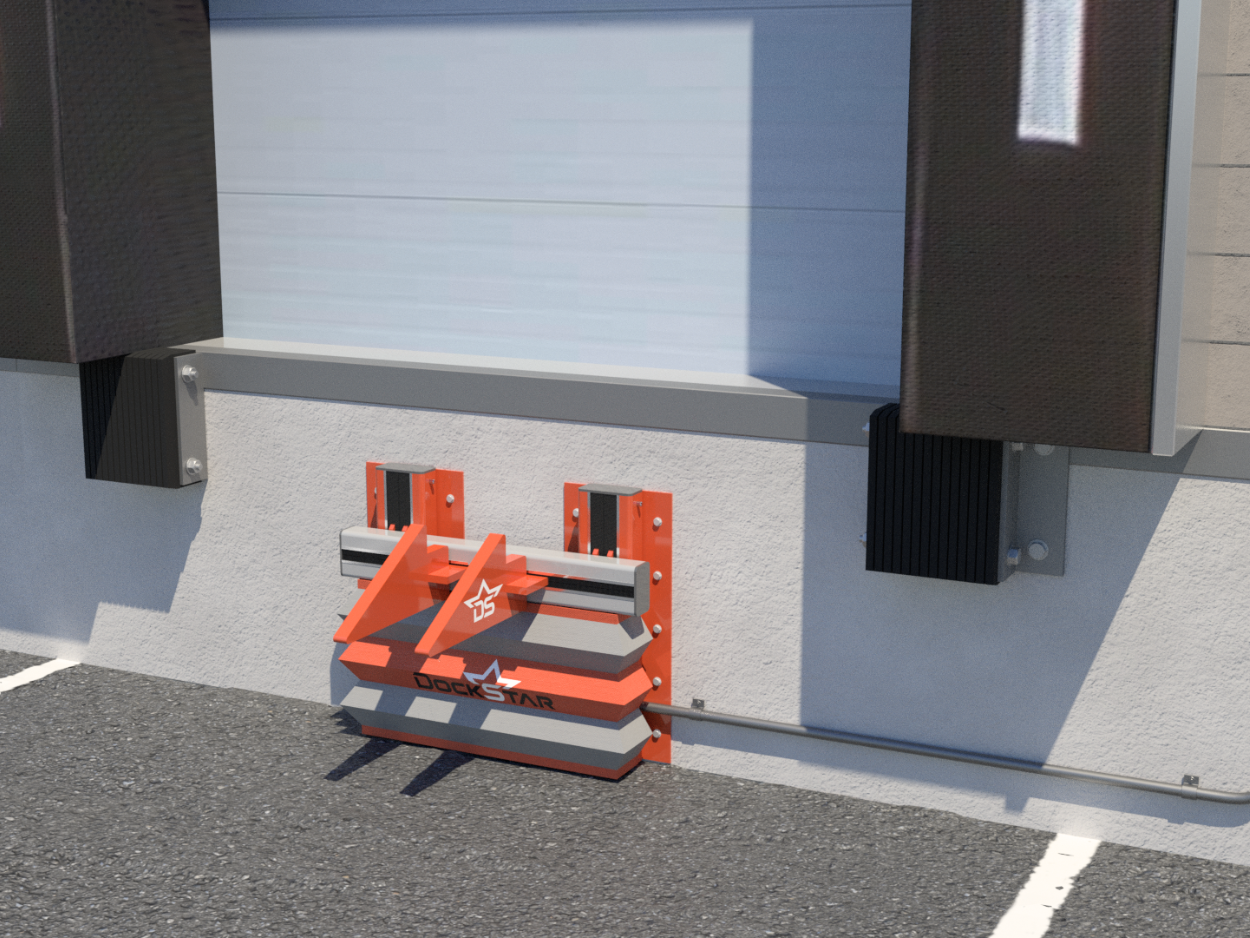
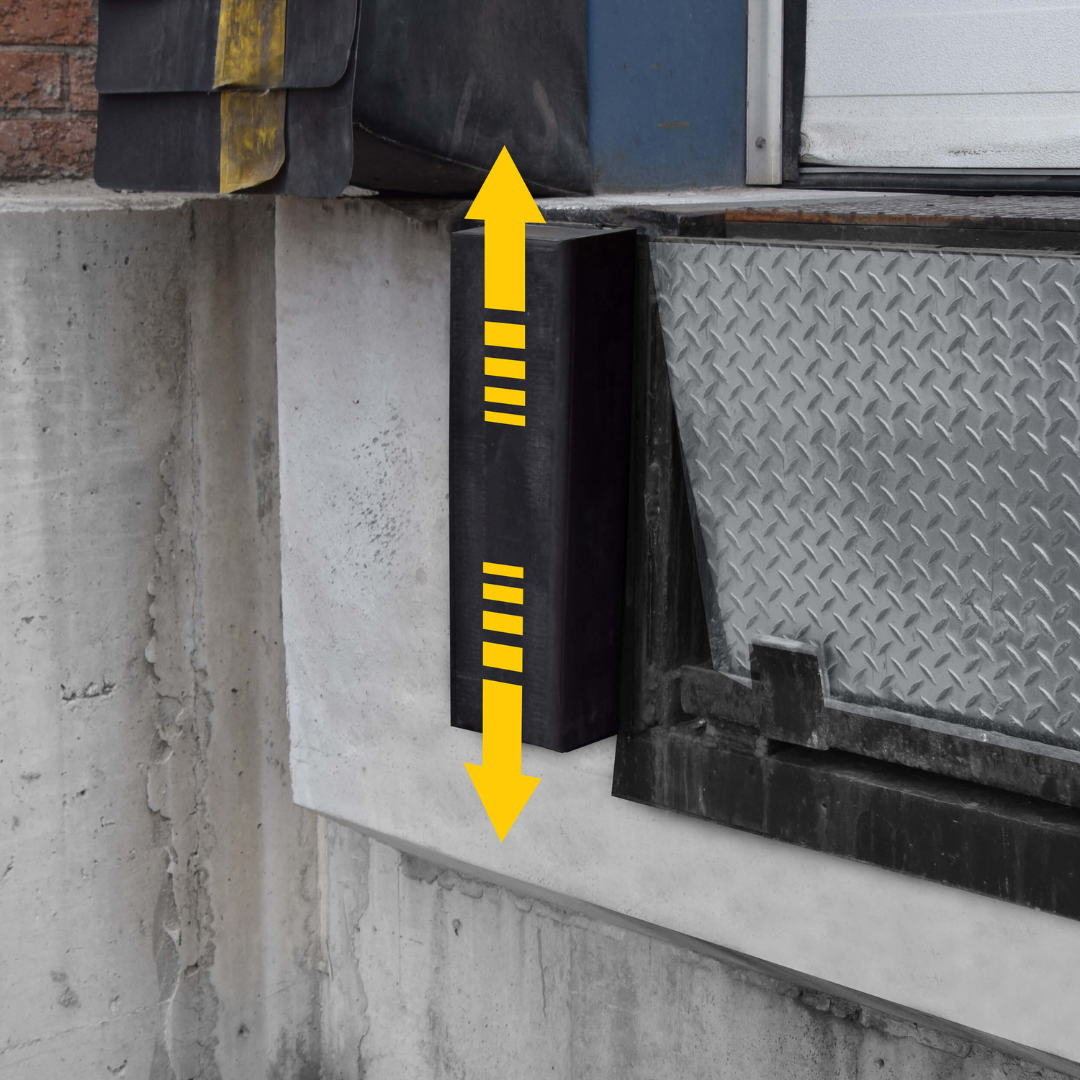
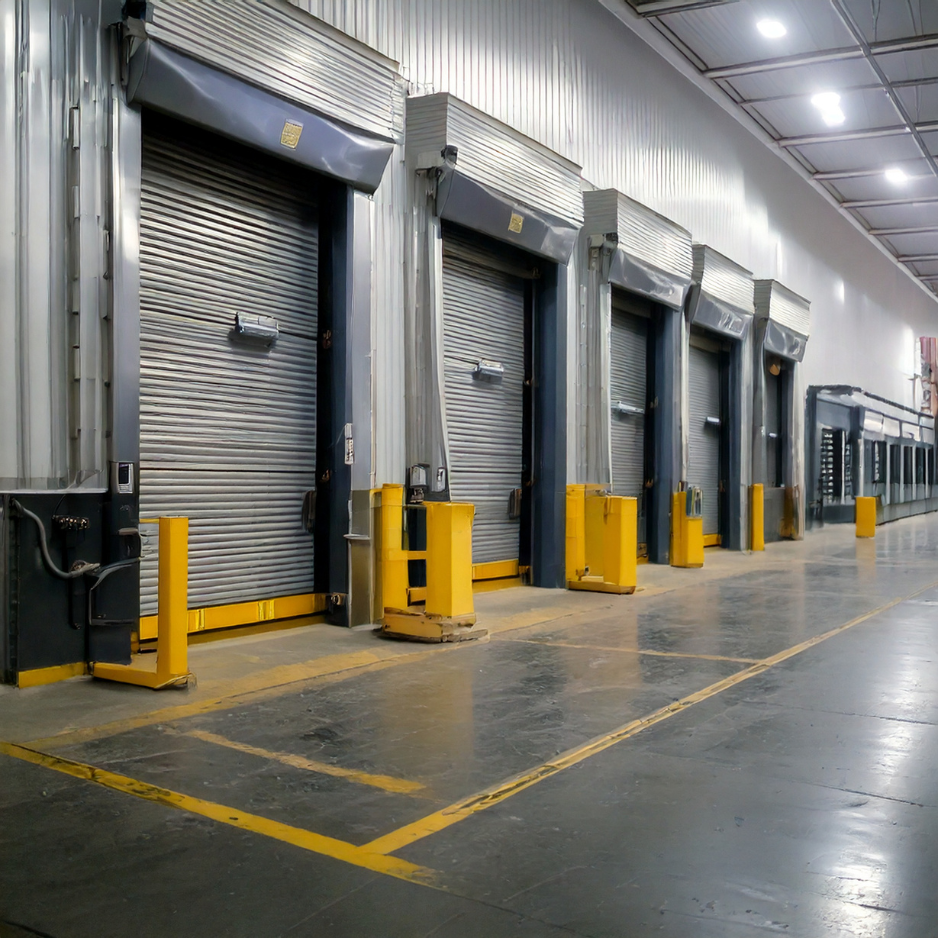
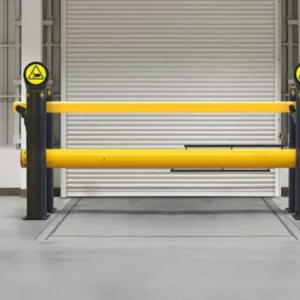
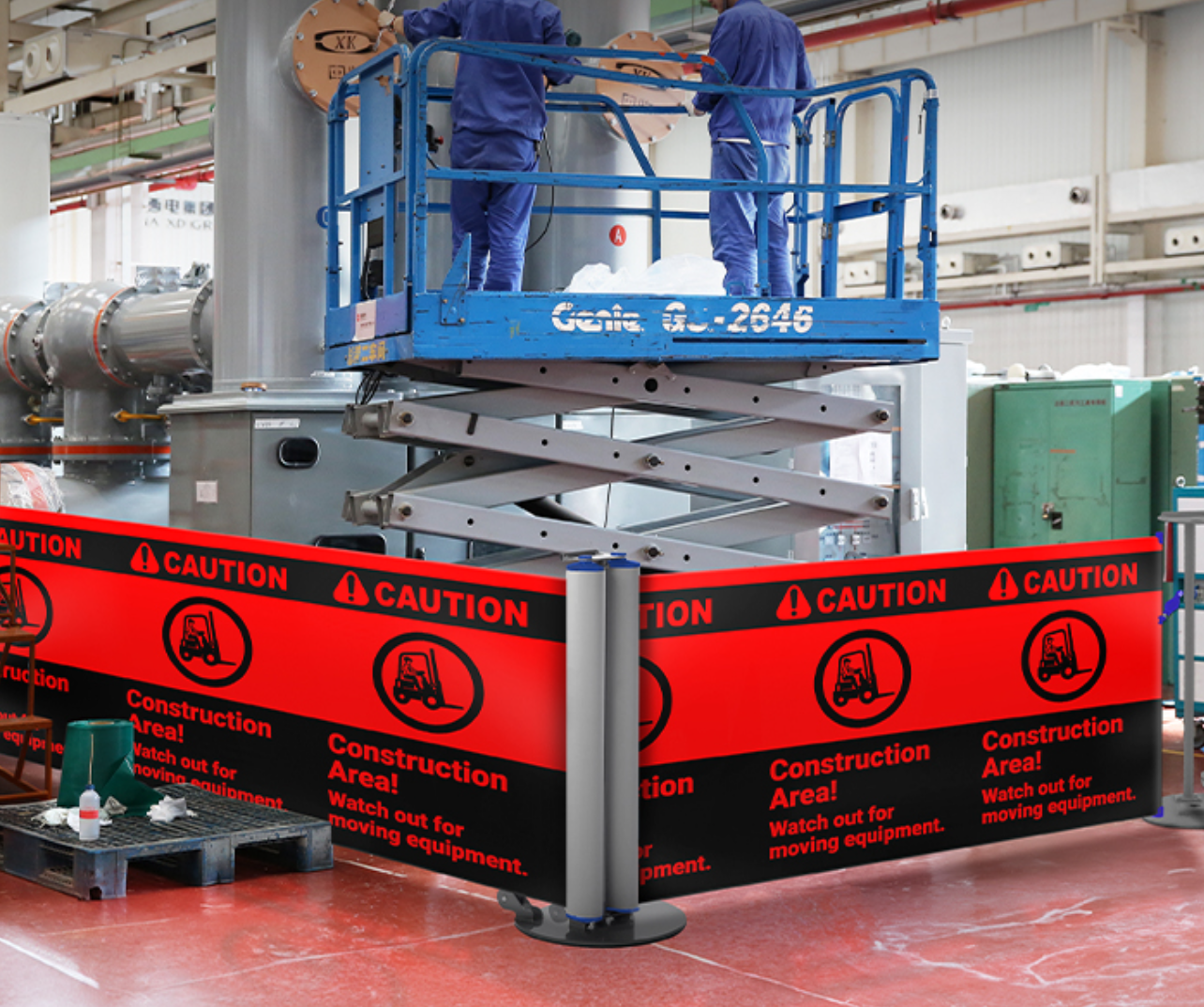
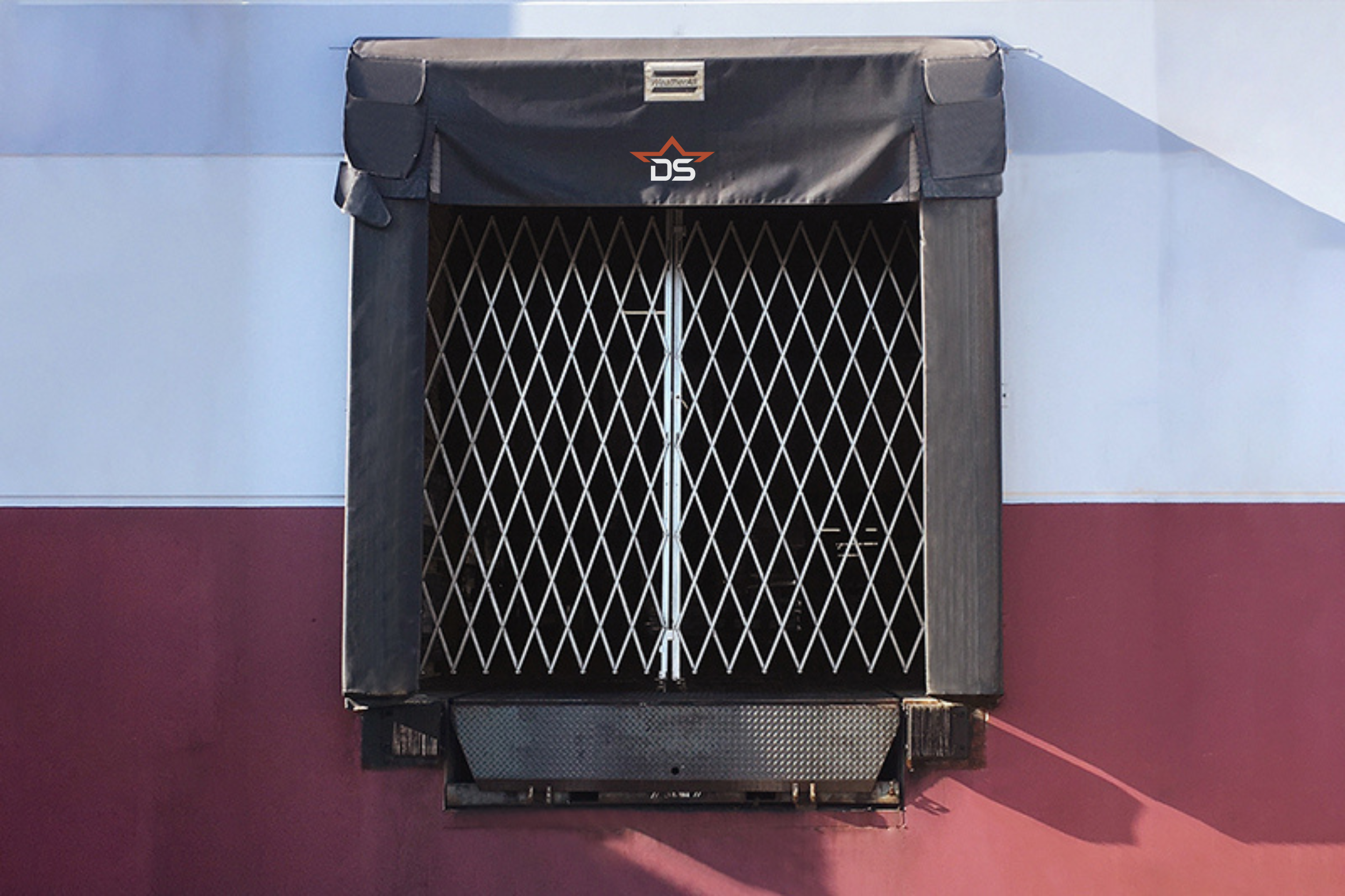
At busy dock faces, use safety barriers to separate pedestrians from lift trucks approaching the gate. Don’t forget dock bumpers at neighboring bays—they absorb impacts that would otherwise rattle the anchors near your enclosure.
If you’re caging anything battery-related or chemical, stage eyewash stations and safety equipment outside the cage. Responders should never need to hunt down a key in an emergency.
Choosing Panels and Height
Panel selection depends on what you’re protecting. Tighter mesh and heavier gauge wire make it harder for someone to reach through and grab things. Standard mesh keeps visibility high and airflow solid for bulkier inventory.
Height’s always a trade-off: taller panels with ceiling grids discourage climb-overs, but you’ll need to work more carefully around sprinklers and egress paths. Most operations do fine with 8-to-10-foot panels, adding ceiling sections only where the risk actually justifies it.
Access Control That Actually Gets Used
Finally, choose an access method your crew will use consistently. A keyed padlock plus a basic sign-in sheet beats some fancy badge system that nobody bothers checking.
But if customer audits or insurance reviews are a recurring headache, a badged strike with timestamped logs will save you hours of back-and-forth documentation.
Whatever route you pick, define an “urgent access” protocol upfront so doors don’t get propped open during peak hours.

Decisions You’ll Navigate Along the Way
You’re balancing control against speed, always.
One large cage centralizes oversight but can bottleneck traffic. Several smaller “micro-cages” isolate responsibility and reduce cross-contamination—though now you’ve got more doors to manage.
Door style follows your traffic pattern: sliding for pallets in tight aisles, swing for simplicity when it’s people-only.
Permanent versus reconfigurable matters, too. Bolted modular panels give you 90% of that permanent feel while keeping the option open to relocate later if your workflow shifts.
A Small Win That Actually Happened
A DC was getting hammered with chargebacks on a few jewelry-sized SKUs. Instead of locking down their entire pick module—which would’ve been chaos—they built a compact, badge-controlled cage around one bay.
Verification moved to the gate: picker scans, lead visually confirms, tote exits immediately.
The result? Shrink dropped by half within a month. Cycle count time fell from 90 minutes to 20. And the supervisor got back an hour every day that used to evaporate into “investigations” and exception reports.
Back-of-Napkin ROI
Let’s use conservative numbers.
Say you’re bleeding $3,000 monthly on a handful of high-value items clustered near staging and returns. A straightforward modular cage and installation, spread over four years, runs roughly $6,000 (about $125/month). Add another $2,000 for a badged strike and a camera adjustment (around $42/month).
If that setup only cuts your losses by 50%, you’re recovering about $1,500 monthly against $167 in carrying costs.
You’re breaking even in days, not quarters—and that’s before you factor in softer wins like faster audits and fewer customer disputes.
Common Mistakes with Warehouse Security Cages
Building where it’s easy, not where loss happens. Follow your variance data and camera footage, not available floor space.
Handing out keys without tracking them. Assign ownership, audit quarterly, and reclaim keys when roles change.
Ignoring surge behavior. Peak hours might need a second gate or a staffed window to keep doors from getting “temporarily” propped open.
Skipping visual management inside the cage. Unlabeled bins and mystery lanes create new problems in the name of solving old ones.

A 7-to-14-Day Implementation Plan
Keep this focused.
Walk the floor with ops and maintenance during a rush hour and pick one hotspot—not three. Tape out a trial footprint and let it sit for 48 hours to see how traffic actually flows around it.
Verify slab thickness, sprinkler clearances, and egress requirements. Choose your door style based on real traffic patterns, not wishful thinking.
Draft a one-page access SOP that spells out who can approve temporary access and how it gets recorded.
Position pedestrian safety barriers if your approach lane mixes pedestrians with lift trucks. Order your panels, schedule installation during a low-volume window, and train team leads on a simple five-minute weekly check: tighten hardware, review gate logs, reconcile one high-risk SKU.
Key Takeaways on Security Cages
Control the gray space, and mystery losses stop.
Design from traffic patterns and actual risk first—hardware decisions come second.
And keep your access process simple enough that your team will actually follow it, even on the busiest day of the year.

