













Tool Cribs
GET A QUOTE
Secure Industrial Tool Storage
Tool Cribs and Equipment Storage Cages for Organized, Controlled Access
A properly designed tool crib gives maintenance, production, and warehouse teams a secure place to organize valuable tools, spare parts, consumables, test equipment, and frequently issued supplies.
DockStar Industrial provides modular wire partition tool cribs for manufacturing plants, warehouses, distribution centers, fleet shops, maintenance departments, utilities, and other operations that need secure equipment storage without blocking visibility, airflow, lighting, or communication.
Tool storage cages can be configured around existing walls, columns, shelving, workbenches, machinery, or open floor space. Layouts may include hinged or sliding doors, service windows, counters, ceilings, multiple compartments, custom heights, and several locking options.
Request a Tool Crib Quote
01Control Tool Access
Limit entry to authorized employees and improve accountability for issued equipment.
02Reduce Loss and Shrinkage
Protect high-value tools, parts, supplies, and portable equipment.
03Improve Organization
Create defined storage locations for tools, replacement parts, consumables, and safety supplies.
04Maintain Visibility
Inspect inventory levels and activity without opening the enclosure.
Tool Crib Applications
Secure Storage for Tools, Parts, Supplies, and Industrial Equipment
Tool cribs support more than hand-tool storage. A custom enclosure can bring together the equipment and materials that keep a facility operating, making them easier to issue, count, inspect, and replenish.
Maintenance Tool Storage
Hand tools, power tools, diagnostic equipment, welding accessories, and repair supplies.
Replacement Parts Storage
Bearings, motors, belts, fittings, electrical components, and machine parts.
Production Equipment Storage
Gauges, fixtures, dies, molds, jigs, tooling, and changeover equipment.
MRO Supplies
Fasteners, abrasives, lubricants, cutting tools, batteries, and shop consumables.
Safety Equipment Storage
PPE, spill supplies, lockout devices, and emergency-response equipment.
Fleet and Service Storage
Vehicle tools, parts, fluids, chargers, and technician supplies.

Custom Tool Crib Planning
Build the Enclosure Around the Facility
Existing columns, walls, machinery, rack systems, utilities, workbenches, and pedestrian aisles can affect the layout. A measured design helps position doors, panels, service windows, and storage areas so the enclosure supports daily work.
- Use existing walls or columns where appropriate
- Maintain clear aisles and equipment access
- Plan door swing and material-handling clearances
- Account for shelving, counters, bins, cabinets, and carts
- Consider future expansion before installation
Tool Crib Planning Checklist
Information to Review Before Requesting a Tool Storage Cage
Providing project details early can improve layout accuracy and help identify the right panel, door, ceiling, and locking options.
Storage Purpose
List the tools, equipment, parts, and supplies being secured.
Overall Dimensions
Measure width, depth, height, walls, columns, and obstructions.
Access Requirements
Identify users, door locations, service windows, and locking preferences.
Material Movement
Account for carts, shelving, bins, large tools, and palletized equipment.
Security Level
Determine wall height, ceiling needs, mesh style, and access controls.
Site Information
Provide photos, sketches, floor plans, and floor conditions.
Industrial Tool Storage Solutions
Tool Storage Cages for Warehouses, Plants, Shops, and Maintenance Departments
A warehouse tool crib can create a central location for issuing tools and parts across multiple shifts. By consolidating equipment inside a secure wire cage, facilities can improve inventory control, reduce time spent locating tools, and establish a consistent return process.
Equipment storage cages are also useful for calibrated instruments, test equipment, machine tooling, portable power equipment, replacement components, and customer-owned assets.
For maintenance operations, a parts and tool storage cage can combine shelving, cabinets, work counters, bins, and controlled access within one visible enclosure.
Custom tool cages are especially useful where permanent construction is impractical or storage needs may change. Modular wire partitions can support future expansion or reconfiguration.
Ready to Design a Tool Crib?
Get a Tool Crib Quote
Create Secure Tool and Equipment Storage Around Your Available Space
Send the intended use, dimensions, desired height, door and lock requirements, ceiling needs, and site photos. DockStar Industrial can help develop a standard or custom wire partition tool crib.
Answers About Tool Storage Cages, Equipment Security, and Custom Tool Cribs
Tool cribs help industrial facilities organize valuable tools, parts, supplies, and portable equipment while controlling employee access. These answers cover common questions about layouts, doors, locks, ceilings, service windows, installation, and expansion.
What is an industrial tool crib?
An industrial tool crib is a secure storage area used to organize, issue, and control access to tools, spare parts, consumables, safety supplies, test equipment, and other valuable facility assets.
What is the difference between a tool crib and an equipment storage cage?
A tool crib is typically organized around the daily issue and return of tools, parts, and supplies. An equipment storage cage may be used for larger or less frequently accessed items such as portable machinery, calibrated instruments, customer-owned assets, replacement components, and production equipment.
What can be stored inside a wire partition tool crib?
Common contents include hand tools, power tools, machine tooling, gauges, fixtures, dies, molds, replacement parts, electrical components, batteries, abrasives, lubricants, fasteners, personal protective equipment, and maintenance supplies.
Why use wire mesh for tool storage?
Wire mesh provides a physical security barrier while preserving visibility, airflow, lighting, and communication. Supervisors can monitor activity and employees can often see whether an item is available without entering the enclosure.
Can a tool crib be customized to fit the available space?
Yes. Tool cribs can be configured by width, depth, height, panel style, door location, ceiling design, number of compartments, service windows, counters, shelving, and locking method.
What door options are available for tool storage cages?
Common options include hinged doors, sliding doors, double doors, and larger openings for carts or equipment. Door selection should reflect aisle clearance, traffic flow, material size, and how often the tool crib will be accessed.
What locking options can be used on a tool crib?
Depending on the door and security requirements, options may include keyed locks, padlocks, keypad systems, card readers, electronic strikes, magnetic locks, or customer-supplied access-control hardware.
Can a service window or counter be added?
Yes. Service windows and counters allow employees to receive or return tools and parts without entering the main storage area. This can support controlled issuing and reduce unnecessary traffic inside the enclosure.
Does a tool crib need a ceiling?
Not every tool crib requires a ceiling. Wire mesh ceiling panels are often added when the enclosure does not extend to the building structure, when overhead access must be restricted, or when the stored items require a fully enclosed storage area.
Can a tool crib include multiple storage compartments?
Yes. A larger enclosure can be divided by department, shift, technician, inventory type, security level, or customer. Separate doors and locks can provide different access permissions for each compartment.
Can the tool crib be built around shelving or cabinets?
Yes. Wire partition systems can be designed around shelving, cabinets, bins, counters, workbenches, and carts. The layout should allow enough clearance for loading, retrieval, inventory checks, and safe employee movement.
Can existing walls or columns be used as part of the enclosure?
In many projects, existing walls, columns, or other building features can form part of the tool crib perimeter. Accurate field dimensions and obstruction locations are important before the final layout is developed.
Can a tool crib be expanded or relocated later?
Many modular wire partition systems can be expanded, relocated, or reconfigured. Future growth should be considered during the initial design so panel runs, door placement, aisles, and anchoring locations support later changes.
How are wire partition tool cribs installed?
Posts are typically anchored to the floor, panels are attached between the posts, and doors, locks, ceiling panels, wall connections, and accessories are installed according to the approved layout and manufacturer instructions.
How can a tool crib improve inventory control?
A centralized tool crib creates defined storage locations and a controlled issue-and-return point. This can make it easier to count inventory, identify missing items, assign responsibility, and establish consistent replenishment procedures.
What measurements are needed for a tool crib quote?
Provide the desired width, depth, and height; wall and column locations; door size and swing direction; ceiling requirements; floor conditions; shelving or equipment dimensions; nearby obstructions; and photos or a marked-up floor plan.
What other information should be included with a quote request?
Explain what will be stored, who needs access, how materials will enter and leave, whether service windows or multiple compartments are required, and whether the project needs electronic access, special finishes, shelving, counters, or installation support.
Check out some of our recent projects!
Real Projects. Real Customers. Real Solutions.
DockStar Industrial coordinated a large commercial wire mesh storage locker project, including delivery follow-up, supplier coordination, installation planning, site visit support, and final project details for approximately 100 storage lockers.
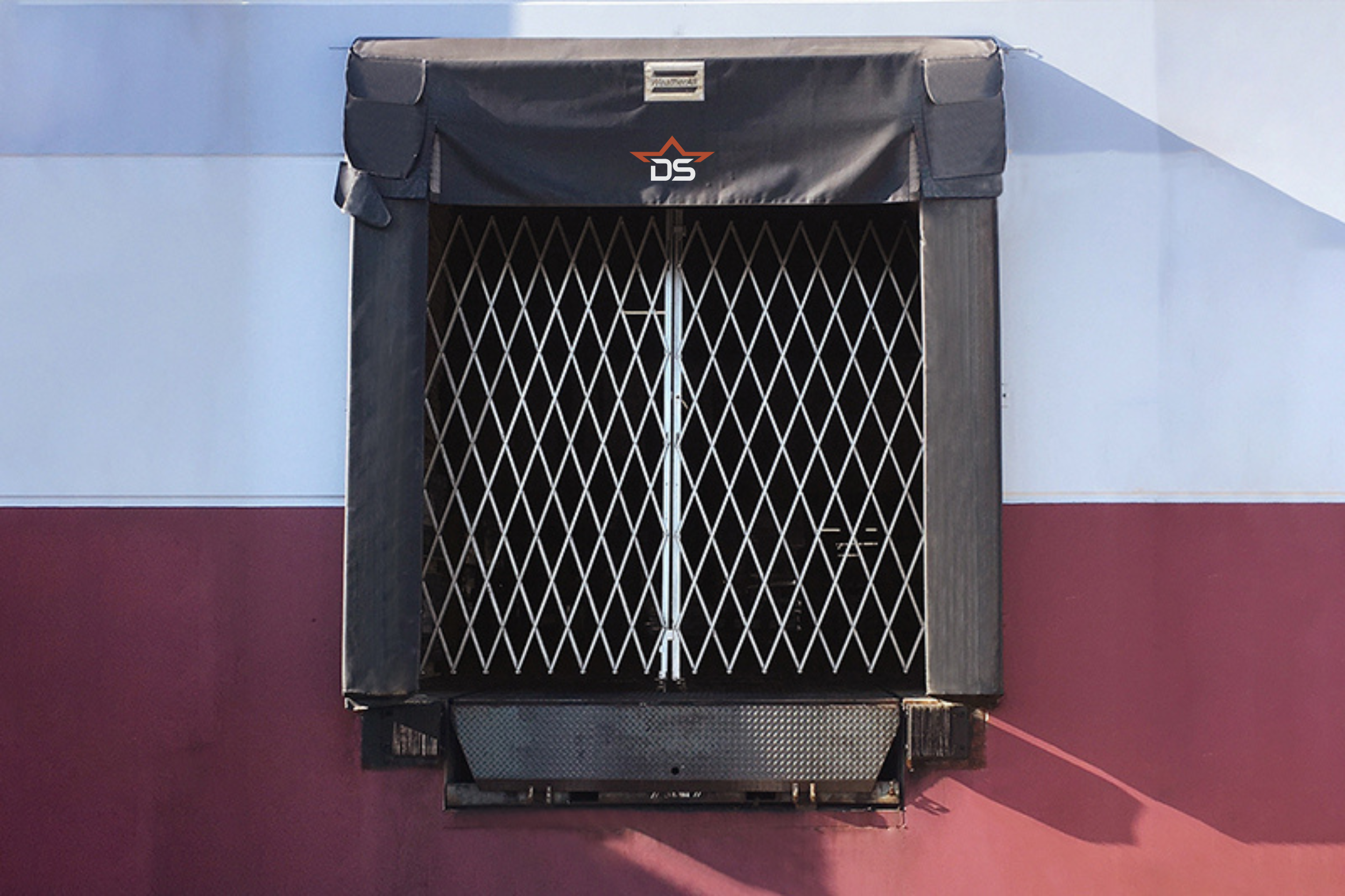
Read MoreDockStar Industrial supplied and installed a railcar dock seal for an industrial loading door, helping improve weather protection, reduce air and debris intrusion, and support railcar loading operations.
Read MoreDockStar Industrial supplied wire security storage lockers for a new apartment building in Mineola, Long Island. The project included 4' x 4' x 7'-6" tenant storage lockers designed for secure resident storage, bike storage, and efficient storage room organization.
Read More