













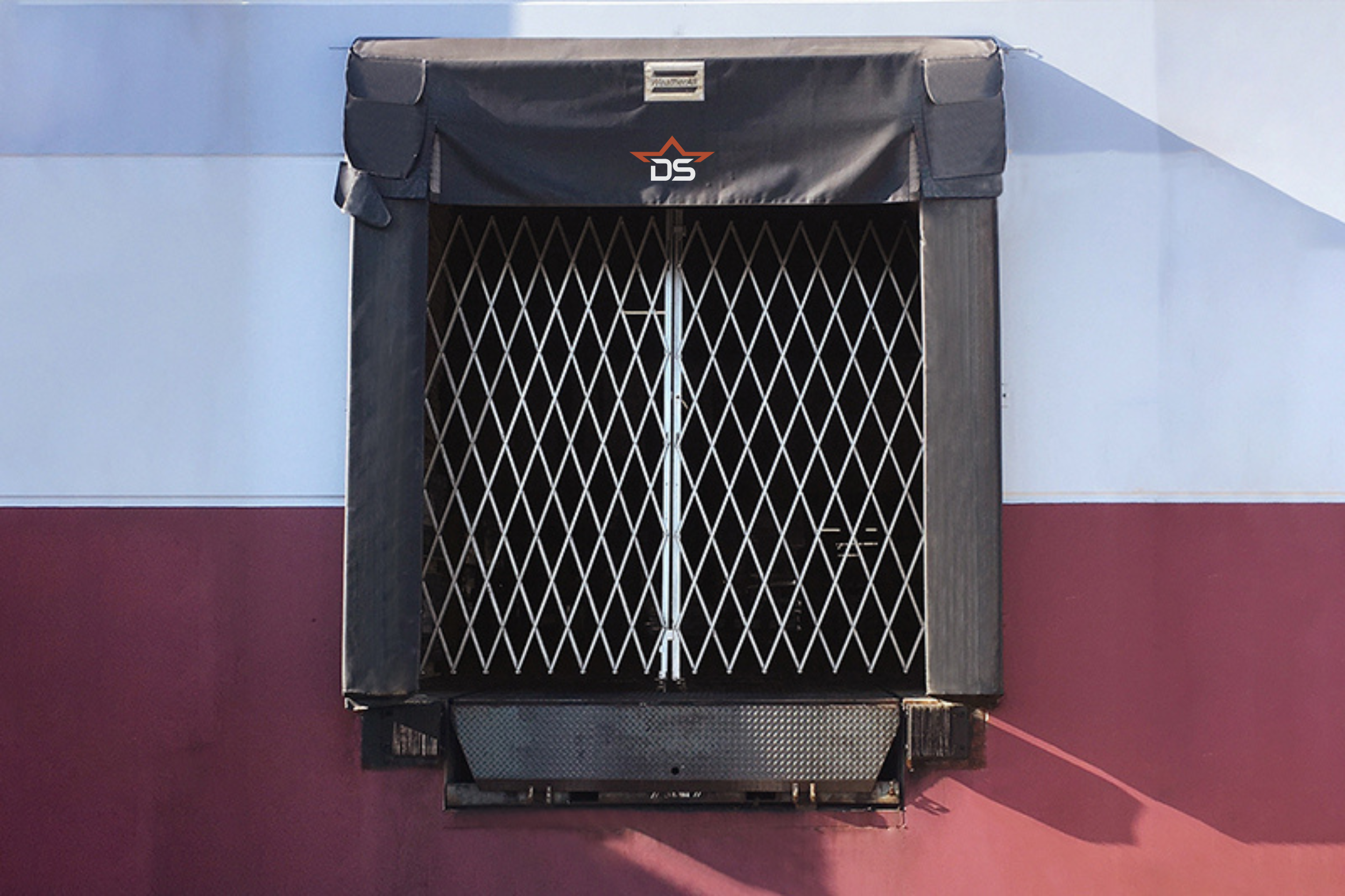


Upgrading Rigid Dock Shelters
Rigid dock shelters can provide full-width trailer access at a relatively low initial cost, but their wooden frames, fiberglass stiffeners, curtains, and steel protectors are vulnerable to off-center trailer impacts. Repeated damage can lead to torn curtains, broken stiffeners, loose frames, poor sealing, ongoing repair costs, and even damage to trucks or trailers.
For lower-traffic docks with consistent trailers and experienced drivers, replacing a rigid shelter with another rigid model may still make sense. However, facilities experiencing repeated damage may benefit from a soft-sided shelter. Its foam frame can flex during off-center contact, curtains can be replaced separately, and fewer hard components around the opening may reduce damage. The best choice depends on how the dock operates and whether a more flexible design would lower long-term maintenance and replacement costs.
Upgrading Rigid Dock Shelters
Why It May Be Time to Upgrade Your Rigid Dock Shelter
Rigid dock shelters have been used for decades. They are still regularly installed today because they are usually one of the cheapest initial investment options for a facility that wants full-width trailer access.
In the right application, a rigid shelter can work. The trailer backs through the curtains, the curtains swipe along the sides, and the loading team keeps the full trailer opening available.
The issue is that rigid shelters are not very forgiving when trucks come in off-center.
How a Rigid Dock Shelter Is Built
A traditional rigid dock shelter is normally made with wooden side frames covered in fabric curtains. Inside the frame are fiberglass stiffeners that help hold the shape of the shelter.
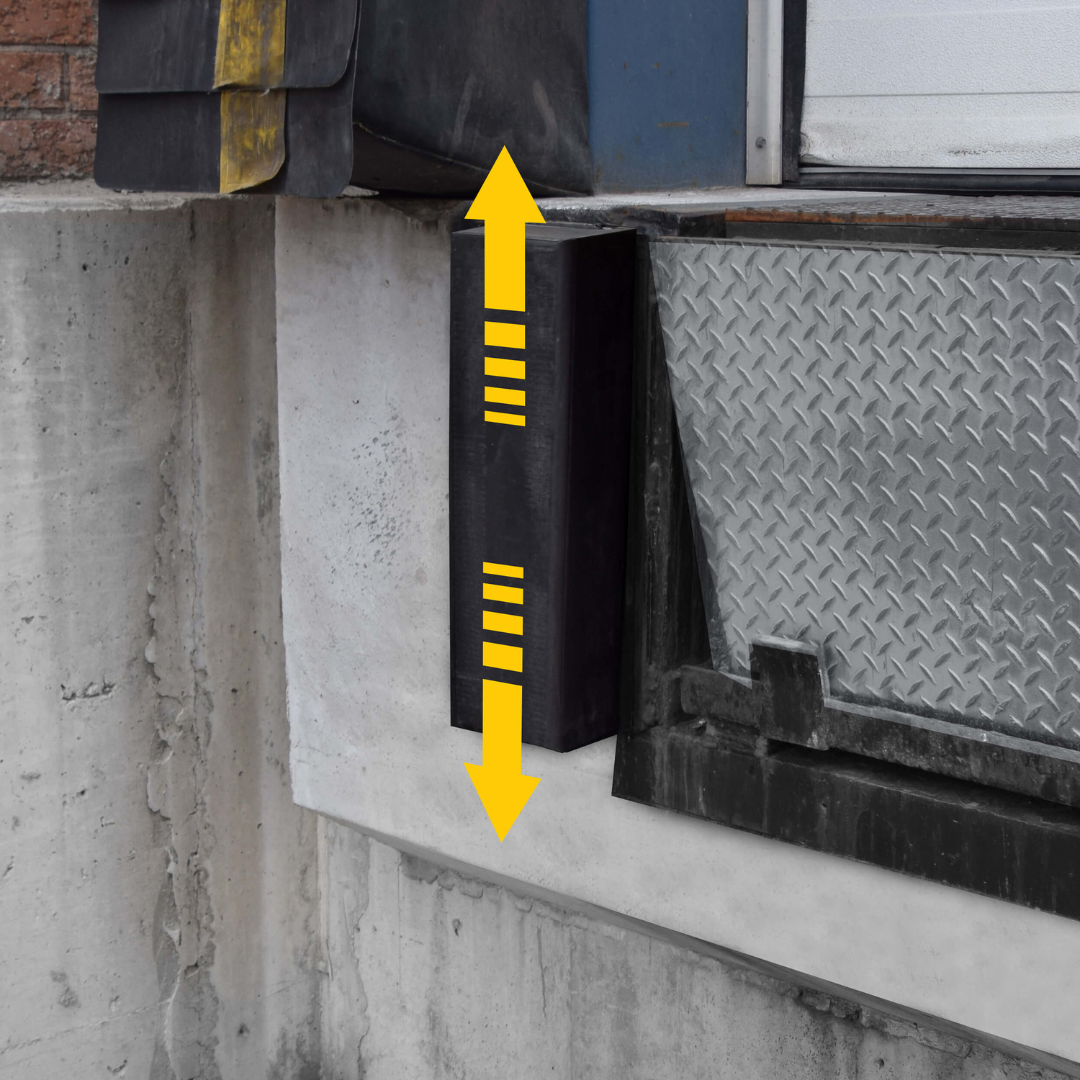
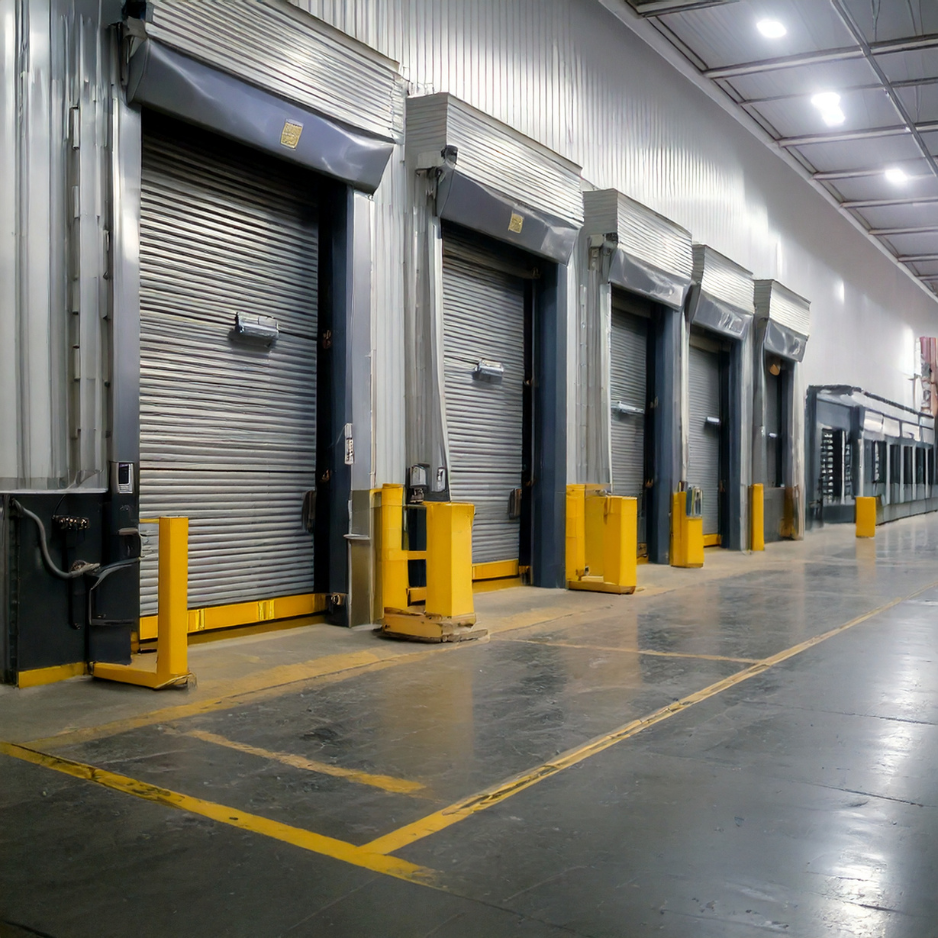
Large steel protectors are also often installed beside the shelter to help stop an off-center trailer from striking the wood frame directly.
The design is simple and relatively inexpensive. However, it also includes several parts that can crack, tear, pull apart, or break when they are repeatedly hit.

Why Rigid Shelters Wear Out So Quickly
A trailer does not need to hit the shelter perfectly straight every time.
One off-center back-in can damage a side frame or head curtain. Repeated smaller impacts can break fiberglass stays, pull curtains away from the frame, and eventually loosen the shelter from the wall.
Once the fiberglass starts falling out, the curtains lose their shape. Once the header is damaged, the shelter may stop sealing properly at the top of the trailer.
The steel protectors can reduce some frame damage, but they also create hard contact points. If a trailer strikes one, the shelter may not be the only thing damaged.
The incoming truck or trailer may also be damaged, leading to other unexpected charges.


The Cheapest Initial Option Is Not Always the Cheapest Long-Term Option
Rigid shelters are often selected because of their lower purchase price.
However, the real cost includes more than the original installation. Repeated curtain replacement, fiberglass repairs, frame repairs, labor, trailer damage, and eventual full replacement can add up quickly.
A facility may keep saving money on the front end while continuing to pay for the same problems later. This is especially true at high-volume docks where drivers change regularly, and off-center back-ins are common.

When Replacing a Rigid Shelter with Another Rigid Shelter Makes Sense
A rigid shelter can still be a reasonable option when the dock has lower traffic, a straight driveway approach, consistent trailer sizes, and experienced drivers.
If the previous rigid shelter lasted well and did not experience repeated side-frame damage, replacing it with a similar product may make sense.
The problem comes when a facility has already repaired or replaced the same type of rigid shelter several times.
If the daily operation keeps damaging the frame, installing another rigid unit may only restart the cycle.
Why DockStar Often Suggests a Soft-Sided Shelter
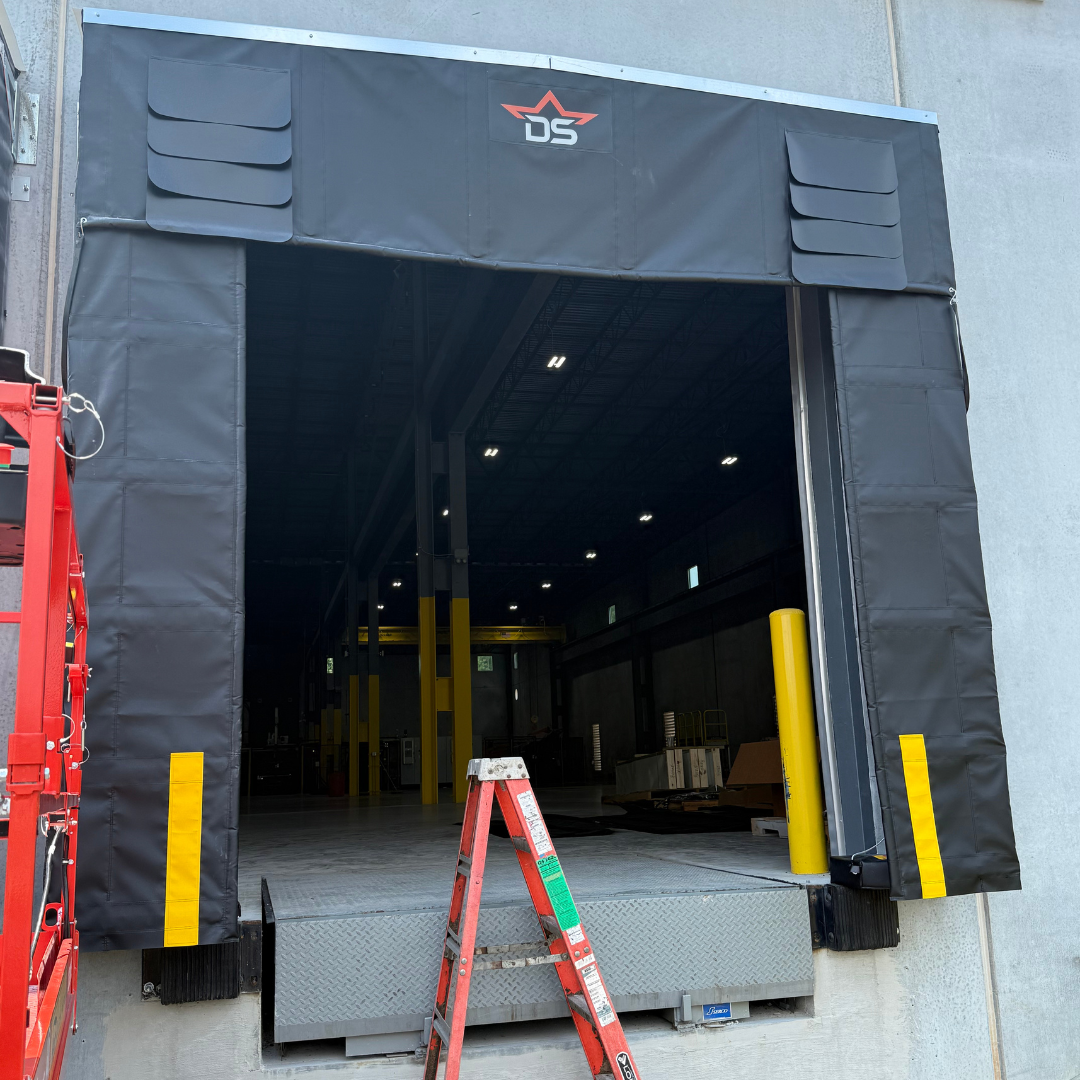
For facilities dealing with repeated rigid-shelter damage, DockStar often suggests looking at a soft-sided shelter. A soft-sided shelter still provides full-width trailer access. The curtains swipe along the exterior of the trailer in the same general way, but the frame is built differently.
Instead of using a wood frame with fiberglass stiffeners, the frame is made from foam. The foam remains firm enough to support the curtains, while still being able to bend and flex when a truck comes in off-center.
Because the frame can move with the trailer, one backing mistake is less likely to break the entire shelter.
Easier Curtain Replacement
Soft-sided shelters can also make curtain replacement easier.
The curtains can attach with Velcro, which allows a worn or damaged curtain to be removed without replacing the full frame.
This is important because the curtains are supposed to make contact with trailers. Over time, they are naturally going to experience wear.
Being able to replace the curtain separately can make maintenance more practical and more cost-effective.

Fewer Hard Parts Around the Trailer
A foam-frame shelter may also eliminate the need for the large steel protectors used around rigid wooden frames.
This reduces the number of hard contact points around the dock opening.
As a result, there is less risk of an off-center trailer damaging both the shelter and the truck.
When an Upgrade Makes Sense
A soft-sided shelter may be worth considering when:
- Rigid side frames are repeatedly being damaged
- Head curtains are regularly torn off
- Fiberglass stays keep breaking or falling out
- Different carriers and drivers use the dock
- Trucks often come in off-center
- Steel frame protectors show frequent impact
- The facility is repeatedly paying for repairs
- Full-width trailer access is still required
The goal is not to say that every rigid shelter should be replaced with a soft-sided one.
The goal is to match the shelter to the way the dock actually operates.
Rigid shelters remain one of the lowest-cost options at the time of purchase. However, when repeated damage becomes normal, a more flexible shelter can be more cost-effective over time.