













OSHA Machine Guarding – A Plain English Guide
Deciphering OSHA’s rules can feel like reading a foreign language—lots of acronyms, subparts, and “it depends.”
This isn’t a legal manual or a complete rundown of every clause; it’s a practical, plain-English guide to how our solutions fit into the picture.
We’ll focus on where wire partitions work as fixed barrier guards around machines and how protective railings help separate people from forklift traffic—so you can make safer choices without getting lost in the fine print.

Why machine guarding matters (and how this helps)
If you’ve got rotating shafts, belts, gears, conveyors, presses, palletizers, or robot cells, OSHA expects you to keep people out of danger zones—period. This guide breaks down what OSHA actually requires, then shows when a wire partition/cage is the right “fixed guard,” and when protective railings solve the risk around the machine (forklifts + foot traffic). We’ll keep it practical and compliance-first, then link you to the exact solutions on DockStar that match each control.
The core rule in plain English: 29 CFR 1910.212
OSHA’s general machine-guarding rule says any machine that creates a hazard must be safeguarded so operators and anyone nearby are protected. In practice, that means guards should be affixed where possible, secured if they can’t be affixed, and they must not create a hazard themselves. The rule is broad on purpose so it covers everything from small benchtop tools to full automation cells.
What “guarding” actually covers (beyond the point of operation)
Guarding isn’t just about the point where the tool meets the part. It includes ingoing nip points, rotating parts, and flying chips/sparks, plus preventing reach-in or walk-in exposure. OSHA’s own guidance lists barrier guards (fixed), light curtains, interlocks, and two-hand controls as valid methods—choose what reliably keeps human bodies out of the hazard zone. Fixed barrier guards are the default starting point because they’re simple and always “on.”
Fixed barrier guards: where wire partitions shine
When a wire partition is the right solution
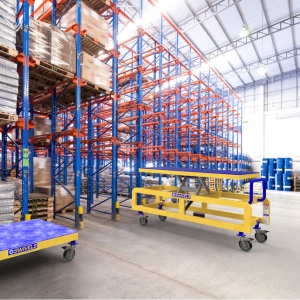
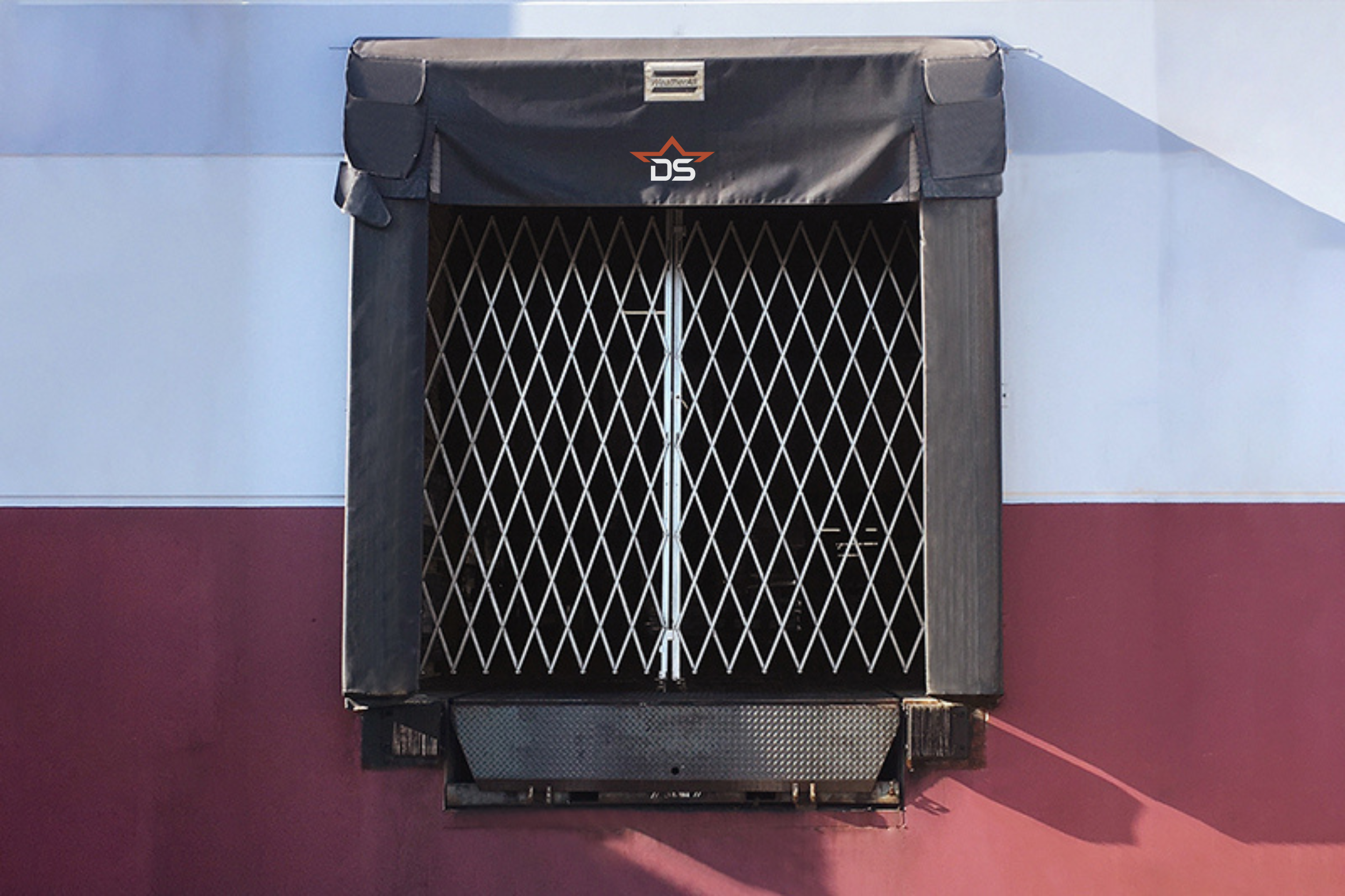
Use wire partitions/cages as fixed barrier guards to define a “no-go” envelope around hazardous equipment—presses, palletizers, conveyors, compressors, and robot workcells. The mesh allows supervision and airflow while preventing reach-through (choose the mesh size accordingly). Add swing or slide doors with keyed or interlocked latches for maintenance access. Keep openings sized so a person can’t squeeze through, and anchor the system so it resists impact and tampering.
Practical fit-ups and accessories
- Interlocks tied to an e-stop circuit so power is removed when a gate opens.
- “Danger” and “Authorized Access” signage at doorways.
- Viewing panels where needed, and maintenance-clearance zones painted on the floor outside the fence line.
- Documentation: keep your risk assessment and lockout/tagout procedure right at the cell.
Robots & automated cells: fencing, interlocks, and the standards OSHA points to
When you introduce robotics, expectations get sharper. OSHA’s technical guidance on robot systems references industry standards (ANSI/RIA R15.06 and related technical reports). In short: define a restricted envelope with fencing, control access with interlocks, and verify stopping distances and safeguarding performance during your risk assessment. If it’s collaborative, follow the specific limits for power/force and speed.
What this means on the floor
- Non-collaborative robot cells → full fence, interlocked doors, appropriate reach-over/under/around protection.
- Collaborative applications → document your PFL/limits; many sites still install low-profile fencing or rails to keep passersby back and guide walkways around the cobot zone.
- Always validate stopping distances and approach speeds during commissioning and after changes.
Around the machine: pedestrians vs. forklifts (why railings matter)
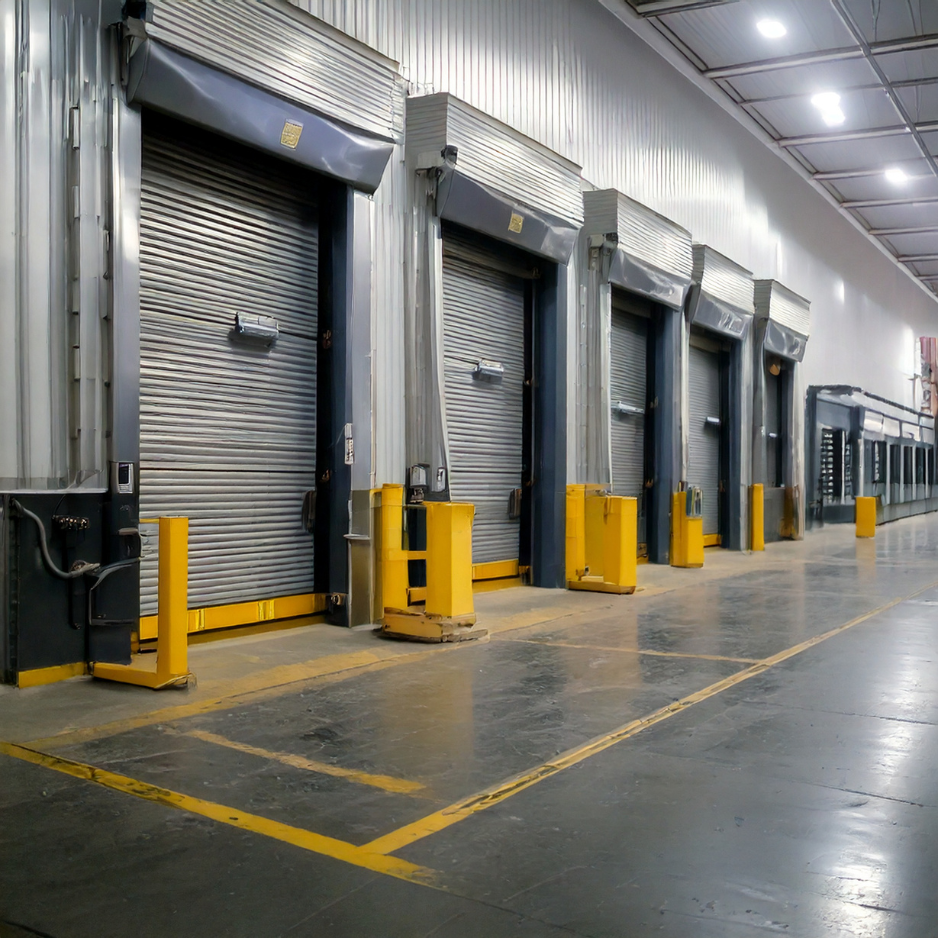
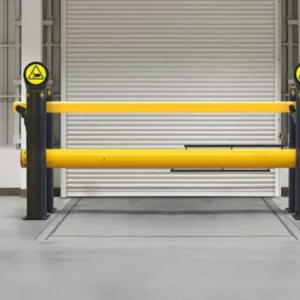
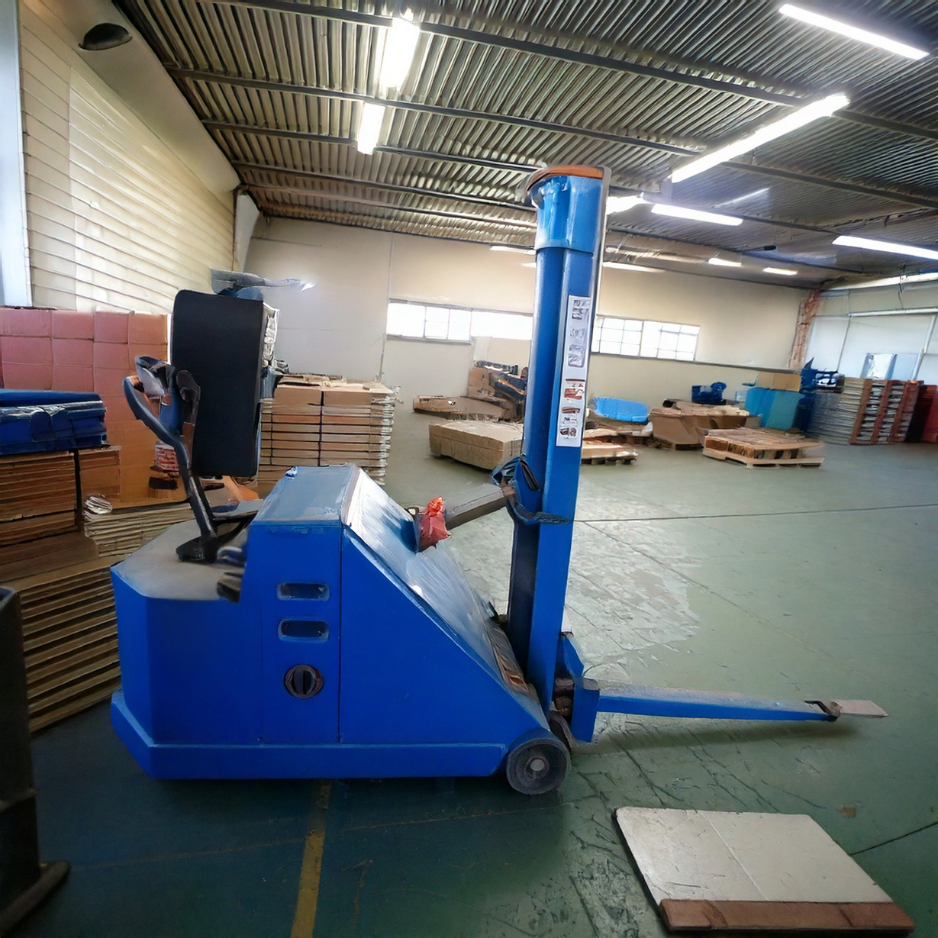
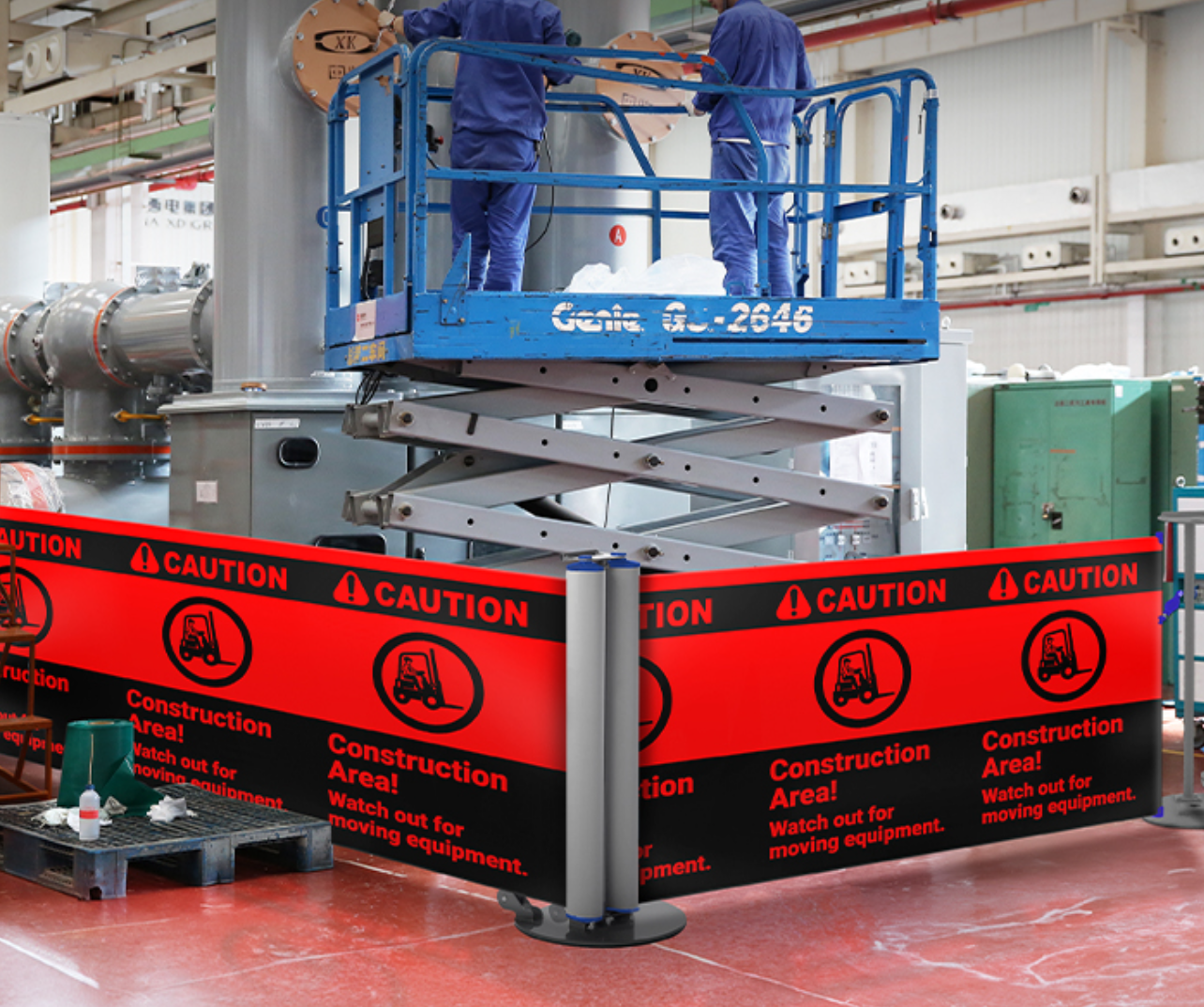
Machine guarding doesn’t stop at the fence. If powered industrial trucks operate nearby, OSHA requires sufficient safe clearances, clear/marked aisles, and good housekeeping. OSHA’s forklift guidance goes further with a best-practice nudge: separate pedestrians from lift trucks using permanent railings or other protective barriers and dedicated walkways. That’s where protective railings, barrier posts, and bollards come in—creating defined pedestrian routes around guarded equipment and protecting your cage, controls, and corners from PIT impacts.
Quick compliance checklist you can run this week
- Identify hazards: rotating parts, nip points, flying chips, ejection, unexpected startup (document them).
- Choose the primary safeguard: fixed barrier guard when feasible; combine with interlocks/presence-sensing as needed.
- Verify physical integrity: mesh size, reach-over/under, anchor strength, and gap distances.
- Control access: interlocked doors, keyed access, LOTO posted at the entry.
- Manage the perimeter: marked aisles and guard-railed walkways anywhere forklifts mix with people.
- Train and audit: operators, maintenance, and contractors; re-check after changes.
When to choose railings vs. cages

- Use a wire partition/cage when the hazard is inside (moving parts, robot envelope, ejection risk).
- Add protective railings/bollards when the hazard is outside (forklift traffic, tight corners, pedestrian exposure), or to shield control panels, HMI stations, and fence lines from impact.
- Many sites need both: the cage satisfies machine-guarding requirements; the railings help meet aisle/traffic expectations and best practices around powered industrial trucks.
Need Fixed Barrier Guards Fast?
See mesh sizes, door options, and lead times for
Wire Partitions & Machine Cages.
Protect People and Equipment
Create guard-railed walkways and shield assets with
Protective Railings & Bollards.
FAQs
Are wire mesh partitions considered OSHA-compliant machine guards?
They’re a common form of fixed barrier guard. If the fence prevents access to the danger zone and is properly secured, it supports compliance with machine-guarding rules. Doors that allow access should be controlled (e.g., interlocked) so the machine can’t run while open.
We’re adding a robot: do we have to fence it?
For most non-collaborative robot applications, yes—fencing with interlocked access is standard practice. Follow your risk assessment and relevant robot safety standards to set fence distance and interlocks.
Do we need guardrails near machines if forklifts operate in the area?
OSHA requires marked, clear aisles where mechanical handling equipment is used and encourages separating pedestrians from lift trucks with permanent railings or barriers—a direct use case for protective railings.
What’s the fastest way to show progress if an inspector visits?
Have a current risk assessment, photos/drawings of your guarding, training records, and a punch-list showing open items with due dates. Make sure guards are affixed/secured and that interlocks are functional (test them).
Any gotchas with maintenance?
Plan for safe access: interlocked gates, LOTO points, and space to remove guards without creating new hazards. After any change (new tool, path, or speed), re-validate guarding distances and stopping times—especially in robot cells.
Key Takeaways
Bottom line: OSHA expects you to keep people out of danger zones and separated from forklift traffic, and the most practical way to do that is a combo of fixed barrier guards (wire partitions/cages) around the machine and protective railings/bollards to create safe, clearly marked walkways. Layer in interlocked doors, signage, and LOTO for access; verify reach/stop distances; and re-train/re-audit after any changes. Use this as a practical map—not a legal manual—for choosing controls that match your risks; in many facilities, the right answer is both a cage and railings to check every box.
If you want help turning a risk assessment into a parts list and layout, we can sketch options and lead times.


