













2026 Loading Dock Safety Checklist: 26 Quick Wins for a Safer Dock
Most dock incidents don’t happen because people “don’t care.” They happen because the dock is busy, the process is fuzzy, and small issues stack up fast: a slick spot, a trailer that creeps, a rushed approach, a worn bumper, a door light no one trusts.
This checklist is built for real life. It’s quick to implement, easy to scan, and designed to reduce the most common “surprise” hazards in 2026.
How to use this (so it doesn’t become another forgotten list)
- Pick 10 items for this week and assign an owner (Ops / Maintenance / Safety / Supervisor).
- Do a 15-minute dock walk every Monday until all 26 are done.
- Only rule: if it can be fixed in under 10 minutes, fix it on the spot.
Trailer Approach & Yard Control (1–5)

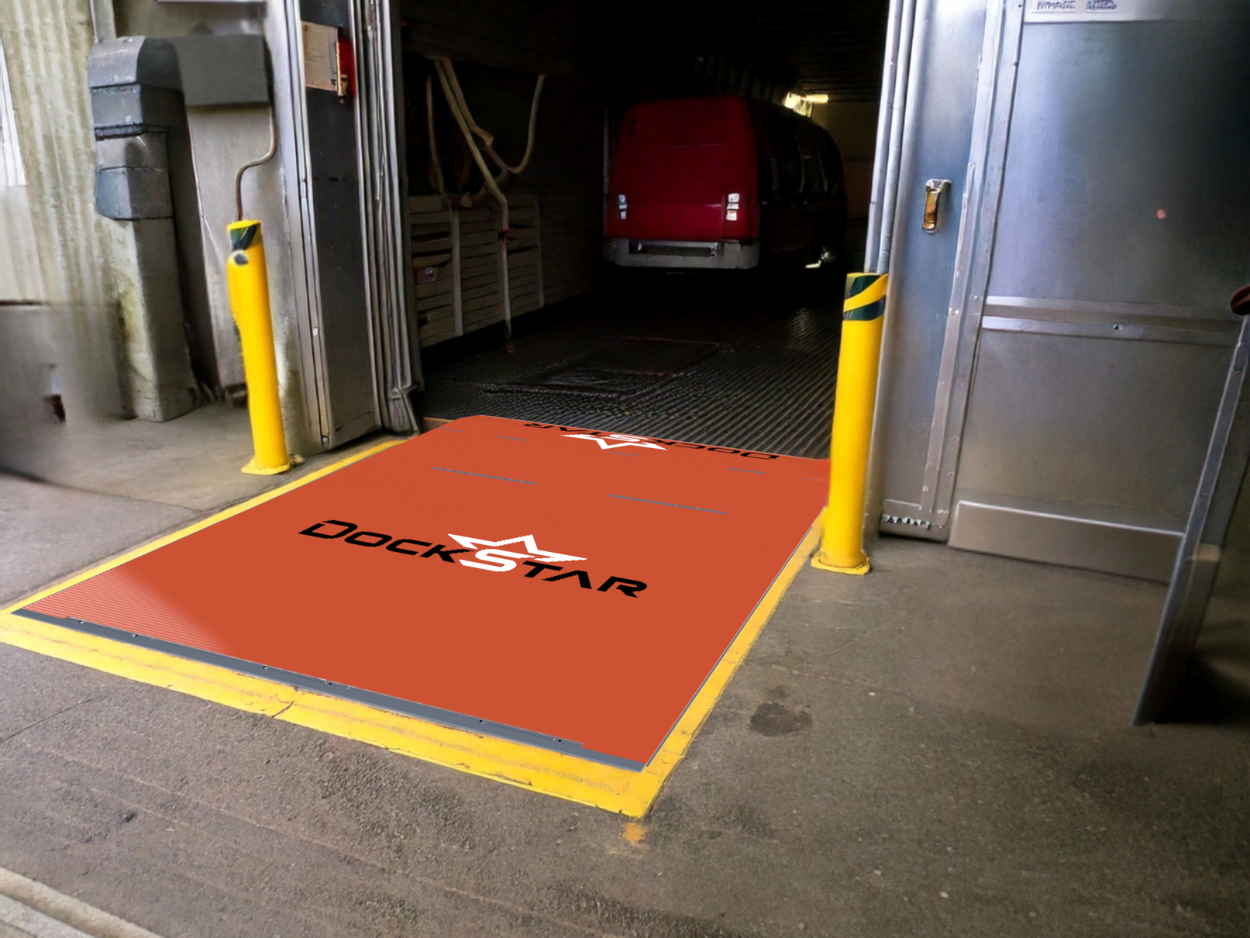
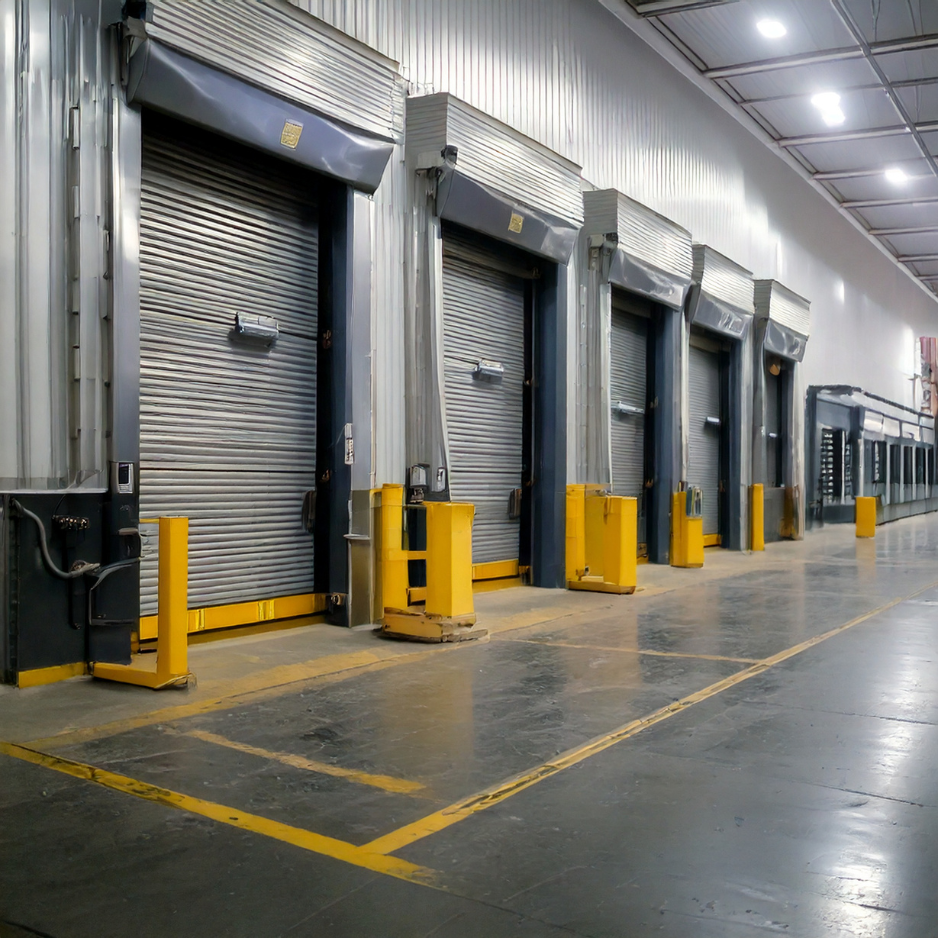
- Paint a clear STOP line at each door
Place it where a driver naturally pauses before backing tight. This reduces “bump it and see” behavior and gives spotters a consistent reference point. - Post driver instructions at yard entry (short, not a novel)
Speed limit, check-in process, and “secure trailer before load.” Keep it to 5–7 lines. When signage is long, it gets ignored. - Mark trailer swing and no-walk zones
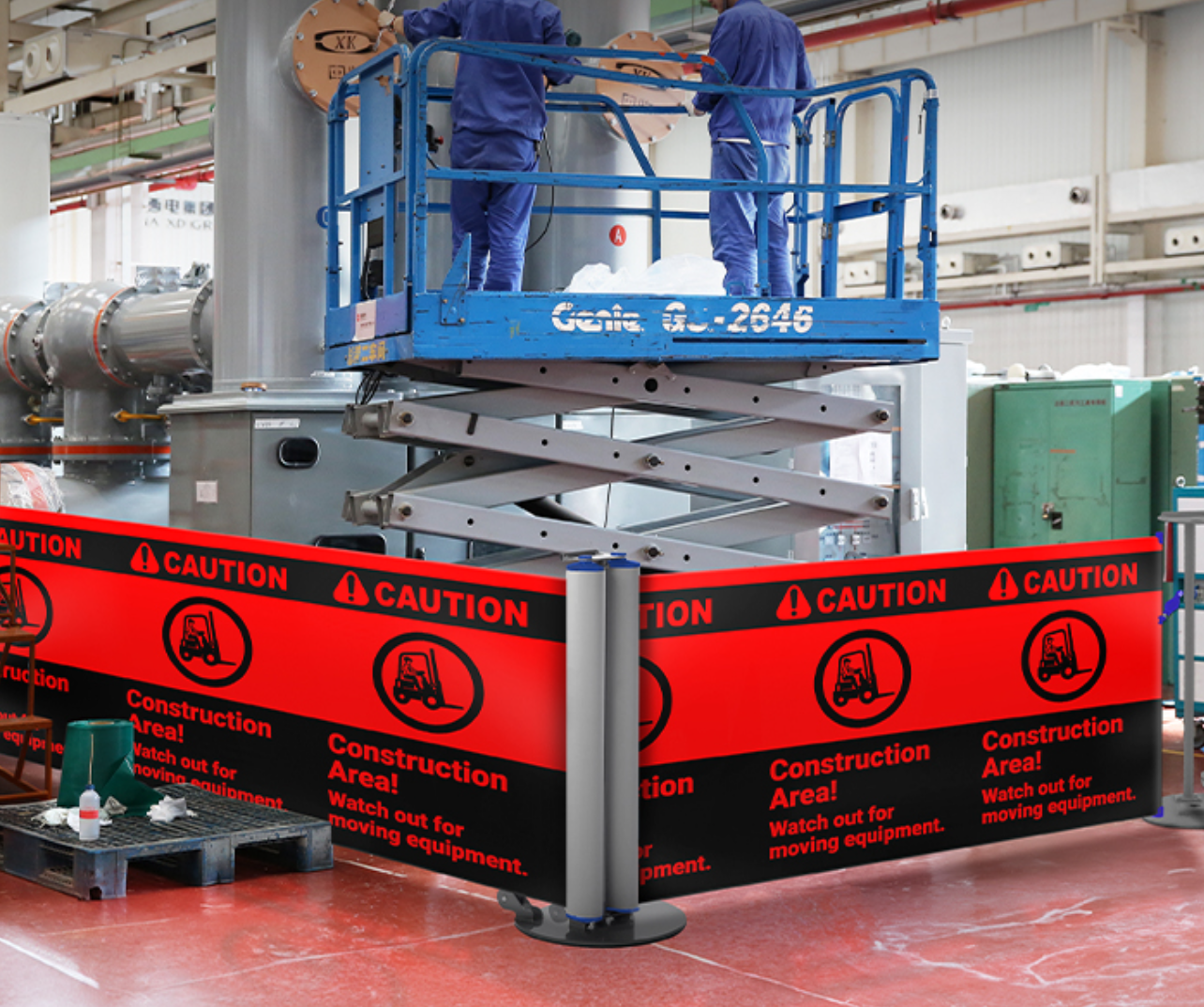
Use floor paint, cones, or barrier tape immediately. Pedestrians shouldn’t be anywhere near the trailer’s swing path during approach. - Standardize “park, brake, keys”
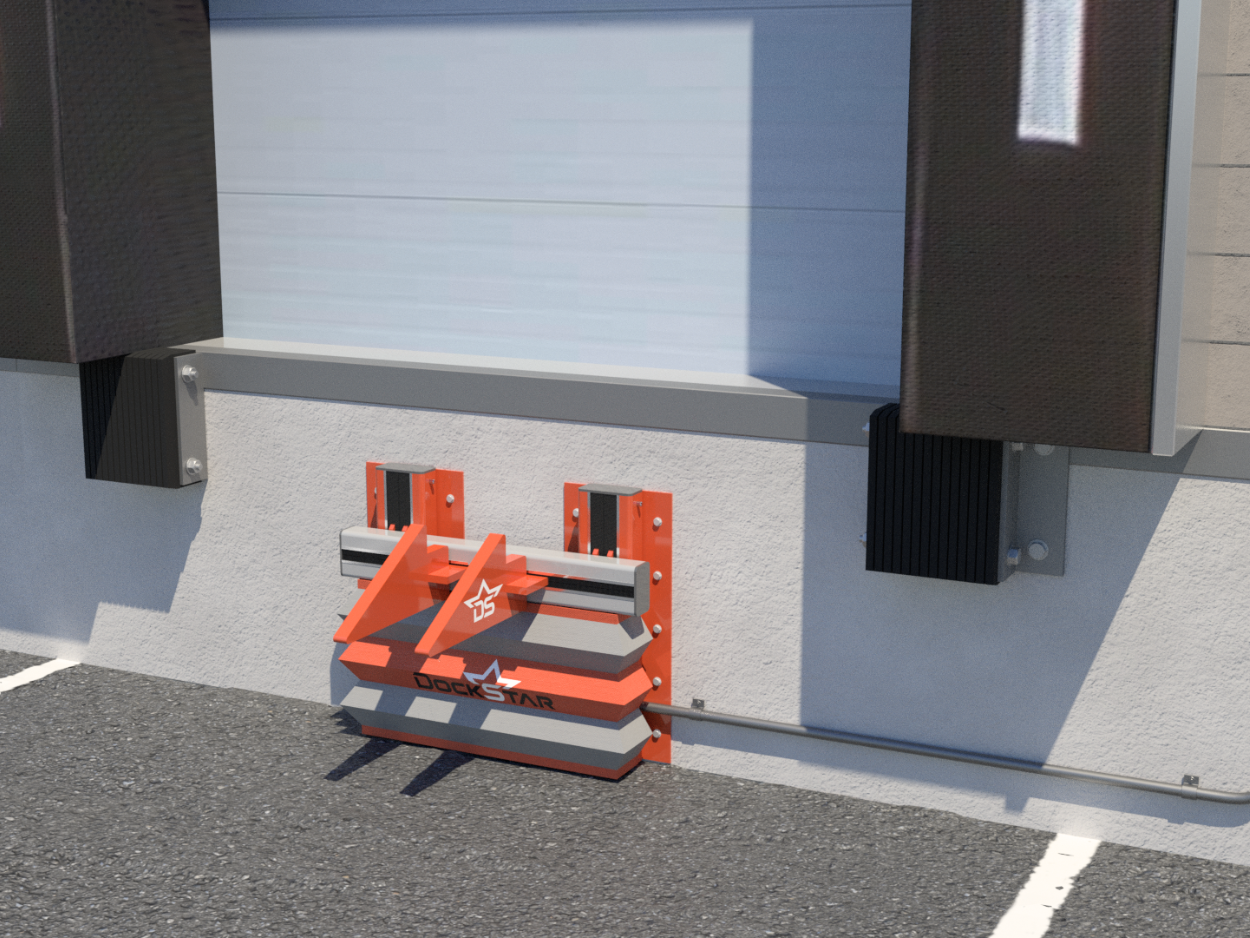
Make it a routine: park in position, set brake, keys surrendered or kept in a lockbox (whatever your process is). Consistency prevents “I thought you were done” moments. - Put wheel chocks at the point-of-use, not “somewhere nearby”
If the dock team can’t see chocks from the door, they won’t get used when things get hectic.
Shop DockStar’s selection of wheel chocks here
At-the-Door Restraint & Clear Communication (6–10)
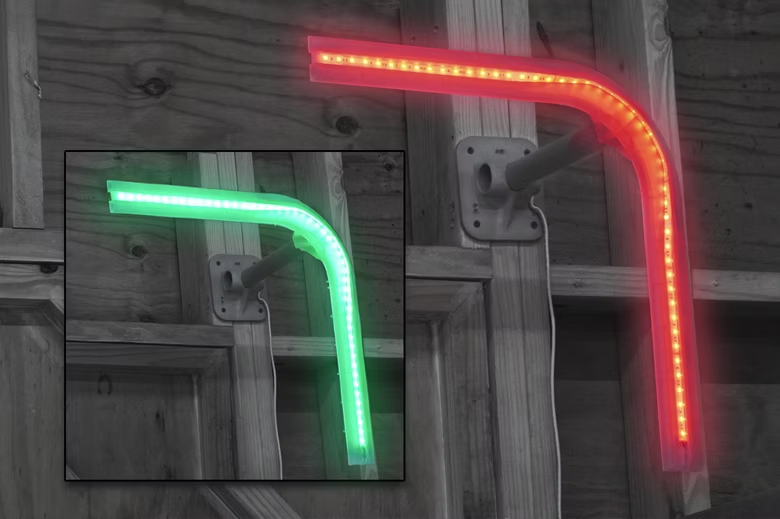
- Make your red/green light rules universal
Same meaning at every door, every shift. If different supervisors interpret lights differently, you’ve built confusion into your safety system. - Post a “Safe to Load” checklist at each door
A simple sign inside the building that spells out the go/no-go conditions. Example: secured trailer + green light + leveler set + area clear. - Add a 10-second “trailer creep” check
First forklift entry is where creep shows up. If the trailer moves, stop and re-secure. This is a simple habit that prevents big problems. - Upgrade your trailer securement method where needed
If you rely on chocks alone in higher-risk lanes, consider stronger control at the door. - Label each door number big and visible (inside and out)
It sounds basic, but it reduces miscommunication, wrong-door loading, and speeds response if there’s an incident.
Related DockStar Products That Can Help:
Heavy Duty Vehicle Restraint
Safety Lights
Dock Surface, Housekeeping, and Slip Prevention (11–15)
- Treat slick spots like emergencies
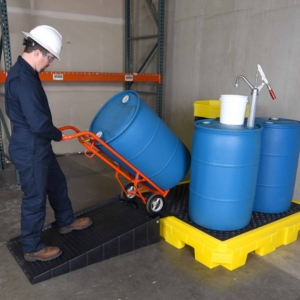
Slips are one of the most repeatable incidents. Use traction tape, anti-slip coatings, and clean spills fast. If it’s routinely wet, solve the cause, not just the symptom. - Put spill kits within 30 seconds of every dock lane
If your team has to “go find the kit,” the spill sits longer and the risk multiplies. Place kits where the spill happens. - Repaint dock edges and hazard markings
Faded markings are invisible in low light and fast-paced work. Strong contrast at the edge reduces missteps. - Kill trip hazards with a “bin at every door” rule
Strap scraps, broken pallets, shrink wrap—these become ankle grabbers. A dedicated bin at each door keeps the lane clean. - Enforce a 3-foot clear zone from the door
No staging, no clutter, no exceptions. This gives forklifts room to align and keeps pedestrians from getting pinched.
Related DockStar Products That Can Help:
Spill Containment
Dock Equipment Basics: Levelers, Bumpers, Seals (16–20)

- Make leveler inspection a 30-second ritual
Before first use, look for slow movement, odd noises, visible damage, or leaks. Problems caught early prevent downtime and accidents. - Use a simple “Do Not Use” tag system
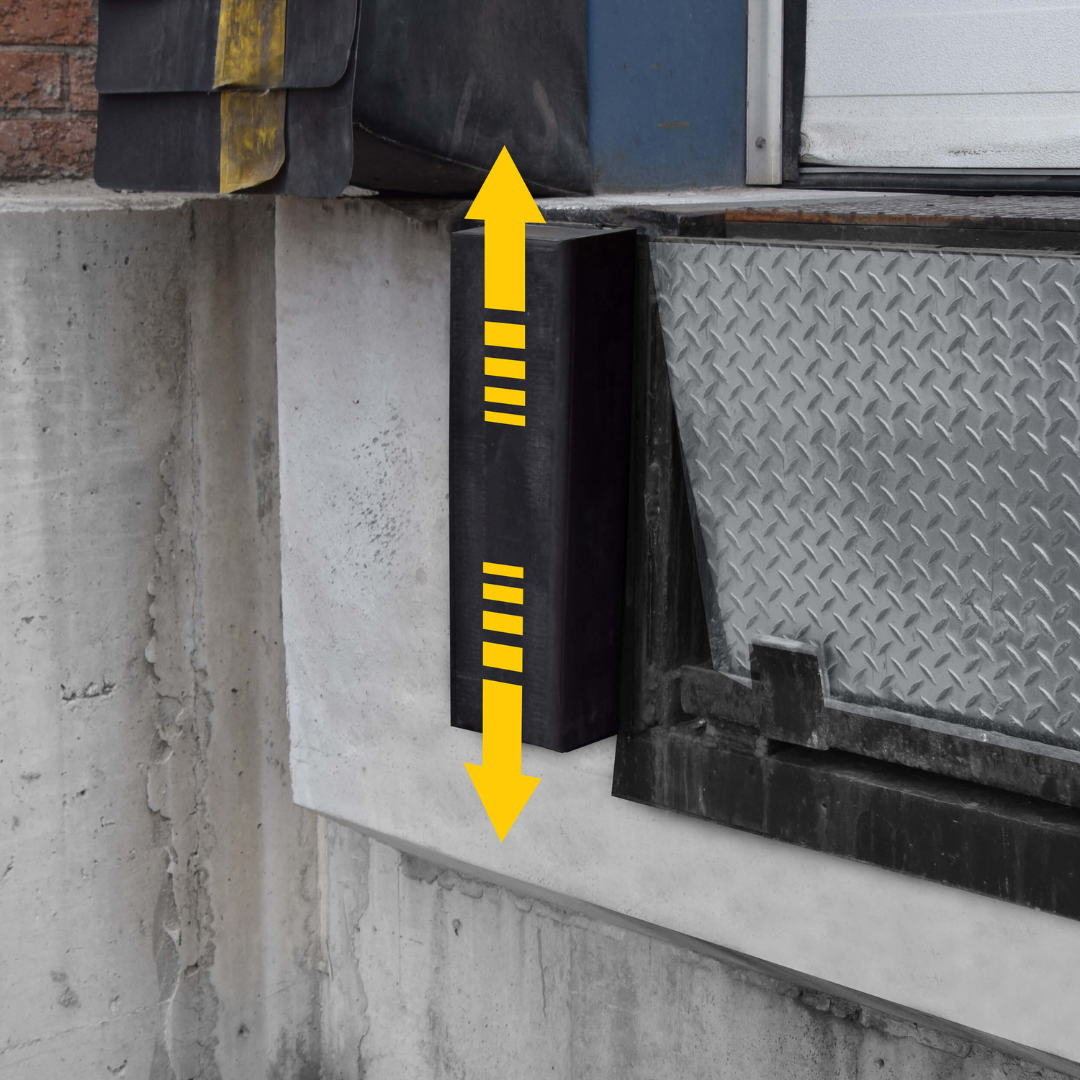
If something isn’t safe, it gets tagged immediately and cannot be used until cleared. A shared rule removes pressure from the operator. - Replace worn bumpers before the wall starts taking hits
Bumpers take the impact so your building doesn’t. If they’re cracked, missing, or compressed beyond usefulness, you’re gambling with costly damage.
Link opportunity: [Dock Bumpers] - Verify load ratings match your heaviest forklift + load
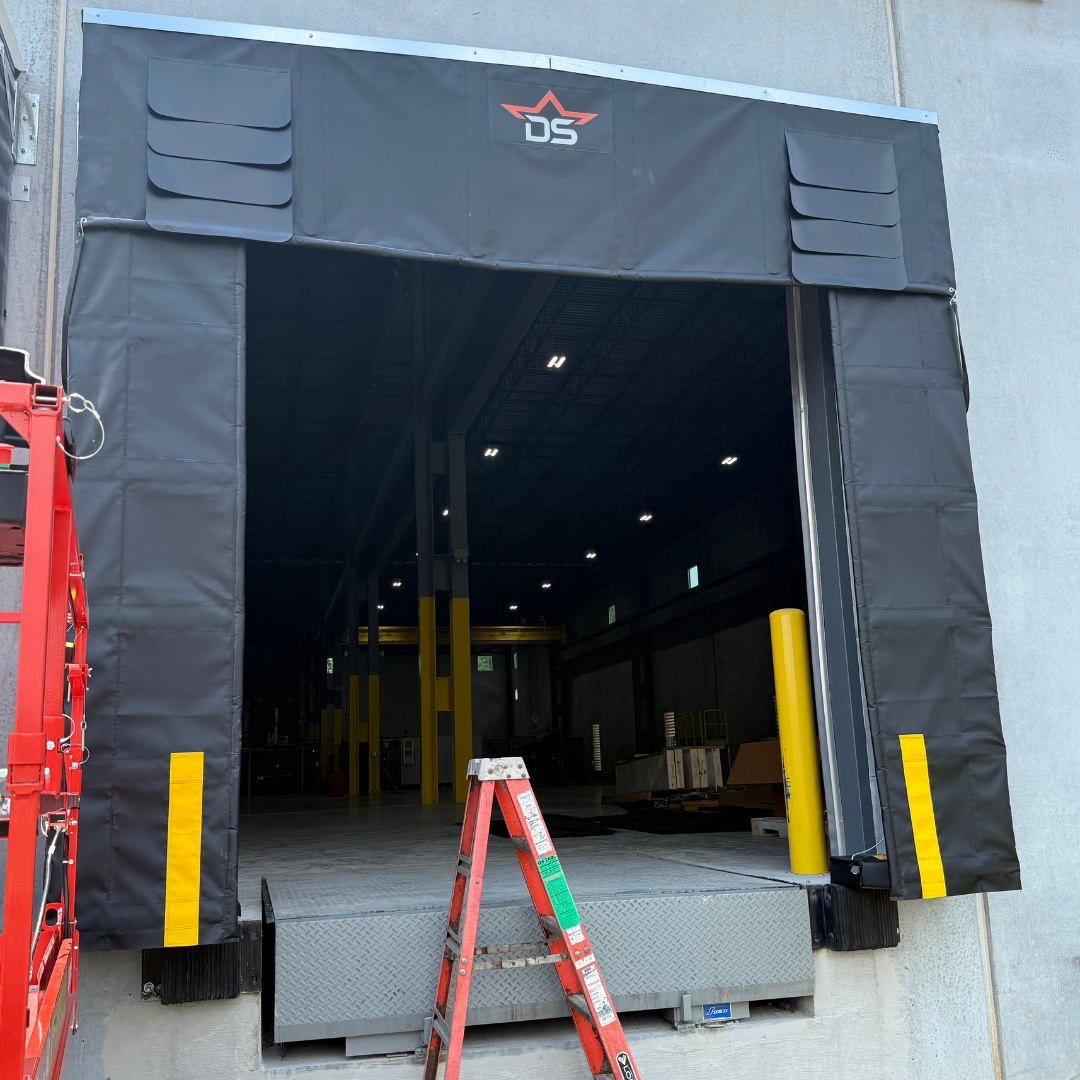
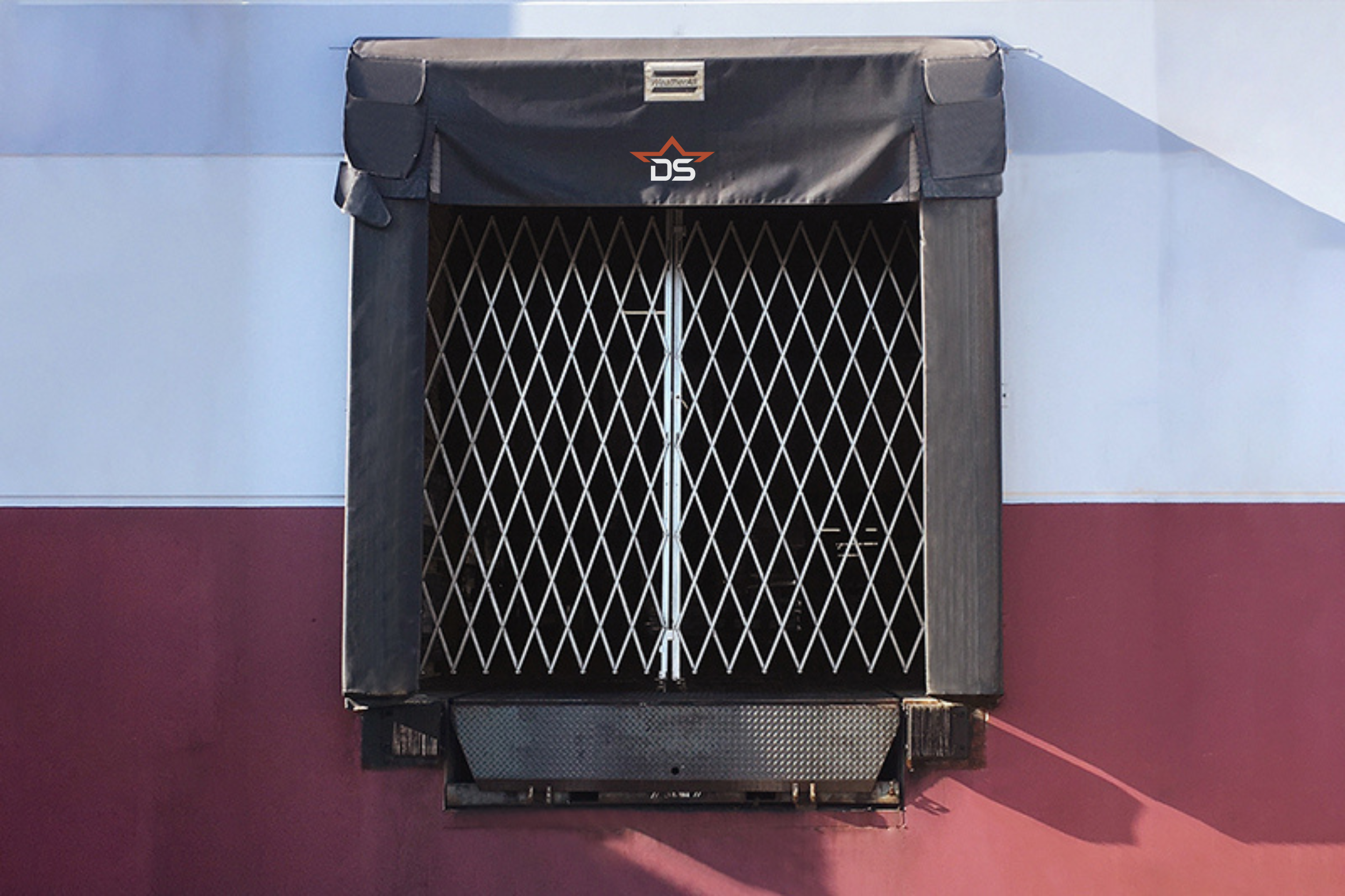
Forklifts change, loads change, and docks get older. Confirm your equipment is rated for current reality—especially if you added heavier forklifts or higher pallet weights. - Check seals/shelters and door bottom seals for gaps
Gaps let in water/ice (slip risk) and can create drafts that affect workers and product.
Link opportunity: [Dock Seals & Shelters] (or your insulated/door seal category if that’s how you structure it)
Related DockStar Products That Can Help:
Loading Dock Levelers
Loading Dock Bumpers & Accessories
Dock Seals & Shelters
Forklift + Pedestrian Separation (21–23)
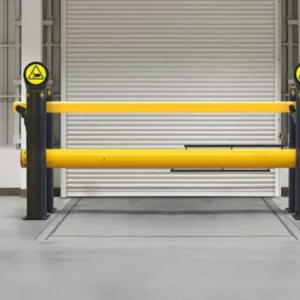
- Add one physical barrier at the most common crossing point
Even a simple gate, chain, or barrier reduces “walked into the lane” incidents. Paint helps, but physical separation changes behavior. - Install mirrors at blind corners near the docks
Forklifts moving around door openings + pedestrians = predictable near-misses. Mirrors are cheap and effective. - Make horn + slow zone rules specific (not vague)
“Be careful” doesn’t work. “Horn at 10 feet, walking speed at door approach” gives a clear standard supervisors can enforce.
Related DockStar Products That Can Help:
Protective Railings
Training & Accountability That Actually Sticks (24–26)
- Run weekly “1 hazard photo” training (5 minutes)
Supervisor snaps one dock photo. Team calls out hazards. Fix at least one item the same day. It builds awareness without classroom time. - Create a 10-item Dock Start checklist per shift
Not 40 items. Ten. If it takes more than 2 minutes, it won’t happen consistently. Focus on the highest-impact checks. - Track near-misses like they’re the early warning system
Near-miss trends show you where the next injury will happen. Log them, review weekly, and fix the pattern—not just the one-off.
If you only do 5 things in January 2026, do these
- Stock spill kits + traction solution at every door
- Post “Safe to Load” rules at every door
- Put securement tools at the point-of-use
- Replace worn impact protection
- Add one physical separation control at your worst crossing point
A simple 2026 safety goal that reduces incidents fast
Goal: “Zero unknowns at the door.”
If your dock team can’t answer these in five seconds, tighten the process:
- Is the trailer secured?
- Is it safe to load right now?
- Is the dock lane clear?
Key Takeaways
In 2026, the fastest way to reduce loading dock incidents is to eliminate “unknowns” and remove the small hazards that pile up during busy shifts. Standardize trailer securement and red/green light rules, keep the dock lane clean and slip-resistant, and stay ahead of equipment wear (especially levelers and bumpers) before it turns into damage or downtime. If your team can confirm secure trailer + safe to load + clear lane in five seconds at every door—every shift—you’ll prevent most of the problems that cause injuries, delays, and costly repairs.


