










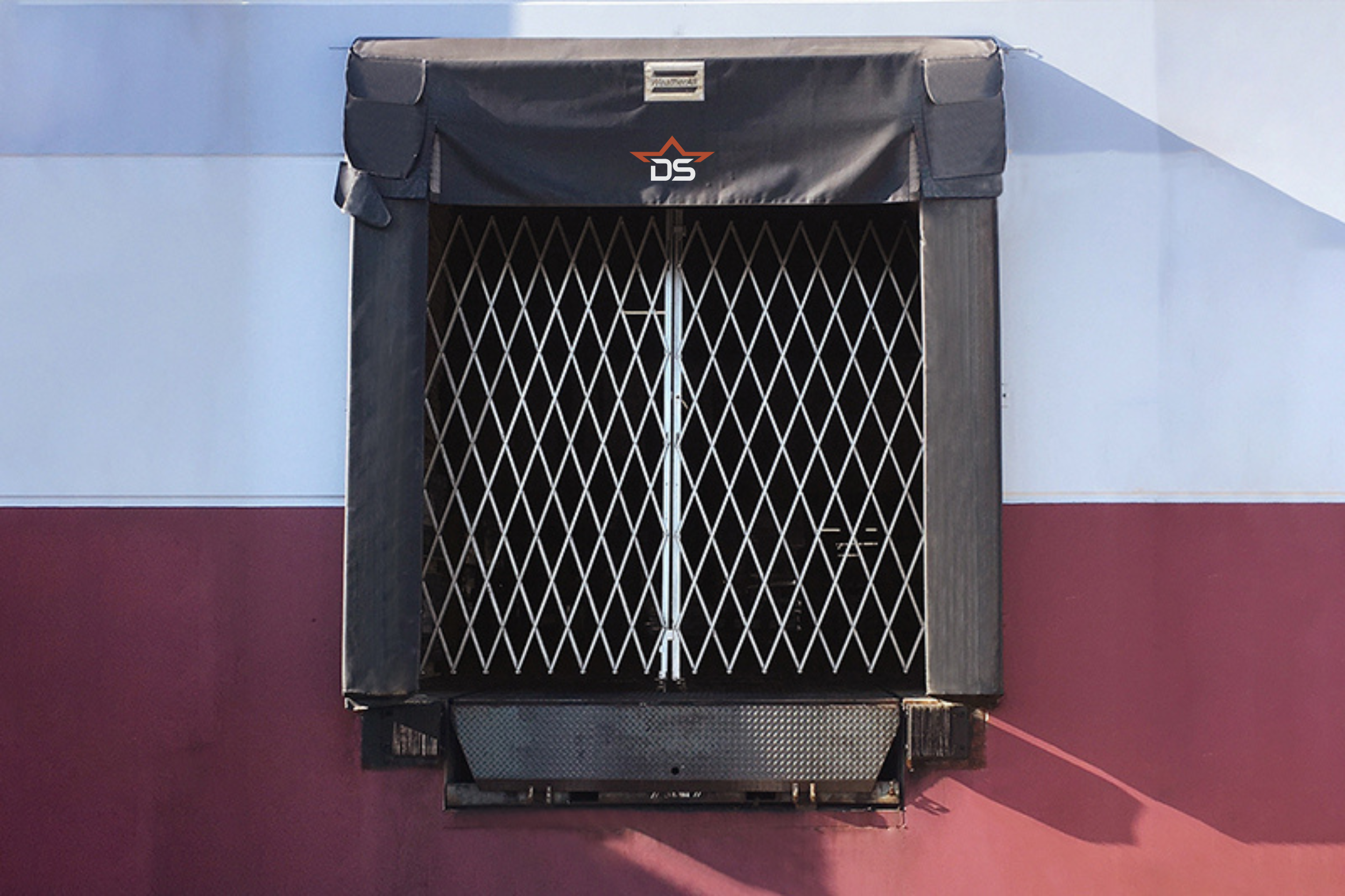

LOADING DOCK LEVELERS
Designed for heavy-duty reliability and tested to meet demanding loading dock conditions.
GET A QUOTE!
Loading Dock Levelers
DockStar’s Range of Loading Dock Levelers
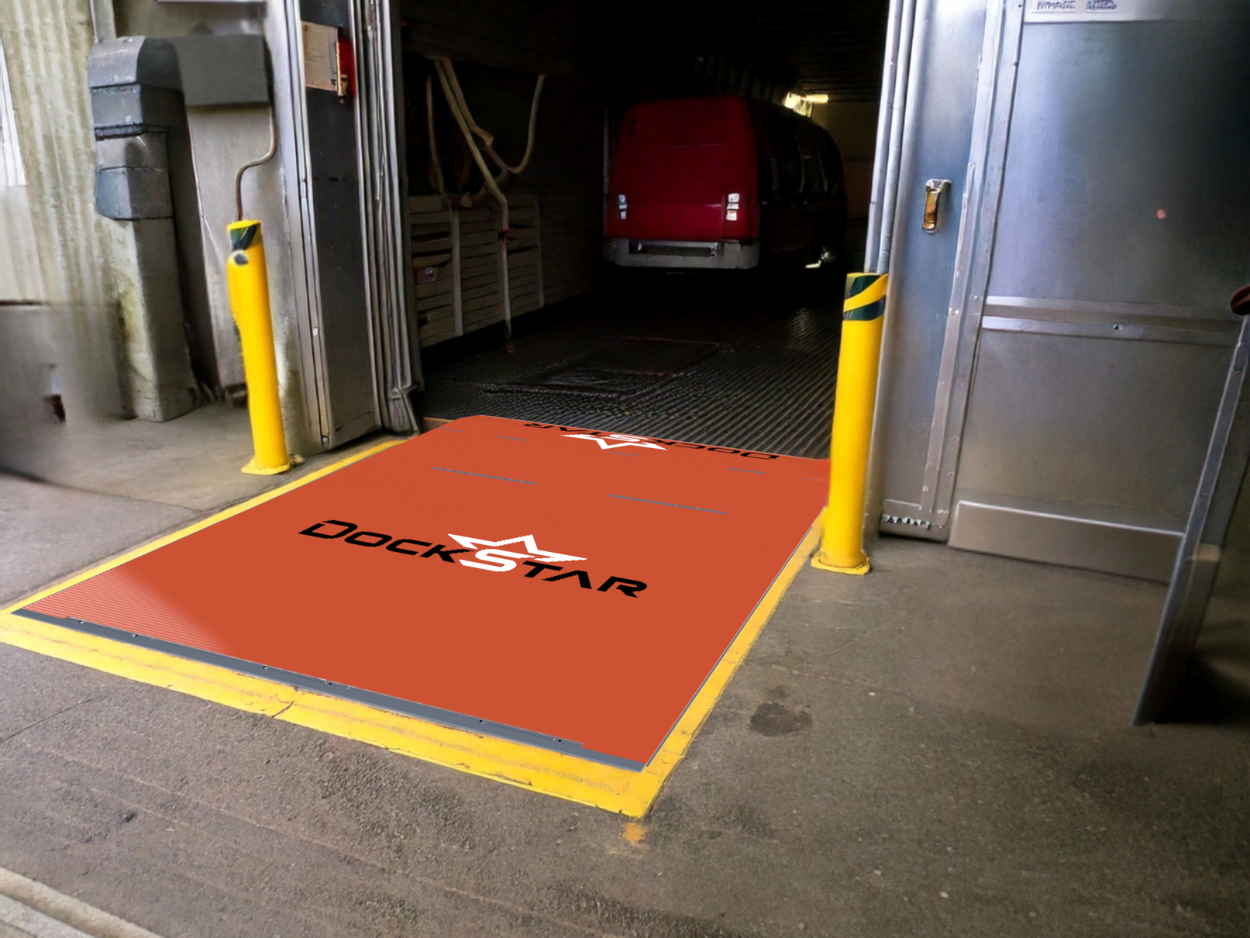
Dockstar Industrial’s dock levelers are engineered to meet the unique demands of any loading environment, offering a comprehensive lineup of solutions to optimize safety and efficiency. From our robust mechanical dock levelers, ideal for low-volume or non-powered applications, to our high-performance hydraulic levelers that provide effortless, push-button operation for high-frequency use, we have a solution for every need. Our advanced tri-pivot levelers offer unmatched flexibility and stability, while our space-saving edge-of-dock levelers provide a simple and reliable option for lighter-duty operations. Whatever the challenge, Dockstar provides a dependable and durable dock leveler solution to keep your business moving.


The Most Innovative Dock Leveler in the Industry!


DockStar’s Tri-Pivot Hydraulic Dock Leveler™
At DockStar, we don’t just build hydraulic dock levelers; we engineer solutions that prioritize safety and performance above all else. Our dock levelers are meticulously crafted using the highest quality materials and cutting-edge manufacturing processes, ensuring unparalleled durability and reliability for even the most demanding loading dock environments. With DockStar, you’re investing in a product that not only enhances efficiency but also protects your personnel and equipment.
The DockStar Tri-Pivot dock leveler™ delivers unmatched performance and longevity with significantly fewer welds than traditional steel models, eliminating a key failure point. Its 80% aluminum platform, reinforced with extruded aluminum cross members, provides superior strength and flexibility. A unique secondary pivot creates a loading platform up to 48″ for smooth transitions, while the industry-first lay-flat lip ensures a seamless trailer interface and protects material handling equipment, personnel, products, etc. Additional features include a non-slip tread pattern, touchscreen controls (with future Control Room compatibility), an integrated safe operation sequence, and a standard light communication system.
Configure the Pivot Points to Optimize your Operations

The DockStar Industrial Tri-Pivot Leveler revolutionizes loading dock operations with its industry-first three-pivot point design. This groundbreaking innovation allows for precise adjustment of the leveler’s length, ensuring a perfect fit for any sized leveler pit. Unlike traditional designs, this adaptability means hazardous gaps and uneven transitions between the dock and trailer are virtually eliminated, significantly reducing the risk of accidents and product damage.
For safety managers, this unparalleled adjustability offers peace of mind. A consistently level and stable loading platform minimizes “dock shock,” protecting both material handling equipment and personnel from jarring impacts and potential fall hazards. This precision also accommodates diverse trailer bed heights and configurations, including below-dock loading, fostering a safer, more efficient, and ultimately more productive loading and unloading environment.

DockStar Hydraulic Dock Leveler: Elevate Your Loading Dock Efficiency
Dockstar’s hydraulic dock levelers are engineered for peak performance, durability, and safety, making them an ideal choice for high-volume, demanding loading dock environments. Operating with effortless push-button control, these systems are constructed with robust, strategically welded J-beams that ensure exceptional structural integrity and extend product lifespan. The advanced hydraulic deck and lip cylinders are designed to maximize operational efficiency and significantly reduce maintenance needs, resulting in lower total cost of ownership compared to mechanical alternatives.

DockStar Edge-of-Dock Leveler: Elevate Your Loading Dock Efficiency
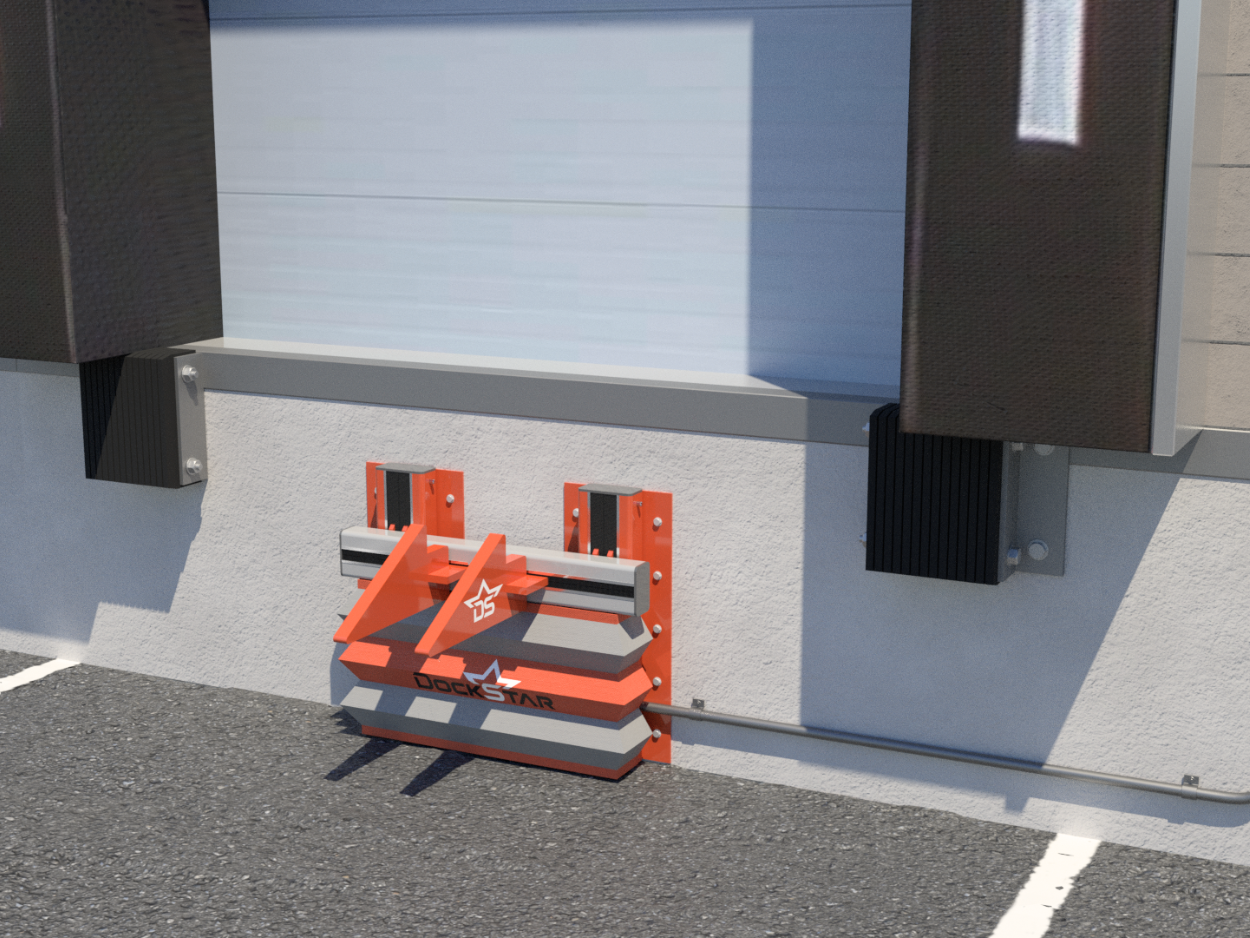
The DockStar MD-CM Series Edge-of-Dock Leveler is your ideal solution for maximizing productivity at loading docks where traditional pit leveler installation isn’t practical, or when servicing a consistent range of truck bed heights.
- Effortless Integration & Operation
- Built for Performance
- Unmatched Ergonomics
Load Capacity Matrix
The Load Capacity Matrix is a guide used to determine the appropriate rated capacity (in pounds or kilograms) of a dock leveler based on:
- Total load weight (forklift + load being carried)
- Forklift type and frequency of use
- Operating conditions (impact forces, grade differences, etc.)
It ensures that the dock leveler is neither underspecified (unsafe) nor overspecified (unnecessarily expensive).
🧮 Typical Formula for Selecting Capacity
Total Rolling Load = (Forklift Weight + Load Weight) × Dynamic Factor
- Forklift Weight: average 8,000–12,000 lb
- Load Weight: typical 2,000–4,000 lb
- Dynamic Factor: 1.2–1.5 (for impact and grade stress)
Example:
If a 10,000 lb forklift carries a 4,000 lb load:
(10,000 + 4,000) × 1.25 = 17,500 lb total rolling load
That would correspond to a 40,000 lb-rated dock leveler (since levelers are rated for impact load, not static weight).
⚙️ Recommended Dock Leveler Type by Load Range
| Forklift + Load Range | Recommended Capacity | Usage Frequency | Suggested Leveler Type | Reasoning |
|---|---|---|---|---|
| 6,000–8,000 lb forklift, ≤ 2,000 lb load | 25,000 lb | Light (few trucks/day) | Edge of Dock | Low rolling load and infrequent use make an edge-of-dock suitable. It’s compact, economical, and adequate for light-duty operations. |
| 8,000–10,000 lb forklift, ≤ 3,000 lb load | 30,000 lb | Moderate | Hydraulic | Regular use and moderate loads benefit from a hydraulic leveler’s ease of operation and reduced wear. Manual units would be inefficient. |
| 10,000–12,000 lb forklift, ≤ 4,000 lb load | 35,000–40,000 lb | Heavy | Hydraulic | Heavy use and higher rolling loads justify a full pit-style hydraulic leveler for smooth, safe performance. |
| 12,000–14,000 lb forklift, ≤ 5,000 lb load | 45,000–50,000 lb | Continuous | Tri-Pivot | Continuous or 24/7 operation demands a heavy-duty mechanical system like a tri-pivot, which resists fatigue and provides maximum stability. |
| 15,000+ lb forklift, ≥ 6,000 lb load | 60,000–80,000 lb | Very Heavy / 24-hr use | Tri-Pivot | For industrial or steel/paper applications, only a tri-pivot or equivalent heavy-capacity leveler provides the needed structural durability and impact resistance. |
Available Upgrades
Enhance your Dockstar hydraulic dock leveler with these advanced upgrades:

Intuitive Touch Screen Control System

Loading Dock LED Lights

Vehicle Restraints
Other Loading Dock Equipment
The RockStars of Loading Dock Equipment
At DockStar, we don’t just sell equipment; we provide solutions. Our Edge-of-Dock Leveler Series is designed with your bottom line in mind, offering a durable, efficient, and user-friendly alternative to outdated dock plates. We are committed to helping you improve safety, streamline your operations, and get the most out of every moment on your loading dock.
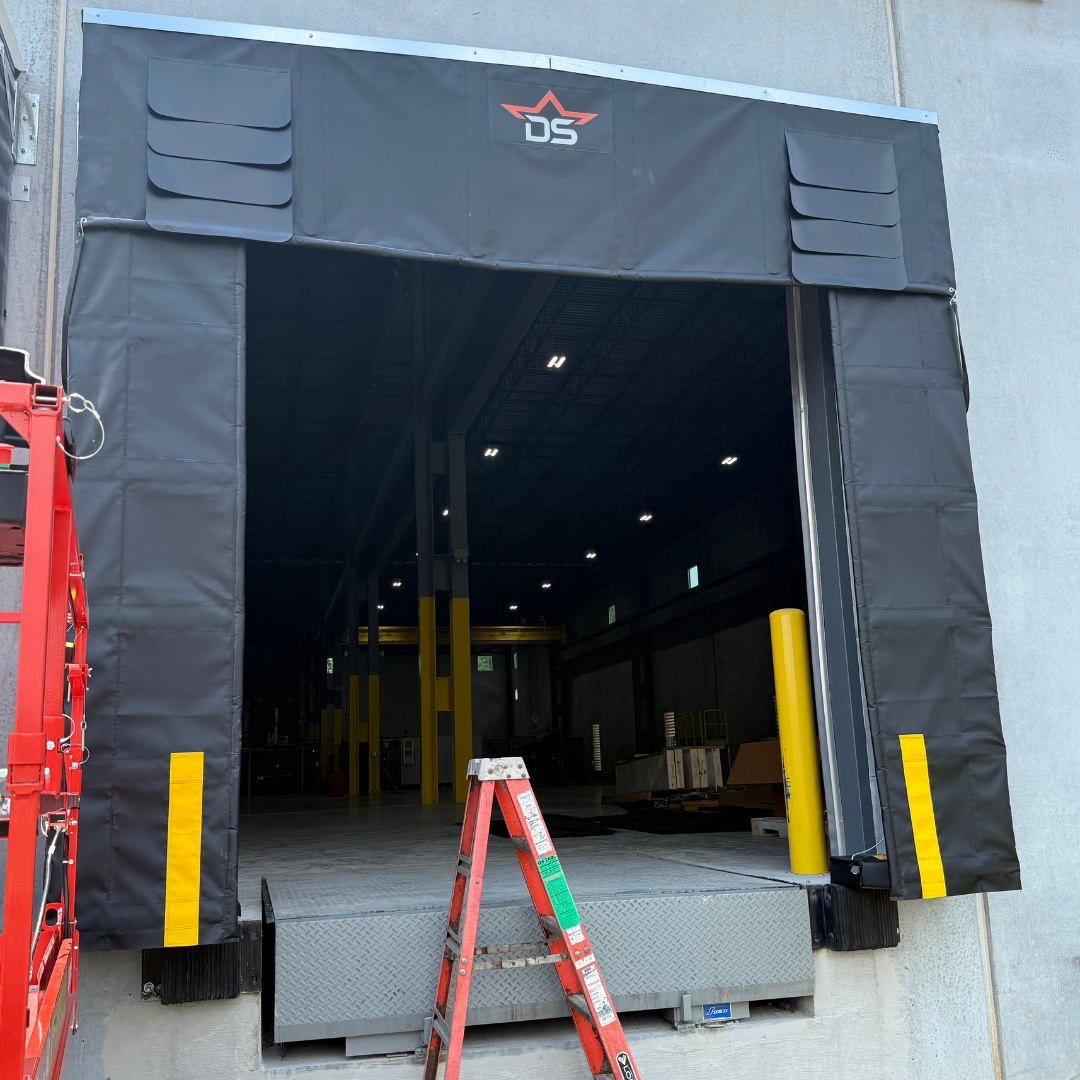
In addition the the edge of dock, we offer a full suite of loading dock equipment, including vehicle restraints for secure trailer locking, dock seals and shelters for weather protection, and dock lights to improve visibility. Our extensive product line ensures you have everything you need to create a safer, more productive, and more profitable loading dock environment.
In addition the the edge of dock, we offer a full suite of loading dock equipment, including vehicle restraints for secure trailer locking, dock seals and shelters for weather protection, and dock lights to improve visibility. Our extensive product line ensures you have everything you need to create a safer, more productive, and more profitable loading dock environment.


Frequently Asked Questions
1. What is a dock leveler and why do I need one?
A dock leveler is a device installed at the loading dock that bridges the height difference between the dock floor and the trailer bed. It allows forklifts, pallet jacks, and other equipment to roll smoothly and safely between your facility and a truck. A proper leveler improves safety, reduces equipment damage, and speeds loading/unloading.
2. What types of dock levelers are available?
The common types include:
Pit / in-floor (pit) levelers — recessed into a pit at the dock face
Edge-of-dock levelers — mounted to the face of the dock surface, no pit required
Activation modes: mechanical (spring / chain), hydraulic, or air-powered / pneumatic
Some models include lip extensions / floating lips and safety features (fall protection, cross-traffic legs)
Choosing among them depends on your site conditions, dock height variance, traffic volume, and budget.
3. How do I choose the right dock leveler for my facility?
When selecting a dock leveler, keep these factors in mind:
Dock height & trailer bed variance — ensure the leveler’s vertical range covers your highest/lowest trailer beds
Load + forklift capacity — choose a leveler rated to handle your heaviest loads plus the forklift
Cycle rate / usage frequency — for high-use docks, favor more robust or powered designs
Pit availability — if you don’t have a dock pit, edge-of-dock models might be safer and less costly
Operating method preferences — some prefer push-button hydraulic over manual mechanical
Available headroom / approach slope / dock approach geometry
Maintenance access & serviceability
4. What is a safe load rating / capacity specification?
Dock leveler capacity is usually expressed in static, rollover, and dynamic ratings:
Static load = the weight the leveler supports while stationary
Rollover load = the load it supports while a vehicle crosses over it in stored position
Dynamic load = forces when the lip meets or transitions to the trailer bed under motion
Among those, dynamic load is often the most critical in real-world usage because it reflects shifting loads and impacts.
5. How long does installation take?
A properly prepared dock site with a good contractor can often install a dock leveler in one day (excluding site prep).
However, if you need to excavate a pit, level the area, run electrical, or modify the dock approach, that prep work can add several days or more.
6. What maintenance does a dock leveler require?
To keep your leveler safe and reliable:
Conduct inspections quarterly (or more frequently in heavy use)
Check springs, chains, pivot pins, hinge mechanisms, lip operation, frame condition
Lubricate moving parts per manufacturer recommendations
Repair or replace worn parts immediately — small damage often leads to bigger issues if ignored
For hydraulic units: monitor fluid levels and seals
Proper maintenance can dramatically extend the service life of the unit.


GET IN TOUCH WITH A LOCAL DOCKSTAR REP TODAY!
