












Yard Management
Definition:
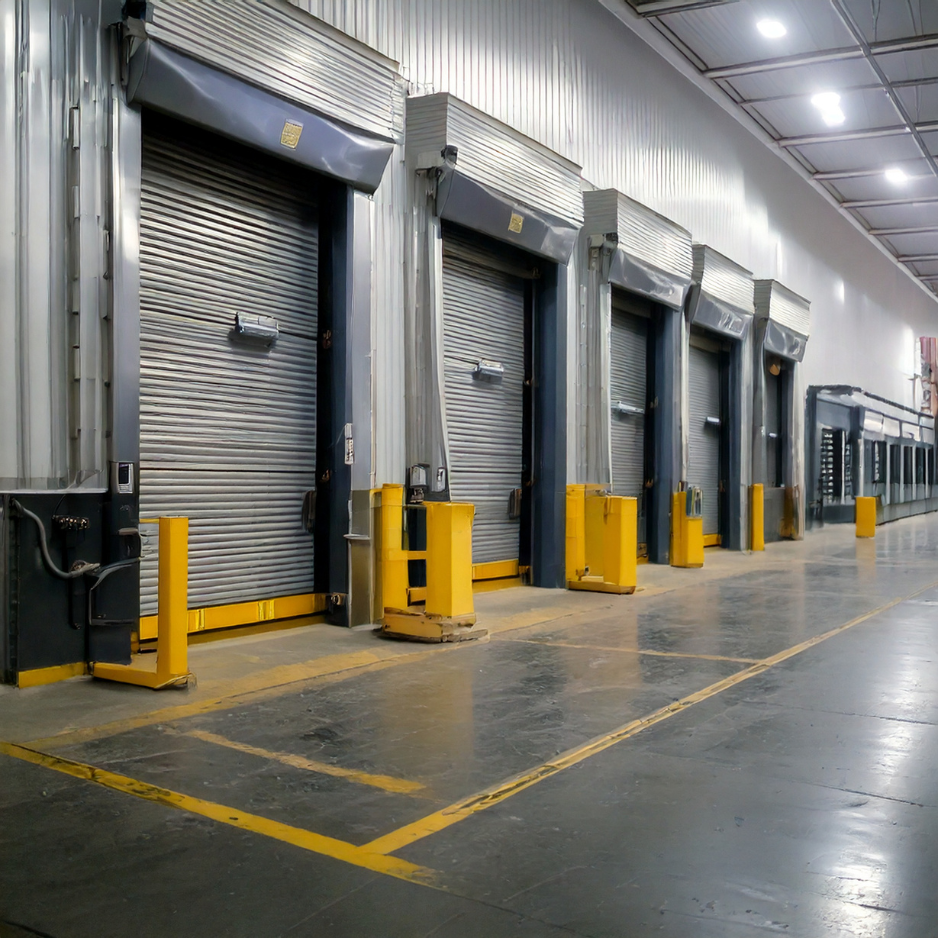
Yard Management (YM) refers to the process of efficiently controlling and tracking the movement of trucks, trailers, and containers within a warehouse, distribution center, or manufacturing facility’s yard. It bridges the gap between transportation and warehouse operations by ensuring assets flow smoothly in and out of loading docks.

What is Yard Management?
In a busy warehouse or industrial setting, the yard is often overlooked compared to the warehouse floor—but it’s where supply chain delays often begin. Yard Management involves overseeing inbound and outbound shipments, optimizing dock scheduling, reducing trailer idle time, and improving visibility of yard assets. Businesses with high truck volume rely on yard management systems (YMS) to track trailer locations, assign docks efficiently, and communicate with drivers in real time. Without proper oversight, facilities risk congestion, safety hazards, detention fees, and missed delivery windows.
Related blog post: The Top 5 Dock and Yard Management Software
Why Yard Management Matters
- Throughput efficiency: A well-organized yard minimizes bottlenecks at loading docks, speeding up turnaround times.
- Cost savings: Idle trailers and detention fees cost companies millions annually. Better scheduling and visibility cut these expenses.
- Visibility: Real-time updates reduce miscommunication and provide proof of delivery events.
- Safety: Reduces the risk of yard accidents by streamlining trailer movements.
Relevant Statistic:
According to the ARC Advisory Group, companies using a Yard Management System can reduce trailer check-in/check-out times by 15–30% and cut detention fees by 20–40%. Additionally, Gartner reports that facilities implementing YMS see up to 20% improvement in dock utilization.
Key KPIs to Monitor:
- Average trailer dwell time
- Gate check-in/check-out time
- Dock utilization rate
- On-time inbound/outbound shipments
- Detention/demurrage costs
FAQs on Yard Management
1. What is the difference between yard management and warehouse management?
Warehouse Management focuses on operations inside the facility (inventory, picking, packing), while Yard Management controls the flow of trailers, containers, and trucks outside the facility at docks and gates.
2. Do small warehouses need yard management?
Yes—any facility with frequent truck movements benefits. Even small-scale operations can reduce congestion, improve scheduling, and save money on detention fees with basic yard visibility.
3. What is a Yard Management System (YMS)?
A YMS is software that provides real-time visibility into yard assets, tracks trailer locations, automates dock assignments, and integrates with WMS/TMS platforms.
4. How does yard management impact customer service?
By reducing delays and improving shipment accuracy, yard management ensures deliveries are on time, improving customer satisfaction.
5. What industries benefit most from yard management?
Retail, manufacturing, food & beverage, automotive, and 3PLs (third-party logistics providers) often see the greatest impact due to their high volume of inbound/outbound shipments.
6. Can yard management help reduce detention fees?
Yes—better scheduling, real-time alerts, and efficient dock assignments help minimize idle trailer time, directly reducing detention costs.
Key Takeaways
Yard Management is the backbone of smooth warehouse and transportation operations. By streamlining trailer movements, reducing idle time, and improving dock efficiency, businesses can cut costs and increase throughput. Companies that invest in yard management—whether through process improvements or a dedicated YMS—gain a competitive edge in speed, cost control, and service reliability.
This strategy, with the right DockStar dock equipment, ensures your warehouse keeps pace with the heavier, denser loads that aggregated logistics can bring.
