













Chock
Definition
Chock (noun): A wedge-shaped block, typically made of rubber, steel, or urethane, that is placed against the wheels of a truck, trailer, or piece of industrial equipment to prevent movement during loading, unloading, or storage.
What a Chock Is in a Loading Dock Setting
In industrial and warehouse environments, a chock is one of the most basic yet critical dock safety tools. Whether it’s a truck wheel chock or a trailer chock, the purpose is the same: stop unintended vehicle movement. By securing trucks and trailers in place, chocks protect workers, forklifts, and cargo from accidents caused by rolling or shifting equipment.

Why Chocks Matter at Loading Docks
- Regulatory Compliance: OSHA requires that trucks and trailers be secured from movement before they are loaded or unloaded. Using a wheel chock for trucks is an accepted and effective method.
- Accident Prevention: Trailer creep and roll-away accidents are among the most common dock hazards. Proper use of trailer wheel chocks dramatically reduces this risk.
- Worker Safety: Forklift operators rely on chocks to maintain a stable connection between the dock and trailer, reducing injury risks.
- Cost Control: A small investment in durable loading dock chocks can prevent costly downtime, damaged goods, and liability claims.
Best Practices for Using Chocks
Placement
Chocks should be placed snugly against the tires, and in many cases, using them on both sides of a wheel provides maximum security. For sloped or uneven dock approaches, dual-sided placement is highly recommended.
Material Options
- Rubber truck wheel chocks: Slip-resistant, durable, and ideal for standard warehouse applications.
- Steel trailer chocks: Designed for heavy-duty conditions and larger trailers.
- Urethane wheel chocks: Lightweight but strong, offering easy handling without sacrificing safety.

Combining With Other Systems
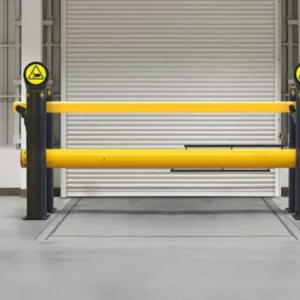
Chocks should not be the only safety measure. Pairing dock wheel chocks with vehicle restraints, dock levelers, and barrier gates provides comprehensive protection against accidents.
FAQs About Chocks
1. What is the purpose of a trailer chock?
A trailer chock prevents a trailer from moving or creeping away from the dock during loading and unloading, keeping both people and cargo safe.u003cbru003e
2. Do OSHA regulations require truck wheel chocks?
Yes. OSHA states that vehicles must be secured from movement, and u003cstrongu003etruck wheel chocksu003c/strongu003e are one of the most common methods used to stay compliant.
3. What type of chock is best for heavy trailers?
Steel or heavy-duty rubber u003cstrongu003etrailer wheel chocksu003c/strongu003e are ideal for securing large trailers. For lighter loads or general dock activity, rubber or urethane options are often sufficient.
4. Can wheel chocks replace vehicle restraints?
No. While u003cstrongu003ewheel chocks for trucks and trailersu003c/strongu003e are effective, they should be used in addition to vehicle restraints to provide maximum dock safety.
5. How long do loading dock chocks last?
The lifespan depends on material and frequency of use. Rubber chocks typically last 1–2 years in high-traffic docks, while steel or urethane chocks can last longer with proper care.
6. What happens if a truck or trailer isn’t chocked?
Unsecured vehicles can roll or shift, leading to forklift accidents, product damage, and serious injuries. u003cstrongu003eTruck and trailer chocksu003c/strongu003e are a low-cost solution to prevent these issues.
Key Takeaways
A chock is a simple but essential piece of loading dock safety equipment. Whether it’s a trailer chock, truck wheel chock, or general warehouse wheel chock, the role is the same: secure vehicles in place to prevent accidents and comply with OSHA regulations. By investing in the right chocks and combining them with other dock safety systems, warehouses and distribution centers can protect workers, reduce costs, and keep operations running smoothly.

Check out our Solutions!
When Unified Resources needed to create functional office space inside an active warehouse without sacrificing valuable operational square footage, they partnered with DockStar Industrial for a fully customized prefabricated warehouse office solution. The project called for a large-scale modular office buildout that would provide multiple private offices, a conference room, and a break room—all while maintaining warehouse efficiency and minimizing disruption to the existing facility footprint. DockStar designed and supplied a complete in-plant office system tailored to the customer’s operational needs, creating a modern administrative workspace inside the warehouse while preserving critical storage and workflow areas.
Read MoreWhen a fast-moving industrial facility identified aging dock equipment, damaged doors, and outdated safety systems creating operational risk across multiple loading positions, they partnered with DockStar Industrial for a complete loading dock modernization project. Rather than replacing isolated components one at a time, the customer chose to complete a full dock renovation—upgrading every major piece of dock equipment across the affected loading positions to improve safety, efficiency, appearance, and long-term reliability. The result was a fully integrated dock package featuring new dock seals, vehicle restraints, communication lighting, dock accessories, and coordinated installation support designed to bring the entire dock system up to modern operational standards.
Read MoreAt busy service and distribution facilities, dock doors aren’t just building components—they’re critical operational assets. When doors begin showing signs of wear or become unreliable, it can slow operations, increase maintenance costs, and create safety concerns for employees working around the dock area. Earlier this year, DockStar partnered with a Northeast commercial facility to replace multiple aging dock doors with new heavy-duty sectional steel doors designed to support daily operational demands. The project required careful coordination across several stakeholders, detailed planning around door sizing and installation, and consistent communication to keep everything progressing on schedule.
Read More