













Intermodal Transportation
Definition
Intermodal transportation is the movement of freight using two or more modes of transport — such as truck, rail, ship, or air — without unloading or handling the cargo itself each time it switches modes. The freight typically stays inside a single standardized container or trailer for the entire journey, from origin to destination.

What Does Intermodal Transportation Mean?
Rather than transferring goods from one vehicle to another by hand or with separate packaging, intermodal transportation relies on standardized containers that can be lifted, stacked, and transferred directly between a ship, a railcar, and a truck chassis. This is the core meaning behind the term: the container moves seamlessly across modes, not the goods inside it.
For warehouses and distribution centers, intermodal transportation is what brings freight to the dock in the first place — often arriving by rail or ocean container, then finishing the last leg by truck before it’s unloaded at a loading dock or cross-dock facility.
Key Characteristics
- Multiple modes, one container — freight moves by rail, truck, ship, or air without being repacked
- Standardized equipment — intermodal containers are built to a common size so they transfer between trailers, railcars, and cranes without modification
- Reduced handling — fewer touches mean less risk of damage and lower labor cost per shipment
- Common in long-haul freight — especially cost-effective over distances where rail or ocean legs can replace a large portion of the truck mileage
Intermodal Transportation vs. Multimodal Transportation
The two terms are often confused. Intermodal transportation usually involves separate contracts or carriers for each leg of the journey, while multimodal transportation is booked under a single contract with one carrier responsible for the entire route, even though multiple modes are still used.
Why It Matters at the Dock
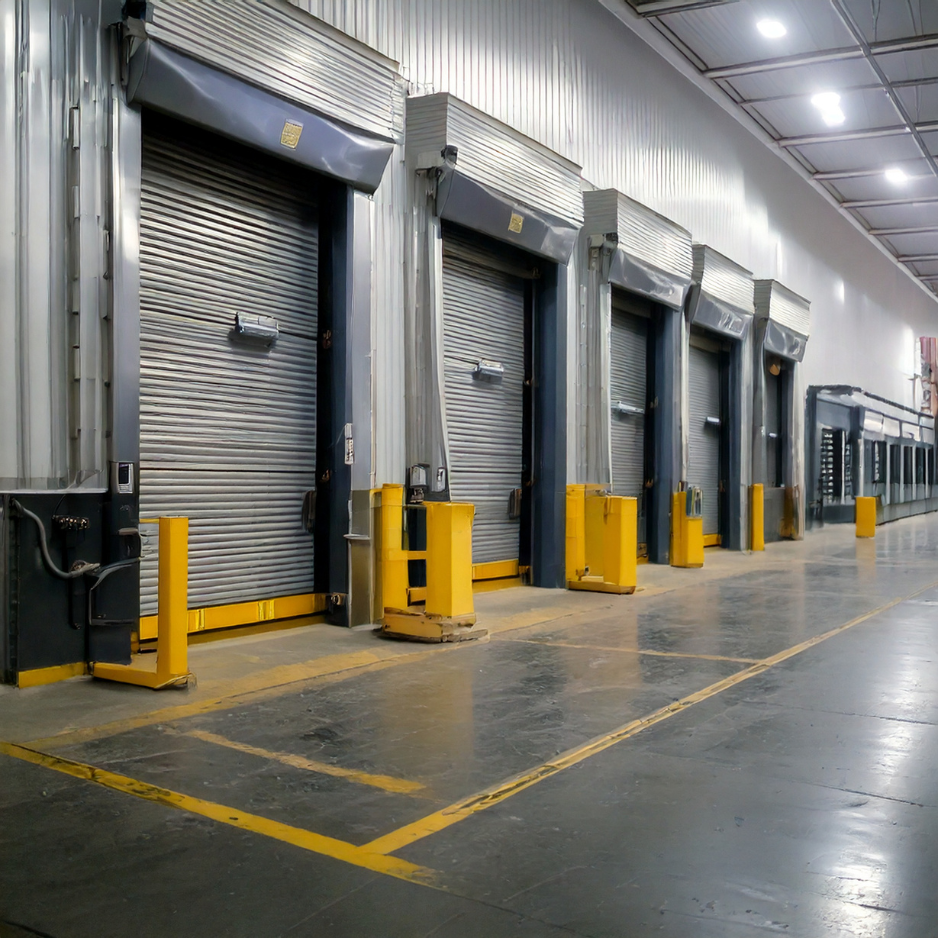
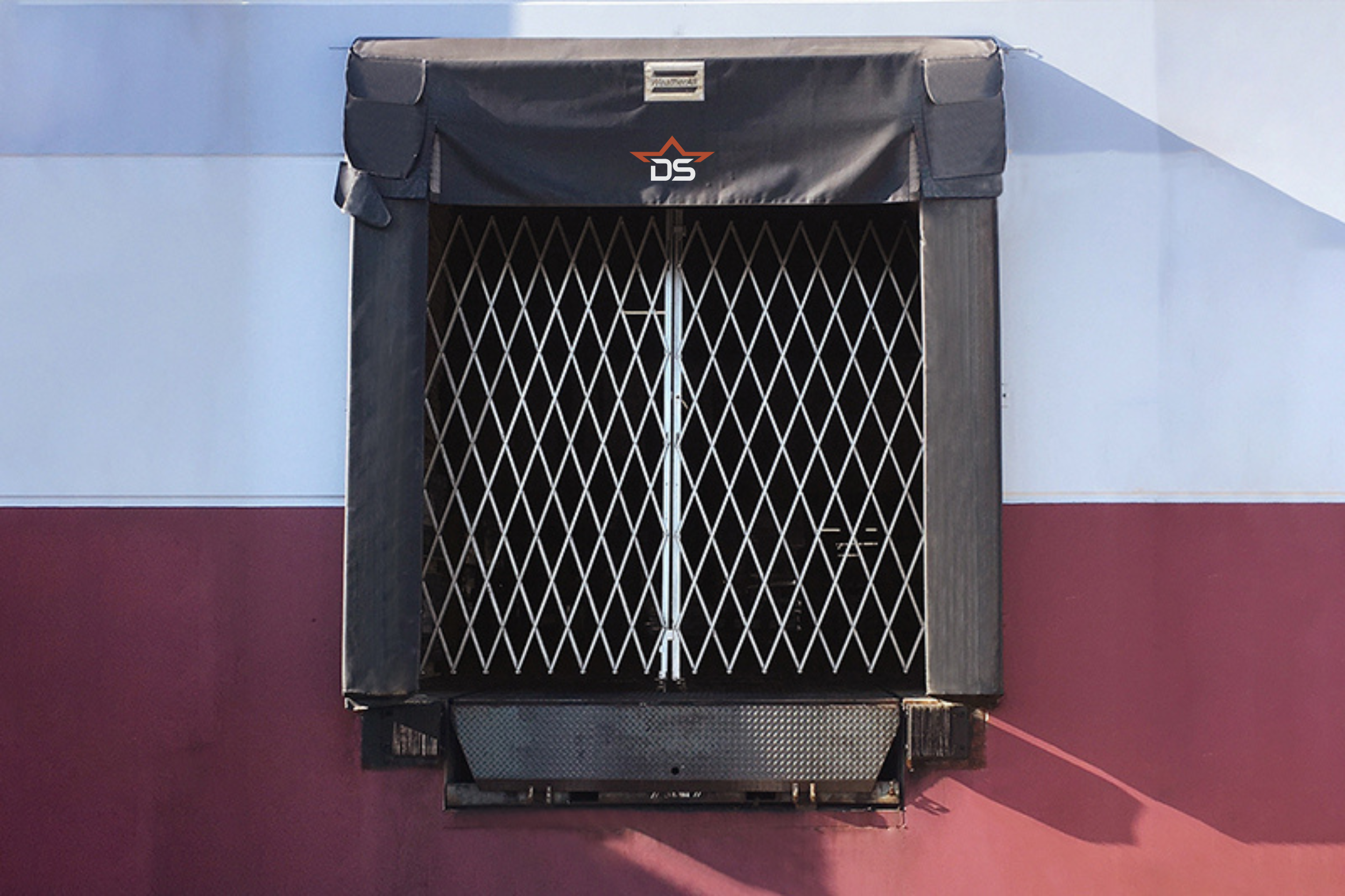
Facilities that receive intermodal freight need loading dock equipment sized and rated for standard container and chassis dimensions — including dock levelers, dock seals, and dock plates capable of handling the weight and trailer heights that come with intermodal shipments. Understanding intermodal transportation helps warehouse operators plan dock scheduling, equipment specs, and yard management around predictable container flow.
Related Terms
Cross-Dockingmaterial handling and help products move efficiently through storage areas, trailers, and loading dock operations.
Intermodal Shipping
Intermodal Trucking
Intermodal Container
Drayage
FAQs
Is intermodal transportation cheaper than trucking alone?
Often, yes — for long distances. Rail legs typically cost less per mile than over-the-road trucking, so shifting the middle portion of a haul to rail can lower total freight cost even after adding drayage fees on both ends. The savings shrink or disappear on shorter routes where drayage and handling fees eat into the rail discount.
How long does intermodal shipping take compared to truckload?
Intermodal generally takes longer than a dedicated truckload shipment — typically 1 to 3 extra days — because the container has to be transferred between rail yards and trucks, and rail schedules aren’t as flexible as a truck leaving on demand. Shippers usually trade a bit of speed for lower cost and fewer emissions.
What size containers are used in intermodal transportation?
The most common sizes are 20-foot and 40-foot ISO containers, along with 53-foot domestic intermodal containers used for rail moves within the U.S. Container dimensions are standardized so the same box fits ship cranes, rail well cars, and truck chassis without modification.
Who is responsible for damaged freight in an intermodal shipment?
Liability depends on which leg of the journey the damage occurred during, since intermodal moves typically involve separate carriers and contracts for each mode. This is one reason shippers track container condition and seal numbers at every handoff point — it establishes where in the chain a problem happened.

Check out our Solutions!
DockStar Industrial coordinated a large commercial wire mesh storage locker project, including delivery follow-up, supplier coordination, installation planning, site visit support, and final project details for approximately 100 storage lockers.
Read MoreDockStar Industrial supplied and installed a railcar dock seal for an industrial loading door, helping improve weather protection, reduce air and debris intrusion, and support railcar loading operations.
Read MoreDockStar Industrial supplied wire security storage lockers for a new apartment building in Mineola, Long Island. The project included 4' x 4' x 7'-6" tenant storage lockers designed for secure resident storage, bike storage, and efficient storage room organization.
Read More