












Hazmat Placard Meaning
Hazmat Placard (noun): A standardized diamond-shaped sign affixed to vehicles, containers, or storage areas that identifies the presence and classification of hazardous materials.

What It Means in Facility Operations
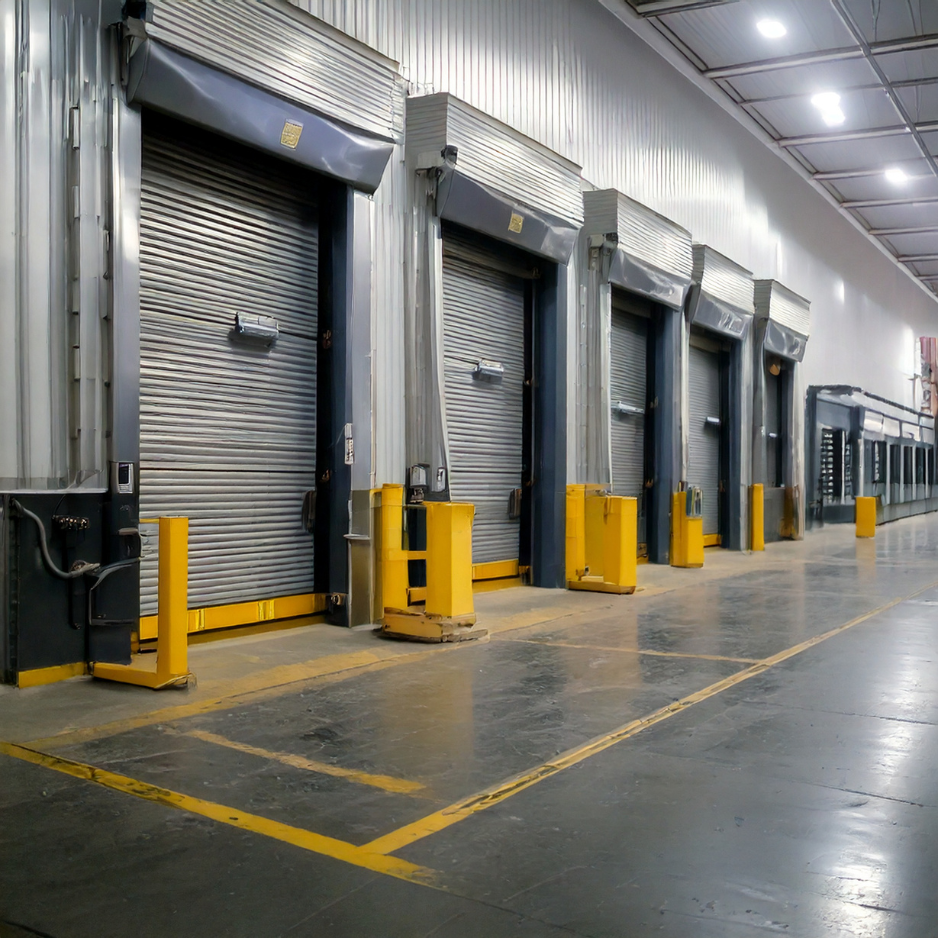
Hazmat placards are the universal visual language for dangerous goods. When a truck backs into your dock displaying one of these diamond-shaped signs, it’s telling your team exactly what’s inside before anyone opens a door or touches a package.
The placard system uses a combination of colors, symbols, and four-digit UN numbers to communicate hazard class at a glance. A red placard with a flame symbol means flammable materials. Blue indicates a dangerous-when-wet substance. Yellow with an oxidizer symbol warns of materials that can intensify fires. The number in the center corresponds to a specific substance in the DOT’s hazardous materials table.
For dock workers, forklift operators, and receiving personnel, recognizing these placards isn’t optional knowledge — it’s a fundamental safety skill that affects how they approach, handle, and store incoming freight.
Why It Matters
Placards exist because hazardous materials don’t announce themselves. A sealed drum of industrial solvent looks identical to a drum of cleaning solution until something goes wrong. The placard system ensures that everyone in the logistics chain — from the driver to the dock worker to the emergency responder — has immediate access to critical safety information.
When a facility receives placarded loads, several operational factors come into play. Storage requirements change based on hazard class. Some materials can’t be stored near each other. Spill response protocols vary dramatically depending on whether you’re dealing with a corrosive, a flammable, or a poison. Fire departments responding to an incident at your facility will look at placards first to determine their approach.
Beyond safety, there’s a compliance dimension. Facilities that handle hazardous materials have specific obligations under DOT, OSHA, and EPA regulations. Proper placard recognition is the first step in meeting those obligations.
Where It Shows Up

Placards appear in several contexts around loading docks and warehouse operations.
Inbound trucks carrying hazardous freight must display placards on all four sides of the vehicle when transporting certain quantities or types of dangerous goods. Your receiving team sees these as trucks approach the dock.
Intermodal containers and tank trailers carry their own placards that remain with the container throughout its journey.
Inside the facility, storage areas for hazardous materials often display fixed placards or signs indicating what classes of materials are stored there. This helps emergency responders and serves as a constant reminder to workers about the nature of materials in that zone.
Outbound shipments require your team to ensure proper placarding before a truck leaves the yard — the responsibility doesn’t only fall on carriers.
Common Pitfalls
Faded or damaged placards create real problems. A placard that’s been through years of weather exposure may be unreadable, leaving dock workers guessing about contents. Drivers sometimes fail to remove placards after unloading hazardous freight, which creates confusion and potential false alarms.
Misidentification is another issue. The difference between hazard classes matters enormously for handling and storage. Treating a corrosive like a flammable — or vice versa — can lead to improper storage combinations or wrong-headed spill responses.
Some facilities fall into the trap of assuming placards are solely the carrier’s responsibility. In reality, shippers and receivers share accountability for ensuring hazardous materials are properly identified and communicated throughout the supply chain.
Notes on Standards/Regulations

The placard system in the United States is governed by DOT’s Hazardous Materials Regulations under 49 CFR. These rules specify when placards are required, which placard corresponds to each hazard class, and how they must be displayed.
The system aligns with international standards, so placards used in the U.S. are generally consistent with those used in Canada, Mexico, and under international maritime and air transport regulations. The four-digit UN numbers are recognized worldwide.
OSHA’s Hazard Communication Standard intersects with placarding requirements, particularly for fixed storage areas within facilities.
Practical Takeaway
Every dock worker, forklift operator, and supervisor who handles inbound or outbound freight should be able to recognize the nine hazard classes by their placard colors and symbols. This isn’t about memorizing regulations — it’s about building an instinctive awareness that changes how your team approaches a load before they ever touch it. When someone spots a placard and immediately knows to check handling requirements, grab the right PPE, or verify storage compatibility, that recognition is doing exactly what it was designed to do.
