












Forklift Aisle Width
Forklift Aisle Width (noun): the minimum clear aisle space required for a forklift to travel, turn, and handle a load safely, based on the truck type, load dimensions, and operating conditions.

What Determines the Required Width
Forklift aisle width isn’t a single standard number—it depends on what you’re driving and what you’re carrying. The main factors are:
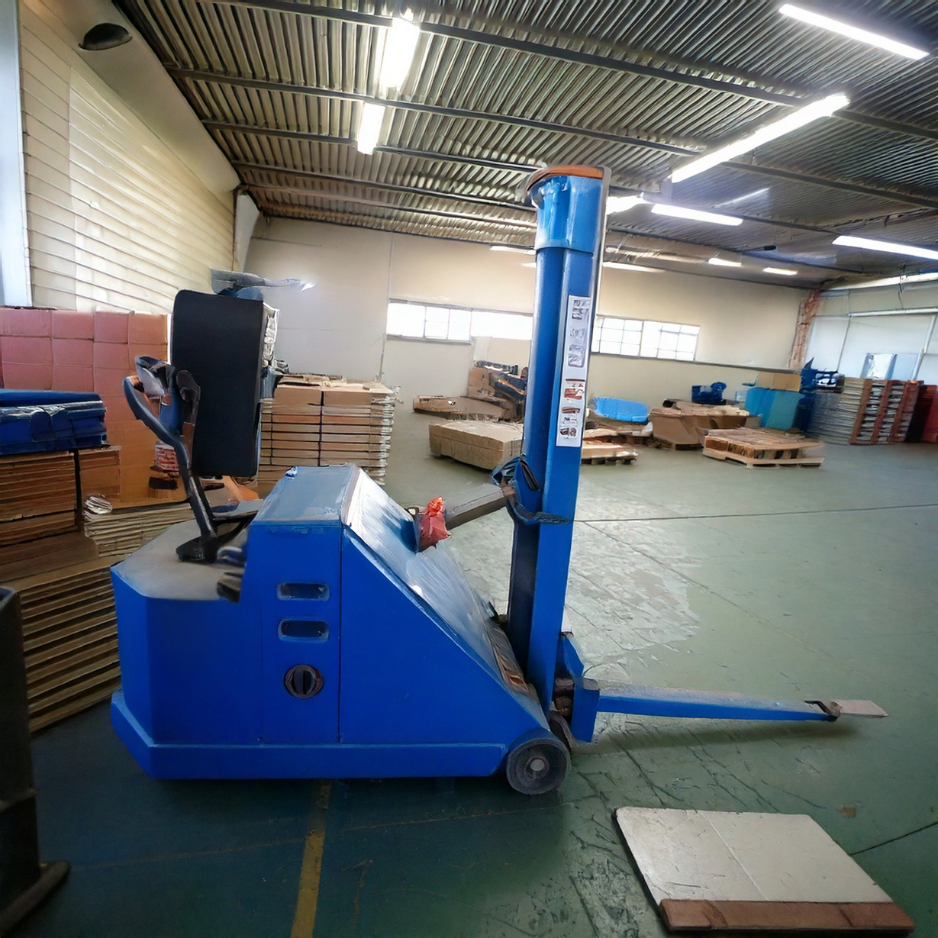
- Forklift type: counterbalance trucks generally need more room than reach trucks or turret/VNA trucks.
- Load size and orientation: long pallets, wide loads, or handling loads sideways can increase required space.
- Turning method: right-angle stack/put-away vs. straight travel.
- Attachments: clamps, rotators, fork extensions, and cartons clamps can change clearance needs.
- Speed and traffic: higher activity areas often need extra buffer for safety and flow.
Why It Matters in Warehouses and Loading Docks
Aisle width impacts three things every operations team feels:
- Safety: tight aisles increase rack strikes, product damage, and close calls at intersections.
- Productivity: too tight slows travel and put-away; too wide wastes cube and reduces storage positions.
- Equipment fit: the aisle has to match the truck and the work (replenishment, picking, staging, returns).

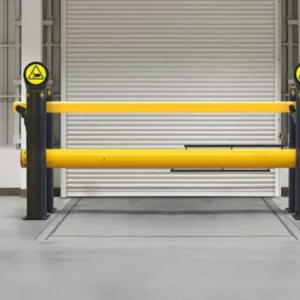
Protect your racks with DockStar’s Rack-End Guard Rails
Where It Shows Up
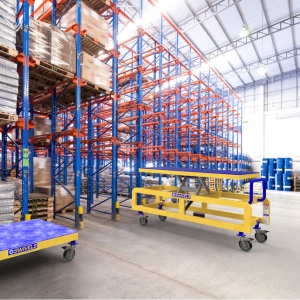
- Rack aisles (put-away and replenishment lanes)
- End-of-aisle turns near cross-aisles and intersections
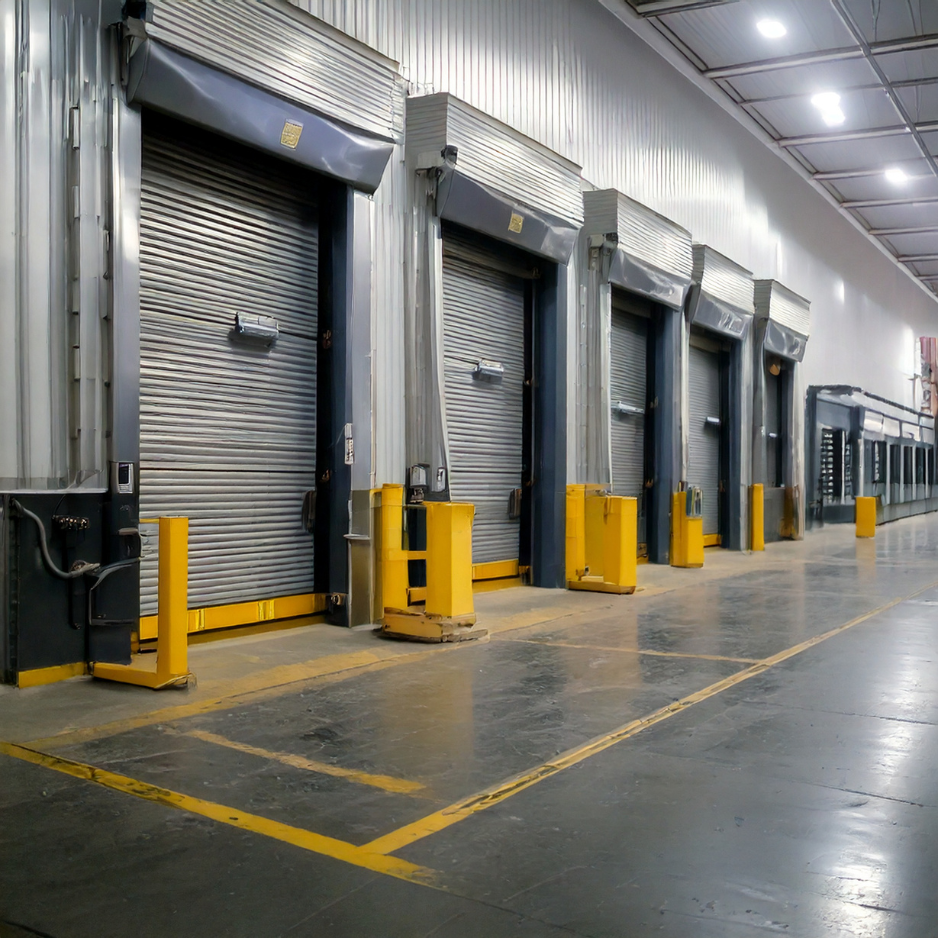
- Dock staging lanes where forklifts weave around pallets and pedestrians
- Battery/charging areas and maintenance zones that get cluttered over time
Common Pitfalls
- Planning aisles around an “ideal” pallet size and ignoring worst-case loads.
- Measuring rack-to-rack but forgetting overhang, guarding, columns, or pallet protrusion.
- Switching to a different forklift class without re-validating aisle needs.
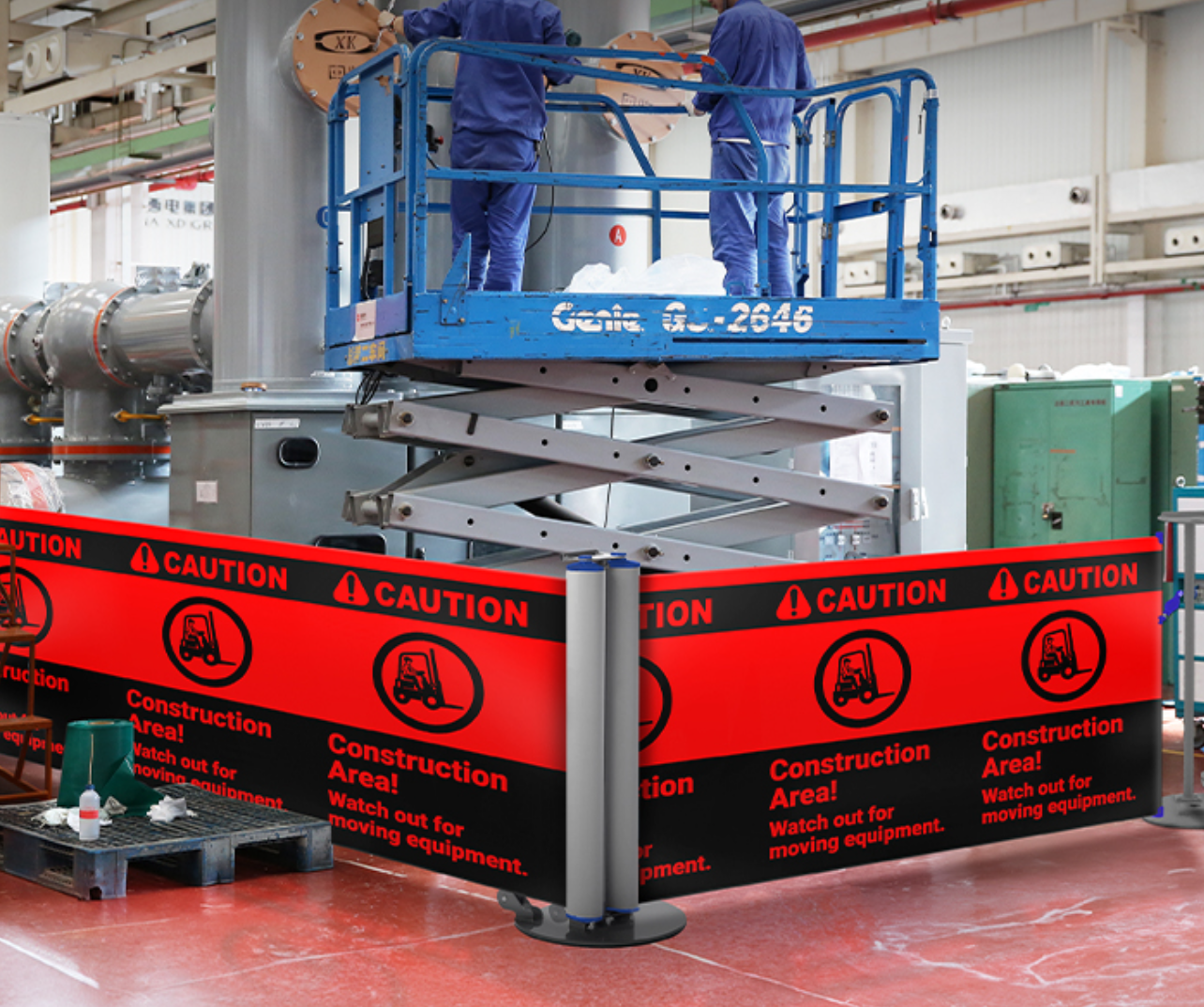
- Letting staging creep into travel aisles, effectively shrinking them.
Practical Takeaway
Forklift aisle width should be set by the truck + load + turning requirement, then protected in daily operations. Validate it using the specific forklift models and your largest typical loads—not averages—and keep staging, dunnage, and returns from encroaching into travel lanes.
