












Facility Safety Audit
Facility Safety Audit (noun): a structured review of a facility’s conditions and work practices to find hazards, confirm controls are working, and reduce risk of injuries and operational disruption.
What It Means in Facility Operations
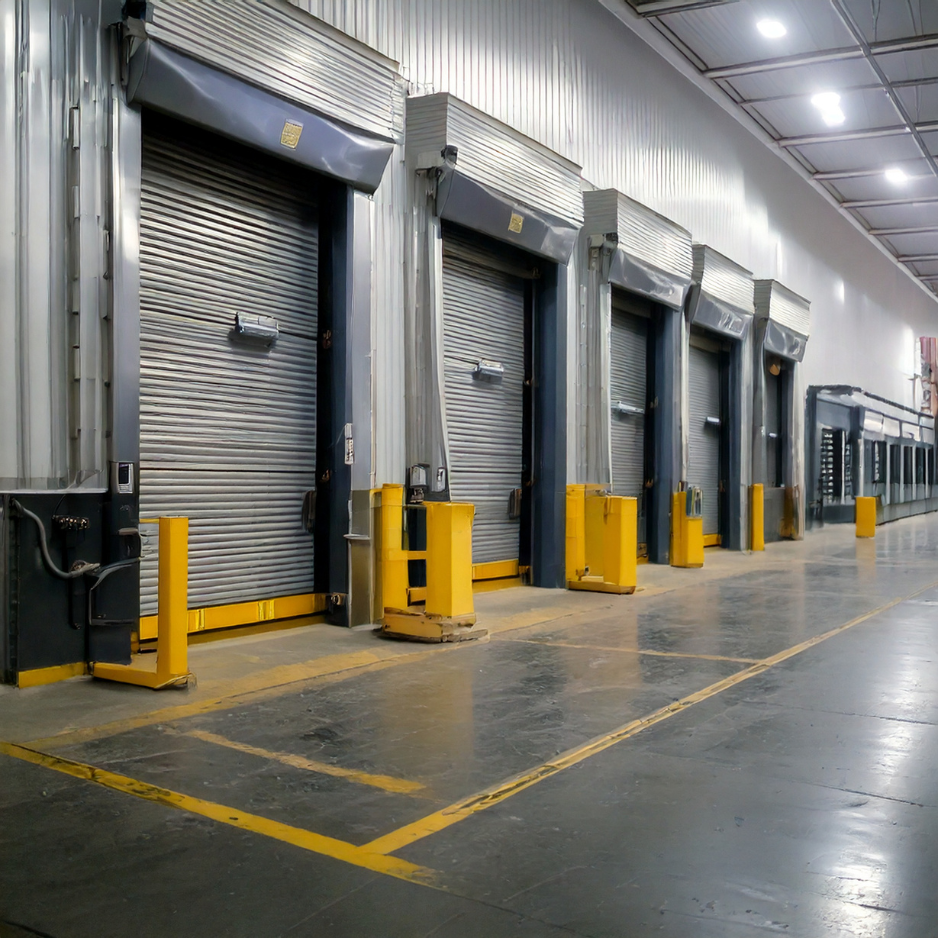
A facility safety audit is a planned walk-through plus a quick documentation check to see how the site actually runs—especially around docks, staging, aisles, and material handling. It looks at physical conditions (markings, guards, housekeeping, equipment condition) and how work is performed (traffic flow, staging habits, lifting/moving loads, maintenance practices).

Why It Matters
- Prevents injuries and downtime by catching hazards before they turn into incidents.
- Reduces repeat problems (the same rack hits, blocked aisles, unsafe staging).
- Creates follow-through by assigning owners and deadlines for fixes.
Where It Shows Up
Audits are typically done on a set cadence (monthly/quarterly), after changes (new layout, new racking, new dock equipment), and after incidents or near-misses—especially forklift/pedestrian and dock-area events.
Common Pitfalls
- Checklist-only audits that don’t observe work during peak activity.
- No ownership/deadlines so findings never close.
- Ignoring the dock/staging zones where congestion and edge hazards are common.
- Not tracking repeats (a sign the root cause wasn’t fixed).
How Teams Address It
Practical Examples
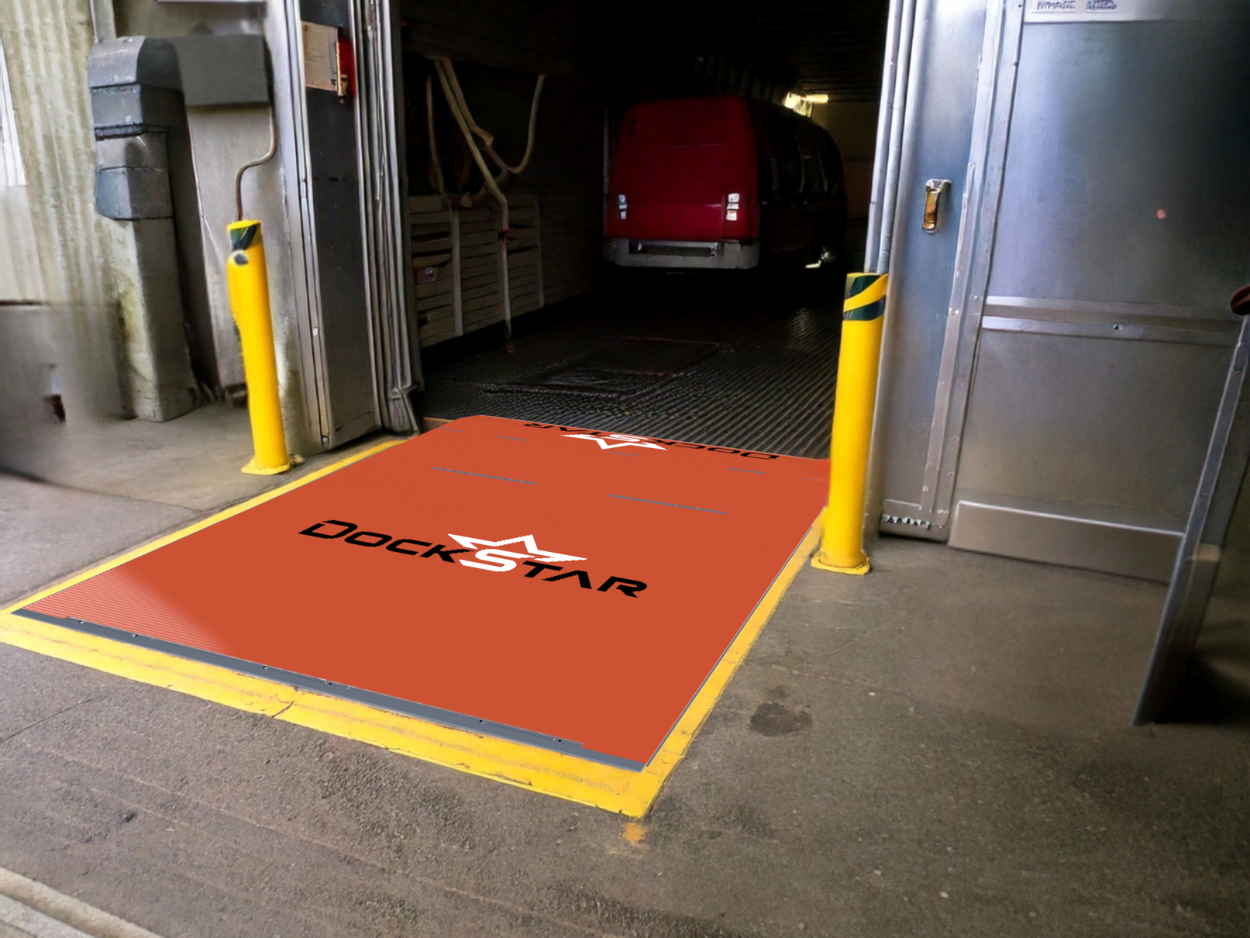
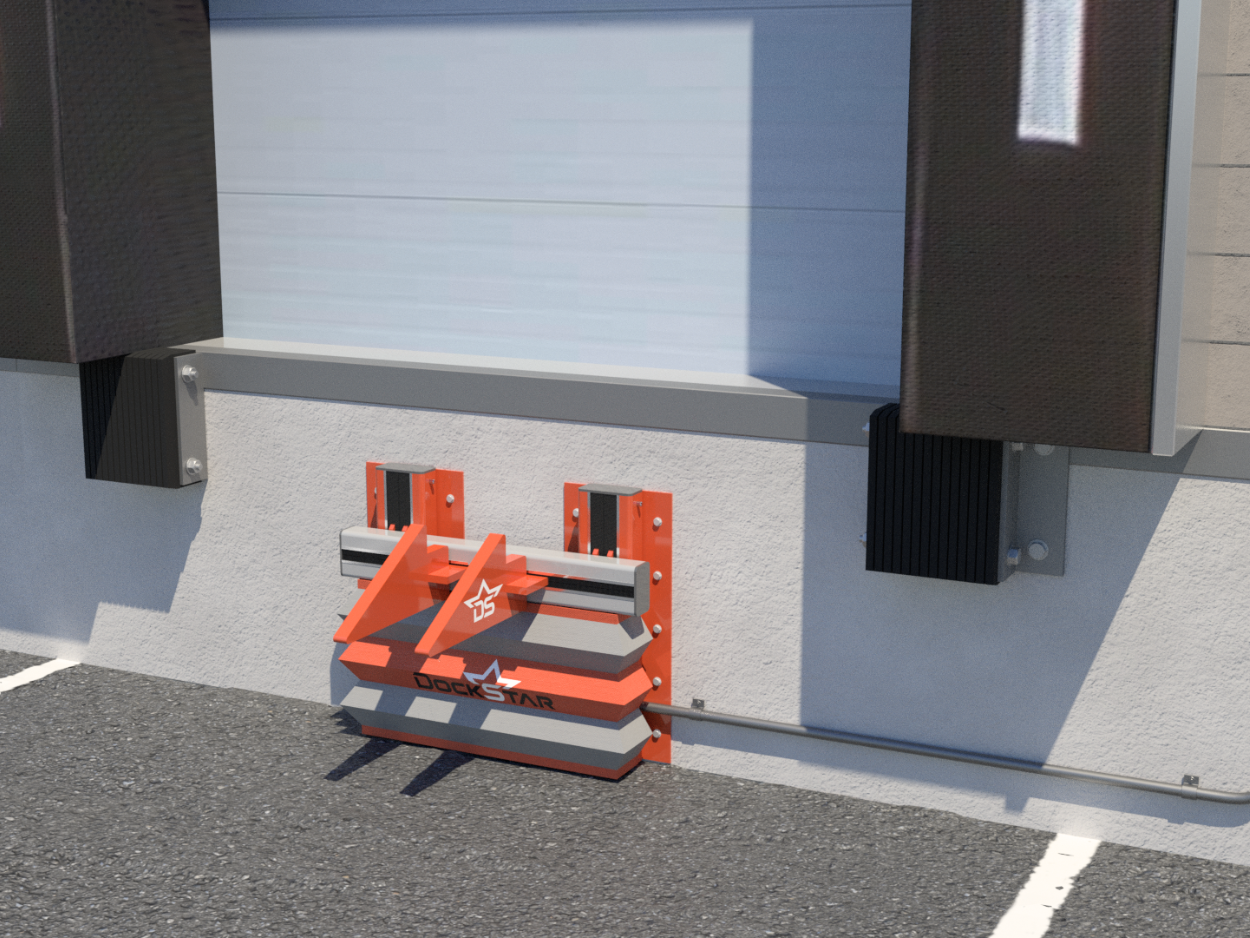
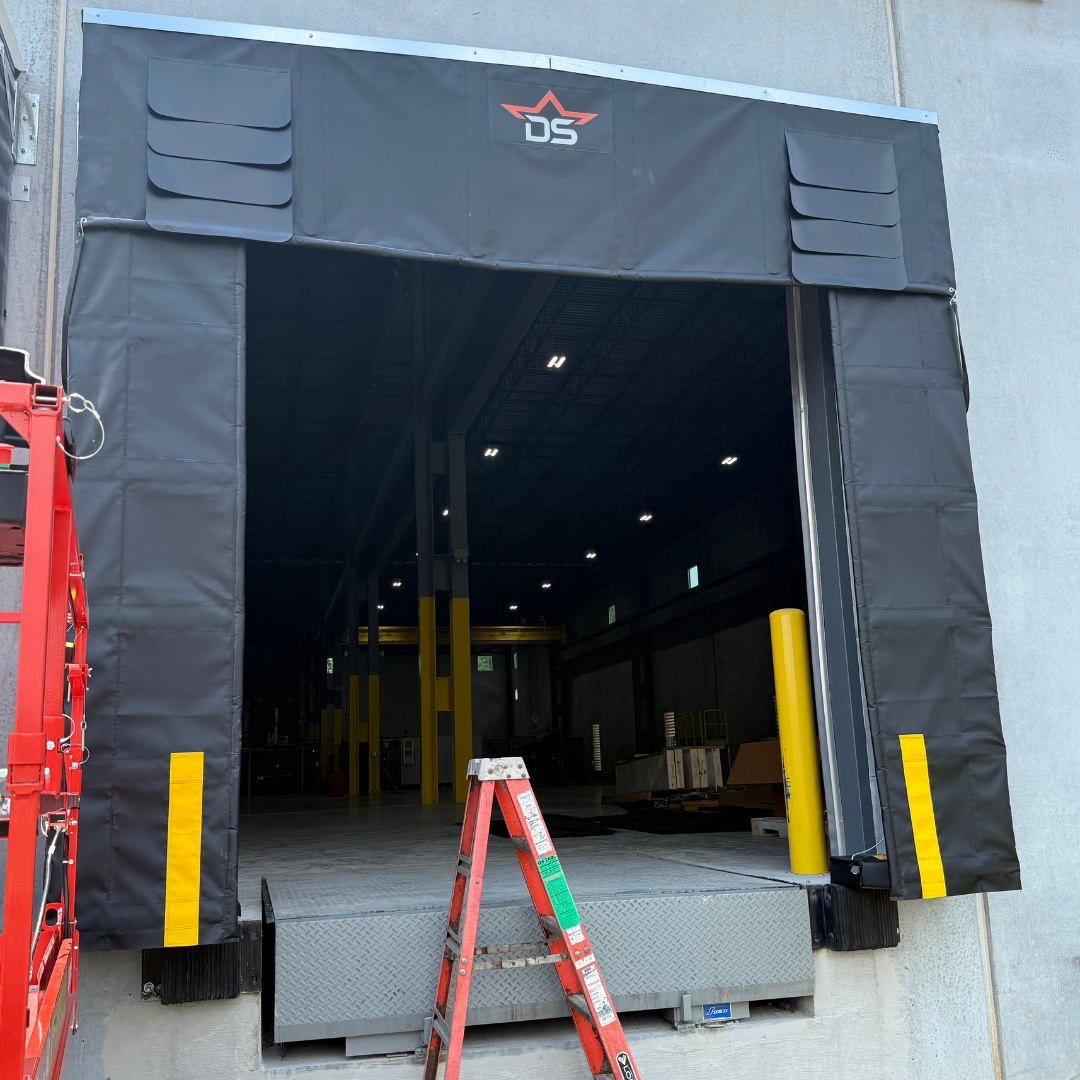
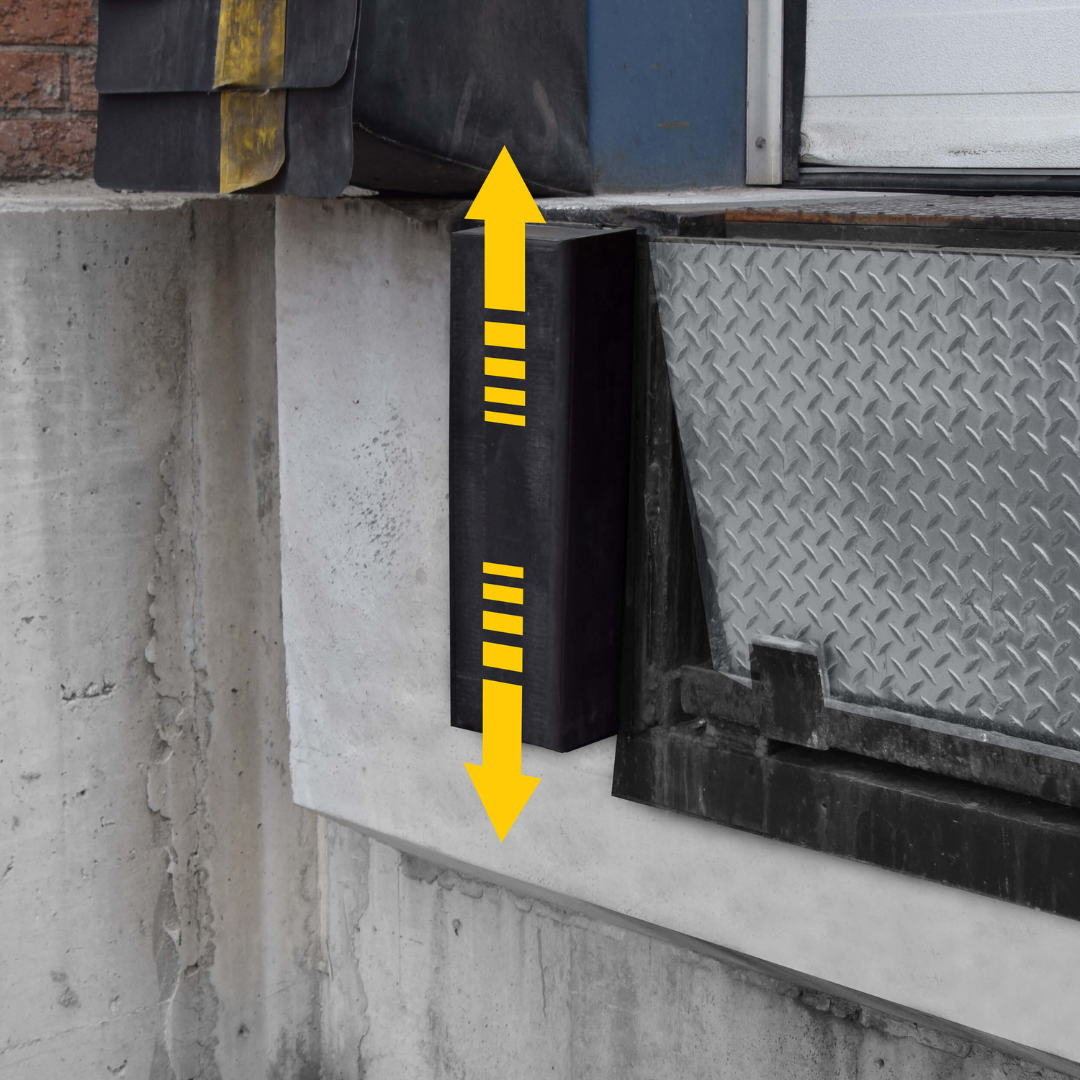
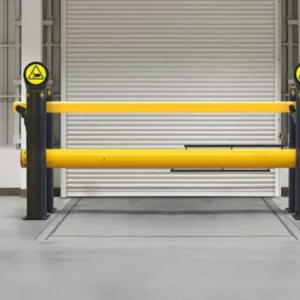
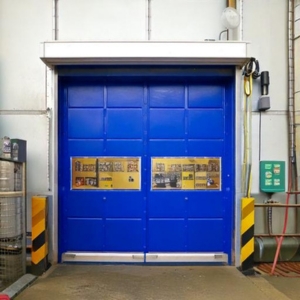
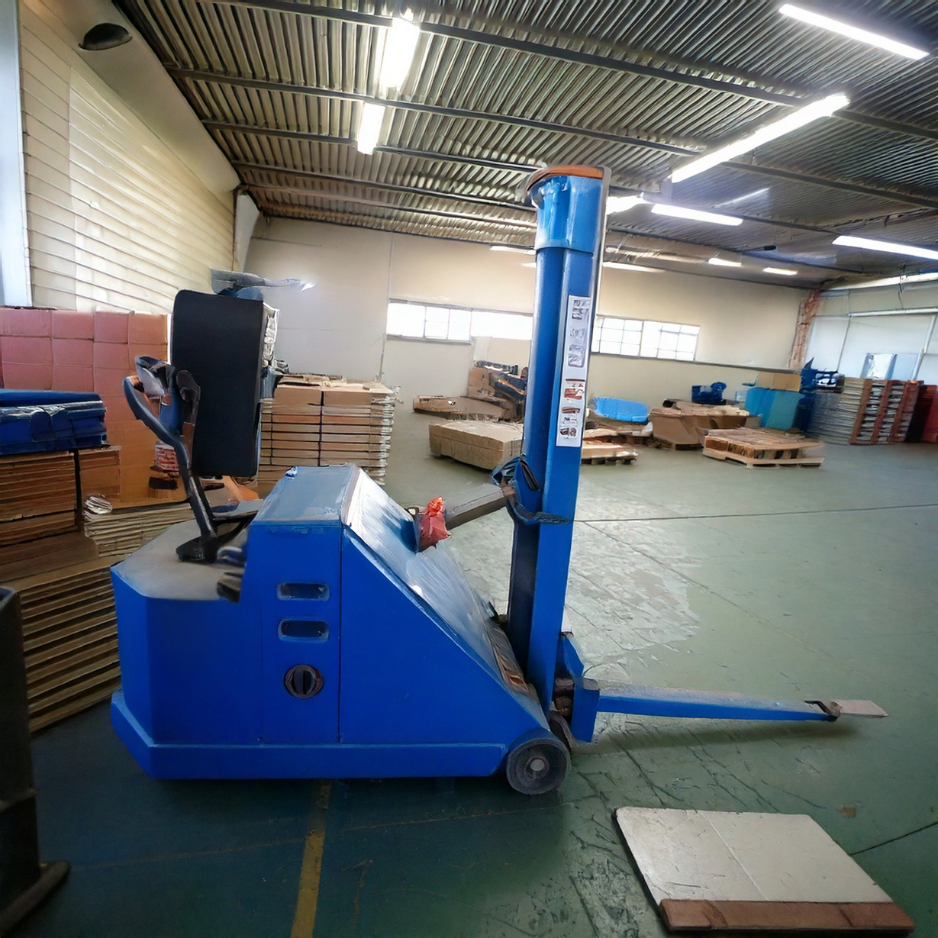
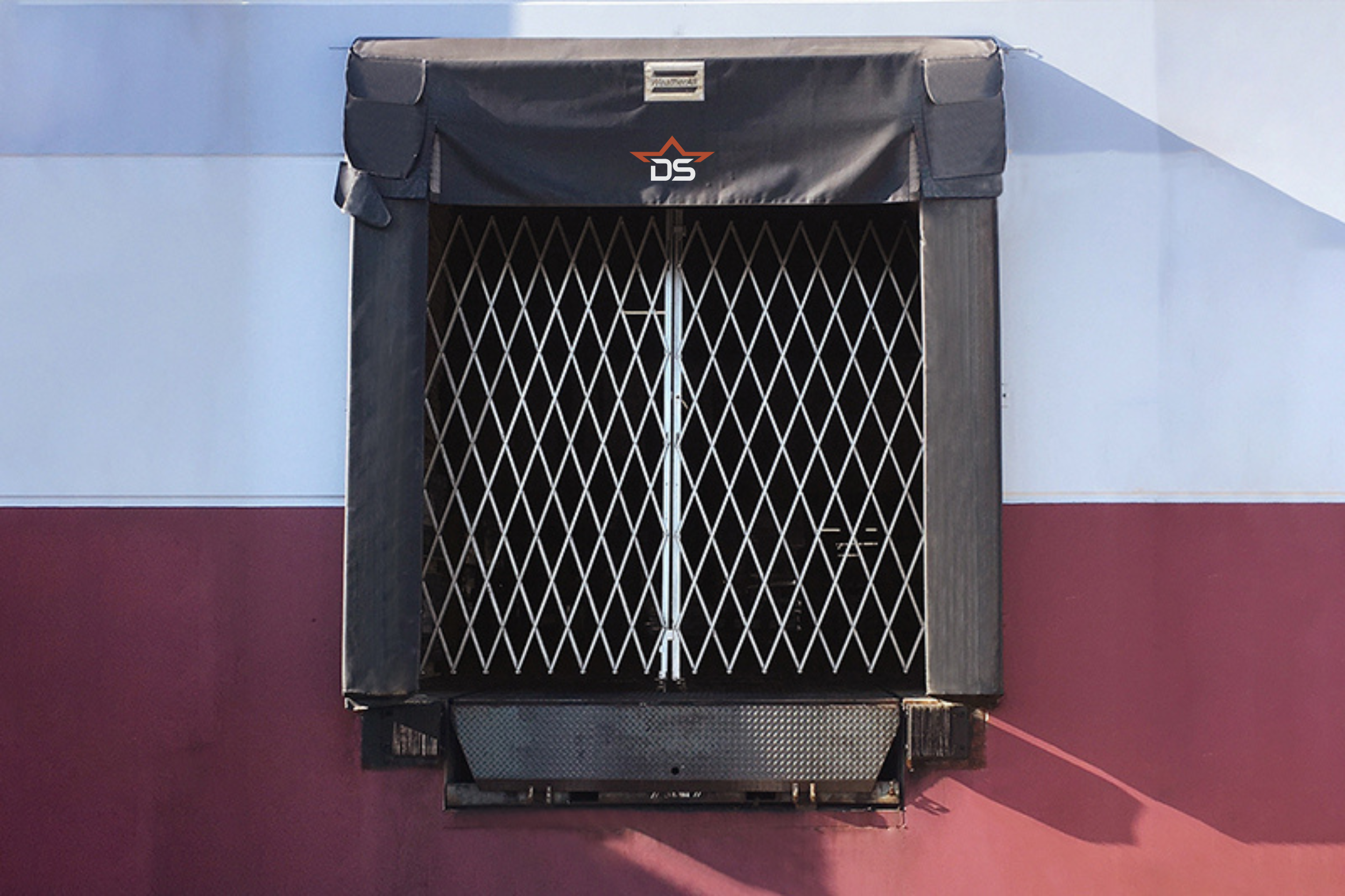
- Docks & staging: confirm clear dock approaches, safe staging lanes, and equipment condition (dock interfaces, bumpers, restraints where used).
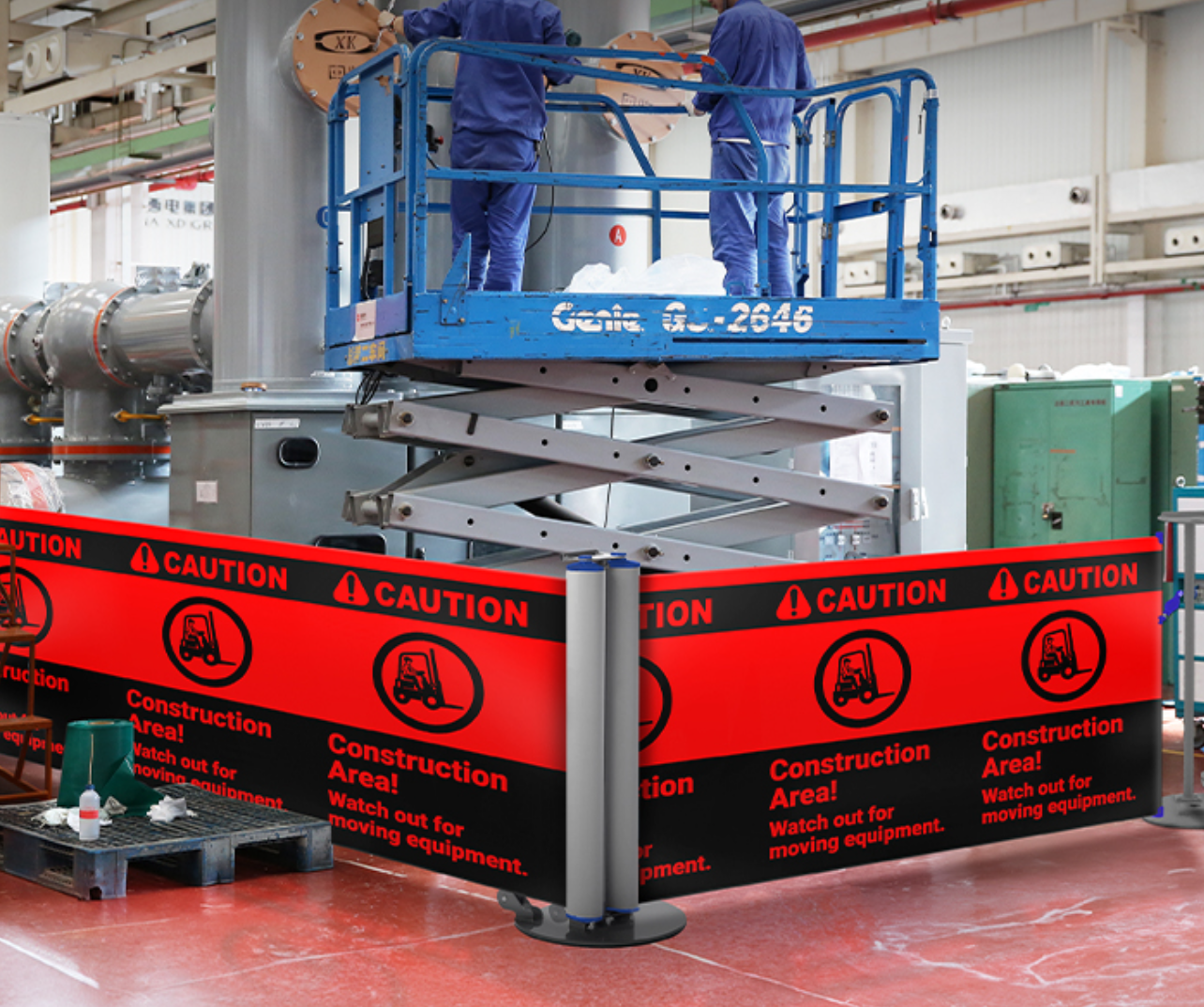
- Traffic flow: verify forklift routes, pedestrian walkways, and controlled intersections.
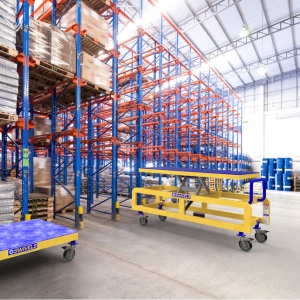
- Storage areas: check for rack damage, overloaded storage, and pallets encroaching into aisles.
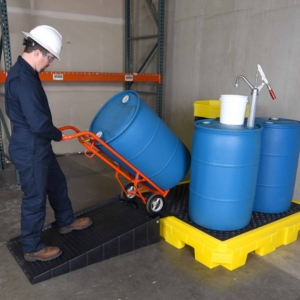
- Work practices: observe how loads are moved, where shortcuts happen, and why.
Practical Takeaway
A good safety audit isn’t “inspect and forget.” It identifies the highest-risk spots (often docks, intersections, and staging), documents what’s wrong, and turns it into specific corrective actions with an owner and due date.
FAQs
How often should a facility safety audit be performed in a warehouse or DC?
Frequency usually depends on risk level and change rate. Many facilities use a layered approach—quick weekly checks by supervisors, monthly area audits, and a more formal quarterly or annual audit—then add targeted audits after major changes (new equipment, new processes, staffing shifts) or incidents.
What’s the difference between a safety audit, a safety inspection, and a near-miss review?
An inspection is typically a shorter check for visible issues (damage, clutter, blocked exits). An audit is broader and more systematic, often comparing conditions and practices against defined requirements and looking for gaps in controls. A near-miss review is event-driven and focuses on what almost happened and why, with corrective actions aimed at preventing a repeat.
Who should participate in a facility safety audit to make it effective?
Audits work best when they include operations leadership (who controls daily behaviors), maintenance (who fixes and maintains equipment), and EHS/safety (who owns the program). In dock-heavy sites, involving shipping/receiving leads and a lift truck trainer or lead operator helps surface real workflow risks.
How should audit findings be documented so they actually get fixed?
Use a simple log that captures the location, issue, severity, photo, assigned owner, due date, and close-out proof (photo or verification). Keeping the list short and prioritized—high risk first—plus reviewing it in a weekly ops meeting is often what turns findings into completed fixes.
