












Facility Layout Planning
Facility Layout Planning (noun): the process of designing how a facility’s space, equipment, storage, and traffic paths are arranged to support safe, efficient material flow and required throughput.

What It Means in Facility Operations
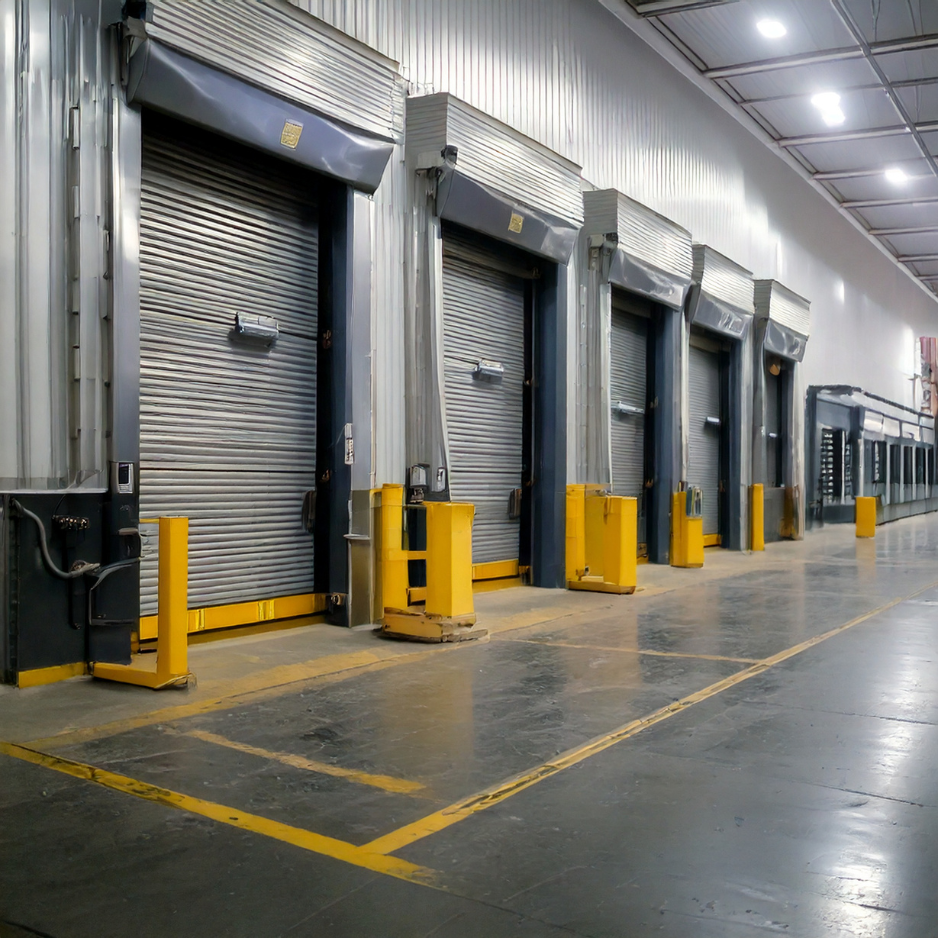
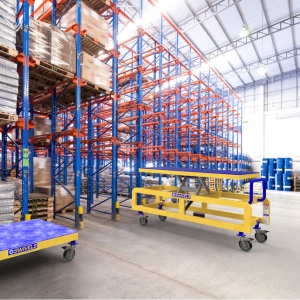
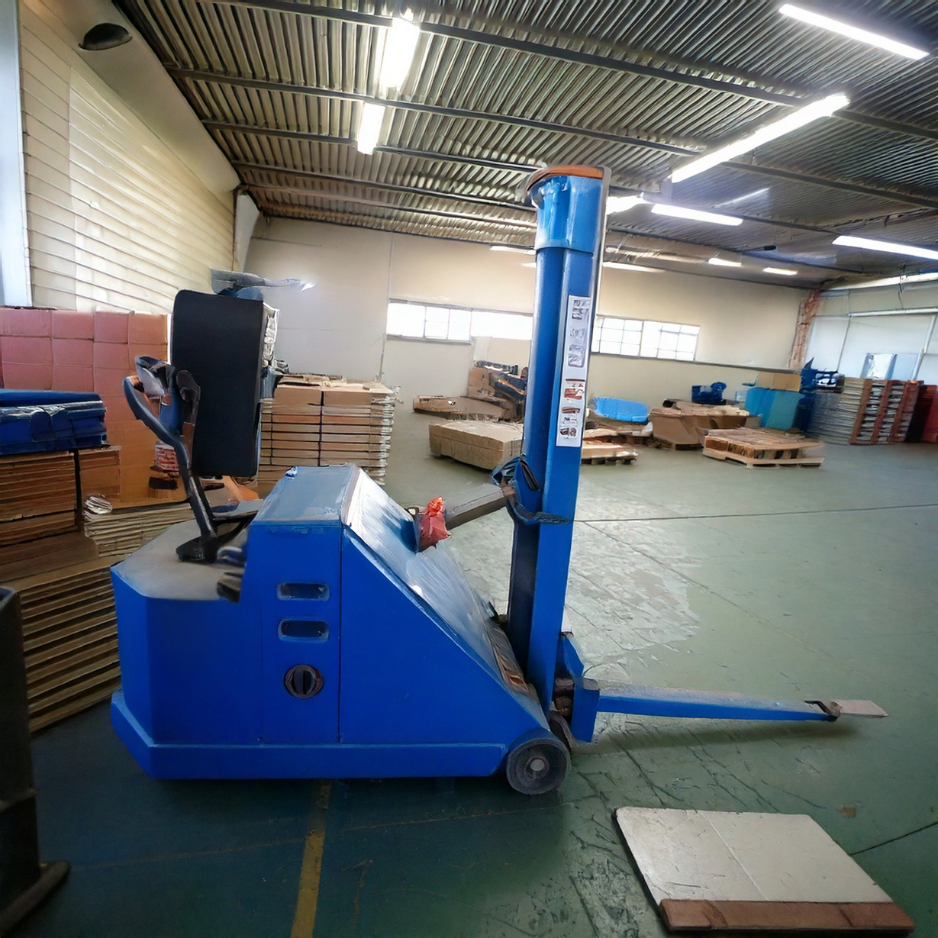
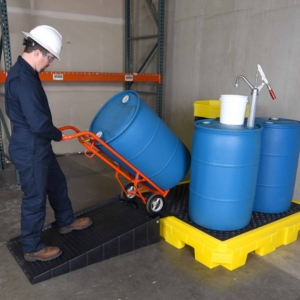
Facility layout planning is deciding where work happens and how things move—people, forklifts, pallets, and product—from receiving to storage to processing/picking to shipping. In warehouses and DCs, it usually covers dock doors and staging, storage zones, pick/pack areas, returns, and outbound load building. In factories, it also includes production cells, WIP, kitting, and finished goods flow to the dock.
The goal is fewer unnecessary touches, shorter travel, and less conflict between inbound, outbound, and foot traffic.
Why It Matters
A layout affects daily performance more than most people realize:
- Speed and labor: Long walks and forklift travel add up fast.
- Dock efficiency: Poor staging depth or door placement creates backups and “pallet parking” in aisles.
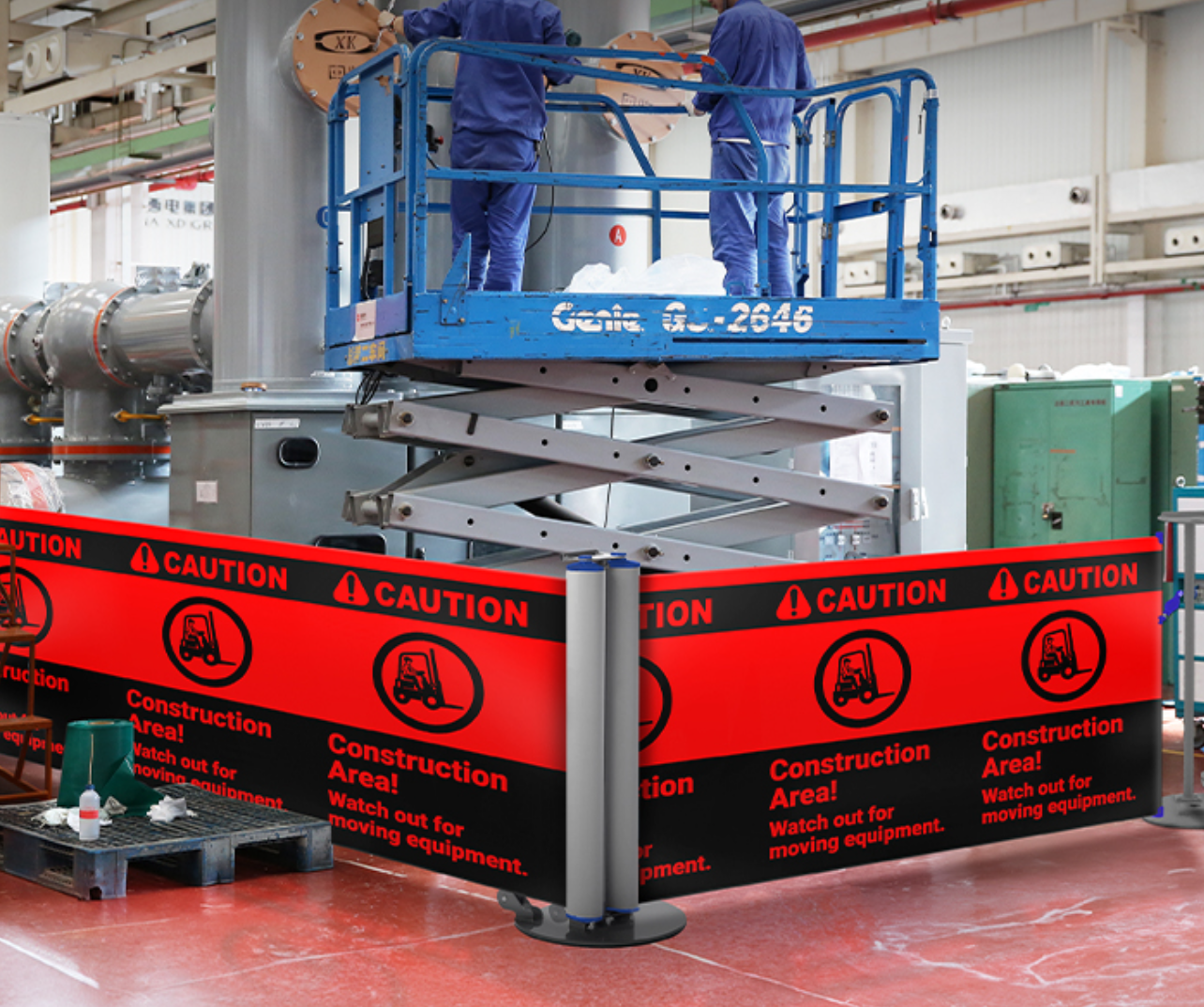
- Safety: Congested intersections and mixed pedestrian/forklift zones increase risk.
- Flexibility: A layout that can absorb new SKUs, seasonality, or process changes avoids constant rework.
Where It Shows Up
You typically revisit layout planning when you: expand, add automation, change slotting/velocity profiles, add a new operation (kitting, light assembly, refurb/returns), or rework inbound/outbound flows.
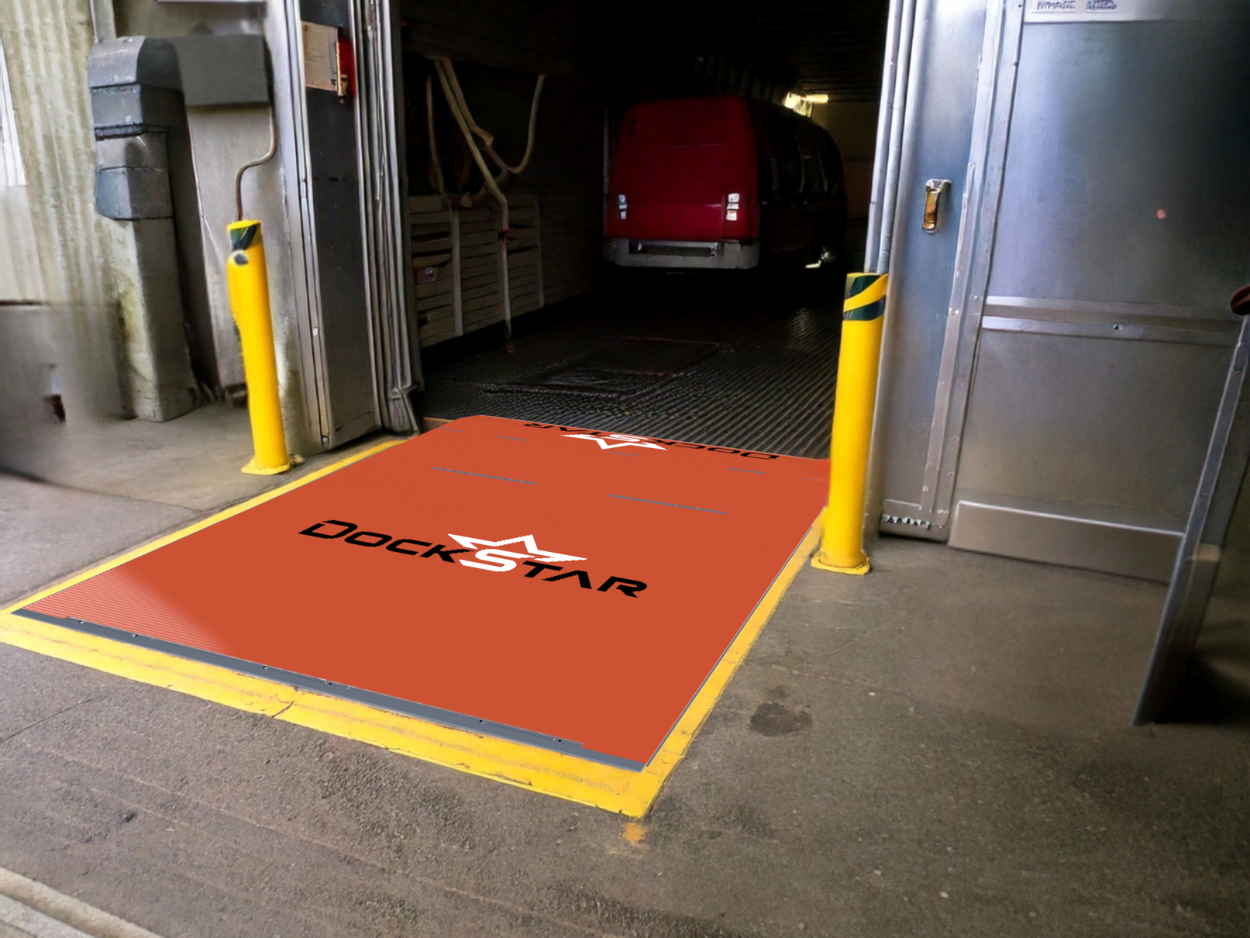
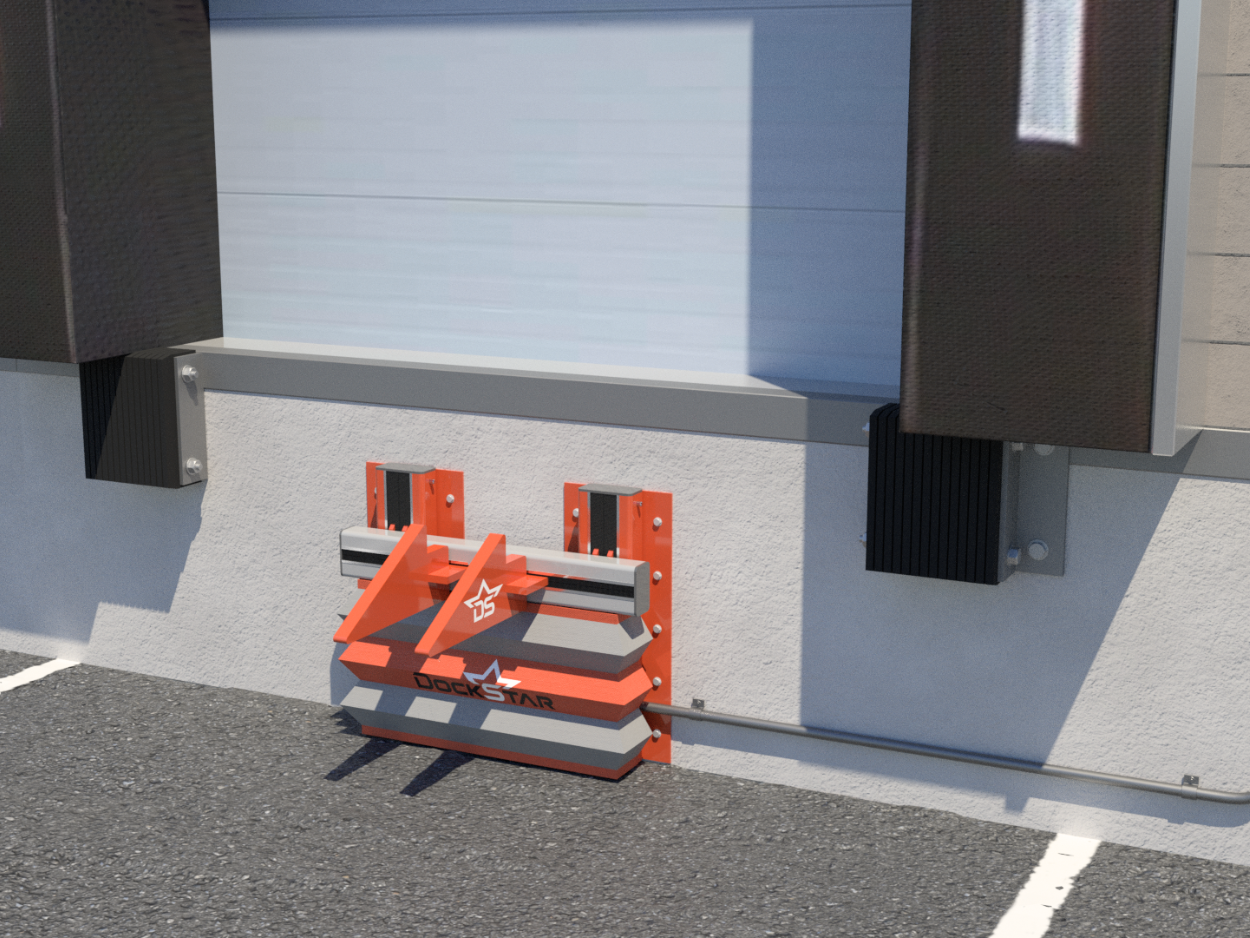
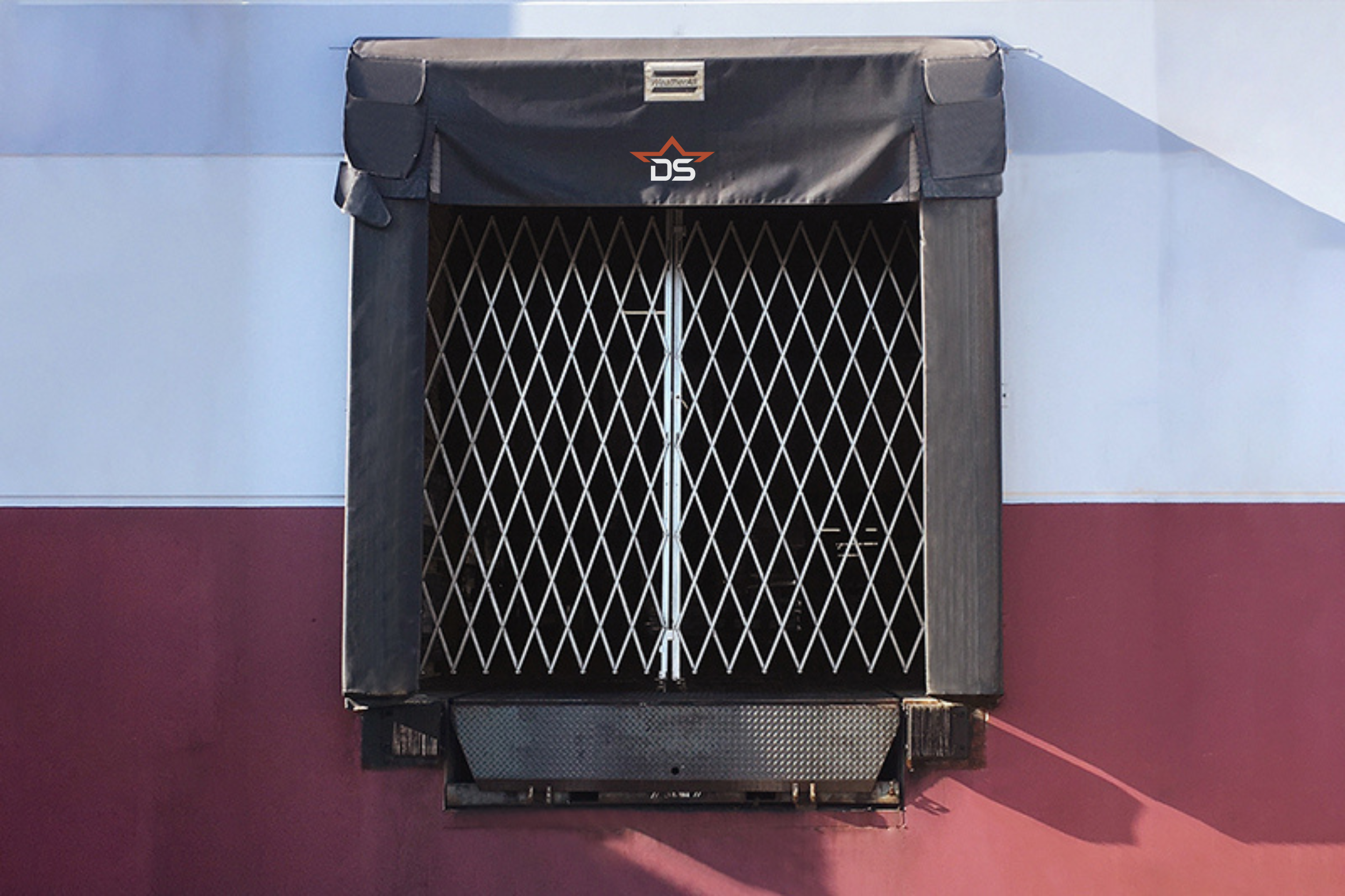
In dock-heavy facilities, layout planning also includes how dock interfaces support flow—e.g., the footprint and staging needed around dock levelers and how trucks are secured at doors (some sites use vehicle restraints) so loading/unloading can stay consistent and controlled.
Common Pitfalls
- Designing for “average” days, not peaks (holiday surge, big inbound pushes, end-of-month shipping).
- Under-sizing staging near the docks, forcing overflow into travel aisles.
- Mixing flows (returns crossing outbound, pedestrians cutting through forklift lanes).
- Over-packing storage so replenishment, maintenance access, and turning space suffer.
Practical Takeaway
Start with the flow: inbound → stage → store/pick → pack → outbound. Then protect it with clear traffic paths, enough dock and staging capacity for peak days, and zones that match how the operation actually runs. A good layout makes the work feel “unblocked”—less backtracking, fewer near-misses, and smoother dock turns.
