












Exclussive Use Trailer (UET)
Definition:
noun | A transportation arrangement where a shipper or warehouse secures dedicated access to a trailer for extended periods, typically several days to weeks, allowing continuous loading without adhering to standard carrier pickup schedules.
What is an Exclusive Use Trailer?
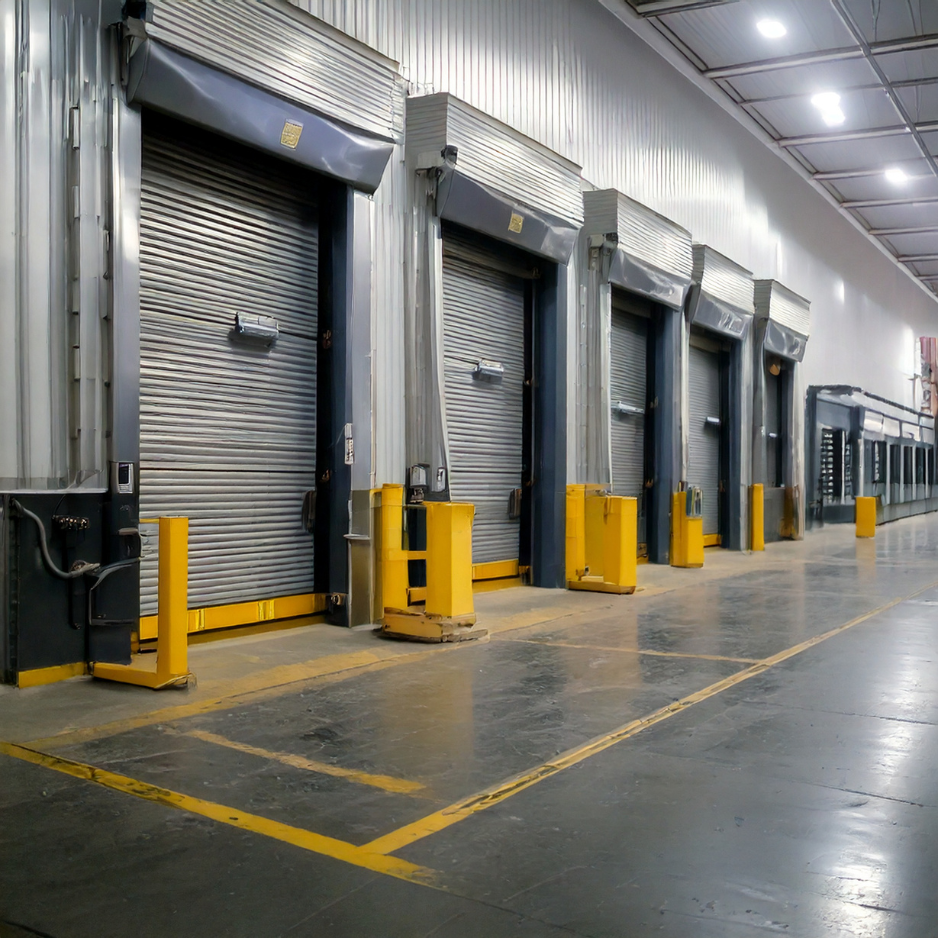
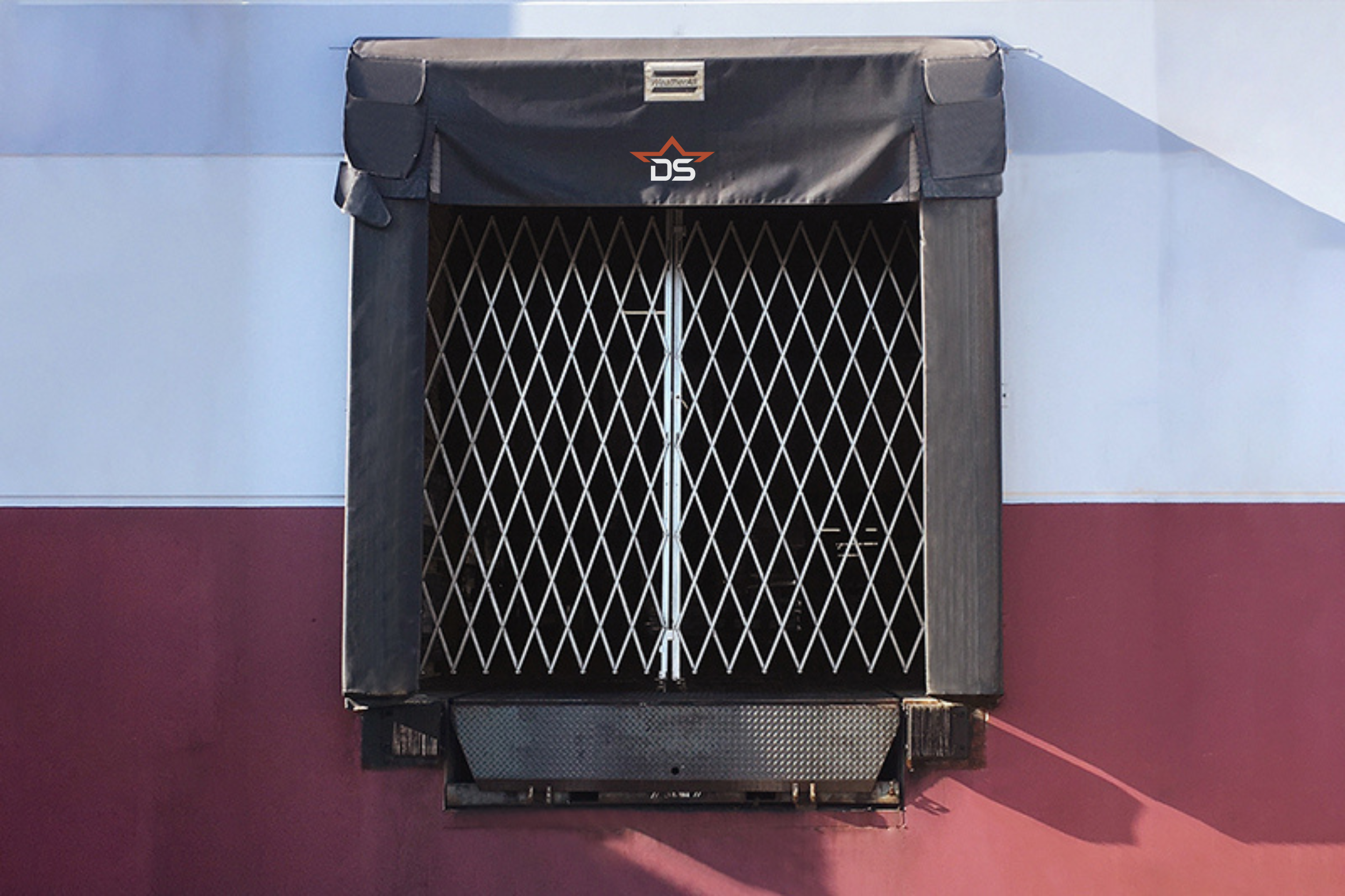
An exclusive use trailer functions as a temporary staging space positioned at a warehouse dock or yard, where freight can be loaded intermittently as production completes or orders accumulate. This arrangement proves valuable for operations consolidating multiple shipments to the same destination or managing irregular production schedules. Rather than rushing to fill a trailer within a 2-3 hour carrier appointment, facilities can build full truckloads gradually over several days, eliminating the pressure of standard dock appointments while maximizing trailer cube utilization.
Manufacturing facilities report 15-25% cost savings compared to multiple partial load shipments when using UETs to consolidate freight. Daily storage fees typically range from $25-$75 per trailer, meaning a UET must generate operational efficiencies or freight consolidation savings exceeding these costs to justify the investment.
Distribution centers commonly deploy 10-20 UETs simultaneously during peak seasons, with each trailer designated for specific destinations.

When Warehouses Use Exclusive Use Trailers
Freight Consolidation
Facilities with consistent shipments to the same destinations use UETs to combine multiple days of orders into single full truckload movements, converting expensive LTL shipments into economical truckload rates.
Production Flow Management
Manufacturing operations accumulate finished goods throughout the day or week without pausing production to meet carrier pickup deadlines, maintaining steady production pace while building complete loads.
Peak Season Capacity
During volume spikes, warehouses deploy additional UETs as flexible staging areas that accommodate overflow without facility expansion or permanent dock infrastructure investment.
Key Performance Metrics
Trailer Utilization Rate: Percentage of time a UET contains active freight versus sitting empty. Target 70-85% utilization to ensure daily storage costs deliver value.
Cost Per Shipment: Total UET expenses (daily fees plus line haul) compared to alternative shipping methods. Programs should deliver 10-15% savings versus standard rates.
Dock Door Impact: Number of dock doors freed for standard operations by moving long-duration loading to yard-positioned UETs, typically increasing facility throughput by 15-25%.
Exclusive Use Trailer vs. Standard Shipping
UETs provide complete control over loading schedules and eliminate carrier appointment constraints, but involve fixed daily fees regardless of loading activity. Standard shipping charges only for completed movements, making it more cost-effective for sporadic freight volumes. The UET model works best for consistent lanes exceeding 10,000 pounds weekly where freight arrives in irregular patterns, allowing consolidation of what would be 3-4 LTL shipments into single full truckloads.
UET programs require adequate yard space and tracking systems to monitor trailer status and prevent storage fees from accumulating on idle equipment. Facilities need clear procedures defining which lanes qualify, maximum days-on-site, and dispatch protocols to ensure positive ROI on every trailer.
Key Takeaways
Exclusive use trailers enable warehouses to consolidate freight into cost-effective full truckload shipments while managing irregular production schedules, but require disciplined cost monitoring to ensure positive returns.
- UET programs deliver 15-25% savings versus multiple LTL shipments when properly managed, with daily storage fees of $25-$75 requiring at least $500-$1,500 weekly value generation
- Best suited for consistent freight lanes exceeding 10,000 pounds weekly with irregular shipping patterns, allowing gradual load building over multiple days
- Facilities should track trailer utilization rates (70-85% target), cost comparisons against alternative methods, and dock door availability improvements to measure program success
- Success requires adequate yard space, robust tracking systems, and clear procedures defining qualifying lanes and maximum storage durations before dispatch
