




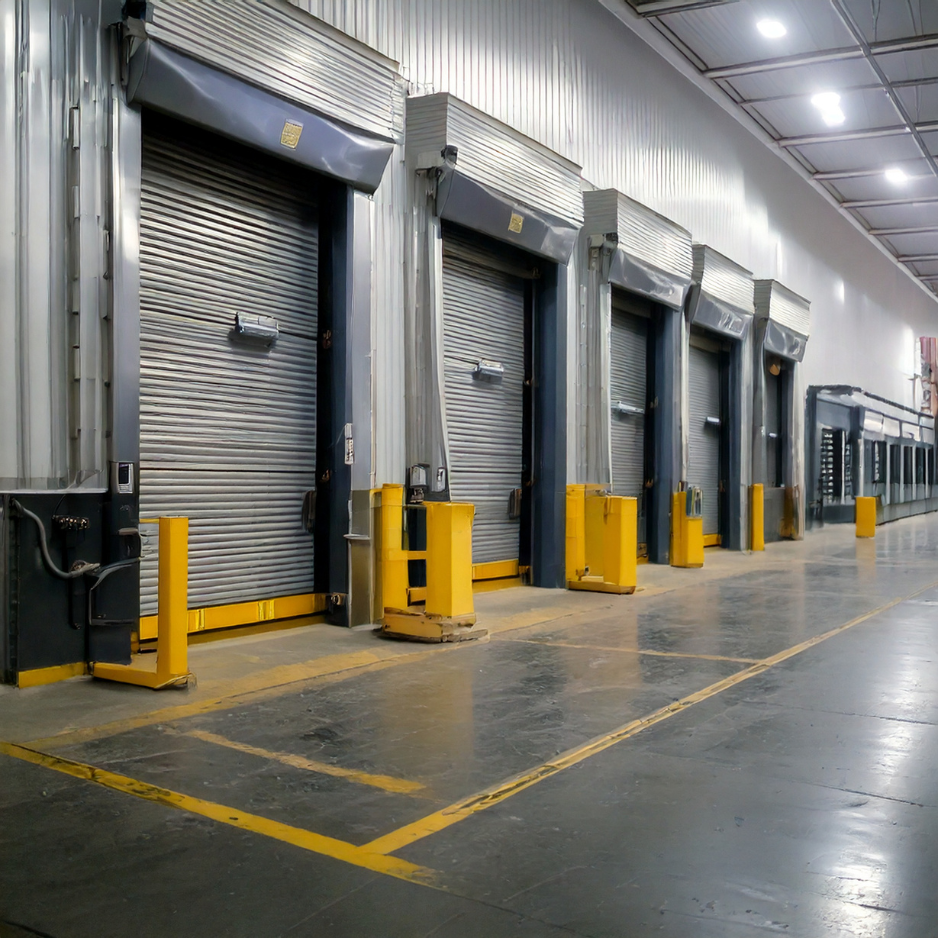









Excessive Dwell Time
Definition:
noun | The period when a truck, trailer, or container remains at a loading dock or facility beyond the scheduled or reasonable timeframe for loading or unloading operations, resulting in reduced dock productivity, increased detention fees, and supply chain bottlenecks.

Understanding Dwell Time in Warehouse Operations
Dwell time becomes “excessive” when trucks occupy dock doors longer than the facility’s target threshold, typically ranging from 2-4 hours for standard freight operations. This metric directly impacts a warehouse’s ability to process daily shipments, as each dock door represents a finite resource that multiple carriers need to access throughout operating hours. When one truck overstays at a dock, it creates a cascading effect—subsequent scheduled trucks must wait in staging areas or yard queues, drivers accumulate detention time claims, and warehouse labor stands idle or gets reassigned to less critical tasks while waiting for the next trailer to arrive.
The financial impact of excessive dwell time extends across multiple stakeholders in the supply chain. Warehouses face detention charges averaging $50-$100 per hour after a grace period, with some facilities reporting annual detention costs exceeding $250,000 for busy distribution centers.
Industry data reveals that facilities experiencing consistent dwell time issues operate at 40-50% lower dock utilization rates compared to optimized operations, effectively wasting half their loading infrastructure capacity. A study of 500+ distribution centers found that reducing average dwell time from 4 hours to 2 hours increased daily dock throughput by 63% without adding physical infrastructure, demonstrating that time management often delivers better ROI than facility expansion.
Common Causes of Excessive Dwell Time
Inadequate Dock Scheduling
Facilities without appointment systems or those that overbook dock doors create inevitable delays as trucks arrive simultaneously and compete for limited access, forcing extended wait times before loading or unloading even begins.
Inventory Location Inefficiencies
When products are stored in suboptimal warehouse locations far from shipping areas, or when inventory accuracy problems require extended search time, picking and staging operations extend well beyond planned timeframes, keeping trailers at docks unnecessarily.
Labor Shortages and Skill Gaps
Understaffed shifts or inexperienced dock workers slow loading and unloading processes, particularly during peak seasons when temporary labor may lack familiarity with facility procedures or equipment operation.
Equipment Breakdowns
Forklift failures, malfunctioning dock levelers, or broken pallet jacks immediately halt operations at affected dock doors, trapping trucks in position until repairs complete or alternative equipment arrives.
Documentation and Inspection Delays
Manual bill of lading processes, quality inspection requirements, or customs documentation for international freight add substantial time when not properly streamlined or when errors require correction before release.
Key Performance Metrics
Average Dwell Time: The mean duration trucks spend at dock doors from arrival to departure. Best-in-class facilities maintain averages of 90-120 minutes for standard LTL freight, while operations exceeding 3-4 hours signal systemic inefficiencies requiring intervention.
Dock Door Turnover Rate: The number of trucks processed per dock door per shift. High-performing warehouses achieve 4-6 turnovers during an 8-hour shift, while facilities with excessive dwell time may handle only 2-3 trucks per door in the same period.
Detention Cost Per Shipment: The average detention fees paid to carriers due to delays beyond free time allowances. Tracking this metric by dock door, shift, and product type helps identify specific problem areas driving costs.
On-Time Dock Completion Rate: The percentage of trucks that complete loading or unloading within the scheduled appointment window. Industry targets range from 85-95%, with lower performance indicating scheduling or operational problems.
Key Takeaways
Excessive dwell time at loading docks wastes infrastructure capacity and generates substantial detention fees, but remains one of the most controllable inefficiencies in warehouse operations.
• Reducing average dwell time from 4 hours to 2 hours can increase daily dock throughput by 63% without adding physical doors
• Facilities with chronic dwell time issues typically pay $250,000+ annually in detention fees and operate at 40-50% lower capacity than optimized operations
• Implementing dock appointment systems, pre-staging freight, and yard management technology typically reduces dwell time by 30-50% within months
• Most dwell time problems (70-80%) stem from internal controllable factors like poor scheduling, inventory location inefficiencies, and inadequate staffing rather than carrier-caused delays
• Success requires commitment to tracking dwell time by carrier, shift, and product type to identify patterns and deploy targeted solutions rather than relying on assumptions

Check out our Solutions!
DockStar Industrial coordinated a large commercial wire mesh storage locker project, including delivery follow-up, supplier coordination, installation planning, site visit support, and final project details for approximately 100 storage lockers.
Read MoreDockStar Industrial supplied and installed a railcar dock seal for an industrial loading door, helping improve weather protection, reduce air and debris intrusion, and support railcar loading operations.
Read MoreDockStar Industrial supplied wire security storage lockers for a new apartment building in Mineola, Long Island. The project included 4' x 4' x 7'-6" tenant storage lockers designed for secure resident storage, bike storage, and efficient storage room organization.
Read More