













Empty Miles
Definition
empty miles (noun): distance traveled by a truck, yard tractor, or delivery vehicle with no freight on board between revenue-generating moves.

What It Means in Facility Operations
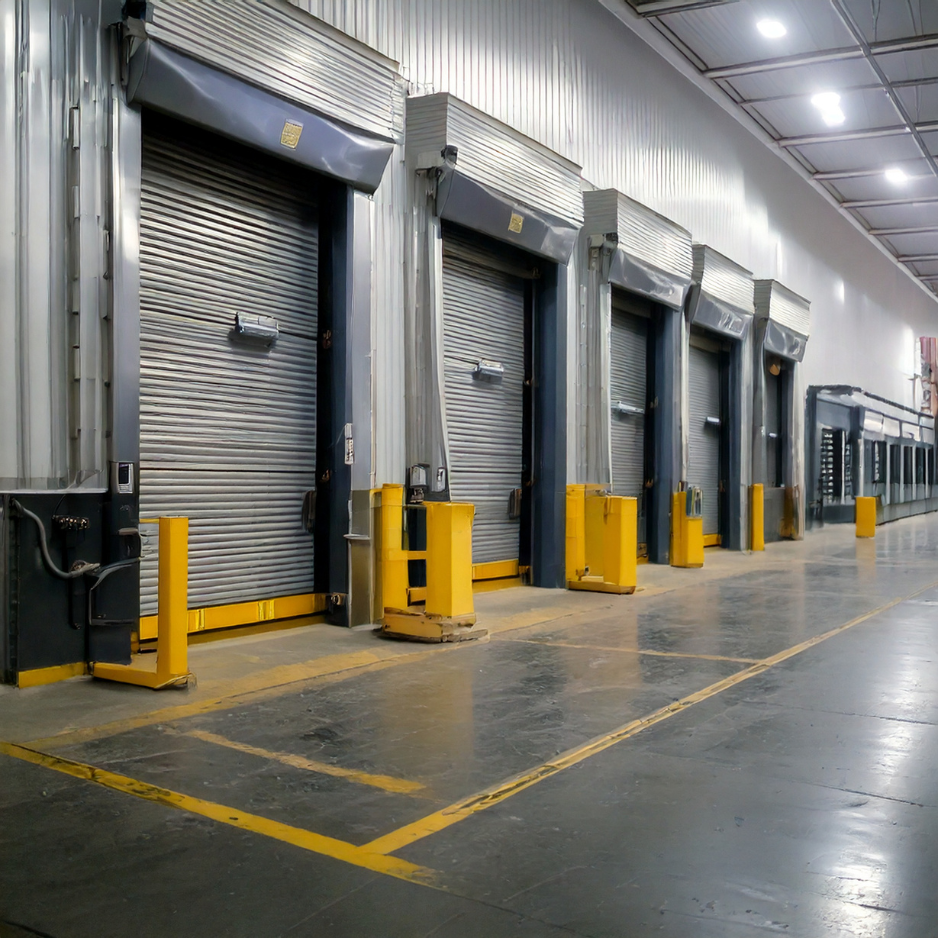
While often framed as a carrier problem, empty miles frequently begin with choices made inside the four walls: appointment spacing, door assignment, staging rules, and how outbound and inbound loads are sequenced. When departures and arrivals aren’t coordinated, tractors and yard hostlers reposition without moving product—burning time and capacity and creating yard congestion.
Why It Matters
- Cost & capacity: Non-productive movement consumes fuel, labor hours, and maintenance without creating value; those costs return as higher rates or surcharges.
- Throughput & reliability: Long repositioning legs lead to late arrivals, bunching at the dock, missed linehaul cutoffs, and overtime.
- Safety & congestion: Extra hostler trips add conflict points at blind corners and gate lanes.
- Sustainability: More deadhead means higher emissions per shipped unit, which shows up in customer scorecards and ESG reporting.
Where It Shows Up
- Between facilities: Campus shuttles or nearby buildings when staging and door logic aren’t aligned.
- After single-use moves: Outbound loads with no planned backhaul to the same area.
- Within the yard: Re-spotting due to the wrong door, last-minute wave changes, or unclear priorities at dispatch.
Common Pitfalls
- Siloed planning: Shipping, receiving, and transportation plan independently, so trucks leave full and return empty.
- Static door assignments: Product families that feed each other are placed far apart, creating long re-spot moves.
- Peak-and-valley schedules: Appointments stack up in tight windows, forcing carriers to wait or reposition unproductively.
- Poor data visibility: ASNs, carrier ETAs, and yard status aren’t shared in time to pair moves.
How Teams Address It
- Synchronize waves and appointments: Release orders to match carrier departure times; smooth peaks.
- Dynamic dooring & zoning: Place related inbound/outbound flows adjacent; reduce cross-yard shuttles.
- Backhaul and pool planning: Use your TMS/YMS to suggest round trips, multi-stop routes, and pooled consolidations.
- Shared scorecards: Review empty-mile metrics with carriers and yard ops weekly; fix chronic causes (e.g., late picks, long dwell).
- Yard design cues: One-way lanes, mirror placement, and clear right-of-way rules to keep movements short and safe.
Practical Examples
- Regional DC: Store deliveries return to within 20 miles of key suppliers. By pairing supplier pickups after deliveries, the site converts two frequent empty legs into one productive round trip.
- Multi-building campus: Receiving is zoned near outbound consolidation for the same SKU families. Hostler empty shuttles drop by half because re-spots are rarely needed.
Measures or Guardrails (only if metrics meaningfully apply)
- Empty-mile rate: Empty miles ÷ total miles (by lane, carrier, or yard fleet).
- Backhaul capture rate: % of outbound moves paired with a planned return load.
- Yard empty-shuttle ratio: Empty hostler moves ÷ total hostler moves per shift.
- Door-first-time accuracy: % loads that hit the correct door without re-spot.
- Dwell time at door/yard: Chronic dwell often drives downstream deadhead.
Notes on Standards/Regulations (brief; no legal advice)
No regulation targets “empty miles” directly, but many shippers include it in greenhouse gas accounting (often Scope 3 for transport and distribution). Customers may request evidence of reduced deadhead or improved load factors in RFPs and performance reviews.
Practical Takeaway
You can’t eliminate empty miles, but you can design them out of daily operations. Treat empty miles as a shared facility–transportation metric, align waves and appointments, use dynamic dooring, and let your TMS/YMS propose pairings. The result: steadier dock flow, fewer re-spots, safer yards, and lower cost per shipped unit.
