












Eaches (Supply Chain Management)
Definition:
(noun, plural) – Individual units of product that are picked, packed, handled, or shipped separately rather than in case quantities or bulk packaging. In warehouse and distribution operations, an “each” represents a single sellable item as opposed to a case, pallet, or other grouped quantity.

Understanding Eaches in Warehouse Operations
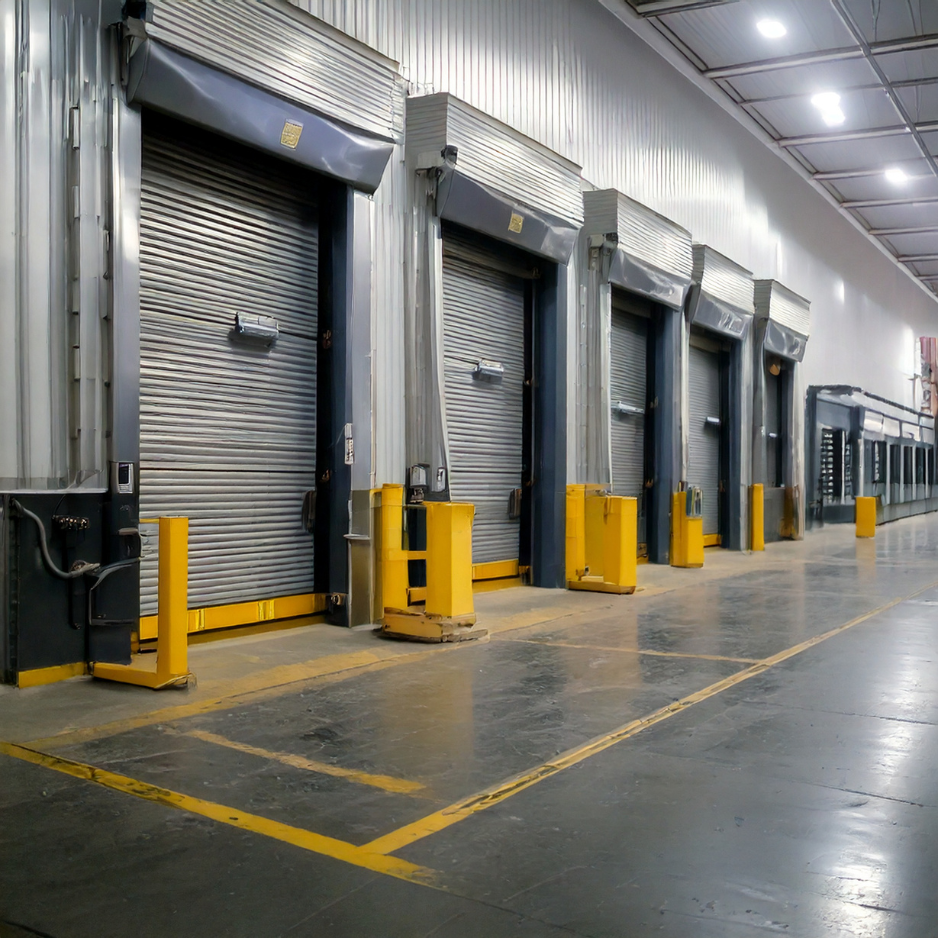
In industrial and distribution settings, eaches represent the smallest unit of inventory that moves through your facility. When a customer orders three bottles of cleaning solution rather than a full case of twelve, your warehouse is fulfilling an eaches order. This type of picking has become increasingly common as e-commerce growth and just-in-time inventory practices have shifted demand patterns away from bulk ordering. For businesses with busy loading docks, understanding eaches handling is critical because it directly impacts labor costs, throughput rates, and order accuracy.
The Impact of Each Picking on Operations
Each picking operations require fundamentally different processes than case or pallet handling. According to industry research, eaches picking typically accounts for 55-65% of total warehouse labor costs despite often representing a smaller percentage of total volume moved. The reason is simple: handling individual units requires more touches, more time, and more precision than moving cases or pallets. A warehouse worker picking eaches might handle 100-150 units per hour, compared to 400-600 cases per hour in case-pick operations.
The accuracy demands are also higher with individual unit picking. While a mispicked case might mean twelve wrong items, a mispicked each is just one error, but customers notice every mistake. Studies show that eaches picking operations maintaining 99.5% accuracy or better see significantly lower return rates and customer service costs. For facilities processing thousands of order lines daily, even a 0.5% improvement in accuracy translates to substantial savings.
Common Challenges with Eaches Handling
Storage and Slotting
Storing eaches efficiently requires careful consideration of product velocity, dimensions, and picking patterns. High-velocity eaches should be slotted in golden zone locations—between waist and shoulder height—to minimize reaching and bending. Slower-moving items can be stored in less accessible positions without significantly impacting productivity.
Technology and Automation
Many distribution centers handling high volumes of eaches are implementing pick-to-light systems, voice picking, or mobile scanning devices to improve speed and accuracy. These technologies guide workers to the correct location and verify picks in real-time, reducing error rates by 30-50% compared to paper-based picking. Some facilities are also exploring automated storage and retrieval systems specifically designed for eaches, though the return on investment depends heavily on volume and SKU count.
Space Utilization
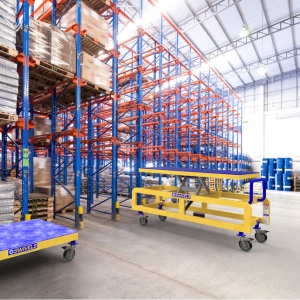
Eaches typically require more warehouse space per unit of product compared to case storage because individual items need accessible forward pick locations. A common approach is maintaining a smaller forward pick area stocked with eaches while keeping case quantities in reserve locations, though this requires regular replenishment to keep pick faces full.
Key Takeaways
Eaches picking is the foundation of modern order fulfillment, particularly as customer demands shift toward smaller, more frequent orders. Understanding how to optimize each handling improves both efficiency and profitability.
- Effective eaches handling requires balancing forward pick face accessibility with efficient use of warehouse space through smart replenishment strategies
- Eaches represent individual sellable units and typically consume 55-65% of warehouse labor costs despite smaller volumes compared to case picking operations
- Maintaining 99.5% or higher accuracy in eaches picking operations significantly reduces returns and customer service expenses
- Strategic slotting of high-velocity items in golden zone locations can improve picking productivity by 15-25%
- Technology solutions like pick-to-light and voice picking can reduce error rates by 30-50% in facilities handling each quantities
