












Dunnage
Definition:
Dunnage refers to the materials used to protect, secure, and stabilize cargo during transportation, storage, or handling. It can include wood, cardboard, foam, air pillows, plastic, or other materials designed to prevent damage and ensure freight safety.
Dunnage plays a critical role in protecting products from shifting, vibration, moisture, and impact. Without proper dunnage, goods are at higher risk of being damaged in transit, which can lead to costly claims, unhappy customers, and operational inefficiencies. Businesses that manage high shipping volumes or handle fragile, oversized, or irregular freight often rely on dunnage strategies to reduce losses and improve efficiency.

Why Dunnage Matters
Dunnage is more than just “packing material.” It is a cost-saving measure that reduces claims, minimizes product damage, and maintains efficiency in logistics. Whether it’s airbags used to fill voids in trailers, corrugated pads separating stacked goods, or wood blocks stabilizing heavy items, dunnage is the first line of defense against wasted costs and downtime.
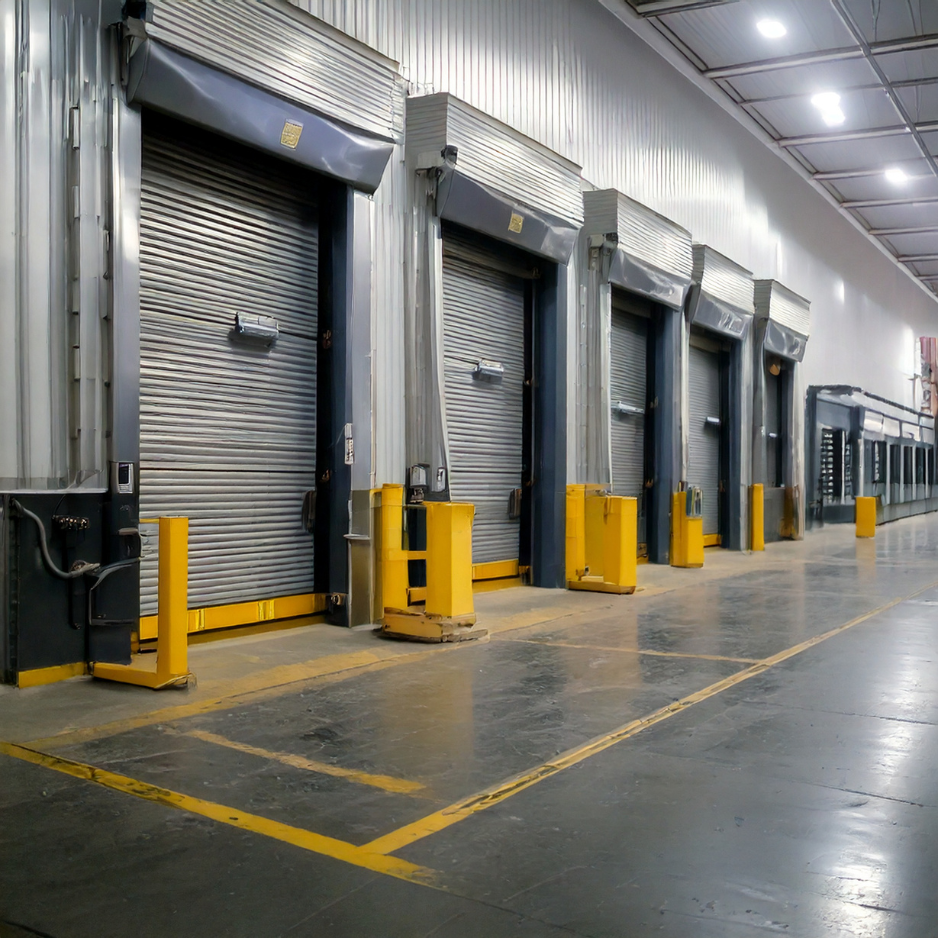
The right type of dunnage can also improve safety at busy loading docks. Unstable freight creates hazards for dock workers, lift truck operators, and drivers. By securing loads properly, businesses not only protect inventory but also reduce the likelihood of injuries and accidents.
Another important aspect of dunnage is sustainability. Many companies are moving away from single-use plastic or foam products toward recyclable or reusable options. Choosing the right material helps balance protection, cost, and environmental responsibility.
Key Statistics
- Cargo loss from improper load securement costs shippers billions of dollars annually.
- Industry data suggests that up to 20% of all freight claims are linked to insufficient or poorly applied dunnage.
- Reusable dunnage can reduce material costs by 30–50% over time compared to single-use packaging.
- Companies that adopt sustainable dunnage options report both reduced waste and improved brand reputation.
Types of Dunnage
Protective Dunnage

Protective dunnage includes materials such as foam inserts, bubble wrap, and air pillows that prevent fragile items from breaking. These are common in shipments where vibration and shock resistance are critical.
Blocking and Bracing Dunnage

Wood blocks, metal bars, and inflatable airbags fall into this category. Blocking and bracing prevent cargo from shifting inside trailers or containers, reducing damage and improving safety during transit.
Reusable Dunnage

Reusable options, such as molded plastic trays or custom inserts, provide long-term cost savings. These solutions are particularly effective in closed-loop supply chains where the same materials are reused multiple times.
Dunnage in Cost Control
Dunnage is closely tied to shipping and operational costs. While it may seem like an extra expense, effective dunnage reduces claims, saves time in handling, and minimizes downtime at the dock. Companies that ignore proper dunnage practices often face higher repair or replacement costs for damaged freight.
Using the right dunnage can also help maximize cube utilization by allowing freight to be stacked or secured more effectively. This improves trailer fill rates and reduces the number of trips required, directly lowering transportation costs.
Relevant KPIs
- Damage Rate per Shipment: Tracks how often freight arrives damaged; poor dunnage raises this number.
- Cost of Dunnage per Load: Total dunnage costs divided by the number of loads shipped.
- Claims Ratio: Percentage of freight claims attributed to inadequate load protection.
- Cube Utilization Efficiency: How well space is used in a trailer or container, which dunnage can directly improve.
Key Takeaways
Dunnage is essential for protecting, stabilizing, and securing cargo. It plays a vital role in reducing freight claims, controlling costs, improving dock safety, and maximizing trailer efficiency.
With options ranging from disposable materials to reusable systems, businesses can tailor dunnage strategies to balance cost, protection, and sustainability.
For companies managing busy loading docks, proper use of dunnage ensures shipments stay secure, customers stay satisfied, and operations stay efficient.
