












Cube Utilization
Definition: Cube utilization is the percentage of total cubic capacity that is actively used within a given space, such as a trailer, container, or storage area. It reflects how efficiently available volume is being filled compared to how much remains unused.
Cube utilization is a key performance measure that helps businesses reduce wasted space and lower transportation or storage costs. By improving this metric, companies can move more products per load, cut down on unnecessary trips, and improve overall dock efficiency.

Why Cube Utilization Matters
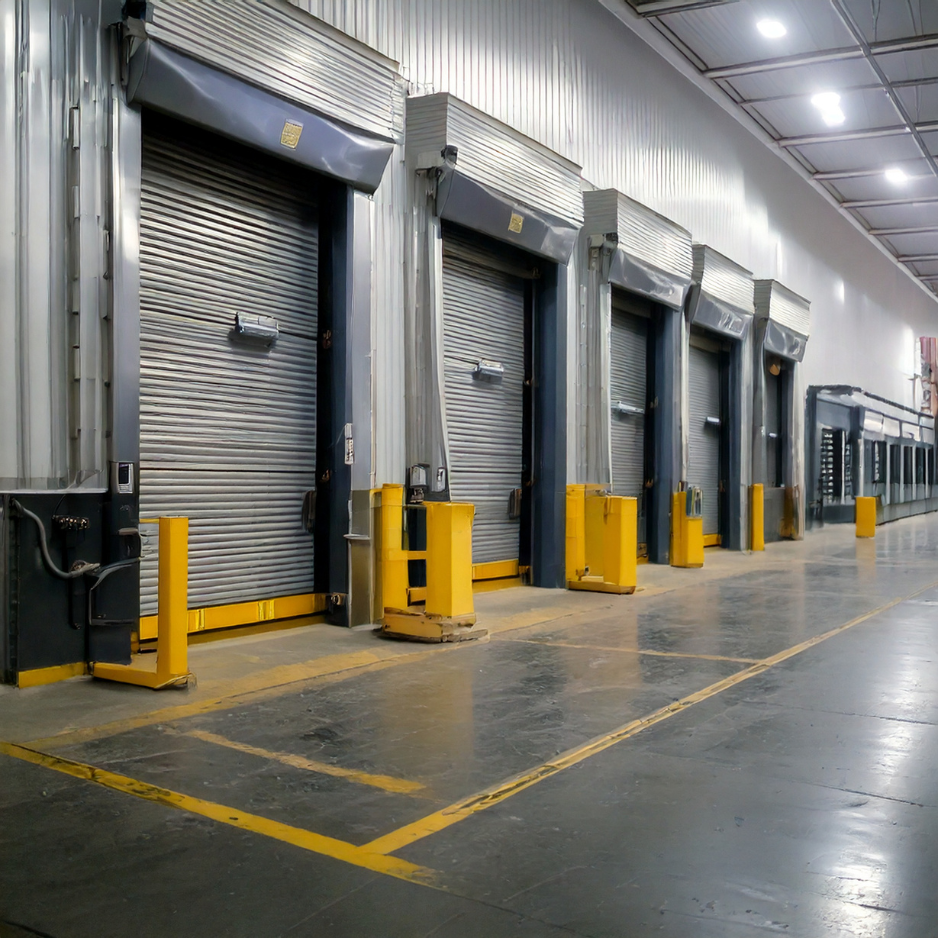
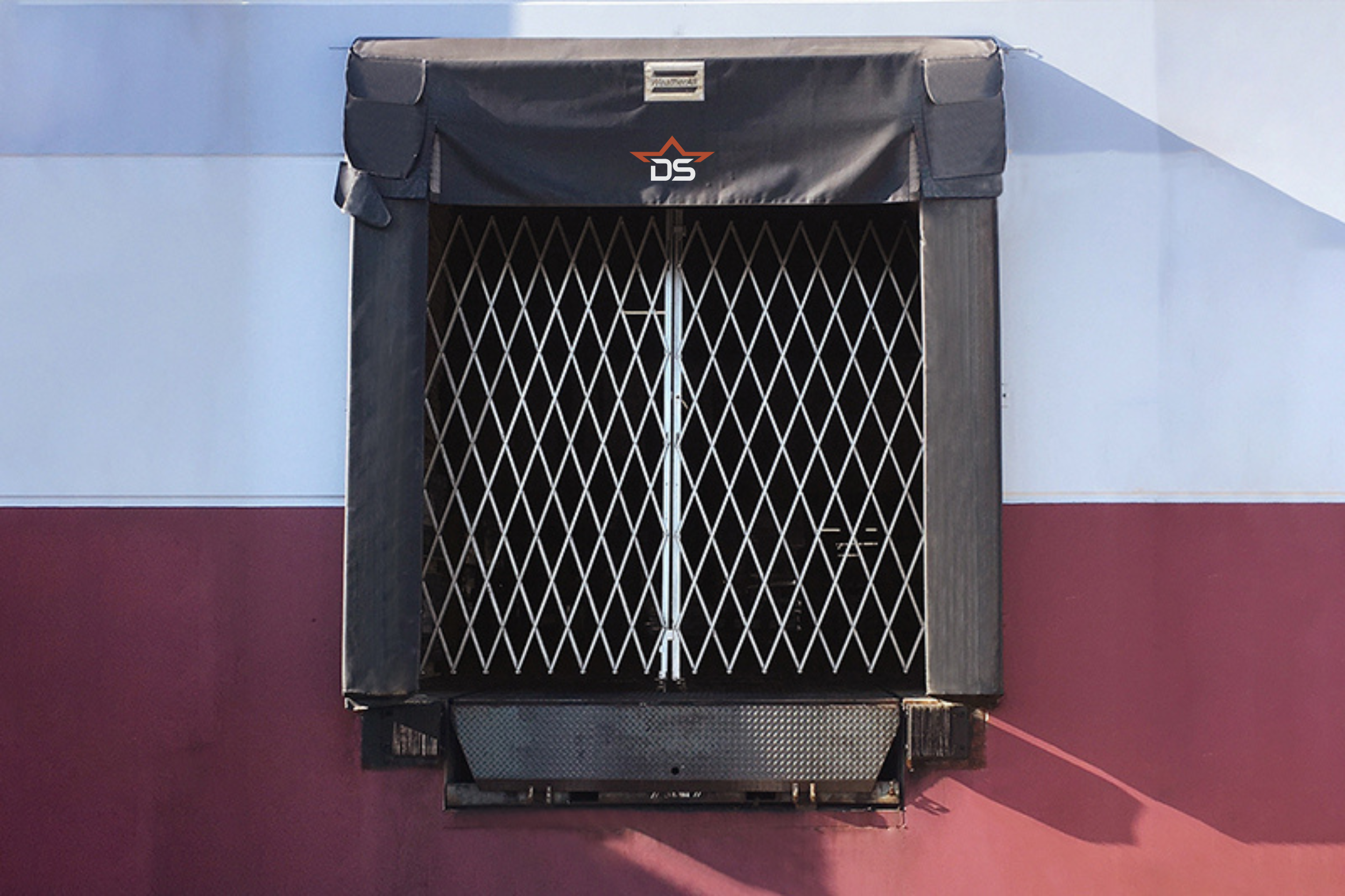
Optimizing cube utilization ensures businesses get the most out of their available space. Poor utilization leads to higher freight expenses, excess labor costs, and underused storage capacity. Higher utilization, on the other hand, increases efficiency and reduces cost per unit shipped. Equipment such as Hydraulic Dock Levelers and Telescopic Conveyors can play a role in improving loading efficiency, while levelers support faster dock operations that reduce bottlenecks.
Key Statistics
- Studies show that many operations achieve only 65–70% cube utilization, leaving up to a third of space unused.
- Improving trailer cube utilization by 10% can reduce freight costs by 8–12%.
- Facilities consistently operating at 85% or higher utilization typically see faster turnaround times and fewer damaged loads.
Relevant KPIs
- Cube Utilization Rate: (Used cubic space ÷ Total available cubic space) × 100
- Cost per Cubic Foot: Total storage or freight cost ÷ Utilized cubic feet
- Load Factor Efficiency: Ratio of actual load to maximum possible load volume
FAQs
1. How is cube utilization calculated?
Cube utilization is calculated by dividing the total used volume by the total available volume and multiplying by 100 to get a percentage. This shows how efficiently the space is being used.u003cbru003e
2. What is a good cube utilization percentage?
Most operations aim for at least 80% cube utilization. Anything above 85% is considered excellent, though the target may vary depending on the type of goods and handling systems in place.
3. How can businesses improve cube utilization?
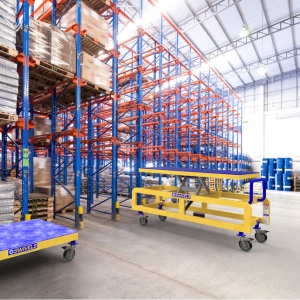
Common strategies include optimizing pallet patterns, using racking systems that take advantage of vertical space, standardizing packaging, and using load planning software for trailers and containers.
4. Does better cube utilization reduce costs?
Yes, improved cube utilization reduces wasted space, allowing more products to move per shipment or more storage per square foot. This results in lower freight costs, reduced handling, and improved overall efficiency.
5. What tools help measure cube utilization?
Tools such as 3D load planning software, WMS (warehouse management systems), and automated dimensioning equipment help track and improve cube utilization by providing real-time data and recommendations.
Key Takeaways
Cube utilization is a critical efficiency metric for businesses that rely on storage and transport. It directly impacts costs, handling times, and throughput. By focusing on improving cube utilization through better planning, packaging, and equipment use, businesses can unlock measurable savings and boost operational performance.
