












Consignee
Definition
Consignee (noun): The individual or business entity that is designated to receive goods in a shipping or delivery transaction. In industrial and warehouse settings, the consignee is the party listed on the bill of lading or shipping documents as the receiver of the freight.

What a Consignee Means in a Warehouse Setting
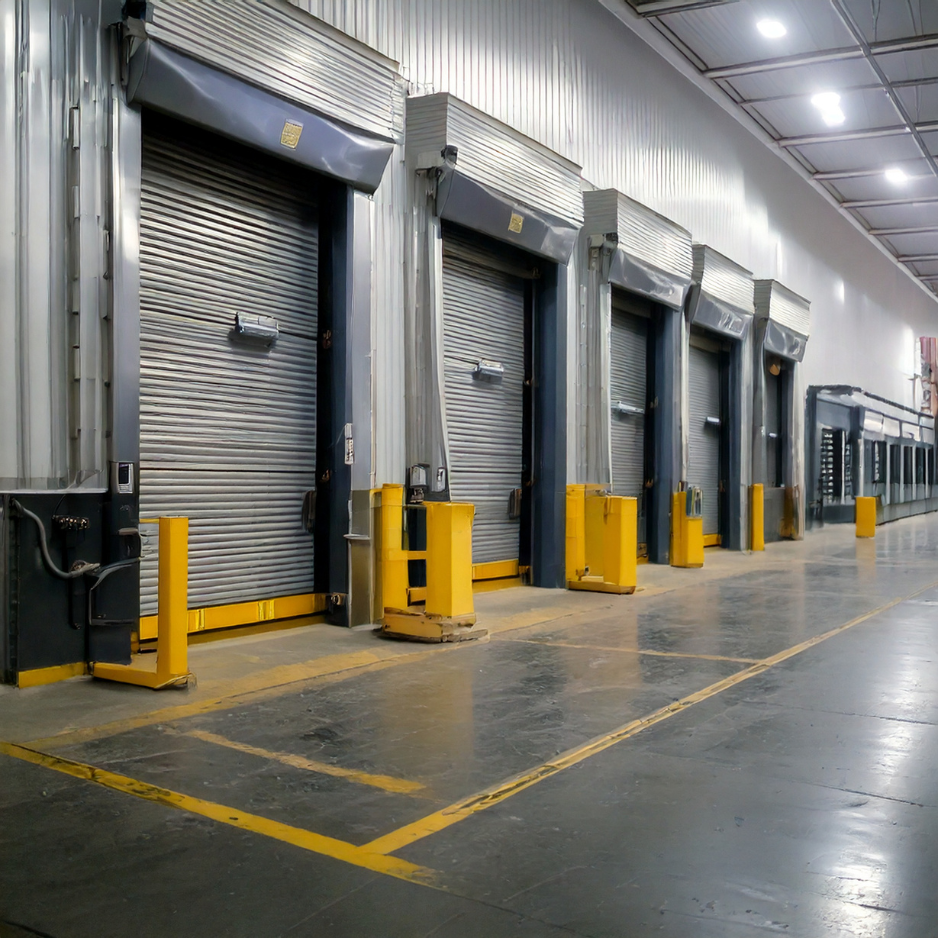
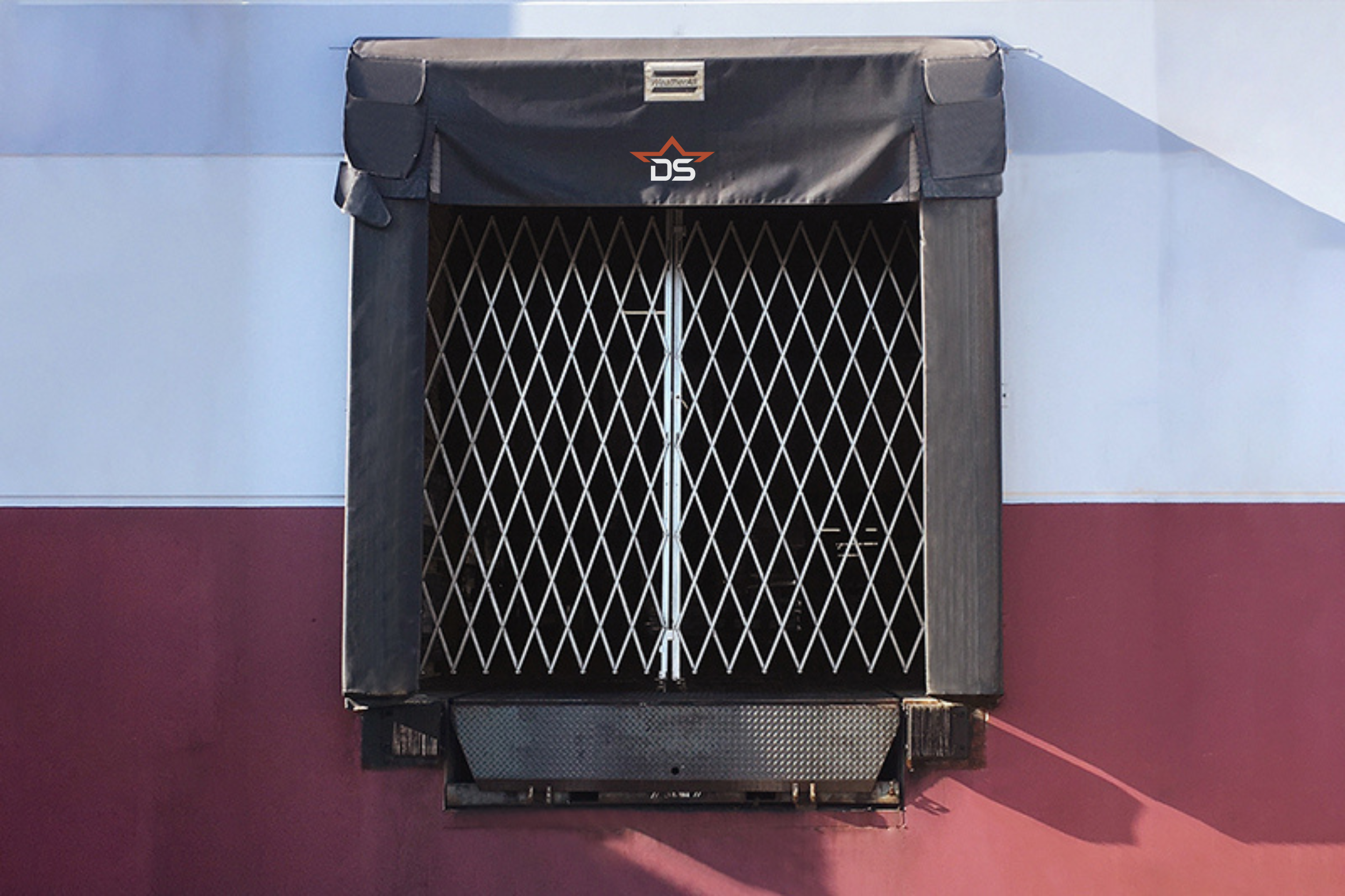
In warehouse and loading dock operations, the consignee plays a critical role in the flow of goods. While shippers and carriers are responsible for moving freight, the consignee in shipping is the party that ultimately takes delivery. This could be a warehouse, distribution center, or manufacturing facility. A freight consignee is responsible for inspecting the shipment upon arrival, verifying quantities, and ensuring that goods are moved quickly from dock to storage or production areas.
Why Consignees Matter at Loading Docks
- Operational Flow: Consignees ensure cargo is received, unloaded, and routed correctly.
- Liability: Once the consignee accepts delivery, responsibility for the shipment typically transfers from the carrier.
- Accuracy: Miscommunication with the consignee can lead to costly delays, misrouted freight, or storage bottlenecks.
- Volume Impact: According to industry data, U.S. warehouses handle over 19 billion tons of freight annually, making consignee efficiency a key part of dock productivity.
Best Practices for Consignees in Warehousing
Clear Documentation
Ensure bills of lading and delivery receipts list the correct consignee to avoid delays.
Dock Scheduling
Busy warehouses often use dock scheduling systems to streamline when consignees accept deliveries.
Inspection Procedures
A warehouse consignee should always check for damaged or missing freight before signing delivery paperwork.
Coordination With Carriers
Effective communication between carriers and consignees reduces dwell time at docks and keeps freight moving.
Consignee FAQs
1. What is the difference between a consignee and a consignor?
The consignor is the shipper who sends the goods, while the consignee is the party who receives them at the destination.
2. Who can be listed as a consignee on freight documents?
A consignee can be the buyer, a warehouse, a distribution center, or even a third-party logistics provider receiving goods on behalf of the buyer.
3. What are the consignee’s responsibilities at the loading dock?
A u003cstrongu003ewarehouse consigneeu003c/strongu003e is responsible for accepting delivery, checking the shipment, and moving goods safely into storage or production.
4. Can there be multiple consignees for a single shipment?
Yes, in split shipments or consolidated loads, multiple consignees may be listed, each receiving a portion of the freight.u003cbru003e
5. Does the consignee own the goods once delivered?
In most cases, yes. Once the consignee signs for delivery, ownership and liability transfer, unless otherwise stated in shipping terms.
6. What happens if freight is delivered to the wrong consignee?
Incorrect consignee information can cause delays, additional transportation costs, and potential claims against the carrier or shipper.
Key Takeaways
The consignee is the end receiver of freight and a vital link in warehouse and loading dock operations. By ensuring accurate documentation, clear communication, and efficient unloading, consignees keep supply chains moving smoothly. Whether it’s a freight consignee at a manufacturing plant or a consignee in shipping at a distribution hub, this role is central to safety, compliance, and operational efficiency.
