















Carrier Compliance
Definition:
Carrier Compliance (noun): The adherence of freight carriers to federal, state, and customer-specific safety, legal, and operational requirements that regulate transportation and logistics operations.
Carrier compliance is a critical element in industrial and warehouse settings where shipping and receiving are constant. Businesses with busy loading docks rely on carriers that meet Department of Transportation (DOT) regulations, safety standards, and contractual agreements. Ensuring compliance reduces liability, improves efficiency, and safeguards both employees and equipment during the loading and unloading process.

Why Carrier Compliance Matters in a Warehouse Environment
Carrier compliance impacts warehouse and distribution center operations every day. When a carrier arrives at the dock, managers must be confident that the driver, vehicle, and freight meet all safety and legal requirements. Non-compliance can lead to fines, OSHA violations, costly downtime, or damaged customer relationships. For facilities handling hundreds of truckloads each month, even a small compliance issue can cause ripple effects across scheduling, labor allocation, and customer delivery timelines.
Industry Statistics
- According to the Federal Motor Carrier Safety Administration (FMCSA), over 20% of vehicles inspected during roadside checks are placed out of service due to compliance issues.
- Warehouses that maintain strict carrier compliance programs report up to 30% fewer dock-related accidents compared to facilities without a standardized compliance process.
- Carriers with poor compliance scores often face higher insurance premiums, which can directly affect shipping costs for shippers and receivers.
Key Elements of Carrier Compliance
Safety Regulations
Carriers must comply with DOT and FMCSA safety rules, including driver qualification, hours-of-service limits, and vehicle inspections.
Documentation
Bills of lading, proof of delivery, and permits must be accurate and up to date to ensure smooth warehouse operations.
Insurance and Liability
Warehouses should only accept carriers that provide proof of active insurance coverage, protecting against accidents and cargo loss.
Dock Protocols
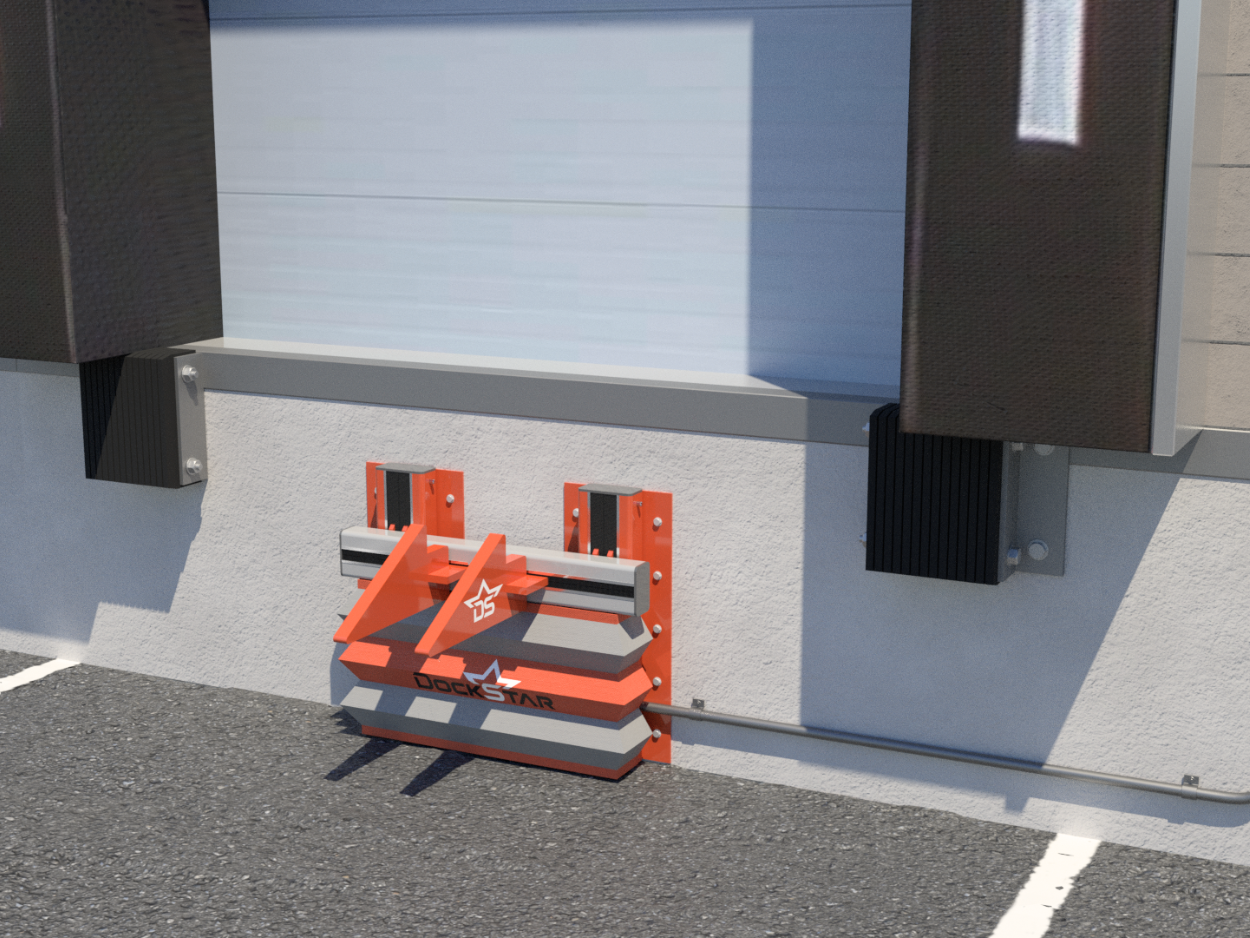
Facilities often set additional compliance rules—such as wheel chocks, vehicle restraints, and PPE requirements—that carriers must follow at the loading dock.
Common KPIs for Measuring Carrier Compliance
- On-Time Delivery Rate: Percentage of shipments delivered on schedule.
- DOT Compliance Score: A rating based on roadside inspections and safety audits.
- Accident Rate per Million Miles: Used to evaluate safety performance.
- Dock Violation Incidents: Number of non-compliance issues recorded at warehouse docks.
FAQ: Carrier Compliance
1. u003cstrongu003eWhat happens if a carrier fails compliance at my dock?u003c/strongu003e
The load may be delayed, refused, or reassigned. This can create downtime and extra costs for the warehouse operation.u003cbru003eu003cstrongu003eWho is responsible for monitoring carrier compliance?u003c/strongu003e
2.u003cstrongu003eWho is responsible for monitoring carrier compliance?u003c/strongu003e
Typically, the facility’s operations or safety manager, in coordination with procurement teams and shipping partners.
3. u003cstrongu003eHow does carrier compliance affect warehouse safety?u003c/strongu003e
Non-compliant carriers increase risks of dock accidents, equipment damage, and potential injuries to warehouse staff.
4. u003cstrongu003eCan poor carrier compliance increase shipping costs?u003c/strongu003e
Yes. Non-compliant carriers often face higher insurance and penalty fees, which can raise overall transportation costs.
5. u003cstrongu003eDo warehouses need to track compliance metrics?u003c/strongu003e
Absolutely. Tracking KPIs like on-time deliveries, DOT scores, and violation incidents ensures accountability and better vendor management.
6. u003cstrongu003eIs carrier compliance required for all shipments?u003c/strongu003e
Yes. Whether full truckload (FTL) or less-than-truckload (LTL), carriers must meet federal and customer-specific compliance standards.
Key Takeaways
Carrier compliance ensures that trucks, drivers, and freight meet all legal and safety requirements before interacting with your warehouse. For businesses with busy loading docks, maintaining strict compliance processes minimizes downtime, prevents costly violations, and protects both people and assets. By prioritizing compliance, warehouses improve efficiency, reduce liability, and create stronger relationships with reliable carriers.
