












Bulk Freight
Definition:
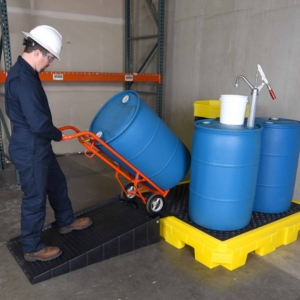
Bulk Freight (noun): Large-volume freight moved without standard unitization (not on pallets), including loose commodities or containers like super sacks, drums, totes, coils, powders, or liquids that require specialized handling, containment, and securement at the loading dock.

What It Means in a Busy Loading-Dock Operation
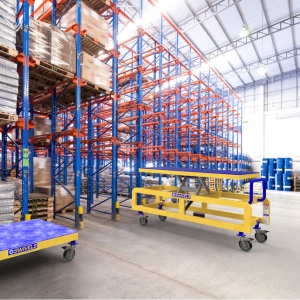
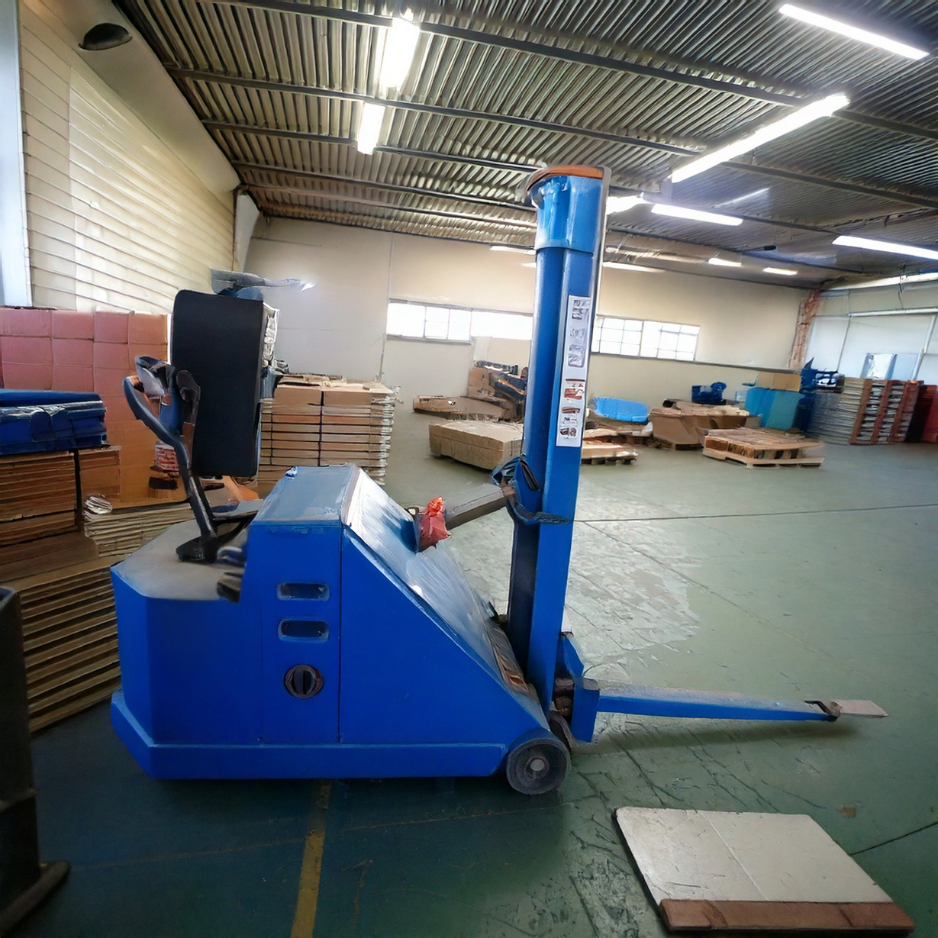
Bulk Freight appears as loads that don’t fit standard pallet patterns. Crews may unload with forklifts and attachments, drum handlers, or coil cradles, and use extendable equipment for loose cartons. Expect extra steps for containment, sampling, and weight distribution on dock plates and trailers. For loose-loaded parcels and cartons, telescopic conveyors or automatic loading and unloading can streamline flow.
Why Teams Use It
- Maximizes throughput for high-volume commodities without repalletizing.
- Cuts packaging costs and handling touches versus unitized freight.
- Improves cube efficiency by filling trailers or bins closer to capacity.
Regulatory & Safety Notes
- Train PIT operators and attachment users; verify capacities and inspect gear before use.
- Maintain containment for powders/liquids and control dust or vapors with ventilation and PPE.
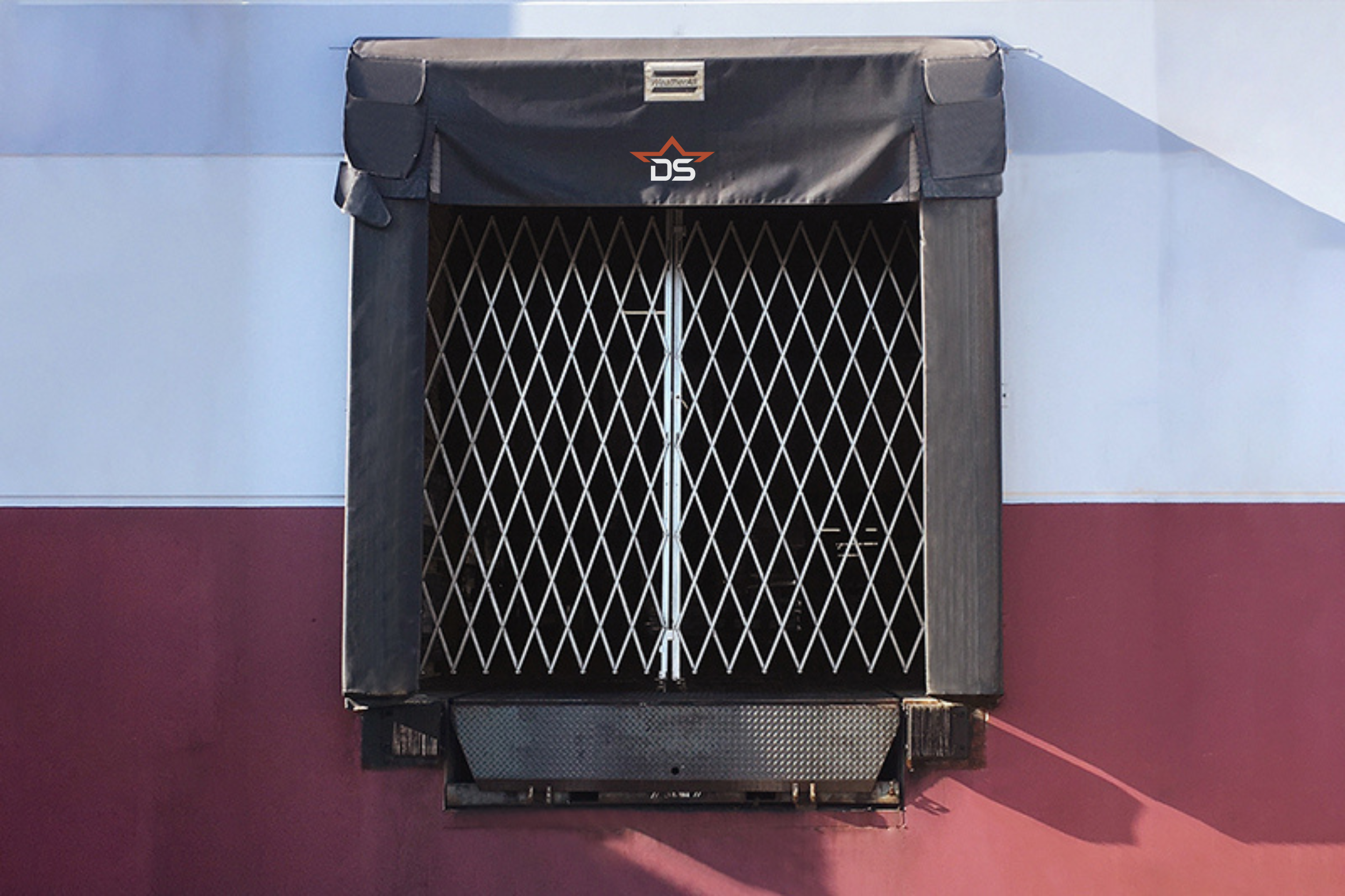
- Keep egress routes, dock edges, and sprinkler clearances open; consider driver access cages to separate visitors from PIT traffic.
How to Do Bulk Freight Safely
1) Start with the load/setup
- Inspect seams, valves, bungs, and lifting loops; tag out torn bags, dented drums, or leaking totes.
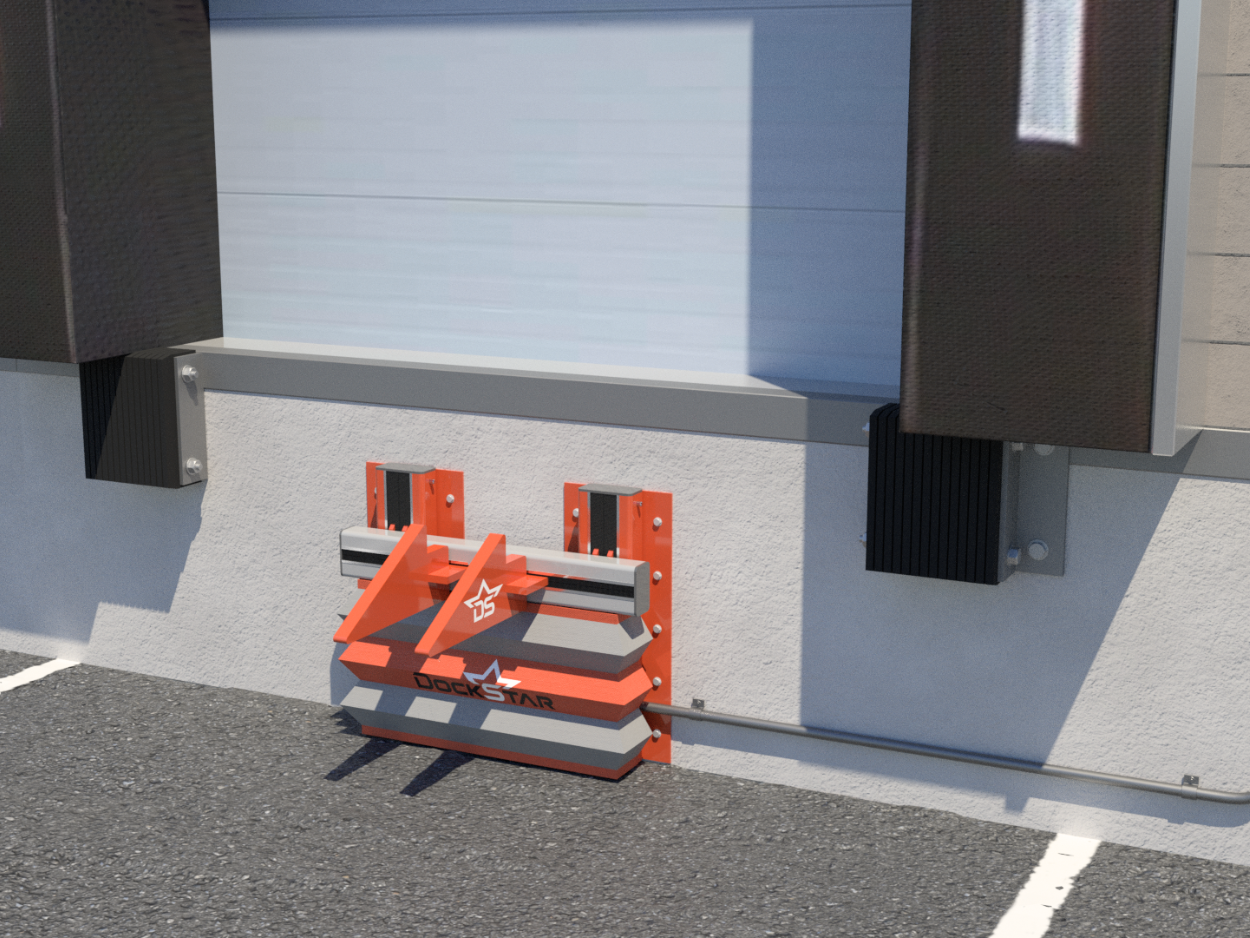
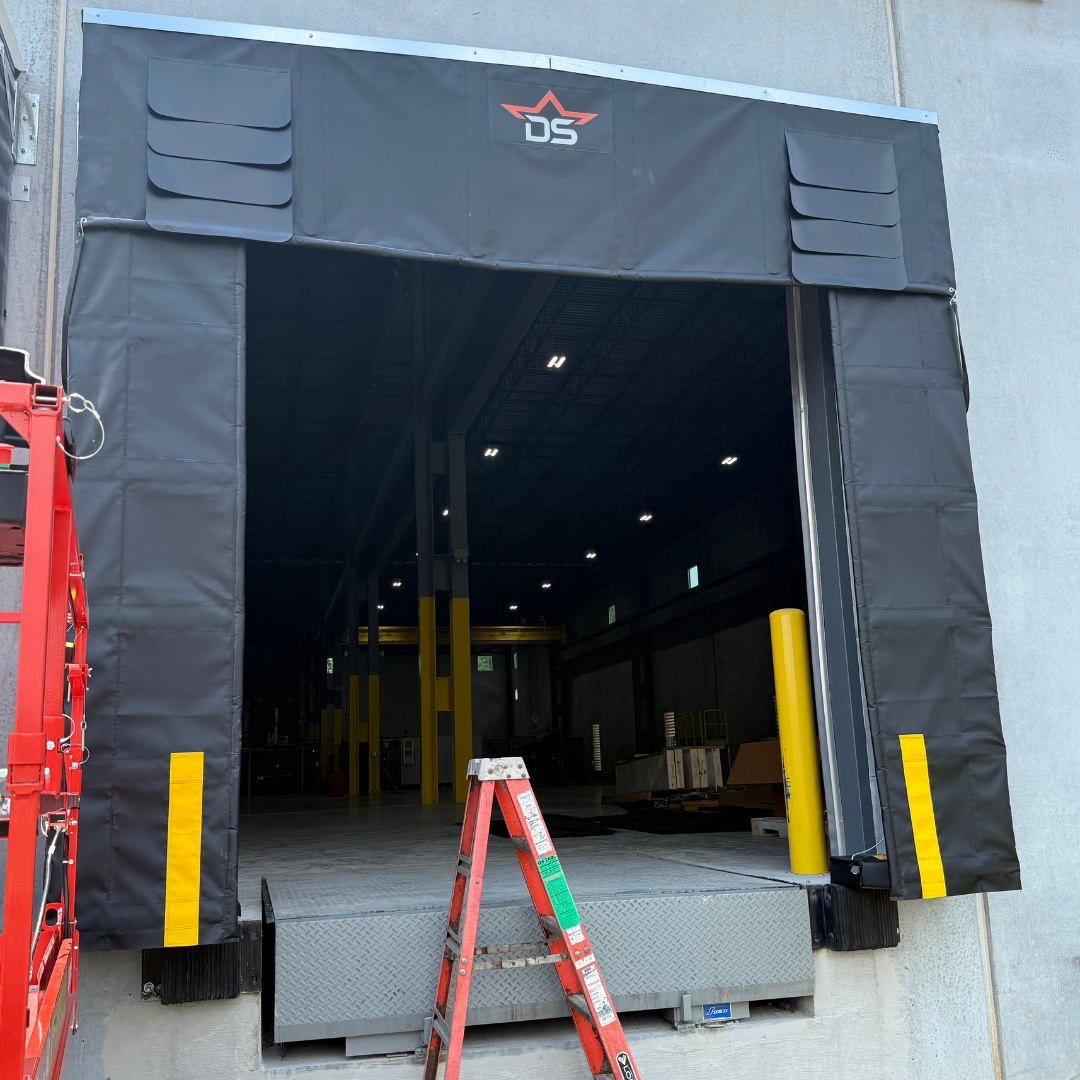
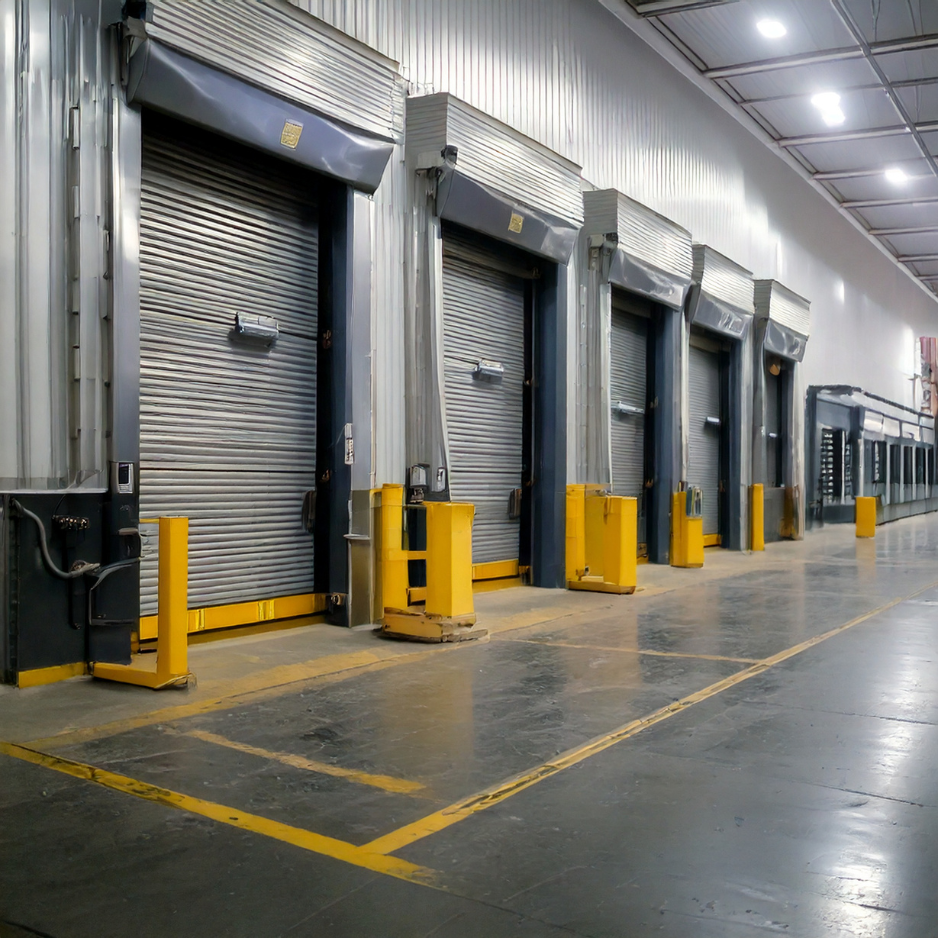
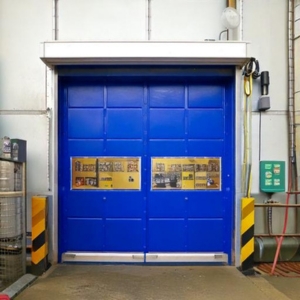
- Confirm equipment ratings (forklift, clamps, levelers, plates, slings) exceed load weight with margin; set vehicle restraints to prevent early pull-away. Dock seals and shelters help control drafts, dust, and light during handling.
2) Choose a stable method/pattern
- Use racks/cradles for drums/coils; orient valves up and ensure lids are tight.
- Unitize where practical with banding or stretch-wrap around bins/gaylords; avoid pyramiding loose containers.
3) Set safe limits/clearances
- Follow manufacturer and code for max stack heights; never double-stack super sacks unless rated.
- Maintain required sprinkler and lighting clearances; leave walk paths at dock doors and intersections.
4) Lay out lanes for flow
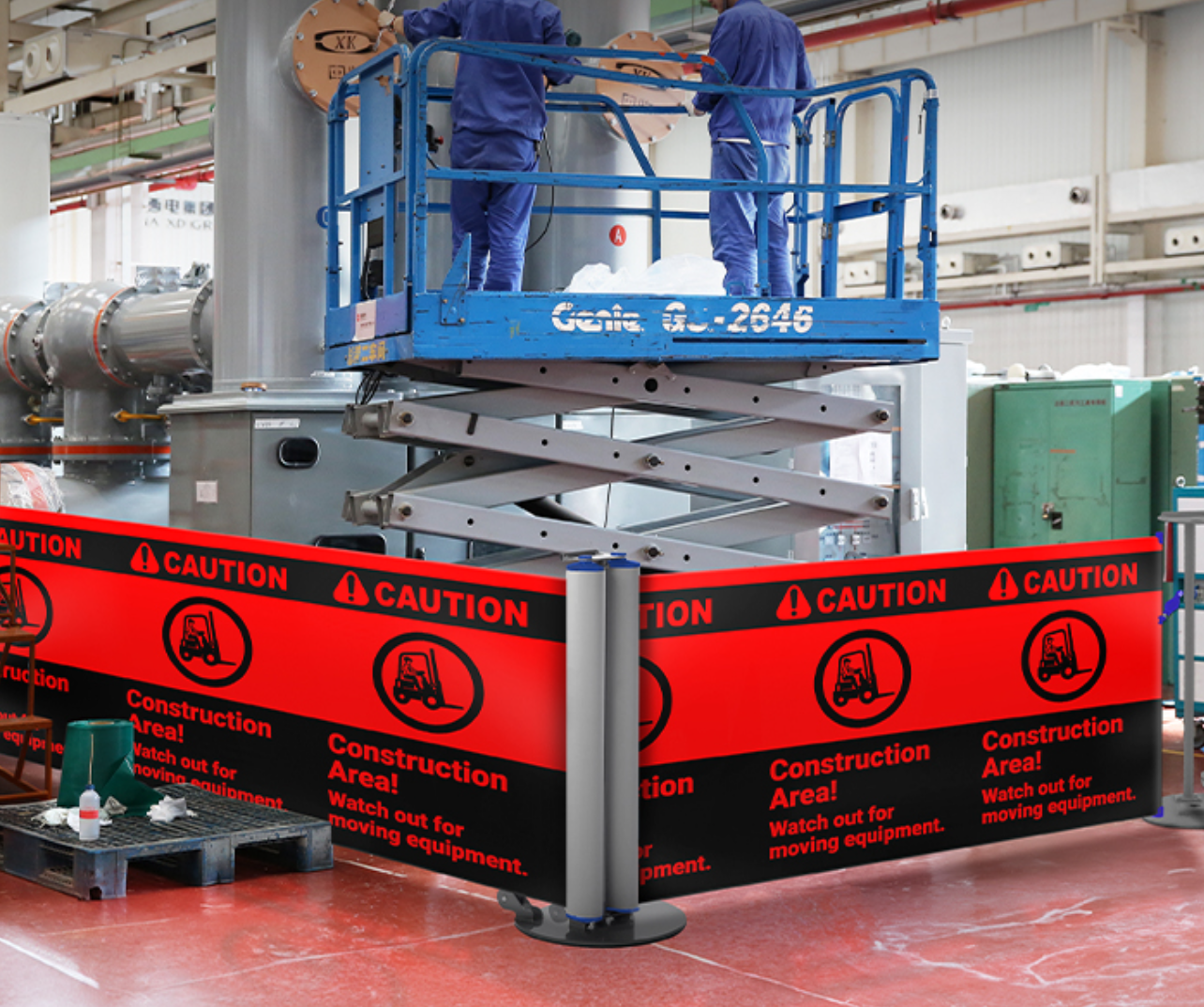
- Mark PIT lanes and staging zones for clear line-of-sight at dock edges and crossings.
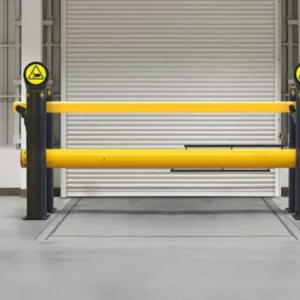
- Size aisles to the largest load and turning radius; separate pedestrians with protective railings.
5) Housekeeping & inspections
- Sweep granules promptly; deploy spill kits immediately and empty hoppers before overflow.
- Inspect attachments, racking, slings, and valves each shift; remove damaged containers from service.
Where Bulk Freight Works Best
- High-volume receiving that feeds production or packaging lines.
- Short-term staging or overflow when pallet racking is constrained.
- Project work with irregular sizes/weights that don’t fit standard pallets.
KPIs That Matter
- Dock-to-Stock Time: minutes from trailer arrival to bin-located, ready inventory.
- Damage/Contamination Rate %: leaks, tears, or foreign material incidents per total units/tons.
- Cube Utilization %: trailer/bin interior space used versus available.
- Trailer Turn Time: minutes from check-in to departure for Bulk Freight loads.
- Safety Observations per 1,000 Units: proactive findings logged around handling, containment, and traffic.
Quick Calculations
- Trailer Capacity Estimate: (interior length × width × height) ÷ item cube = approximate units per trailer; reserve headspace for doors and airflow.
- Leveler Planning: use ≤80% of rated capacity to account for dynamic impact and uneven distribution.
FAQs
1) Is Bulk Freight the same as loose-loaded cartons?
Not always. Bulk Freight includes super sacks, drums, totes, or coils—items not on pallets. Loose cartons can be handled as bulk, but facilities often unitize them or use telescopic conveyors to speed unload and reduce strain.
2) What equipment speeds unloading for Bulk Freight?
Match attachments to the container: drum clamps, coil cradles, fork-mounted hooks, or auger/vac systems for powders. For loose cartons or parcels, automatic loading and unloading conveyors can compress dock times.
3) How do we prevent spills and product loss?
Inspect each container on arrival; stage in contained areas and keep spill kits within reach. Use rated racks/cradles and avoid stacking beyond manufacturer limits. Dock seals and shelters reduce wind, dust, and glare that complicate handling.
4) How do we cut near-misses at the dock with Bulk Freight?
Improve sightlines and separation: marked PIT lanes, mirrors, and protective railings for pedestrian zones. Use vehicle restraints to prevent unexpected departures during load/unload.
5) Can Bulk Freight remain in staging for extended periods?
Move it to bins, silos, racks, or dedicated floor zones as soon as feasible. If staging is necessary, maintain code-required clearances, label lots, and cap dwell time. Keep visitors in driver access cagesto limit PIT exposure.
Key Takeaways
Bulk Freight enables high-volume movement without pallets but demands disciplined equipment selection, containment, and traffic control. Prioritize inspections, stable stacking, clear lanes, and housekeeping to reduce damage and speed turns. Track Dock-to-Stock Time, Trailer Turn Time, Damage Rate, and Cube Utilization to spot bottlenecks.
