














Backhaul (Trucking)
Definition — The backhaul is the return leg of a truck’s trip after delivering its outbound (“headhaul”) load. In loading-dock operations, arranging a backhaul means securing a revenue-generating pickup (returns, vendor replenishment, recyclables, packaging, or another customer order) so the trailer doesn’t drive back empty.

What it means for busy loading docks
Backhauls are about cutting waste. When your team pre-plans return pickups and protects appointment windows, you convert empty miles into paid miles, stabilize carrier capacity, and reduce congestion and idle time at the dock. The goal: fewer deadhead miles, tighter dwell, and trailers that leave your doors with useful cube or weight instead of air.
Stats that matter
• Empty miles remain significant. ATRI’s latest cost benchmarking shows average empty (deadhead) miles at about 16.7%. Other analyses estimate that 20–35% of U.S. truck miles run empty—huge room for savings if you can secure backhauls. Trucking Research
• Detention kills backhauls. In 2023, drivers reported detention at 39.3% of stops; about 1 in 10 stops ran beyond two hours—often the difference between catching a return load and deadheading. Estimated industry cost: roughly $15B in 2023. Trucking Research
• SmartWay tracking tip. EPA SmartWay notes that while empty miles don’t count in ton-miles, the fuel burned during those empty miles does—useful for spotlighting “wasted” fuel and motivating backhaul process improvements. US EPA+1 (PDF)
How backhauls improve dock performance
• Lower cost per mile by turning a deadhead into paid miles, especially on long returns
• More dependable carrier capacity—carriers prize shippers who protect schedules and provide predictable return freight
• Less congestion and emissions—better appointment adherence and fewer “just-in-case” trucks mean cleaner yards and safer docks
Practical enablers on the dock
• Appointment discipline: lock in realistic windows for both outbound and return pickups; publish cutoff times for same-day backhaul loading
• Fast turns: streamline doors, staging, and paperwork to reduce dwell; every minute you save preserves the window to make the backhaul
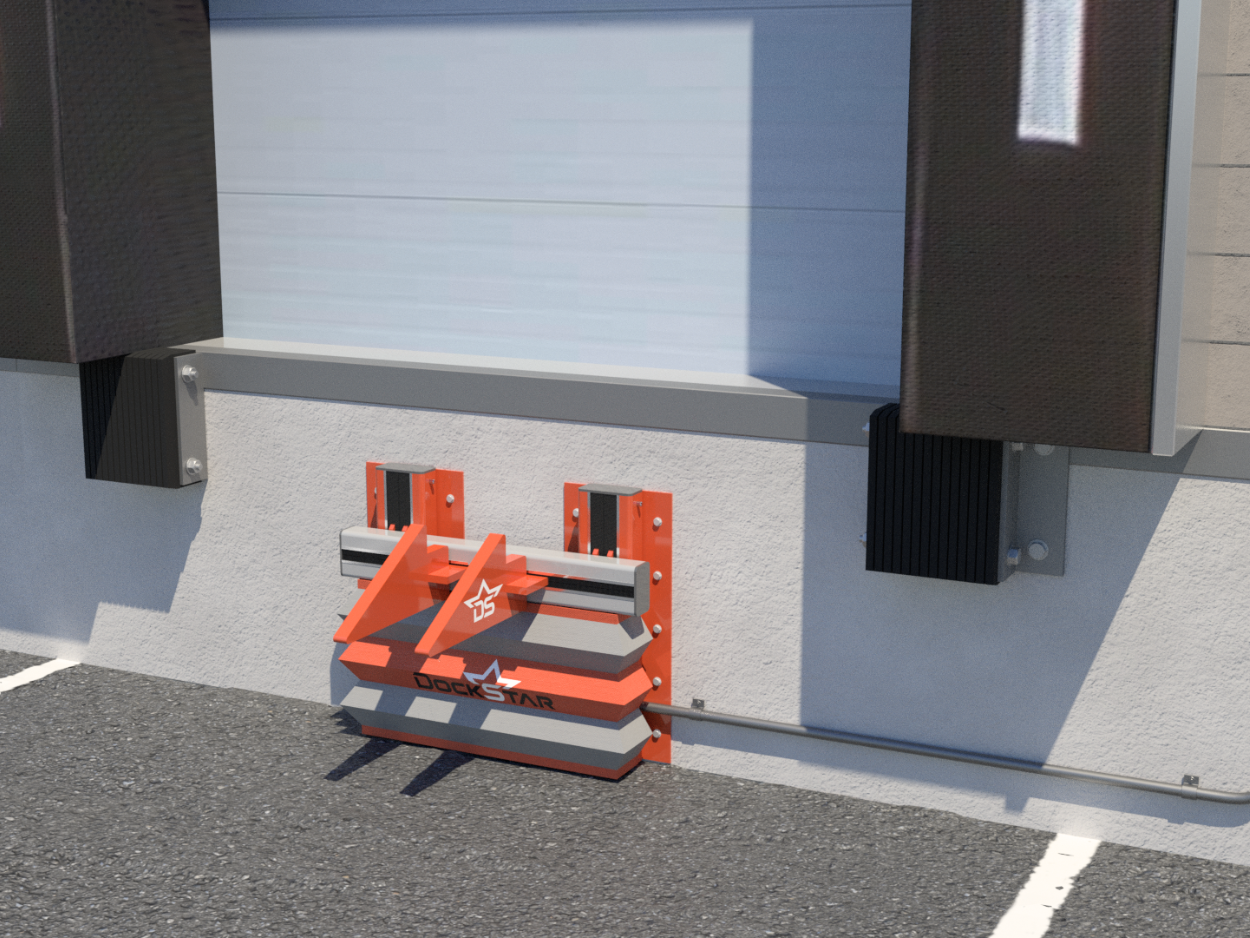
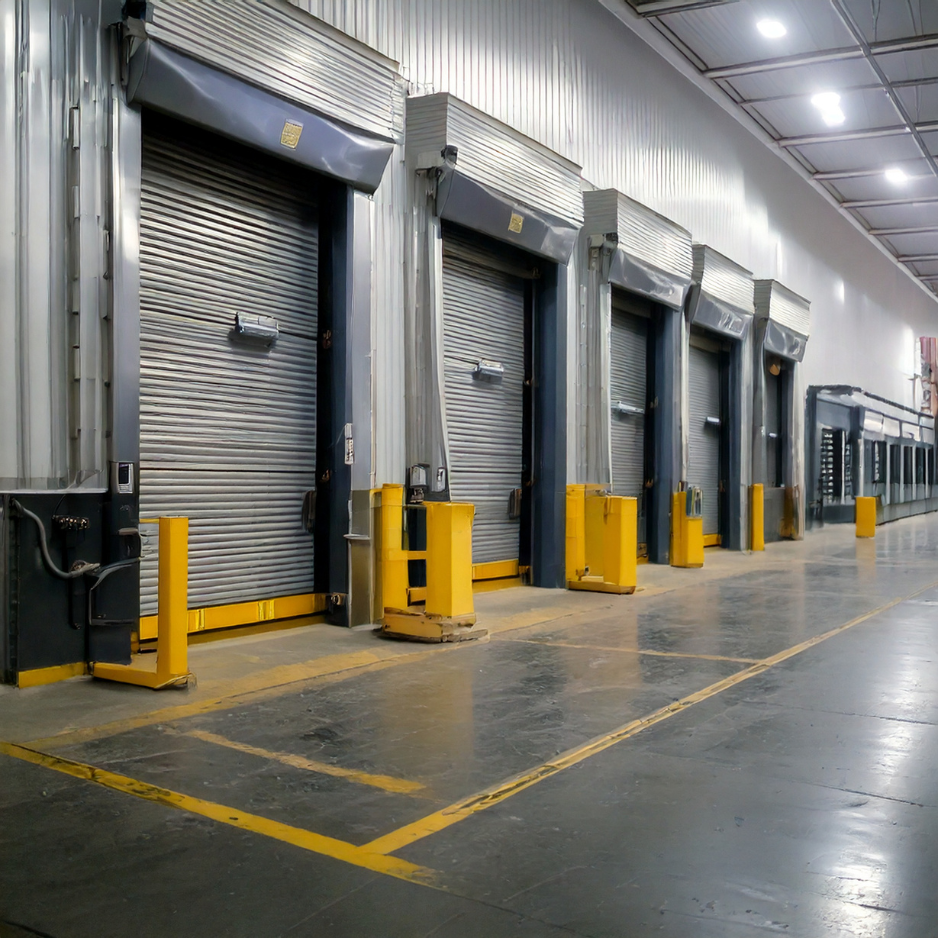
• Equipment readiness: reliable dock levelers, vehicle restraints, and clear protective railings speed safe turns so trucks can make their next pickup
• Reverse-flow planning: pre-assign vendor returns, dunnage, or recycling on lanes that frequently deadhead
KPIs to track
Empty Miles %
(Empty miles ÷ Total miles) × 100. Baseline by lane and carrier; prioritize high-percentage lanes for backhaul development.
Backhaul Fill Rate
(Return trips with a paid load ÷ Total return trips) × 100. Track weekly; aim for steady month-over-month improvements, not a universal target.
Backhaul Revenue per Mile (RPM)
Monitor the spread versus headhaul RPM to ensure you’re adding profitable returns, not just any freight.
On-Time Appointment Rate (outbound + backhaul pickups)
Dock punctuality is a leading indicator for detention and backhaul success; scorecard by facility and carrier.
Dock Dwell & Detention Incidence %
Every extra hour erodes the ability to secure and stage a backhaul; reduce root causes first.
Trailer Utilization on Backhauls
Track cube or weight utilization and avoid “unprofitable fills.”
FAQs
What’s the difference between a headhaul and a backhaul?
Headhaul is your outbound move and usually pays more; backhaul is the return leg. Turning backhauls into paid miles reduces empty-mile waste and helps balance your network.
How do I find consistent backhauls for my docks?
Pre-plan reverse flows (returns, vendor pickups, recyclables) in your TMS, keep flexible windows for return pickups, and cultivate nearby shipper/receiver partners. Load boards and collaborative networks can fill gaps on short notice.
How does detention affect backhaul success?
Delays at the dock burn the time needed to catch a return load. With detention occurring at roughly 39% of stops—and about 10% exceeding two hours—tight door management and staging have an outsized impact on backhaul rates.
Is there a “good” backhaul fill rate?
It varies by lane balance and season. Start by benchmarking your current rate, then improve the worst lanes first. Pair fill rate with Empty Miles % and Backhaul RPM to avoid low-quality freight.
Do backhauls really move the cost needle?
Yes. Cutting empty miles reduces fuel waste and boosts revenue miles; combined with lower detention, it improves cost per mile and asset utilization. Trucking Research
Key takeaways
Backhauls turn waste into value. By protecting appointment times, reducing detention, and tracking a short list of KPIs (Empty Miles %, Backhaul Fill Rate, RPM, Dwell), you’ll lower cost per mile, stabilize carrier capacity, and keep your loading docks flowing safely and efficiently.
