













Aggregate Shipment
Aggregate shipment (sometimes called “combined shipment” or “collective shipment”) refers to the practice of grouping multiple smaller orders or consignments that are headed to the same consignee—or at least to the same general destination—into one larger freight movement. Instead of booking and handling each order separately, shippers or 3PLs bundle them together to reach a higher total weight or volume, allowing them to negotiate better freight rates, streamline paperwork, and cut down on handling time.

Why Aggregate Shipments Matter
- Lower transportation costs. Hitting a carrier’s next-tier weight or cube break can unlock significant rate discounts.
- Fewer touchpoints, less damage. With fewer individual pieces moving through hubs, there’s less chance of product loss or breakage.
- Improved delivery speed. Carriers often move full truckloads (FTL) faster than multiple less-than-truckload (LTL) moves bound for the same city.
- Administrative efficiency. One bill of lading and one tracking number instead of many means less clerical work and fewer chances for data entry errors.
How Aggregate Shipments Work (Step-by-Step)
- Order pooling. ERP or WMS software flags orders with the same destination that hit a preset time or quantity threshold.
- Load planning. A shipping coordinator builds a single load plan that fits weight, cube, and carrier requirements.
- Dock staging. Pallets or cartons are marshaled together at the shipping dock, ready for trailer loading.
- Single pickup & paperwork. The carrier receives one consolidated load, signs one bill of lading, and assigns one PRO or tracking number.
- Destination de-aggregation. At the consignee’s dock, products are separated back into their individual purchase orders or SKUs for put-away.
Where DockStar Products Fit In
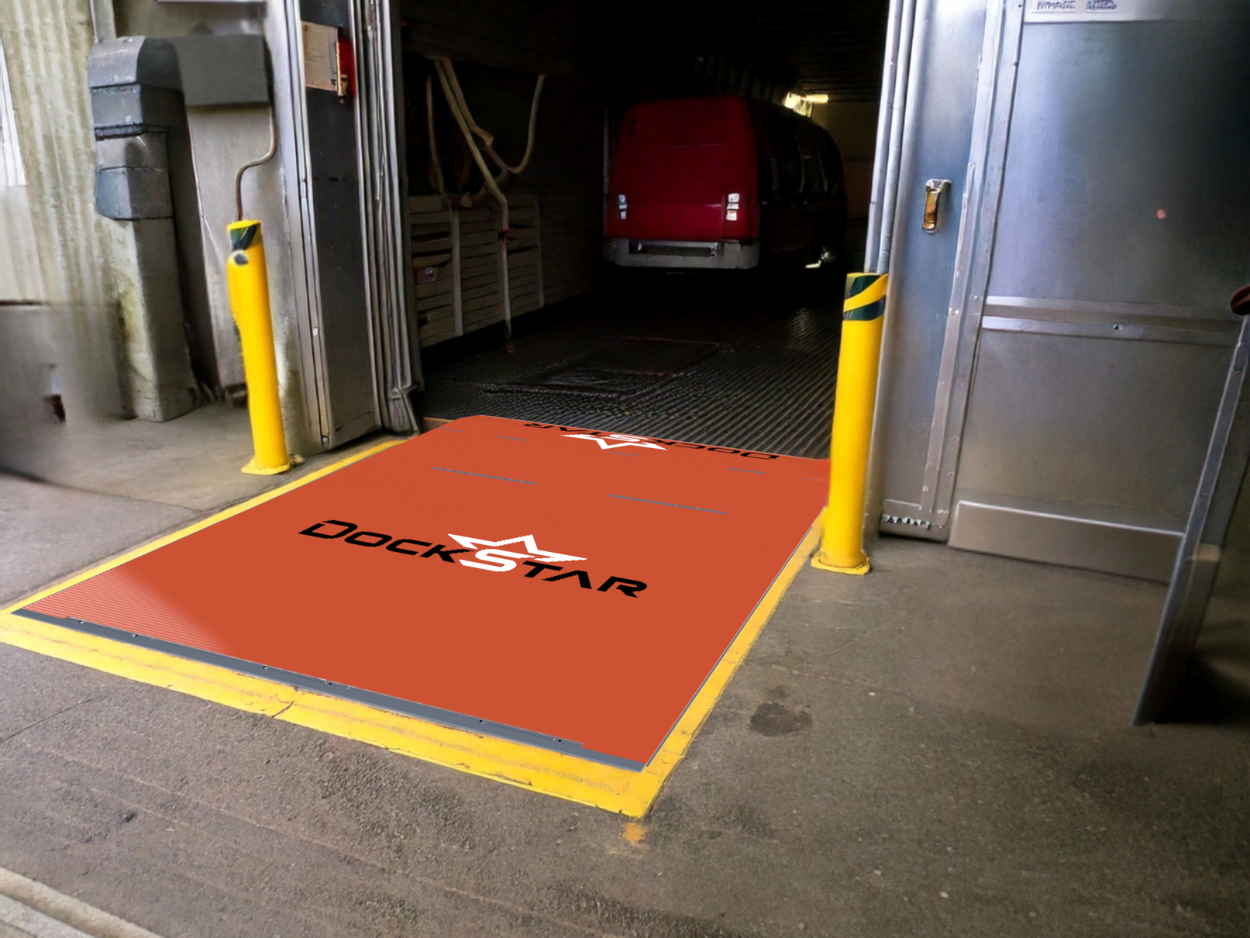
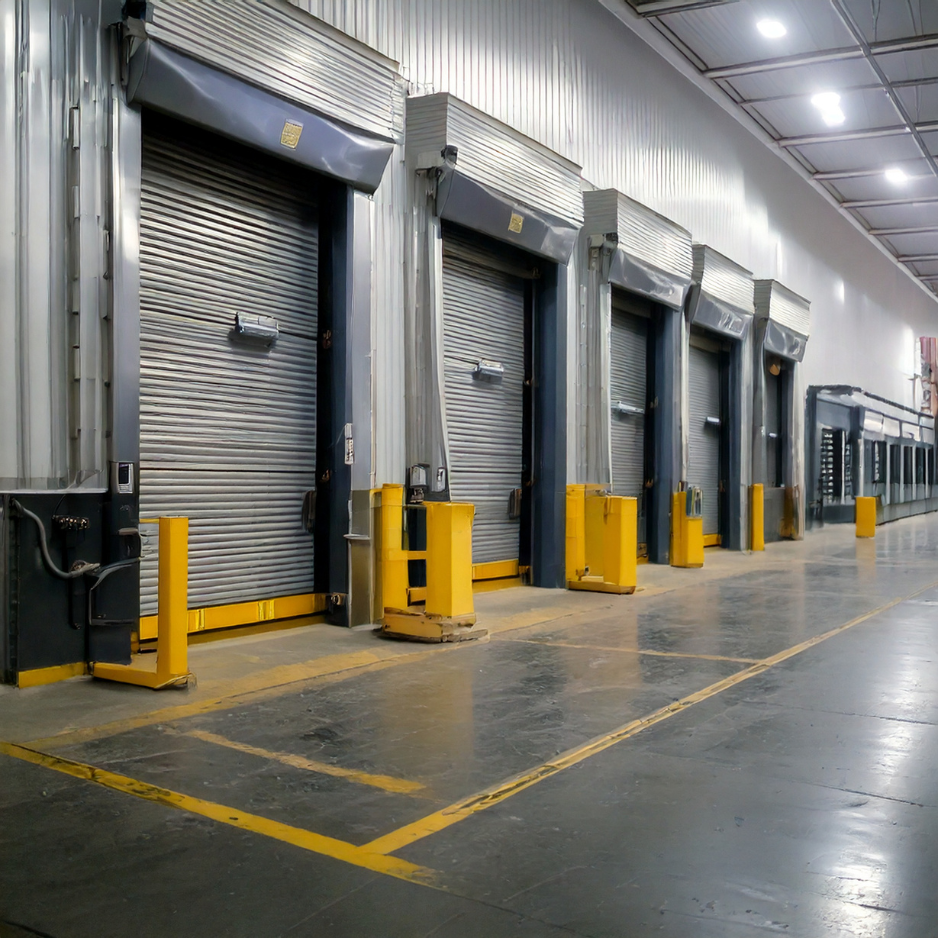
- Dock Levelers ensure trailers of varying heights can be serviced quickly when an aggregated load arrives or departs, preventing bottlenecks.
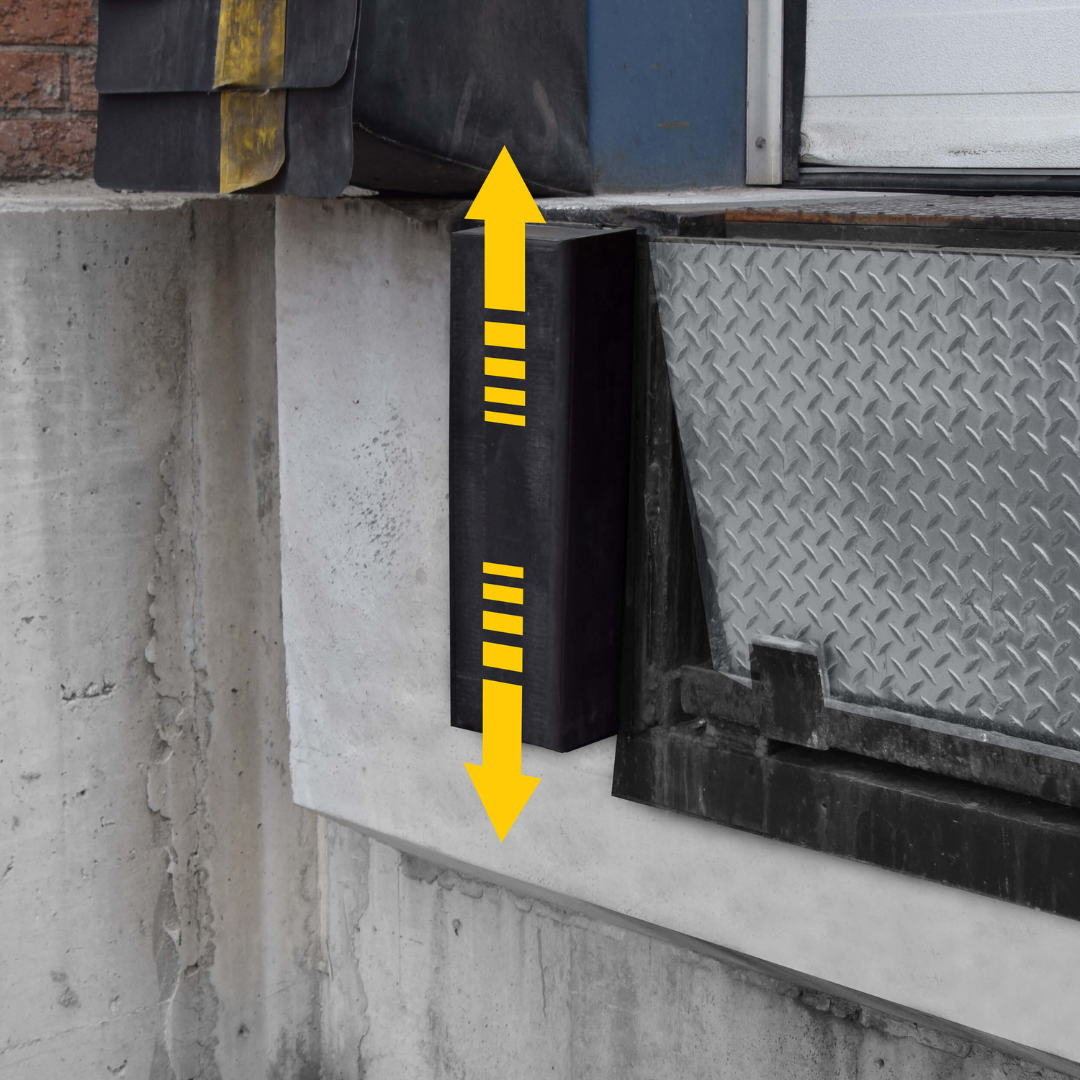
- Vehicle Restraints keep the trailer firmly locked in place while forklifts handle heavier, mixed pallets created by aggregation.
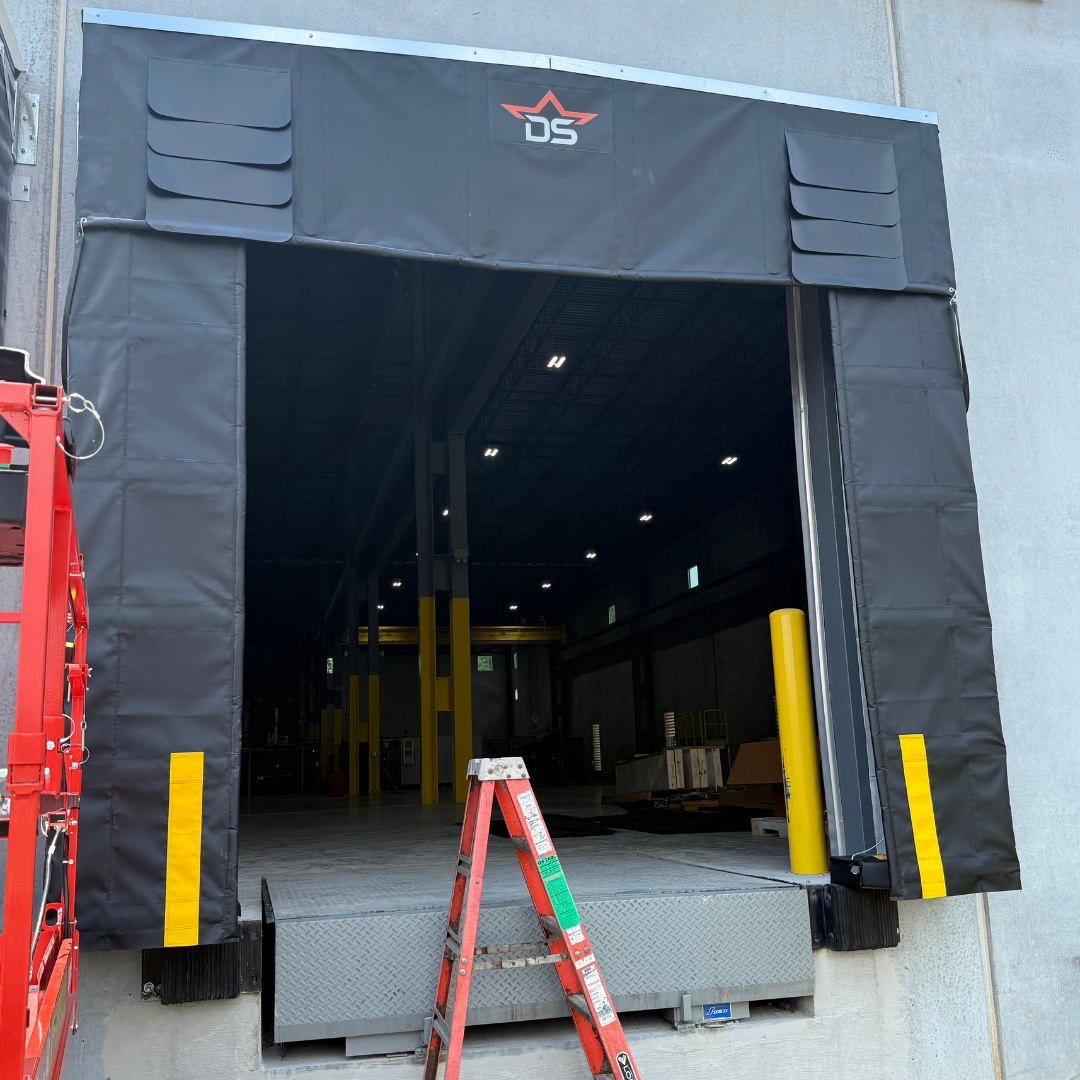
- Dock Seals & Shelters maintain climate control when larger-than-normal consolidated shipments require longer loading times.
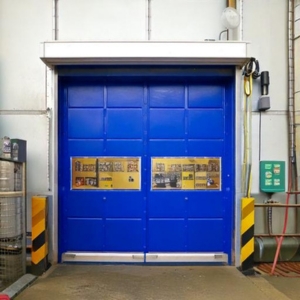
- High-Speed Roll-Up Doors minimize door-open cycles between pooled staging areas and the dock, preserving conditioned air.
- Modular In-Plant Offices positioned near the dock give shipping coordinators a clear view of load-build activities.
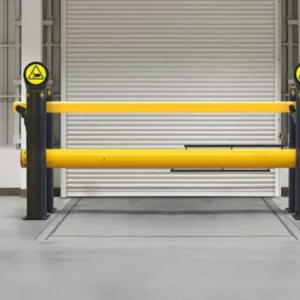
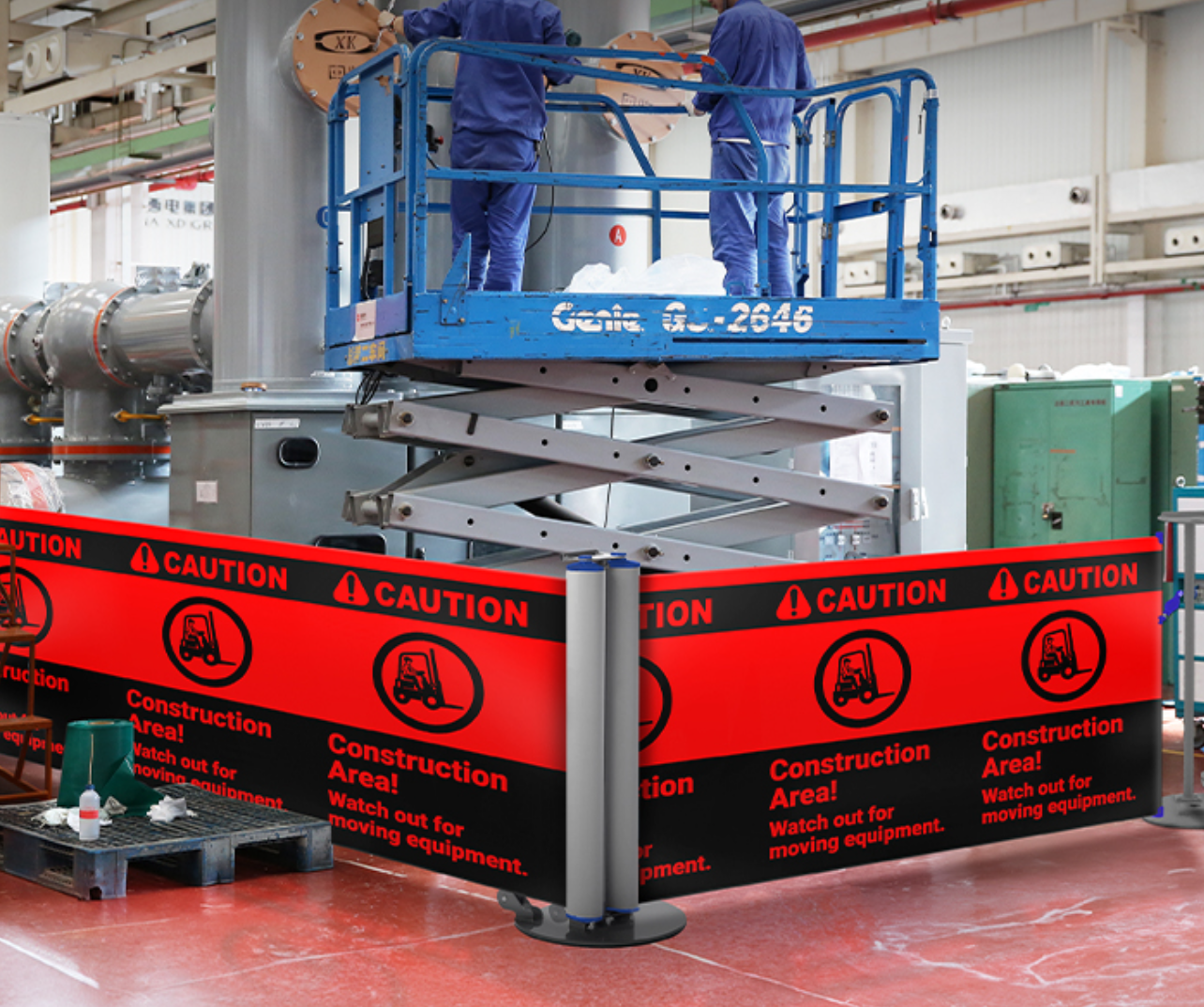
- Barrier Systems & Guard Rails protect pedestrians and equipment when forklifts shuttle dense, aggregated pallets at higher frequencies.
Aggregate Shipment – Frequently Asked Questions
Q: How is an aggregate shipment different from freight consolidation?
A: They’re often used interchangeably, but “aggregate shipment” usually refers to combining orders that you control, while “consolidation” can involve multiple shippers pooling freight via a 3PL.
Q: What is the minimum weight for an aggregate shipment discount?
A: Each carrier sets its own tiers, but common breakpoints are 10,000 lbs and 20,000 lbs for LTL-to-volume or volume-to-truckload pricing.
Q: Does aggregate shipping change my freight class?
A: The NMFC class of each SKU stays the same; carriers re-rate the entire load based on the highest-class item unless you use density-based classes.
Q: Can I aggregate hazardous and non-hazardous goods together?
A: Only if all items are compatible and properly segregated per DOT regulations; separate trailers are often safer and legally simpler.
Q: How far in advance should orders be pooled before pickup?
A: Many DCs set a 24-hour window; sophisticated WMS can auto-aggregate in real time as soon as orders hit the queue.
Q: What dock equipment is critical when receiving large aggregated loads?
A: A capacity-rated Dock Leveler, Vehicle Restraint, and Dock Seal are the core trio for safe, efficient handling.
Q: Will aggregating shipments delay individual customer orders?
A: Not if cut-off times are clear. Orders that miss the aggregation window ship via the next best mode (e.g., standard LTL).
Q: Can aggregate shipping work for parcel carriers?
A: Yes—programs like UPS Hundredweight or FedEx Multiweight aggregate small packages into one shipment with a single tracking ID.
Key Takeaway
By combining orders into a single, larger move, aggregate shipping reduces cost, minimizes risk, and speeds up transit. Pairing this strategy with the right DockStar dock equipment ensures your warehouse keeps pace with the heavier, denser loads that aggregated logistics can bring.

Check out some of our recent projects!
Real Projects. Real Customers. Real Solutions.
DockStar Industrial coordinated a large commercial wire mesh storage locker project, including delivery follow-up, supplier coordination, installation planning, site visit support, and final project details for approximately 100 storage lockers.
Read MoreDockStar Industrial supplied and installed a railcar dock seal for an industrial loading door, helping improve weather protection, reduce air and debris intrusion, and support railcar loading operations.
Read MoreDockStar Industrial supplied wire security storage lockers for a new apartment building in Mineola, Long Island. The project included 4' x 4' x 7'-6" tenant storage lockers designed for secure resident storage, bike storage, and efficient storage room organization.
Read More