













Advanced Shipping Notice (ASN)
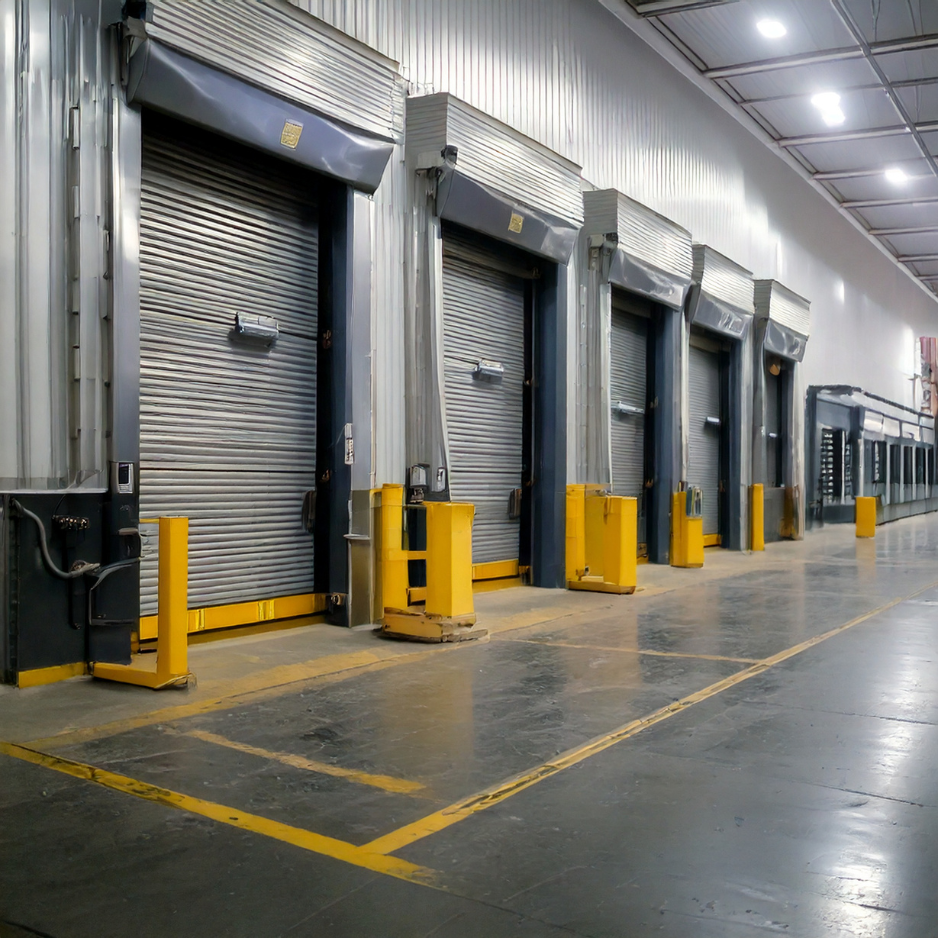
Your customers can’t wait—neither should your dock. An Advanced Shipping Notice (ASN) is an electronic document (often EDI 856) that tells your warehouse exactly what’s arriving, when, and how it’s packed — before the truck even backs up to the dock. Armed with this data, your team can stage labor, allocate space, and set up the right dock levelers and vehicle restraints to speed unloading and cut costly dwell time.
What Is an Advanced Shipping Notice?
An ASN is a digital “heads-up” that a supplier or 3PL sends once an order leaves their facility. It typically contains:
- Shipment identifiers (PO, Bill of Lading, carrier SCAC)
- Arrival window & dock door assignments
- Packaging hierarchy (pallet ▶ carton ▶ SKU)
- Quantities & weights
- Tracking/serial numbers, barcodes, or RFID tags
Because the data is structured, your WMS can automatically create inbound receipts, generate RFID-ready labels, and even dispatch autonomous equipment such as telescopic conveyors to the correct door.

Why ASNs Matter to Loading-Dock Performance
| Operational Impact | How an ASN Helps | DockStar Industrial Solution |
|---|---|---|
| Faster Turns | Know SKU counts in advance ➜ pre-stage pallets & assign labor. | Hydraulic Dock Levelers |
| Reduced Damage | Validate package integrity before the seal is broken. | LED Dock Lights |
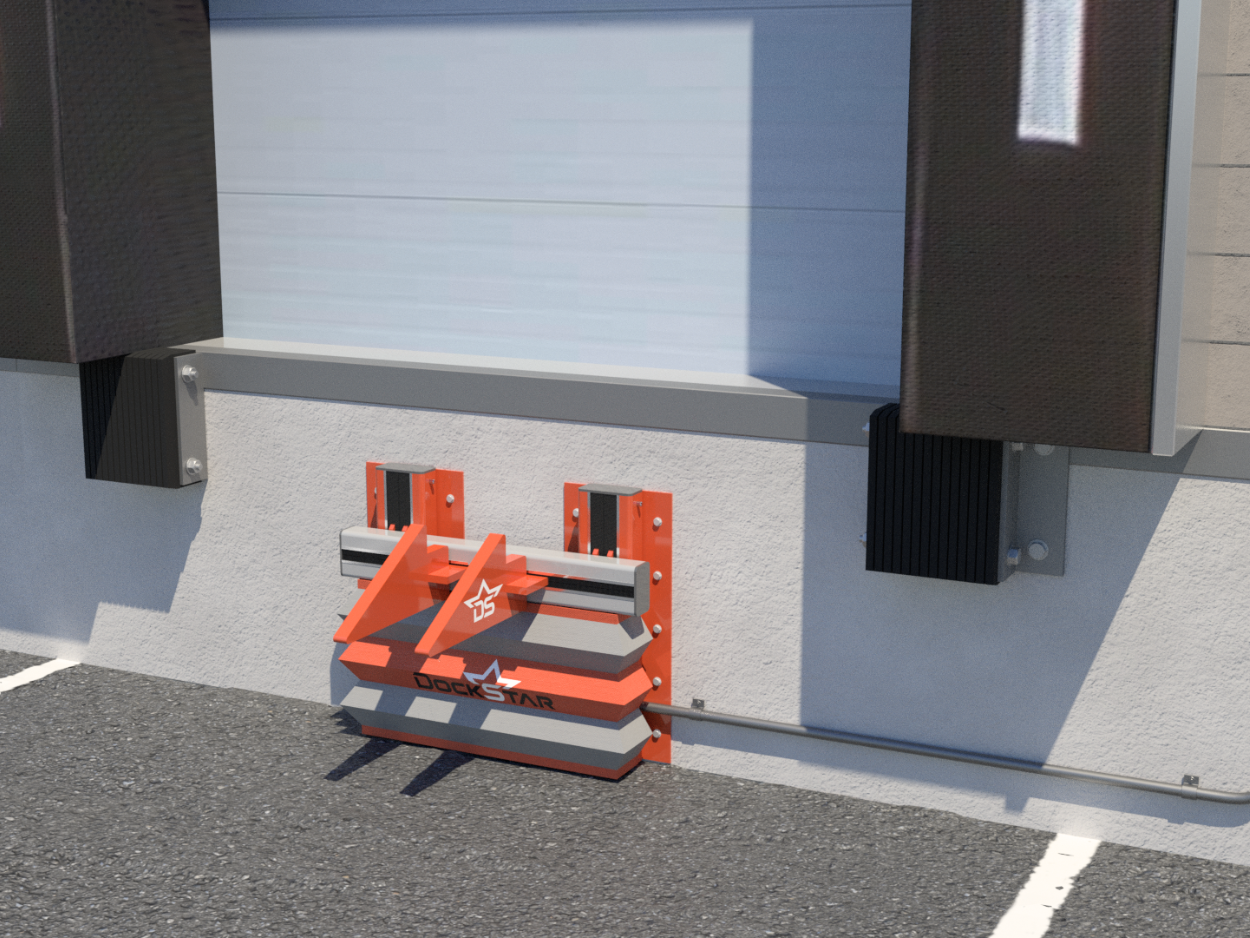
| Safer Unloading | Match trailer type to the right restraint & leveler capacity. | Vehicle Restraints |
Typical Data Elements in an ASN
- Header: ship-from, ship-to, carrier, PRO #
- Order Reference: purchase order(s), release #
- Dates/Times: estimated arrival, expiration (perishables)
- Packaging Detail: pallet ID → case ID → inner pack ID → SKU
- Compliance Codes: NMFC, HazMat class, temperature control
- Tracking IDs: SSCC-18, RFID EPC, serial numbers
- Accessorial Flags: lift-gate required, temperature-controlled dock seal needed, etc.
How ASNs Flow Through Your Dock
Put-Away – WMS directs forklifts to correct slot—no clipboards, fewer touches.
Transmit – Supplier’s ERP sends EDI 856 or XML to your EDI gateway.
Translate – Middleware maps the file into your WMS/TMS.
Trigger – WMS creates an inbound appointment, alerting supervisors via industrial LED message boards.
Stage – Staff pre-position pallet jacks and allocate rack space.
Receive – Trailer arrives; restraint engages, leveler deploys; barcode/RFID scan confirms counts in real time.
FAQs
- What’s the difference between an ASN and a Bill of Lading?
A Bill of Lading travels with the freight as a legal contract; an ASN is sent ahead of the freight as an operational forecast so your team can prep dock levelers, vehicle restraints, and labor. - Do I need expensive EDI software to send or receive ASNs?
Not always. Cloud-based EDI brokers and modern APIs can turn simple CSV or XML files into standard 856 messages. Small-parcel carriers like UPS and FedEx also generate ASN-style data you can import into your WMS. - How far in advance should an ASN be transmitted?
Best practice is 2–4 hours before arrival for local loads and 12–24 hours for long-haul shipments—long enough for staffing and dock-door scheduling, but close enough to reflect real-world delays. - What if the actual shipment doesn’t match the ASN?
Your WMS flags discrepancies during receiving. Integrating dock scales and barcode/RFID scans at the edge-of-dock lets you catch quantity or weight variances immediately. - Can ASNs improve trailer-to-bay assignment?
Yes. Knowing trailer length, door swing, load type, and temperature needs lets you pre-assign doors equipped with the right leveler capacity, vertical-stored units, or cold-chain dock seals—cutting congestion. - Are ASNs required by big-box retailers?
Most Tier-1 retailers mandate ASNs and issue chargebacks—typically $50–$250—for late or inaccurate files. Staying compliant protects your margins. - How do ASNs work with RFID?
RFID tags encoded with the SSCC-18 number in the ASN enable hands-free receiving. Readers at the dock door capture tags as pallets roll off, automatically validating counts. - Can ASNs streamline returns (RMA) processing?
Yes. A return ASN can pre-identify defective SKUs and route them to a quarantine zone—such as a modular clean room—for testing or refurbishment, speeding disposition.
