












Accident Frequency Rate (AFR)
Definition:
Accident Frequency Rate (AFR) is a safety metric that shows how often workplace accidents occur relative to the total hours worked. Most U.S. companies follow the OSHA formula:
AFR = (Number of recordable injuries × 200,000) ÷ Total employee hours worked
Why 200,000?
It represents the hours 100 full-time employees would work in a year (40 hours × 50 weeks × 100 employees), giving you an apples-to-apples comparison across organizations.

Why AFR Matters for Loading Docks & Warehouses
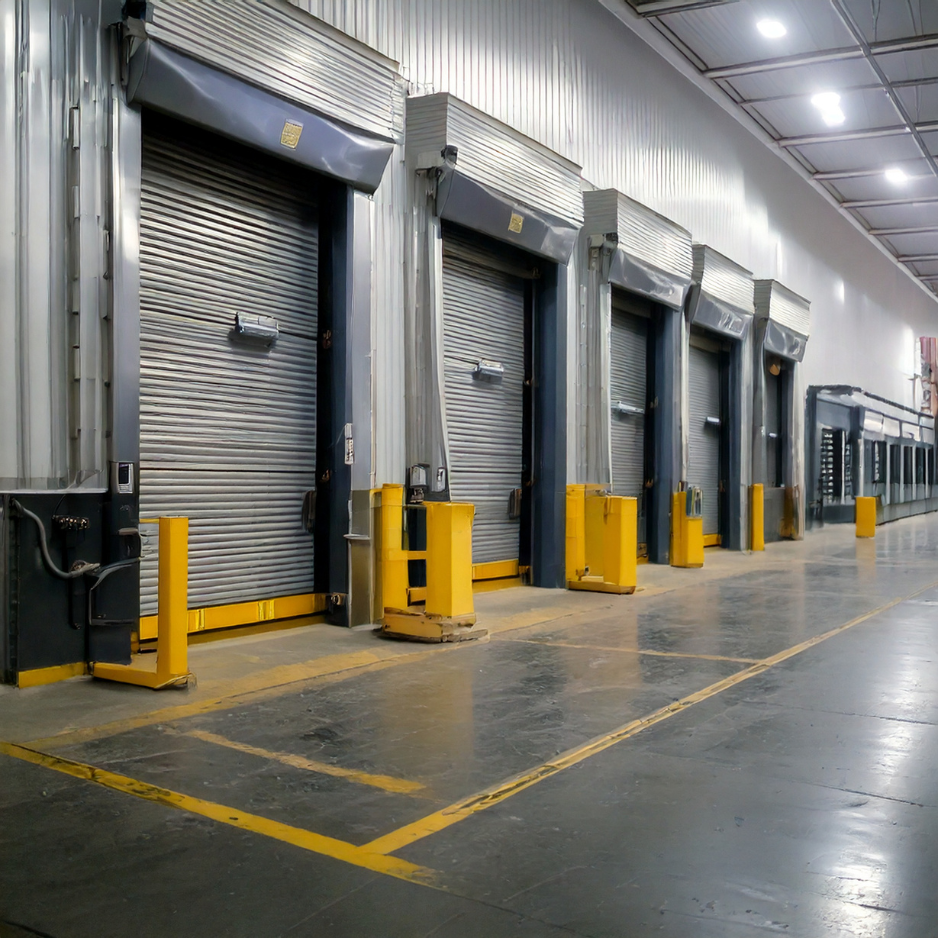
Loading docks are high-traffic, high-risk zones. A single slip, trailer creep, or poorly aligned truck can add another tally to your AFR—raising insurance premiums, triggering OSHA audits, and slowing production. Monitoring AFR highlights where preventive steps (training, equipment upgrades, safer workflows) pay off.
How to Calculate AFR (Step-by-Step)
- Gather data
- Recordable injuries in the past 12 months
- Total employee hours worked in the same period
- Apply the formula
- Example: 3 injuries and 450,000 hours → (3 × 200,000) ÷ 450,000 = 1.33 AFR
- Benchmark
- Warehousing & storage sector averages hover around 4.8; best-in-class facilities often drive AFR below 2.0.

Lowering AFR With DockStar Solutions
Proactive engineering controls are the fastest way to cut accidents:
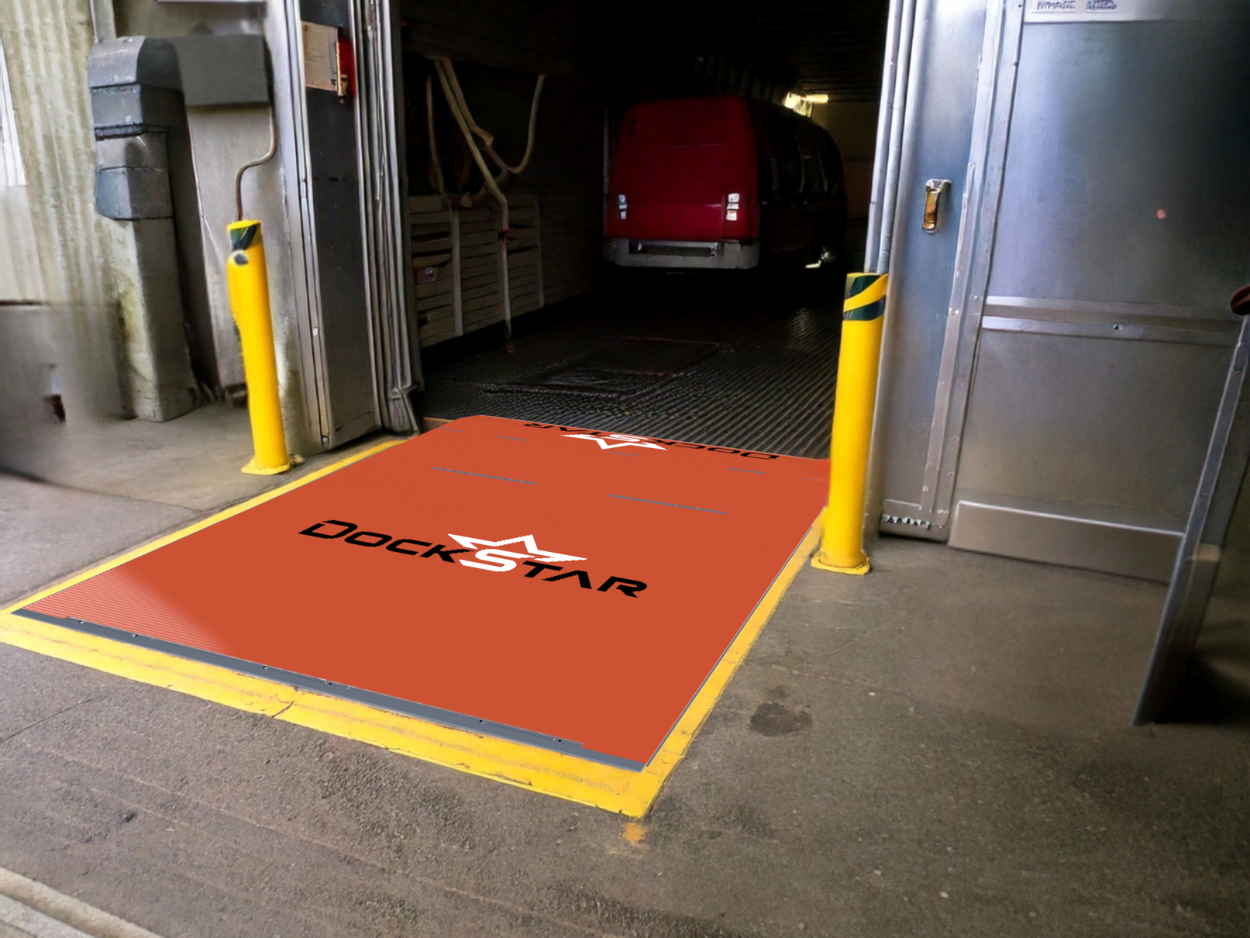
- Dock levelers eliminate dangerous dock-to-trailer height gaps that cause trips and dropped loads.
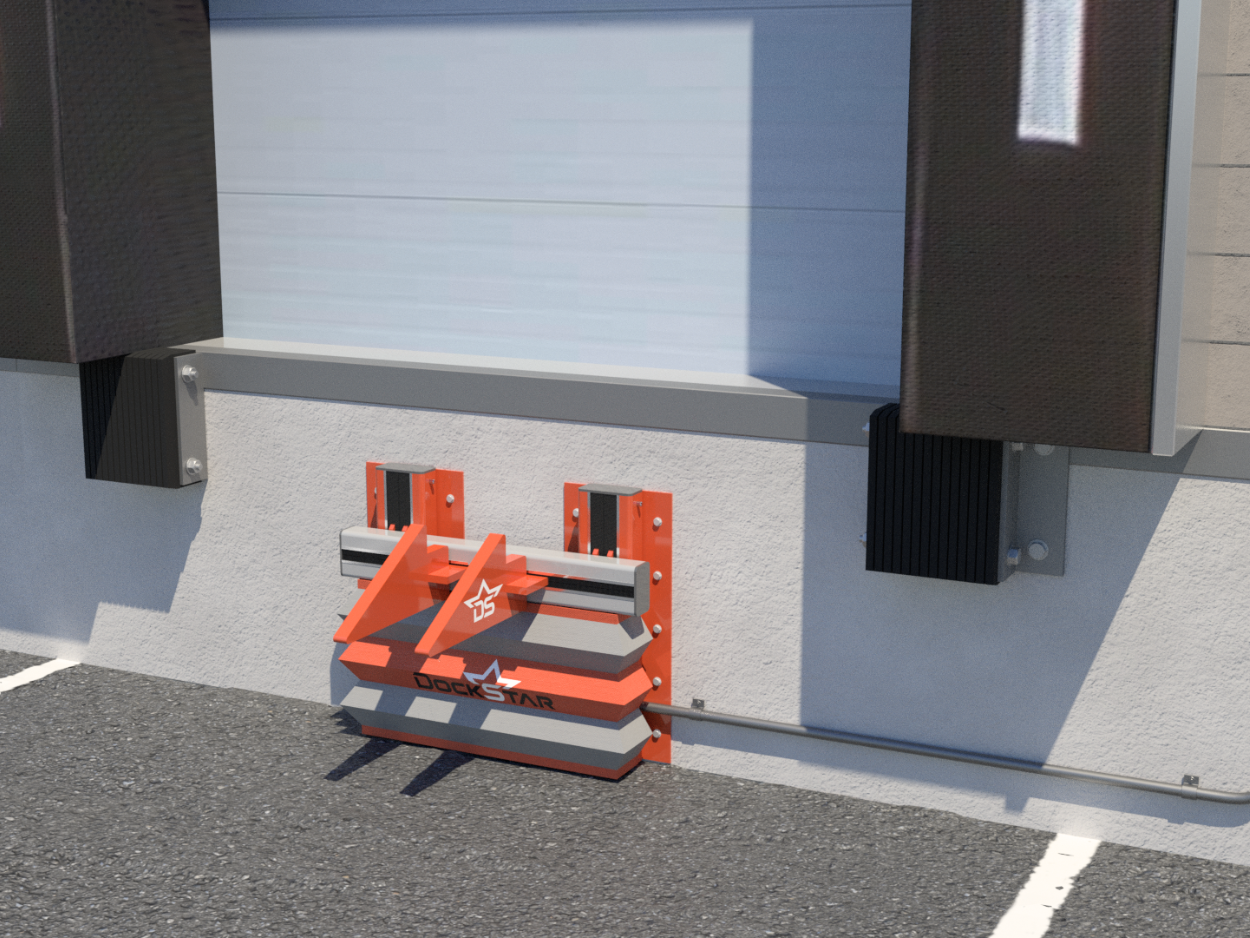
- Vehicle restraints lock trailers in place, preventing early departure “dock-drops.”
- High-visibility dock lights improve the operator’s line of sight, especially during night shifts.
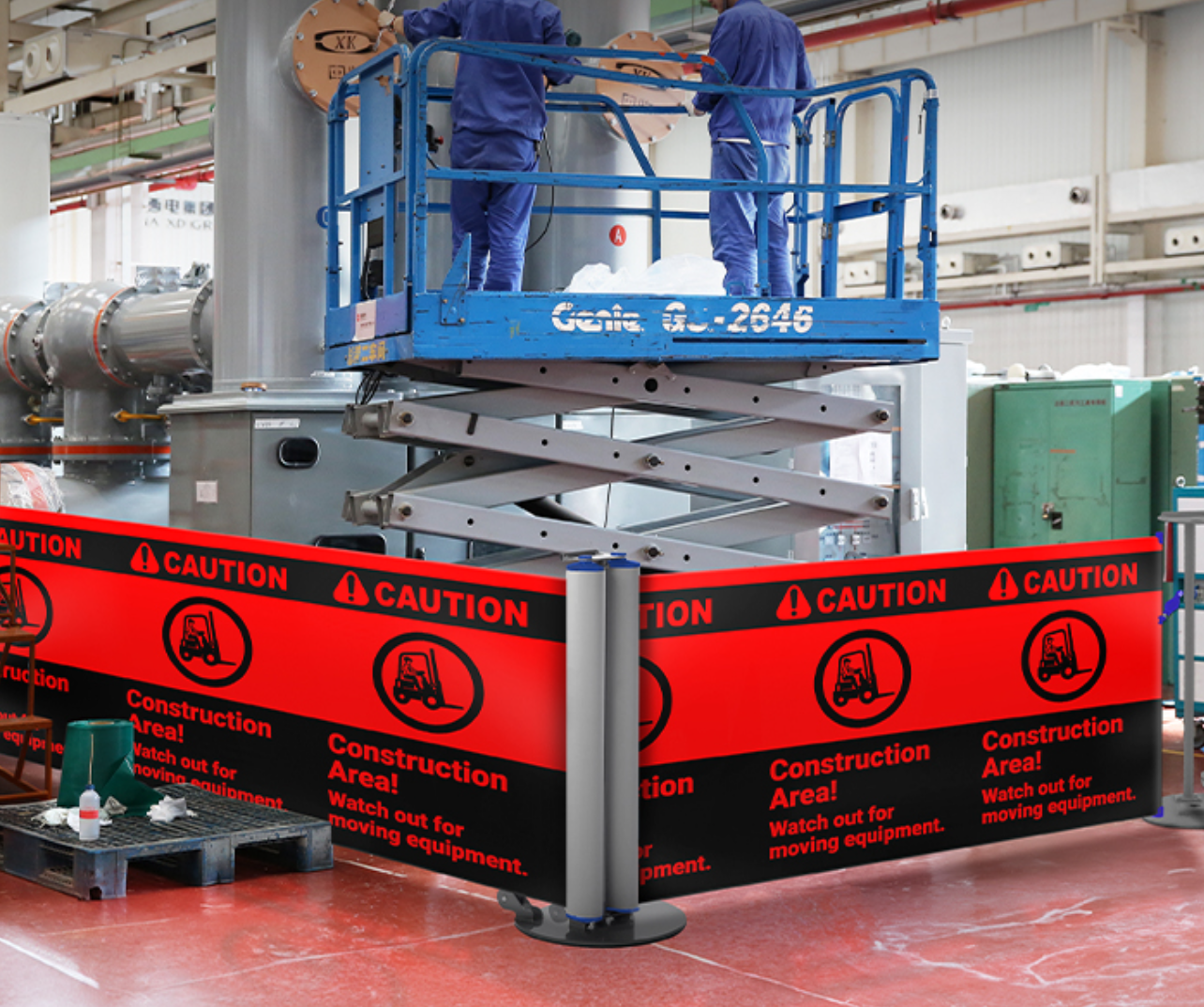
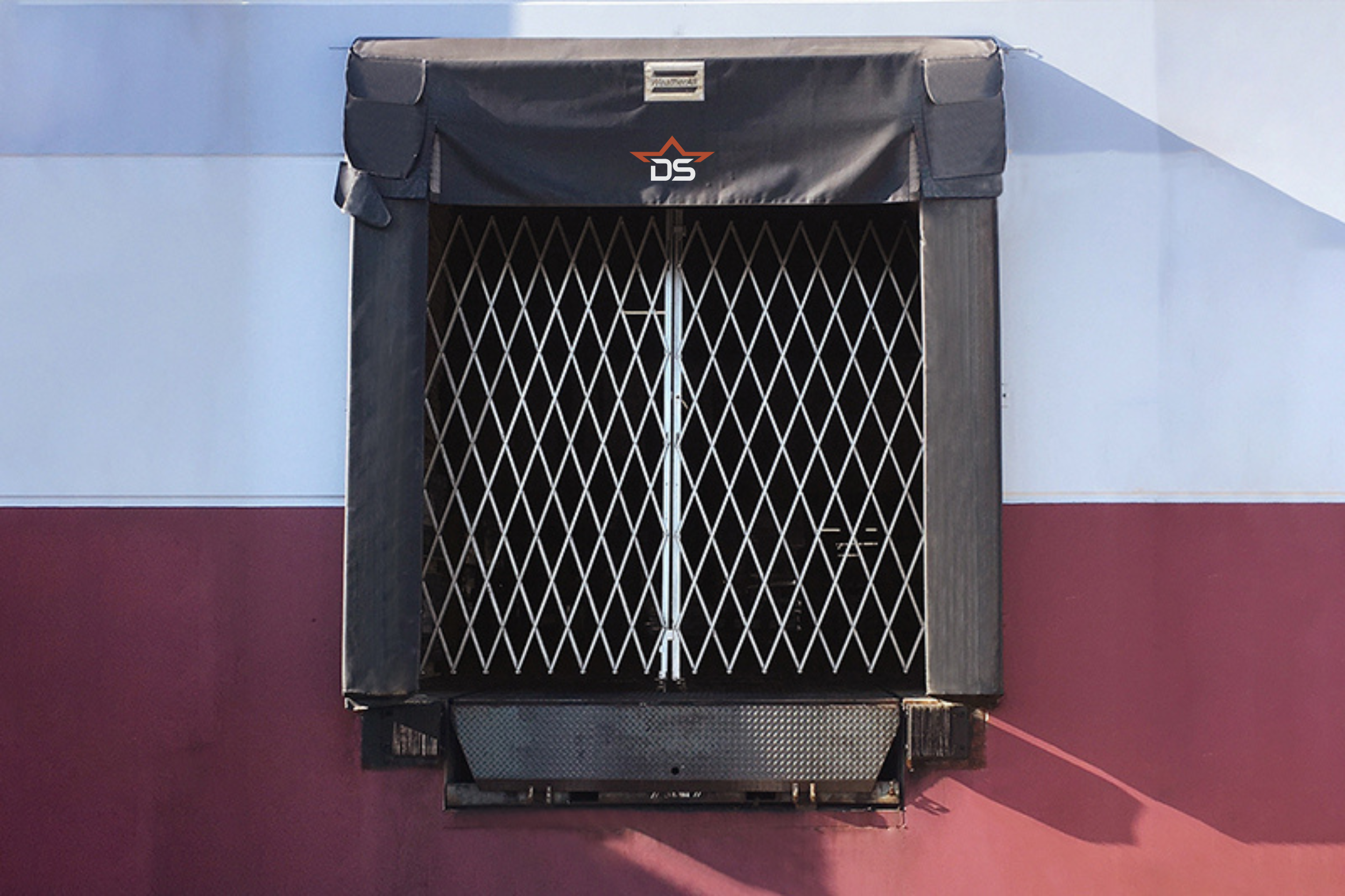
- Safety barriers & dock gates keep pedestrians out of forklift traffic lanes.
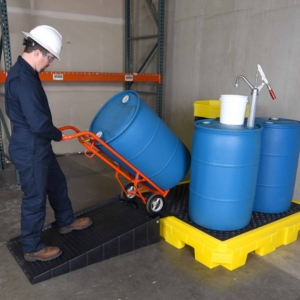
- Spill containment pallets reduce slip hazards from leaking drums and IBCs.
- Modular clean rooms isolate sensitive or high-risk processes, limiting exposure.
Each of these products directly addresses common incident types that inflate AFR scores—giving you measurable ROI in your next safety audit.
Frequently Asked Questions (FAQs)
Q1. What is considered a “good” AFR?
A rate below 2.0 is generally viewed as world-class in warehousing. Pair strong procedures with equipment like dock levelers and vehicle restraints to get there.
Q2. How often should we calculate our AFR?
Most safety managers run the numbers quarterly so they can react quickly—especially after installing new systems such as safety barriers.
Q3. Does AFR include near-miss incidents?
No. AFR only counts recordable injuries. However, tracking near-misses (e.g., forklift-to-pedestrian close calls) and installing high-visibility dock lights can prevent them from becoming recordables.
Q4. How is AFR different from TRIR (Total Recordable Incident Rate)?
They’re calculated the same way. Some industries use TRIR; others use AFR. Both track recordable injuries per 200,000 hours.
Q5. Can automation help reduce AFR?
Absolutely. Upgrading to automated trailer restraints or power-assisted dock levelers removes manual steps that often lead to strains or crush injuries.
Q6. Where can I find industry benchmarks?
OSHA publishes annual data. Compare your AFR, then explore DockStar’s dock safety product line to close any gaps.
Ready to drive your AFR down? Explore our range of loading dock safety solutions or talk to a DockStar safety specialist today.
