













Accessorial Charge
Definition:
An accessorial charge (sometimes called an accessorial fee) is a surcharge a freight carrier adds for services that go beyond basic dock-to-dock pickup and delivery—for example, deploying a liftgate at locations without a raised dock, waiting past free time, or unloading pallets inside a facility. These fees are common in LTL shipping and can materially increase total freight cost if they aren’t anticipated in advance.

Common Accessorial Charges You’ll See on a Freight Invoice
| Charge | When It’s Triggered | How DockStar Gear Can Help Avoid It |
|---|---|---|
| Liftgate Service | Consignee lacks a dock or grade-level ramp. | Installing a dock leveler or edge-of-dock leveler lets trailers unload at grade, eliminating the liftgate fee. |
| Detention | Driver waits beyond the free 30–60 min window. | A vehicle restraint plus clear dock lights speeds door turns and prevents “creep,” cutting wait time—and detention costs. |
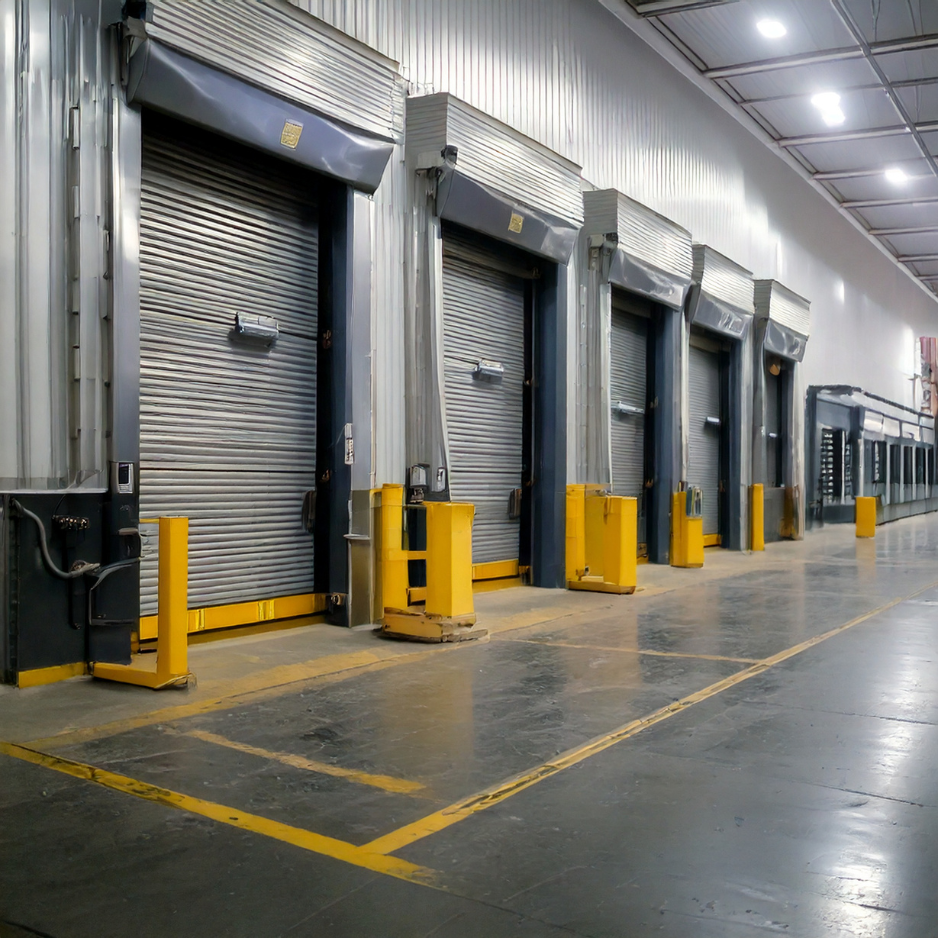
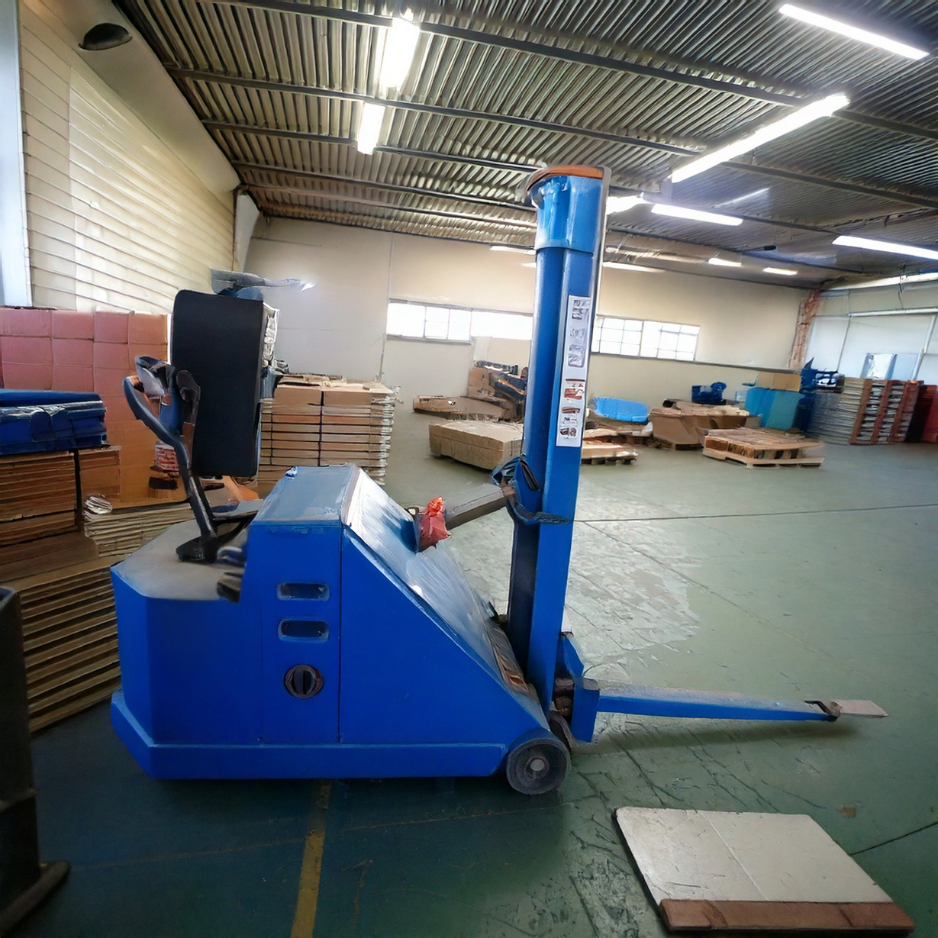
| Inside Delivery / Driver Assist | Freight must be carried past the threshold or hand-stacked. | Adding a powered pallet truck or modular dock house provides a seamless in-line route so carriers can drop pallets at the door. |
| Limited-Access or Residential | Destination has restricted hours, small lot, or security protocol. | Designating a secure, stamped-grade apron space for trucks reduces “limited-access” surcharges. |
| Re-delivery / Appointment | Delivery fails and must be rescheduled, often due to a full dock. | Slotting software synced with a dock scheduling system keeps doors free and shipments flowing. |
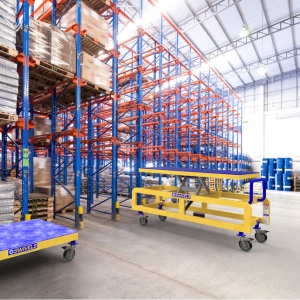
| Sort & Seg / Pallet Breakdown | Driver must count, label, or separate freight by SKU. | A fixed conveyor or AS/RS automates carton sortation, letting carriers drop pallets intact. |
Sources for common fees: Worldwide ExpressZipline Logistics
Frequently Asked Questions (FAQs)
1. What exactly qualifies as an accessorial charge?
Any carrier service not included in the base line-haul rate—liftgate use, residential delivery, excess wait time, hazardous-material handling, temperature control, etc.—can be invoiced as an accessorial.
2. Who pays accessorial charges—the shipper or the consignee?
Responsibility depends on your freight terms (FOB Origin vs. Destination) and what’s written in the bill of lading. Most LTL carriers bill the party that requested the extra service, but charges can be pushed back if the other party caused the need (e.g., a consignee detaining the driver).
3. How are accessorial fees calculated?
Carriers publish rates in tariffs or contracts—often flat-fee (e.g., $85 liftgate) or time-based ($50 per 30 min detention). Fees sometimes vary by weight class, zone, or equipment required.
4. Can I avoid accessorial charges?
Yes—design your dock for standard trailer service:
- Install dock levelers so liftgates aren’t needed.
- Use vehicle restraints and clear dock lights to speed load/unload and cut detention.
- Schedule doors with a TMS to prevent missed appointments.
- Label pallets clearly to avoid sort/seg charges.
5. Are liftgate fees considered accessorial charges?
Absolutely. Liftgate service is one of the top three accessorials for LTL freight because many warehouses (or job sites) lack dock equipment.
6. What’s the difference between a fuel surcharge and an accessorial charge?
Fuel surcharges fluctuate with diesel prices and apply to every shipment. Accessorials are event-based and only appear when extra labor, equipment, or time is required.
7. Where can I find a carrier’s accessorial tariff?
Most carriers publish their “100 Tariff” or accessorial schedule on their websites; it’s also referenced in your rate confirmation. Review it before shipping to avoid surprises.
Takeaway for Dock Managers
Accessorial charges are often avoidable overhead. By equipping your facility with the right loading-dock products—dock levelers, vehicle restraints, high-visibility LED dock lights, and efficient material-handling gear—you minimize the scenarios that trigger extra fees and keep freight budgets predictable.

Check out some of our recent projects!
Real Projects. Real Customers. Real Solutions.
DockStar Industrial coordinated a large commercial wire mesh storage locker project, including delivery follow-up, supplier coordination, installation planning, site visit support, and final project details for approximately 100 storage lockers.
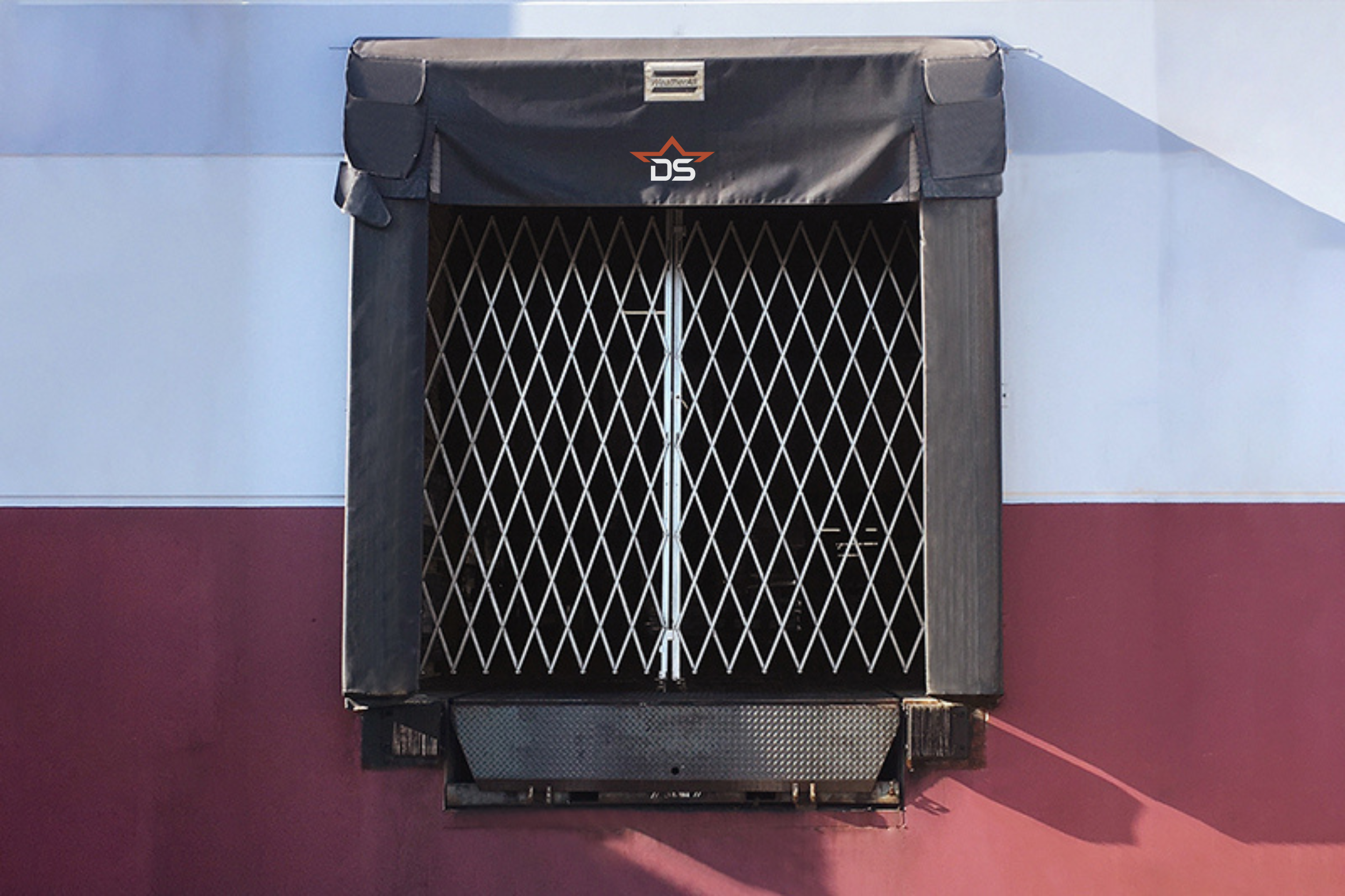
Read MoreDockStar Industrial supplied and installed a railcar dock seal for an industrial loading door, helping improve weather protection, reduce air and debris intrusion, and support railcar loading operations.
Read MoreDockStar Industrial supplied wire security storage lockers for a new apartment building in Mineola, Long Island. The project included 4' x 4' x 7'-6" tenant storage lockers designed for secure resident storage, bike storage, and efficient storage room organization.
Read More