













Upgrading Dock Shelters for a Multisite Distribution Operation
Project Summary
A global food and beverage manufacturer partnered with DockStar Industrial to modernize its Florence, SC facility by replacing outdated dock doors and a failing leveler with durable, energy-efficient equipment built for reliability. From site prep to final welds, DockStar handled every step with precision, safety, and long-term performance in mind.
Stage 1: Continuing a Long-Term Dock Modernization Effort
DockStar has been working closely with a national distribution company that operates across multiple regions. Over the past year, our sales representative Jeff has partnered with their facilities team to improve key components of their loading dock operations in phases; doors, levelers, restraints, and now, the shelters.
Several collaborative discussions led into this shelter upgrade initiative. A meeting on October 8, 2025, focused on the Columbus facility and its aging shelters. The following day, the team continued with a strategic pricing call centered on Columbus. A later touchpoint on October 29, 2025, expanded the conversation to Columbus and Orlando, ensuring that both locations would follow a consistent improvement plan.
Because shelter performance directly affects energy efficiency, product protection, and worker comfort, the Columbus facility was selected as the next priority in their multi-stage upgrade program.
Stage 2: On-Site Evaluation / Seeing the Challenges Up Close

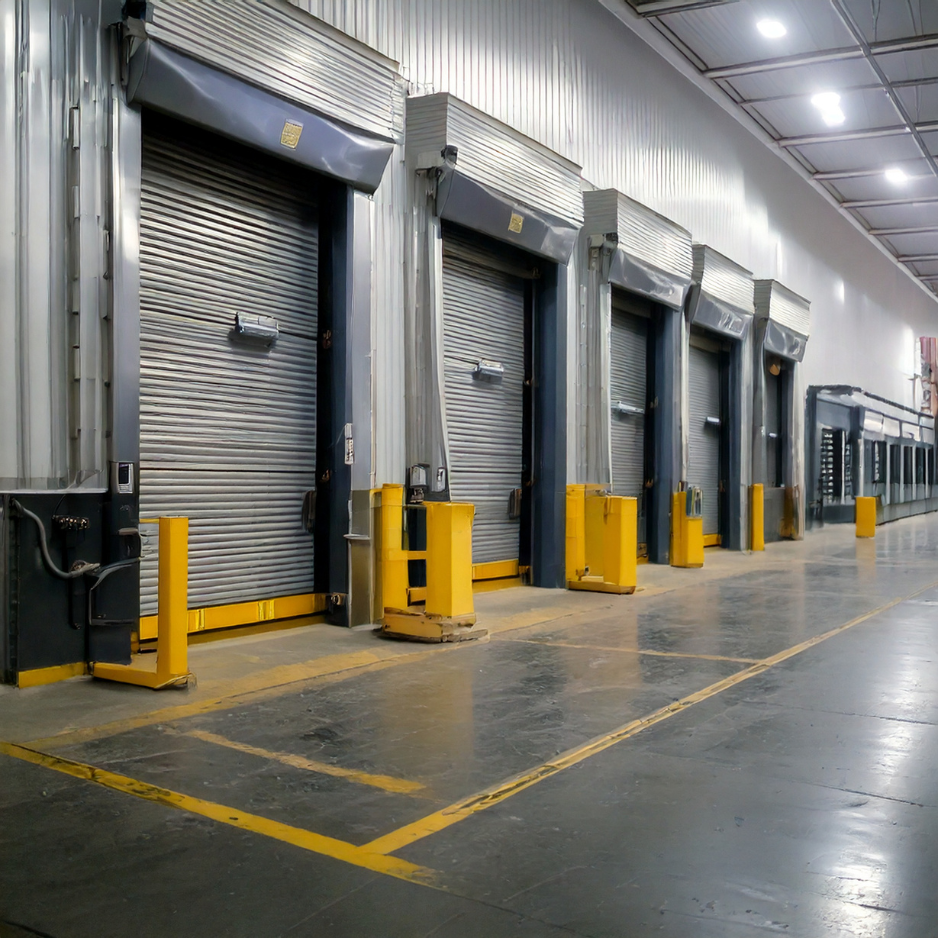
Jeff visited the Columbus operation to review dock conditions firsthand. While previous upgrades had improved functionality at the leveler and restraint positions, the shelters showed clear signs of long-term wear:
- Torn side pads
- Uneven compression
- Loss of sealing around multiple trailer sizes
- Water and debris infiltration
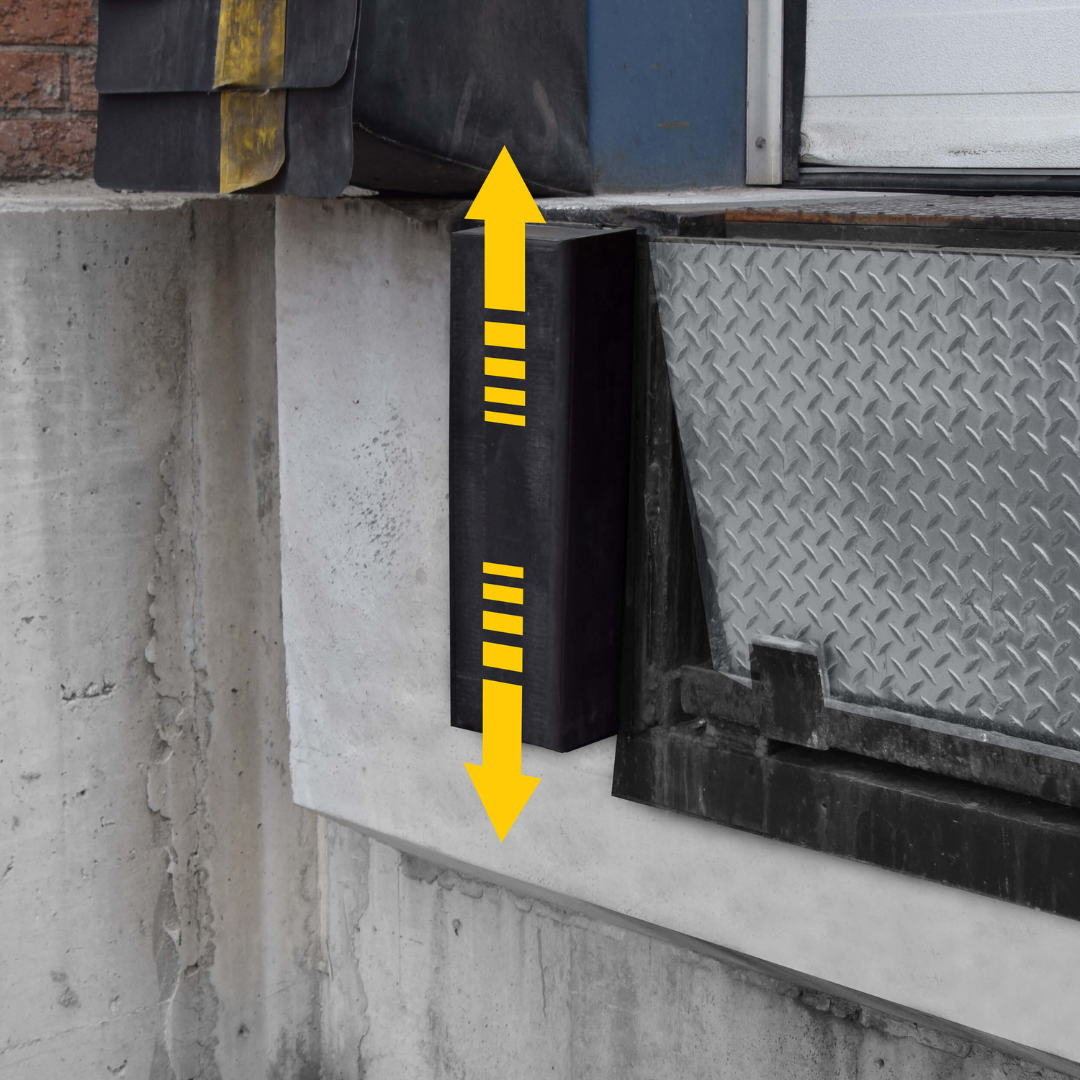
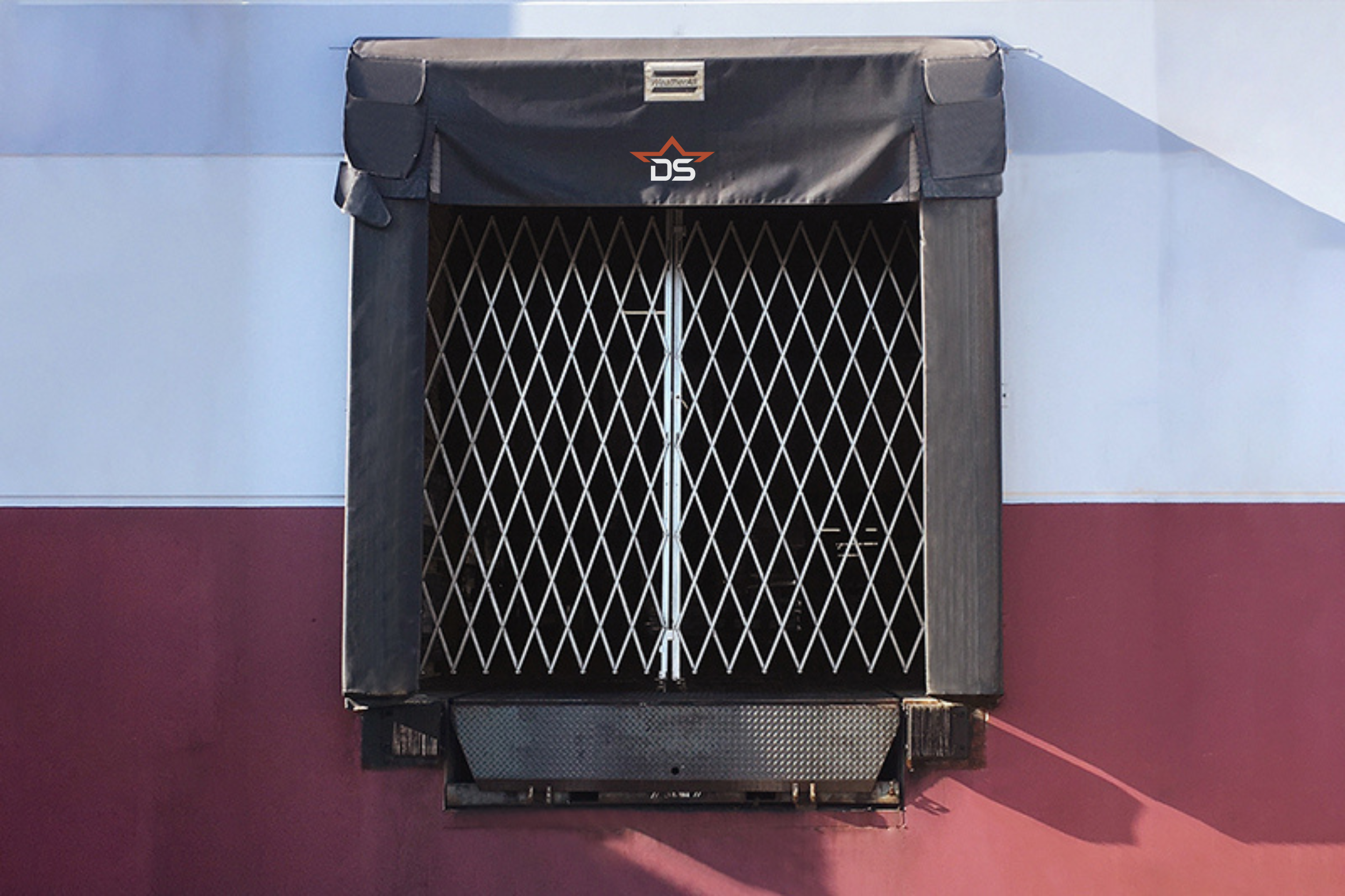
These issues were visibly evident during inspection, similar to what is shown in the provided reference image, which displays an older shelter frame with fatigued fabric and compressed foam elements.
Jeff evaluated trailer traffic patterns, door dimensions, bumper placements, and the existing vertical-lift door clearances. The goal: ensure the new shelters would seal effectively across the variety of trailer configurations this location receives daily.
Stage 3: Selecting the Right Shelter Design
Once measurements and field notes were finalized, Jeff worked with DockStar’s engineering team to review shelter design options suitable for:
- High-volume distribution docks
- Frequent cold-weather exposure
- Mixed trailer heights and widths
- Tight approach angles
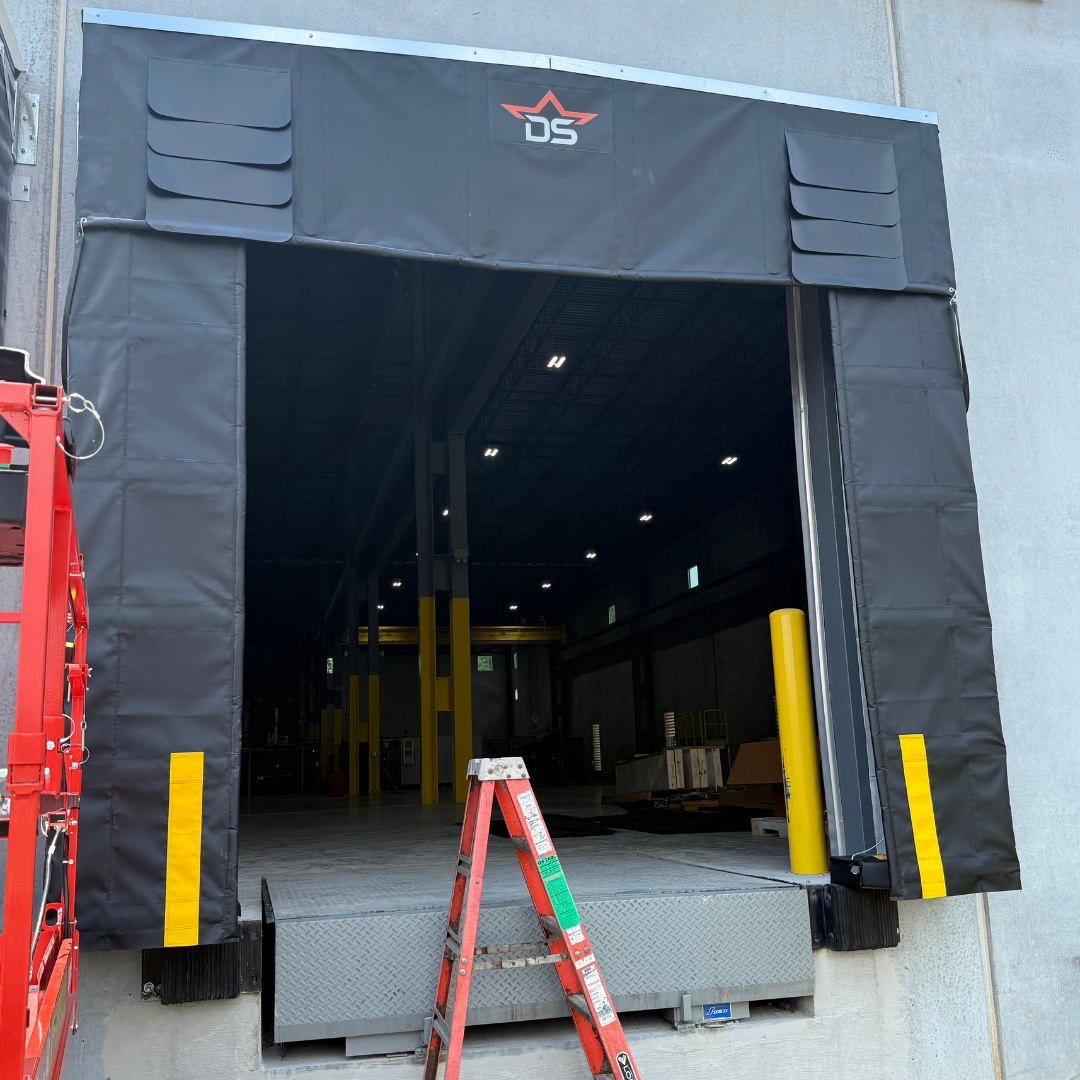
The chosen solution was a heavy-duty, fully reinforced dock shelter system designed to withstand constant trailer impact and maintain a full perimeter seal. The design supports long-term durability and improved environmental control, bringing the loading dock back to modern performance standards.


Stage 4: Phased Quoting Strategy & Project Planning
Consistent with DockStar’s partnership approach, Jeff built a quote that allowed the customer to:
- Upgrade shelters at select docks first
- Phase remaining shelters over the coming quarters
- Align improvements with budget cycles
- Minimize downtime during installation
By breaking the project into manageable steps, the customer could continue operations uninterrupted while still moving toward a full dock modernization plan.
Stage 5: Delivering Long-Term Value
This shelter upgrade is part of a broader program Jeff has guided the customer through—replacing aging dock components with long-lasting, more efficient systems. Each upgrade strengthens the facility’s safety, thermal performance, and loading efficiency.
Installation was scheduled with our Nationwide DockStar Road Crew team in coordination with the customer’s operations, ensuring minimal disruption while the new shelters were installed.


Why it Matters
Consistent sealing at the dock is critical for temperature control, pest prevention, worker comfort, and operational efficiency—especially for high-volume distribution hubs. With high-durability shelters and DockStar’s phased upgrade strategy, the Columbus facility is now positioned to protect product flow and reduce ongoing maintenance costs for years to come.
Not sure where to start? DockStar Industrial offers free on-site evaluations to help you identify the right locker system for your space and budget. Our experts will measure, design, and quote the ideal solution for your property ensuring safety, efficiency, and a long-lasting return on investment.

Frequently Asked Questions:
1. Why upgrade dock shelters at an active distribution facility?
Aging shelters lose compression, tear easily, and no longer create a proper environmental seal. Upgrading them reduces energy loss, prevents water and debris infiltration, and protects both workers and product during loading.
2. How long does a shelter installation typically take?
Most installs take 2–4 hours per dock, depending on condition of the existing frame and weather. Jeff coordinates installation schedules to prevent downtime for active docks.
3. Can DockStar design shelters for different trailer types?
Yes. We size shelters based on your specific trailer mix—standard dry vans, reefers, liftgate trucks, or specialty carriers.
4. Will new shelters improve energy efficiency?
Absolutely. A well-sealed dock significantly reduces the loss of heated or cooled air, especially in facilities operating large warehouse spaces.
5. Does DockStar offer phased upgrade options like this?
Yes. Many customers upgrade their docks in stages—shelters, levelers, doors, and restraints—depending on budget and operational timing. Jeff is experienced in building plans that make long-term improvements manageable