














Mechanical Dock Leveler Solution for a Flooring & Carpet Shop
Project Summary
DockStar Industrial partnered with a South Carolina–based manufacturer to upgrade an aging loading dock with a heavy-duty mechanical dock leveler built for daily forklift traffic. After a detailed on-site evaluation, DockStar specified a rugged, pit-style leveler designed to deliver reliable performance without the complexity of hydraulic systems. The result is a durable, low-maintenance dock solution that supports heavy industrial loads while improving safety, efficiency, and long-term reliability at the dock.
The Challenge
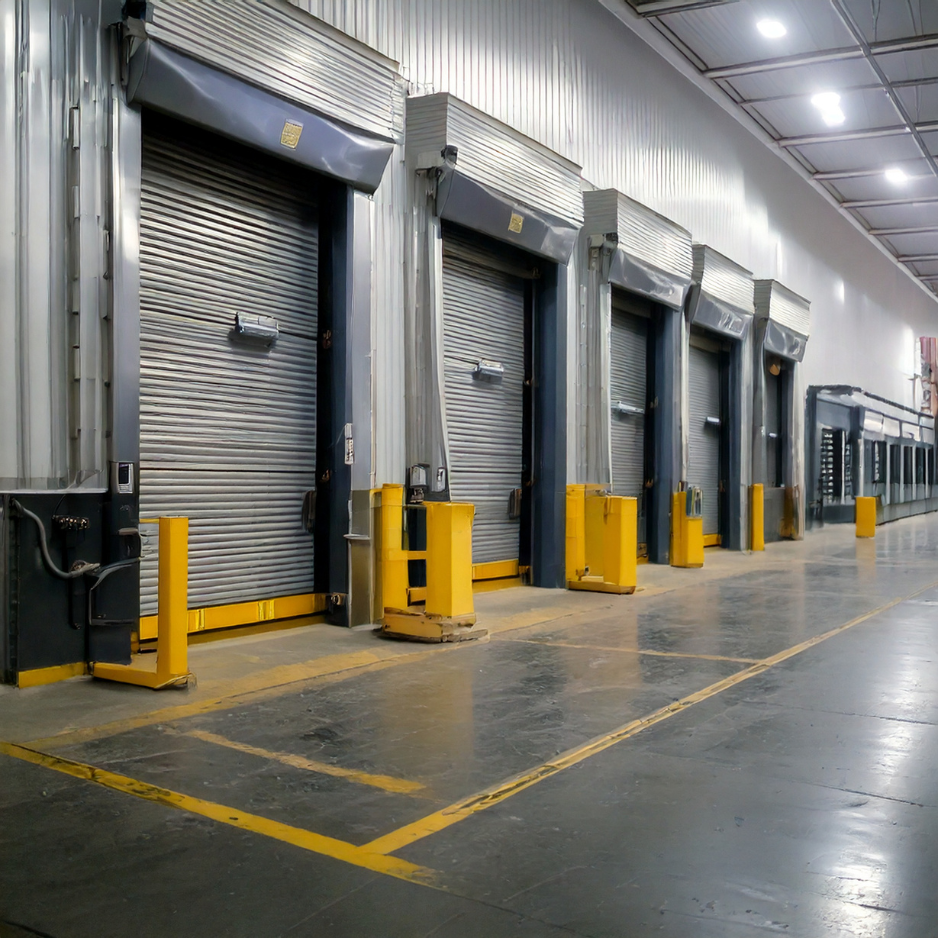
This South Carolina–based manufacturer operates a true industrial dock environment. Forklifts regularly move heavy rolls of flooring material across the dock plate, requiring a leveler that can handle consistent weight, impact, and daily wear without relying on complex hydraulic systems.
The existing dock equipment had reached the end of its service life. Years of forklift traffic and trailer impact had taken a toll on the dock pit edges, steel components, and overall dock interface. The customer needed a solution that would restore safety and functionality while remaining straightforward to operate and maintain.
Unlike high-throughput distribution centers that benefit from automated hydraulic systems, this operation required a rugged, manually operated dock leveler built specifically for industrial applications where reliability and structural strength matter most.
The existing dock equipment had reached the end of its service life. Years of forklift traffic and trailer impact had taken a toll on the dock pit edges, steel components, and overall dock interface. The customer needed a solution that would restore safety and functionality while remaining straightforward to operate and maintain.
Unlike high-throughput distribution centers that benefit from automated hydraulic systems, this operation required a rugged, manually operated dock leveler built specifically for industrial applications where reliability and structural strength matter most.


On-Site Evaluation & Planning
Before any equipment was specified, Charles conducted a thorough on-site evaluation to understand how the dock was being used day to day. He reviewed the condition of the existing pit, measured critical dimensions, and observed forklift traffic patterns, load weights, and approach angles. Special attention was given to the uneven concrete, worn dock face, and the type of material handling equipment crossing the dock on a regular basis.
This hands-on walkthrough allowed DockStar to rule out overbuilt solutions that weren’t necessary for the operation while still ensuring the leveler could handle continuous forklift traffic safely. By combining real-world observations with precise measurements, Charles was able to recommend a mechanical dock leveler that fit the pit correctly, met load requirements, and aligned with the customer’s maintenance preferences. The planning phase ensured the final solution would install cleanly, operate smoothly, and provide long-term performance without unexpected downtime.
This hands-on walkthrough allowed DockStar to rule out overbuilt solutions that weren’t necessary for the operation while still ensuring the leveler could handle continuous forklift traffic safely. By combining real-world observations with precise measurements, Charles was able to recommend a mechanical dock leveler that fit the pit correctly, met load requirements, and aligned with the customer’s maintenance preferences. The planning phase ensured the final solution would install cleanly, operate smoothly, and provide long-term performance without unexpected downtime.


The DockStar Solution: Mechanical Dock Leveler
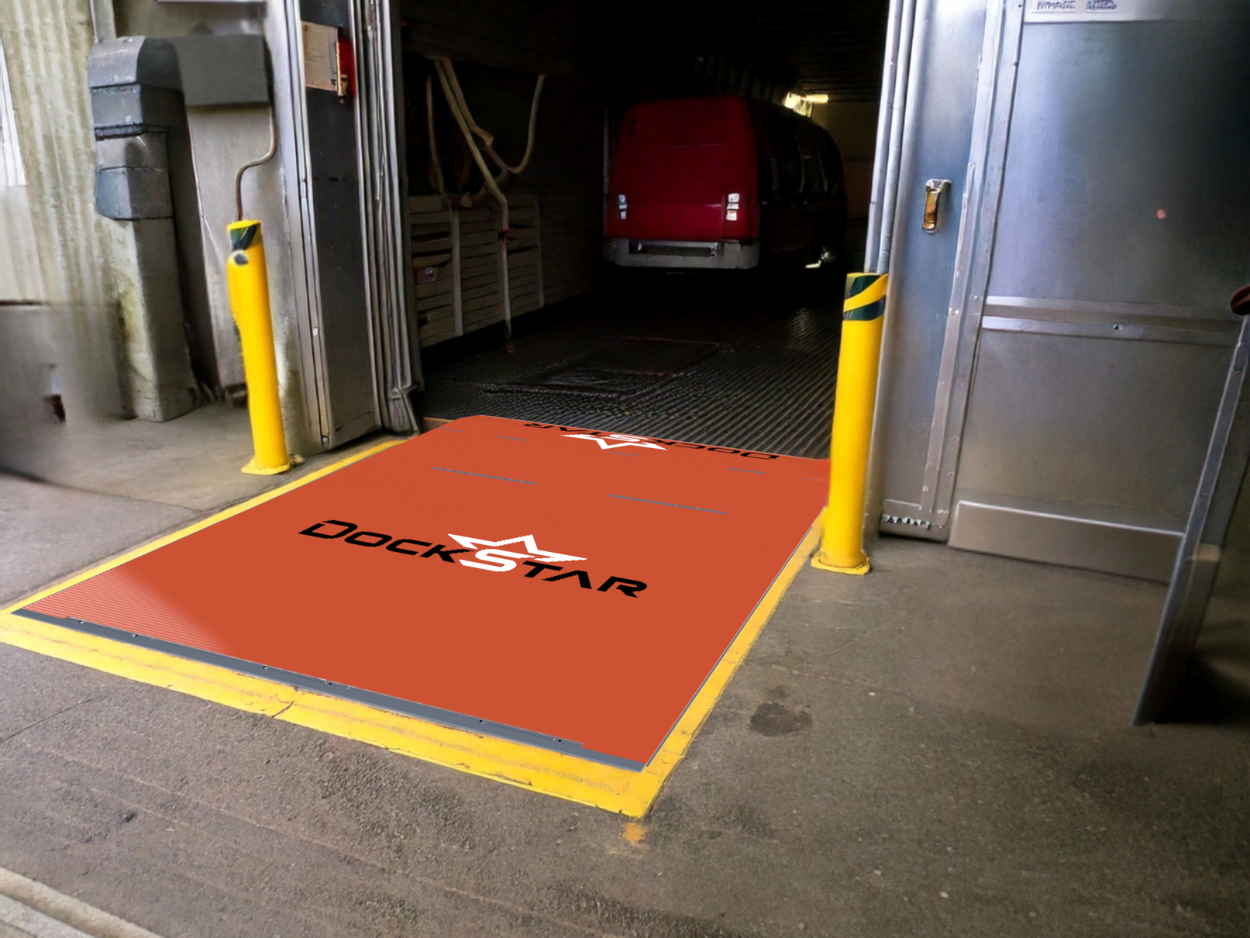
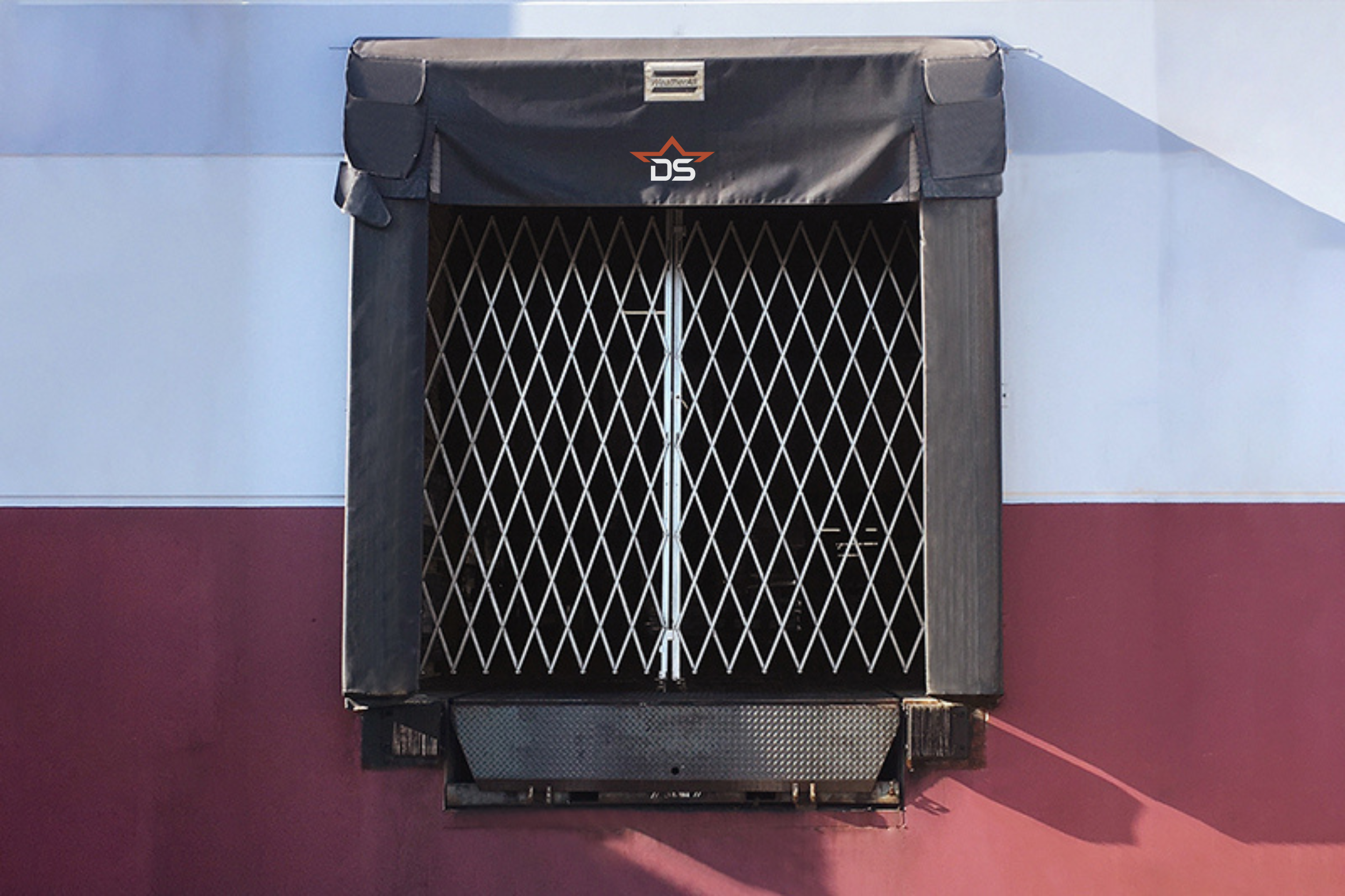
Based on site conditions and operational needs, DockStar specified a heavy-duty pit-style mechanical dock leveler engineered for consistent forklift traffic and industrial environments.
This DockStar mechanical dock leveler features a reinforced steel deck designed to support heavy rolling loads while maintaining a stable transition between dock and trailer. The leveler operates using a simple pull-chain activation system, eliminating the need for hydraulics or electrical power and reducing long-term maintenance requirements.
This DockStar mechanical dock leveler features a reinforced steel deck designed to support heavy rolling loads while maintaining a stable transition between dock and trailer. The leveler operates using a simple pull-chain activation system, eliminating the need for hydraulics or electrical power and reducing long-term maintenance requirements.
Key characteristics of the leveler include:
- A full-width operating lip to provide smooth contact with trailers
- A structural steel frame designed for long service life
- A counterbalance system that allows controlled, safe operation
- A maintenance-friendly design with fewer moving parts
- Compatibility with existing dock pits and building structures
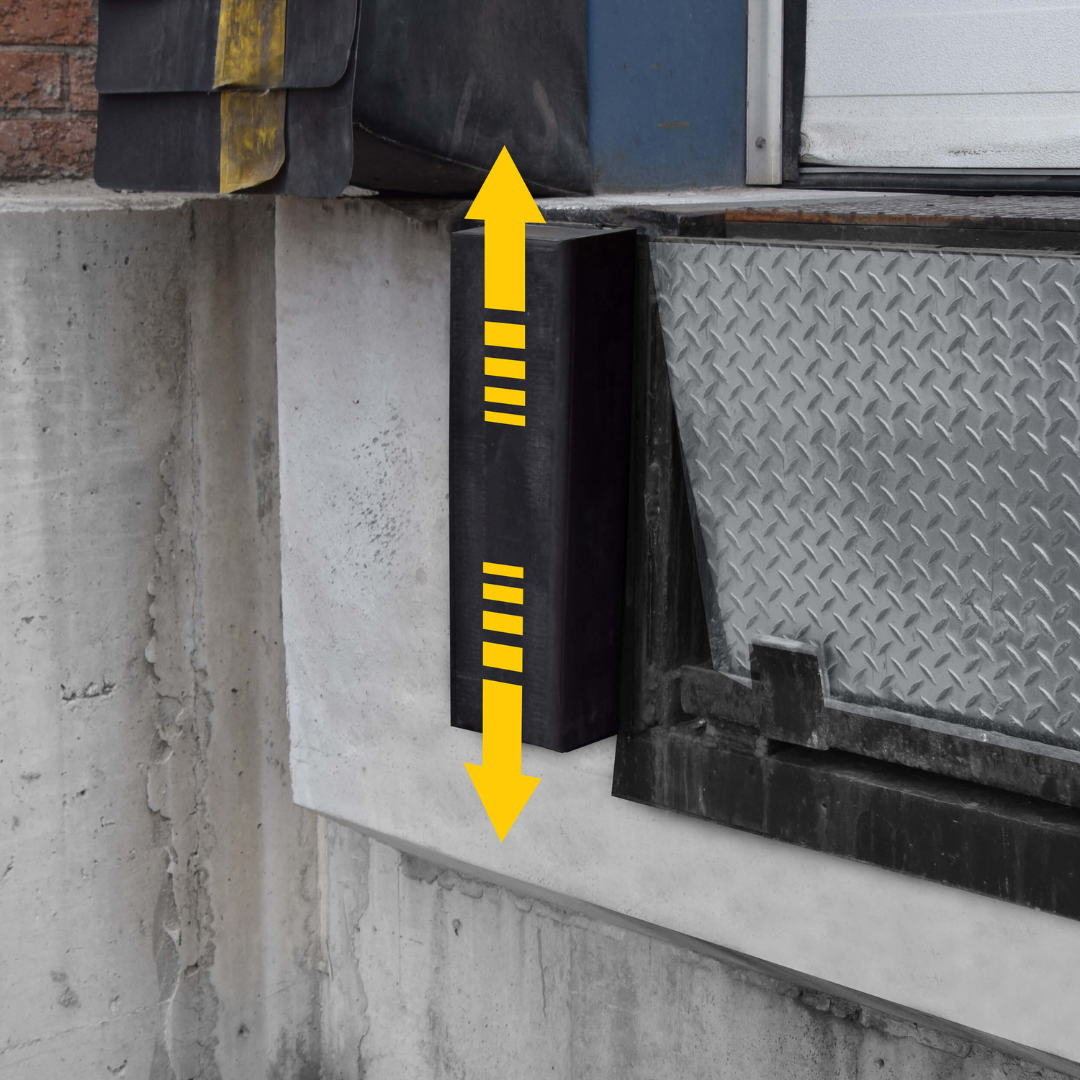
To further protect the dock and extend equipment life, DockStar also specified dock bumpers and curb angle protection to absorb trailer impact and shield the dock face from repeated contact.
The Result
The new mechanical dock leveler delivers exactly what the operation needed: a dependable, forklift-ready loading dock solution built for daily industrial use. The leveler provides a strong, consistent bridge between dock and trailer while keeping operation simple and reliable for dock personnel.
This project highlights DockStar Industrial’s ability to deliver the right dock leveler for the application, whether that means advanced Tri-pivot hydraulic systems for high-capacity logistics operations or mechanical dock levelers trusted by manufacturers and specialty industries. By starting with a thorough site evaluation and focusing on real-world dock usage, DockStar ensures every solution is built for safety, performance, and longevity.
This project highlights DockStar Industrial’s ability to deliver the right dock leveler for the application, whether that means advanced Tri-pivot hydraulic systems for high-capacity logistics operations or mechanical dock levelers trusted by manufacturers and specialty industries. By starting with a thorough site evaluation and focusing on real-world dock usage, DockStar ensures every solution is built for safety, performance, and longevity.


Frequently Asked Questions:
1. What is a mechanical dock leveler and how does it work?
A mechanical dock leveler is a manually operated, pit-style leveler that uses a pull-chain and counterbalance system to raise the deck and extend the lip. Once activated, the leveler provides a stable bridge between the dock and trailer without requiring hydraulic power or electrical components.
2. When is a mechanical dock leveler the right choice over a hydraulic system?
Mechanical dock levelers are ideal for industrial environments with consistent forklift traffic where simplicity, durability, and low maintenance are priorities. They are commonly used in manufacturing facilities, carpet operations, and specialty industries that need a strong, reliable dock solution without automation.
3. How much weight can a mechanical dock leveler support?
Heavy-duty mechanical dock levelers are designed to handle substantial forklift loads and rolling traffic. Load capacities vary by model and size, and DockStar specifies each leveler based on actual forklift weights, usage frequency, and site conditions identified during the evaluation.
4. How long does installation of a mechanical dock leveler typically take?
Most installations can be completed within one to two days, depending on the condition of the existing pit and any required concrete or curb angle repairs. DockStar plans installations carefully to minimize disruption to daily operations.
5. How much does a mechanical dock leveler cost?
Pricing depends on size, capacity, and site conditions. For most industrial facilities, mechanical dock leveler projects typically range from $6,000 to $12,000 per dock, including equipment and installation. DockStar provides detailed, site-specific quotes following a free on-site evaluation to ensure accurate pricing and proper fit.
Check out our Solutions!
DockStar Industrial coordinated a large commercial wire mesh storage locker project, including delivery follow-up, supplier coordination, installation planning, site visit support, and final project details for approximately 100 storage lockers.
Read MoreDockStar Industrial supplied and installed a railcar dock seal for an industrial loading door, helping improve weather protection, reduce air and debris intrusion, and support railcar loading operations.
Read MoreDockStar Industrial supplied wire security storage lockers for a new apartment building in Mineola, Long Island. The project included 4' x 4' x 7'-6" tenant storage lockers designed for secure resident storage, bike storage, and efficient storage room organization.
Read More