













Dual Dock Safety & Efficiency Upgrades in North Carolina
Project Overview:
DockStar Industrial partnered with a North Carolina–based manufacturing facility in Lowell, NC to complete two strategic dock improvement projects focused on safety, efficiency, and long-term reliability. Rather than tackling everything at once, the customer chose to work through their dock challenges in phases, addressing the most critical needs first while planning future improvements as operations allowed.
DockStar sales representative Dan Matz led both projects from the initial conversations through on-site evaluations, equipment selection, and final coordination. What started as a phone call turned into an extended site visit and ultimately two completed dock upgrades that significantly improved dock performance without interrupting daily shipping and receiving operations.This phased approach allowed the customer to invest intelligently while building trust in DockStar’s ability to deliver solutions that fit their facility, workflow, and budget.
DockStar sales representative Dan Matz led both projects from the initial conversations through on-site evaluations, equipment selection, and final coordination. What started as a phone call turned into an extended site visit and ultimately two completed dock upgrades that significantly improved dock performance without interrupting daily shipping and receiving operations.This phased approach allowed the customer to invest intelligently while building trust in DockStar’s ability to deliver solutions that fit their facility, workflow, and budget.
Project 1: Dock Seal Replacement & Dock Opening Optimization
The Challenge
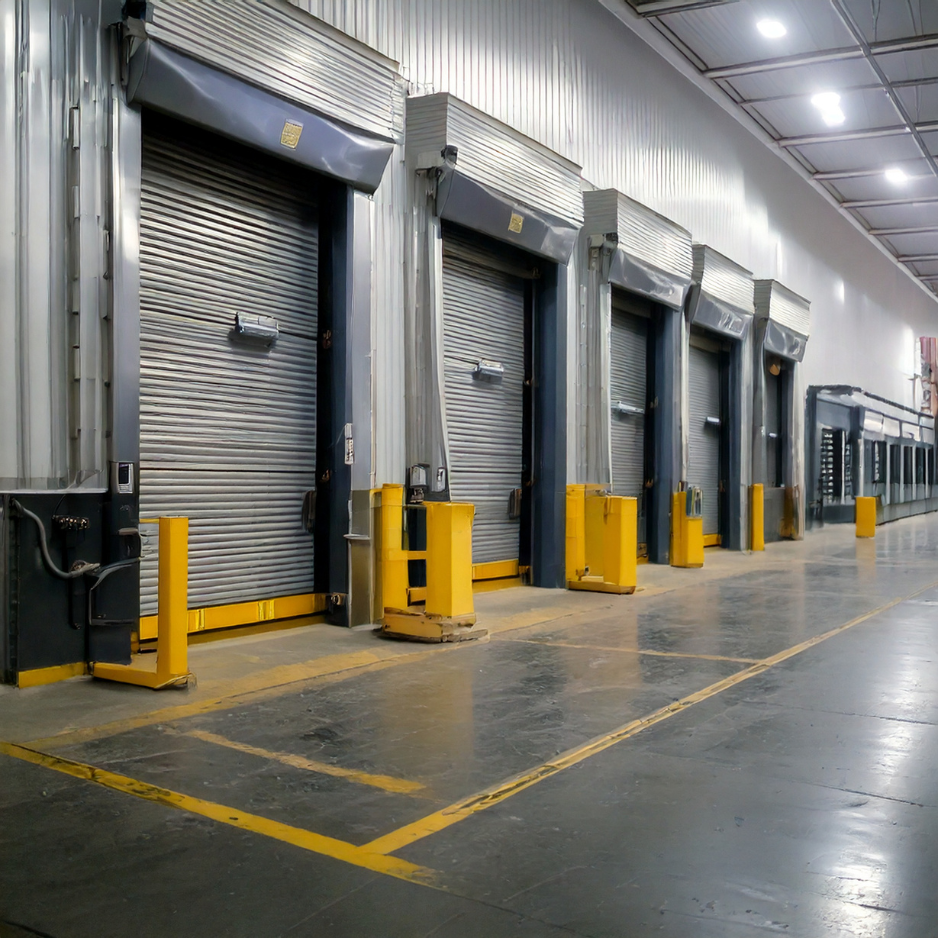
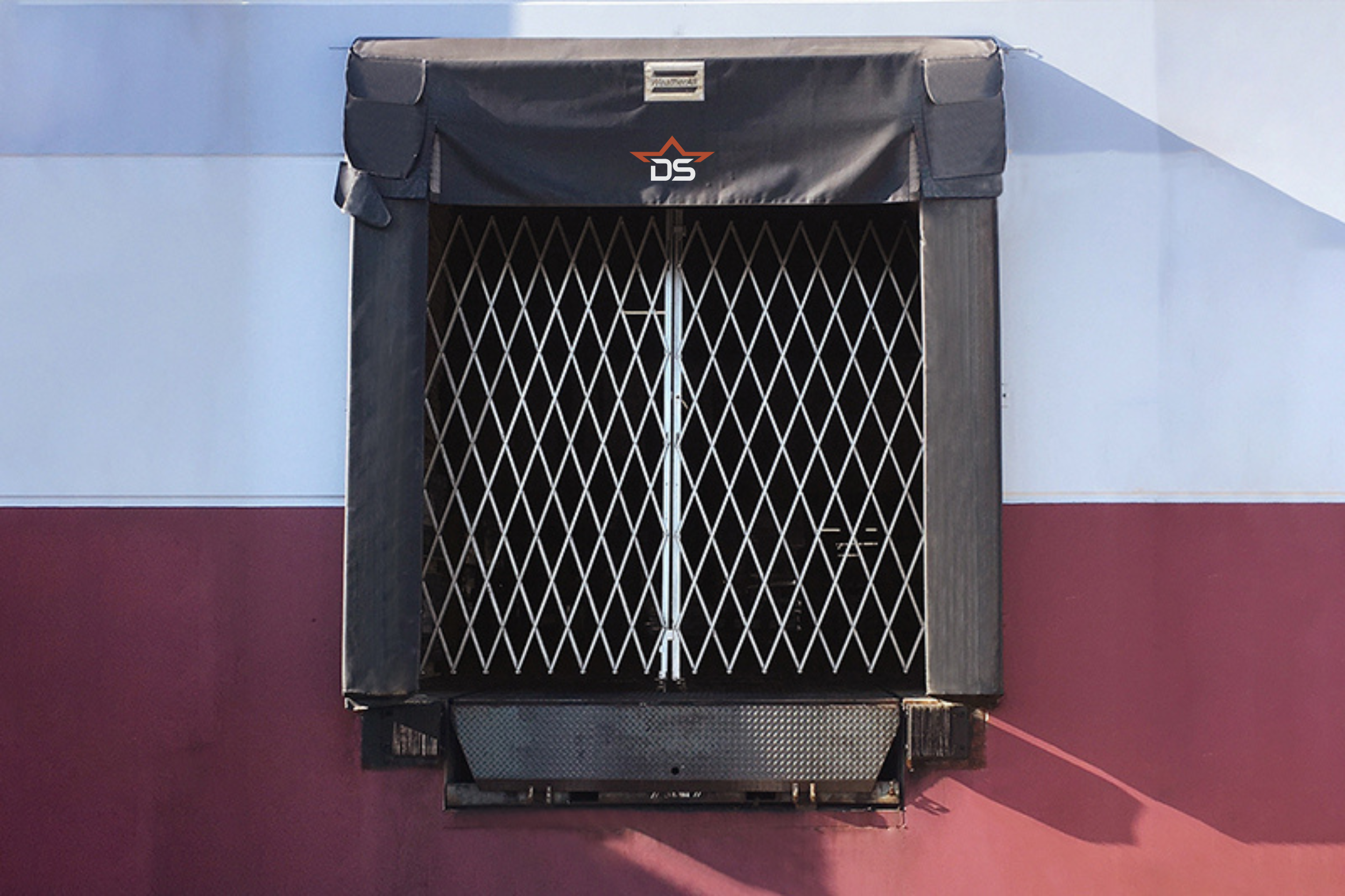
The facility’s existing dock seals had reached the end of their service life. Years of heavy trailer traffic, exposure to the elements, and improper fit had caused visible deterioration. In several dock positions, the seals were no longer making consistent contact with trailers, allowing air gaps, moisture intrusion, and debris into the building.
Additionally, the original dock seal installation had not fully accounted for the facility’s dock incline and metal siding conditions. As a result, seals experienced uneven wear and premature failure, leading to higher maintenance costs and reduced energy efficiency.
The customer needed a replacement solution that would hold up in a demanding industrial environment while correcting the shortcomings of the original installation.
Additionally, the original dock seal installation had not fully accounted for the facility’s dock incline and metal siding conditions. As a result, seals experienced uneven wear and premature failure, leading to higher maintenance costs and reduced energy efficiency.
The customer needed a replacement solution that would hold up in a demanding industrial environment while correcting the shortcomings of the original installation.


On Site Evaluation & Planning
Dan conducted a thorough on-site evaluation of each dock opening, documenting existing conditions and measuring trailer approach angles, dock face geometry, and seal mounting surfaces. This evaluation helped identify why the original seals were failing and what changes were needed to improve long-term performance.
By walking the docks with the customer’s operations team, Dan gained a clear understanding of trailer types, frequency of use, and daily dock activity. This hands-on planning ensured that the replacement seals would be designed around real-world conditions—not assumptions.
By walking the docks with the customer’s operations team, Dan gained a clear understanding of trailer types, frequency of use, and daily dock activity. This hands-on planning ensured that the replacement seals would be designed around real-world conditions—not assumptions.
The DockStar Solution
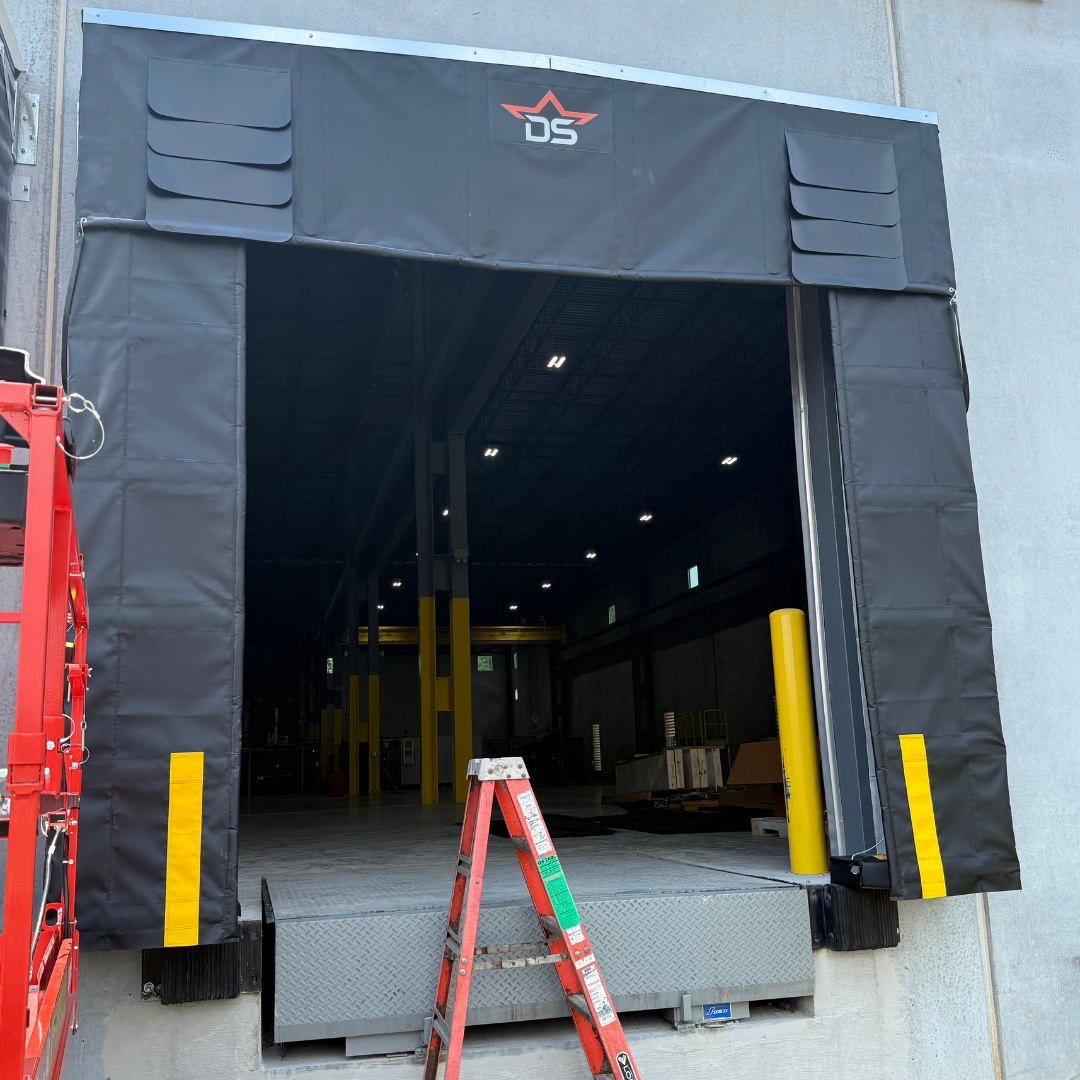
DockStar supplied heavy-duty foam compression dock seals engineered for high-traffic dock environments. The new seal system was selected and configured to address the specific issues observed during the site visit.
Key elements of the solution included:
Key elements of the solution included:
- Increased projection depth to accommodate dock incline
- Reinforced wear flaps to withstand frequent trailer contact
- Improved corner protection for added durability
- Modified mounting approach to work with metal siding
By customizing the seal design to the facility’s layout, DockStar delivered a solution that improved environmental control, reduced air infiltration, and significantly extended seal life.

Project 2: Interlock Wheel Chock Vehicle Restraint Systems

The Challenge
After improving dock sealing, the customer identified another operational concern: trailer securement consistency. The facility relied on traditional loose wheel chocks, which required manual placement and visual confirmation. While effective when used correctly, this approach left room for human error—especially during busy shipping periods.
The customer wanted a safer, more controlled way to secure trailers at the dock without adding unnecessary complexity to daily operations.
The customer wanted a safer, more controlled way to secure trailers at the dock without adding unnecessary complexity to daily operations.
The DockStar Solution
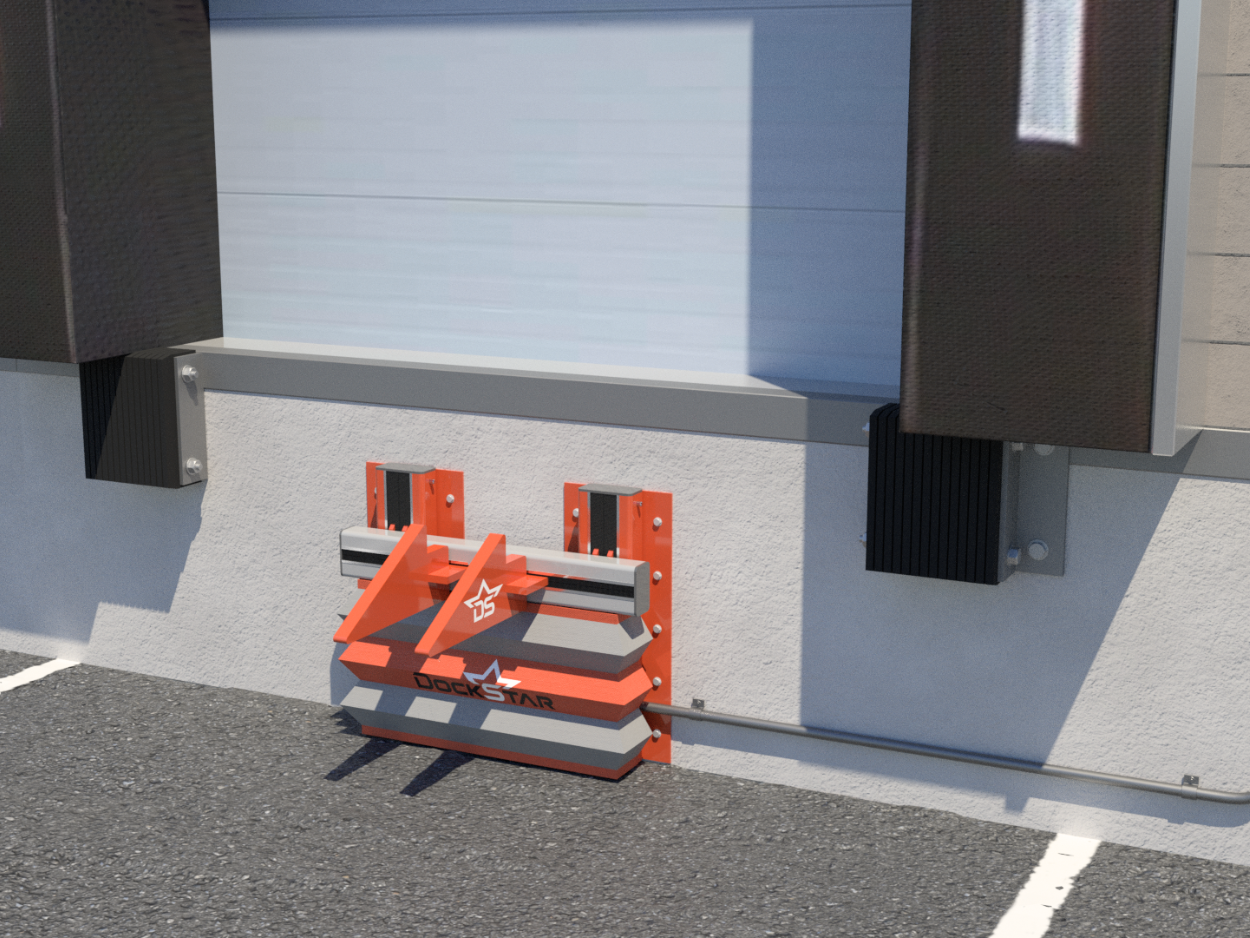
DockStar recommended and will be installing an interlock wheel chock vehicle restraint systems at selected dock positions. These systems physically link trailer securement with dock operations, ensuring forklifts and dock equipment cannot be used unless the trailer is properly restrained.
Benefits of the interlock wheel chock systems included:
Benefits of the interlock wheel chock systems included:
- Improved dock safety and OSHA compliance
- Clear, physical confirmation of trailer securement
- Reduced risk of trailer creep or early departure
- Simple integration into existing dock procedures
This solution will provide a higher level of protection while remaining easy for dock personnel to use and maintain.


Frequently Asked Questions:
1. What problems do new dock seals solve at a loading dock?
Dock seals help close the gap between the building and incoming trailers, reducing air loss, moisture intrusion, debris, and pests. Properly sized and installed dock seals improve energy efficiency, protect interior products, and reduce wear on dock equipment caused by uncontrolled airflow and weather exposure.
2. How do interlock wheel chock systems improve loading dock safety?
Interlock wheel chock systems physically secure trailers at the dock and prevent dock equipment from operating until the trailer is properly restrained. This reduces the risk of trailer creep, early departure, and forklift accidents—making them a strong safety upgrade for facilities handling frequent shipments.
3. Can dock upgrades be done in phases instead of all at once?
Yes. Many facilities choose a phased approach to dock improvements. DockStar regularly works with customers to prioritize upgrades—such as seals first, restraints later—allowing operations to improve safety and efficiency over time while staying within budget.
4. How does DockStar determine the right dock seal or restraint system for a facility?
DockStar begins with an on-site evaluation that includes measuring dock openings, reviewing trailer types, assessing dock incline, and understanding daily operations. This hands-on approach ensures dock seals and vehicle restraint systems are selected and configured specifically for the facility’s real-world conditions.
5. What factors affect the cost of dock seals and wheel chock restraint systems?
Pricing depends on several factors, including dock opening size, seal projection depth, mounting conditions, number of dock positions, and whether restraint systems require interlocks or signaling. DockStar provides clear, itemized quotes so customers can understand costs and plan upgrades strategically.