













Winter Warehouse Playbook: Cut Heat Loss, Speed Turns, and Boost Safety at the Dock
Here’s the reality: rising energy costs and cold-weather slowdowns collide right where your loading docks are. Every time a door cycles open and trailers don’t seal tight, you’re basically heating the parking lot—and your crew? They’re working colder, moving slower, and dealing with sketchy conditions.
But there’s good news. A handful of smart upgrades can actually tighten things up, keep warmth where your people work, and get trucks moving faster so doors aren’t gaping open all day. What follows is a practical roadmap for winterizing busy docks using equipment that’s proven to work—dock seals and shelters, HVLS fans, levelers with solid controls, restraints, bumpers, and better lighting.
Looking for something tailored to your setup? Reach out to our team about a Winter Dock Assessment. We’ll walk through it bay by bay with you.
“Energy expenses can represent up to 30% of operational costs in refrigerated warehouse facilities—and a single HVLS fan can reduce annual heating and cooling costs by 20-30%.”
Source: Food Logistics & Industrial Distribution, 2024
Why Winter Punishes Docks (and Where Your Heat Actually Disappears

During winter, warehouses hemorrhage heat two ways: infiltration and stratification.
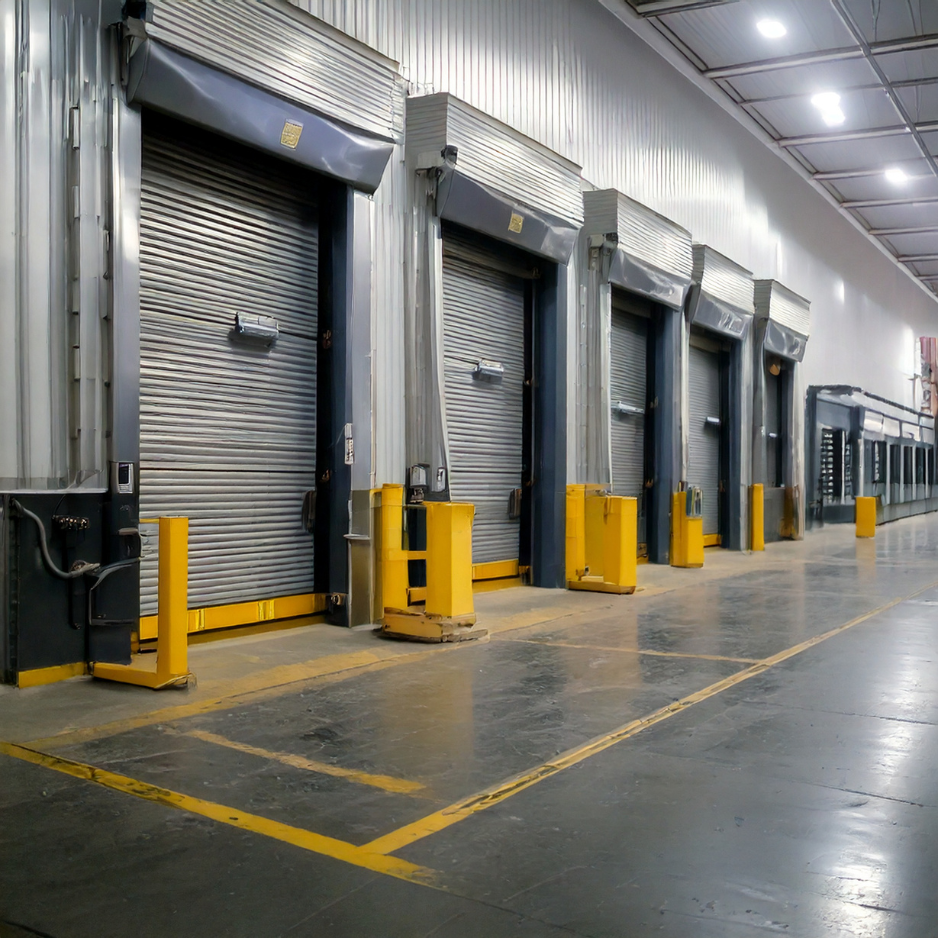
- Infiltration: Picture every gap around a docked trailer—top header, sidewalls, down at the sill—working like a reverse chimney. Warm air gets sucked right out while cold air rushes in to replace it. Even small leaks across several bays snowball into serious energy waste and miserable conditions near those doors. When trailers sit crooked or your bumpers don’t project far enough? That makes it exponentially worse by killing any chance of proper seal compression.
- Stratification: Physics 101—warm air rises. Without something pushing it back down, your ceiling can run 10 to 20 degrees hotter than the floor. You’re paying to keep that useless hot layer up top while everyone’s freezing at ground level where the actual work happens. Cold floors don’t just feel lousy; they slow your team down, wear them out faster, and can even create condensation that turns dock areas into slip hazards.
- Open-door time: The longer that door stays cracked per load, the more money literally flies out into the cold. Winter efficiency boils down to shrinking those load cycles with controls that make sense and gear that helps operators move quickly without cutting corners on safety.
The short version: Seal up the gaps, push that ceiling heat back down where it belongs, and cut the minutes each door spends open. Nail those three things, and you’ll notice the difference—both on the floor and when the utility bills show up.
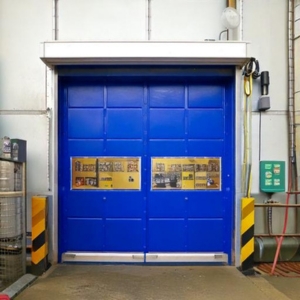
Seal the Gaps: Dock Seals & Shelters
What you’re after: Stop uncontrolled air from bleeding around the trailer while keeping access safe and efficient.
Seals vs. Shelters—which one makes sense for you?
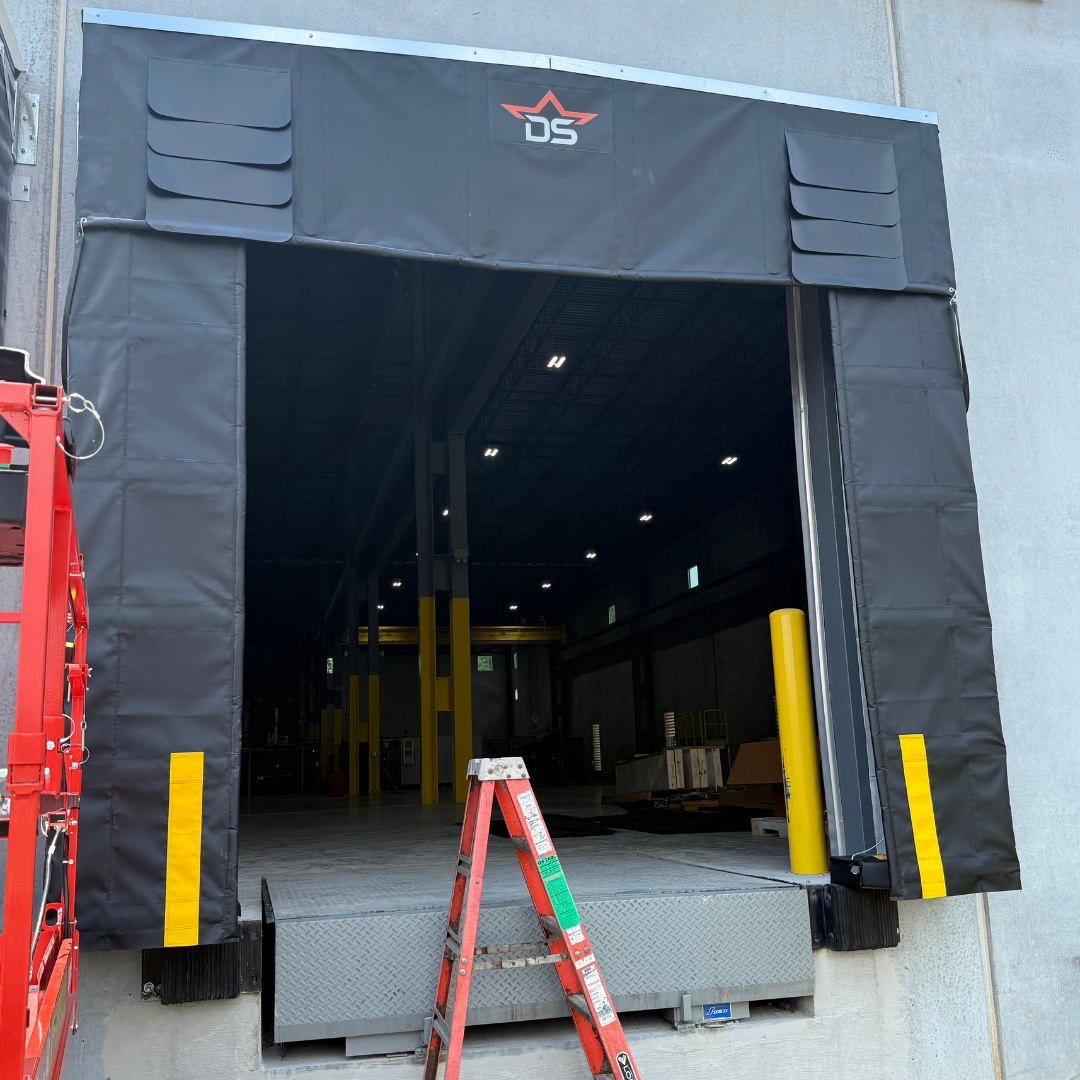
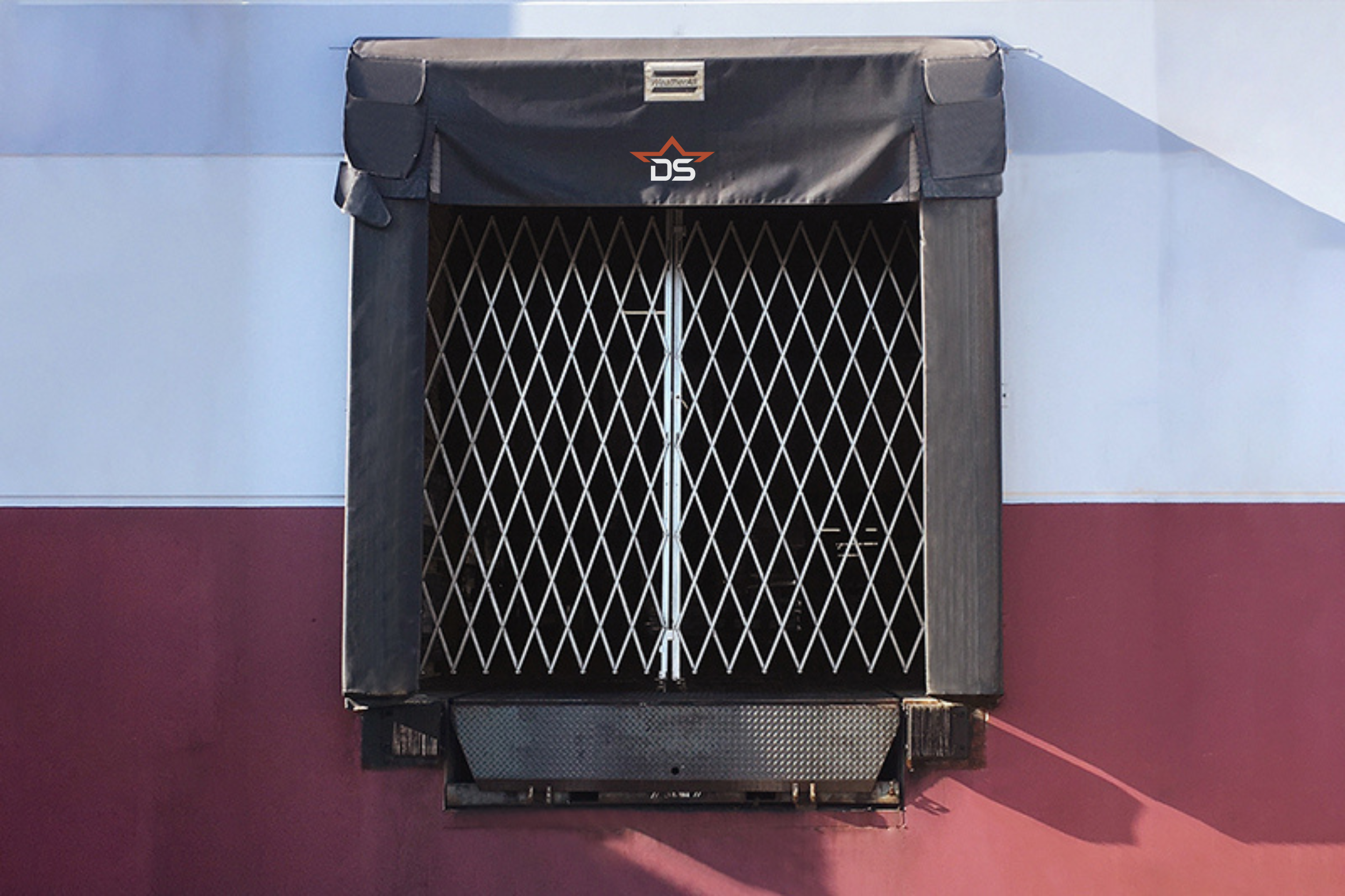
- Dock seals compress tight around the trailer for maximum heat retention. They’re your best bet when your trailer fleet doesn’t vary much in size and keeping every BTU inside is the top priority.
- Dock shelters give you full access and handle way more variety in trailer heights and widths. With the right build—think robust side curtains, proper projection, head frames that shed snow—shelters still control infiltration remarkably well. Perfect for facilities juggling mixed fleets.
Features that actually matter when it’s freezing
- Getting projection and bumpers to match: Your seal or shelter needs to meet the trailer exactly where it should. Skimping on projection or running short bumpers leaves gaps you’ll literally feel every time the wind kicks up.
- Reinforced where it counts: Cold makes materials stiff, and constant trailer contact creates wear. Look for wear pleats and heavy-duty fabrics in the zones that take the most abuse.
- Dealing with crowned docks and wonky approaches: Tapered head pads and curtains with good draft-blocking keep that top seal tight even when the approach isn’t perfectly level.
- Don’t forget the pit and sill: Brush kits, sweep seals, lip keepers, and weather seals around the leveler shut down those sneaky cold-air paths right at floor level.

Why it’s worth it: When you spec the right seal or shelter, infiltration drops hard. Your heaters don’t run constantly, and comfort improves right where people are actually standing and working. Over a full winter, that means lower energy bills and your team staying productive instead of huddling near space heaters.
Check out your options: Dock Seals & Shelters
Also worth looking at: Dock Bumpers
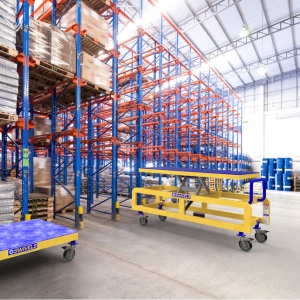
Keep Warm Air Down: HVLS Fans for Winter Destratification
The problem: Warm air’s camping out at the ceiling while the work zone feels like a meat locker.
The fix: High-volume, low-speed HVLS fans gently push that column of air downward, mixing the space so temperatures even out from top to bottom.

Winter benefits you’ll actually notice
- Comfort at ground level: Bring all that ceiling warmth back down to the floor without creating annoying drafts—just size them right and keep RPMs low. A lot of facilities can actually dial back their thermostats while maintaining comfort. Instant energy savings.
- Drier, safer floors: Evening out temperatures helps prevent condensation near doorways where frigid outside air crashes into warm interior air.
- Happier crew, faster work: When conditions are warmer and more consistent, people don’t fatigue as quickly and slowdowns drop off.
Getting it right
- Diameter and how many you need: Match fan diameter to your bay height, clearances, and whatever’s hanging from the ceiling. Bigger diameters move more air at lower speeds—that’s what you want for gentle winter mixing.
- Controls and zones: Schedule low-speed mixing during working hours; bump it up slightly when dock doors are cycling hard. You can even tie them into door interlocks if that makes sense for your operation.
- Where to put them: Focus first on areas near dock doors and busy pick lines, then fill in the larger spaces.
Explore your options: HVLS Ceiling Fans
Move Faster with Doors Open Less: Levelers & Controls
You can’t stop opening doors—logistics doesn’t work that way. But you can absolutely cut down how long they stay open. Shaving even a minute or two per load adds up shockingly fast over a winter season.
Levelers that speed up safe cycles

- Tri-Pivot Dock Leveler (the premium option): Fast, confident deployment. Stable lip engagement. An interface that actually guides operators through each step. Less second-guessing, fewer mistakes, quicker and more repeatable cycles—which means doors spend way less time open.
- Hydraulic and Mechanical Levelers: Reliable workhorses you can match to your cycle counts and budget. Add cold-weather hydraulic fluid, pit weather seals, and lip keepers to boost winter performance.
- Edge-of-Dock Levelers (EOD): For lower-profile retrofits or bays with lighter traffic, EODs give you quick engagement in a minimal footprint—another solid way to trim door-open time on specific docks.
Smart dock controls pay off in winter

- Touch-screen sequencing: Forces the correct order—restraint, then door, then leveler, then load. No backtracking, no wasted motion. The faster you complete the safe sequence, the sooner that door can close.
- Status lights: Clear green and red indicators inside and out keep everyone synced up, cutting down on those awkward pauses at each step.
- Interlocks: Tie restraints, doors, and levelers together so operators can’t jump ahead until it’s actually safe to proceed. Speeds things up without anyone taking shortcuts.
Lock It In: Restraints, Bumpers & Door Alignment

Even the best seal or shelter needs solid contact—and solid contact depends on alignment.
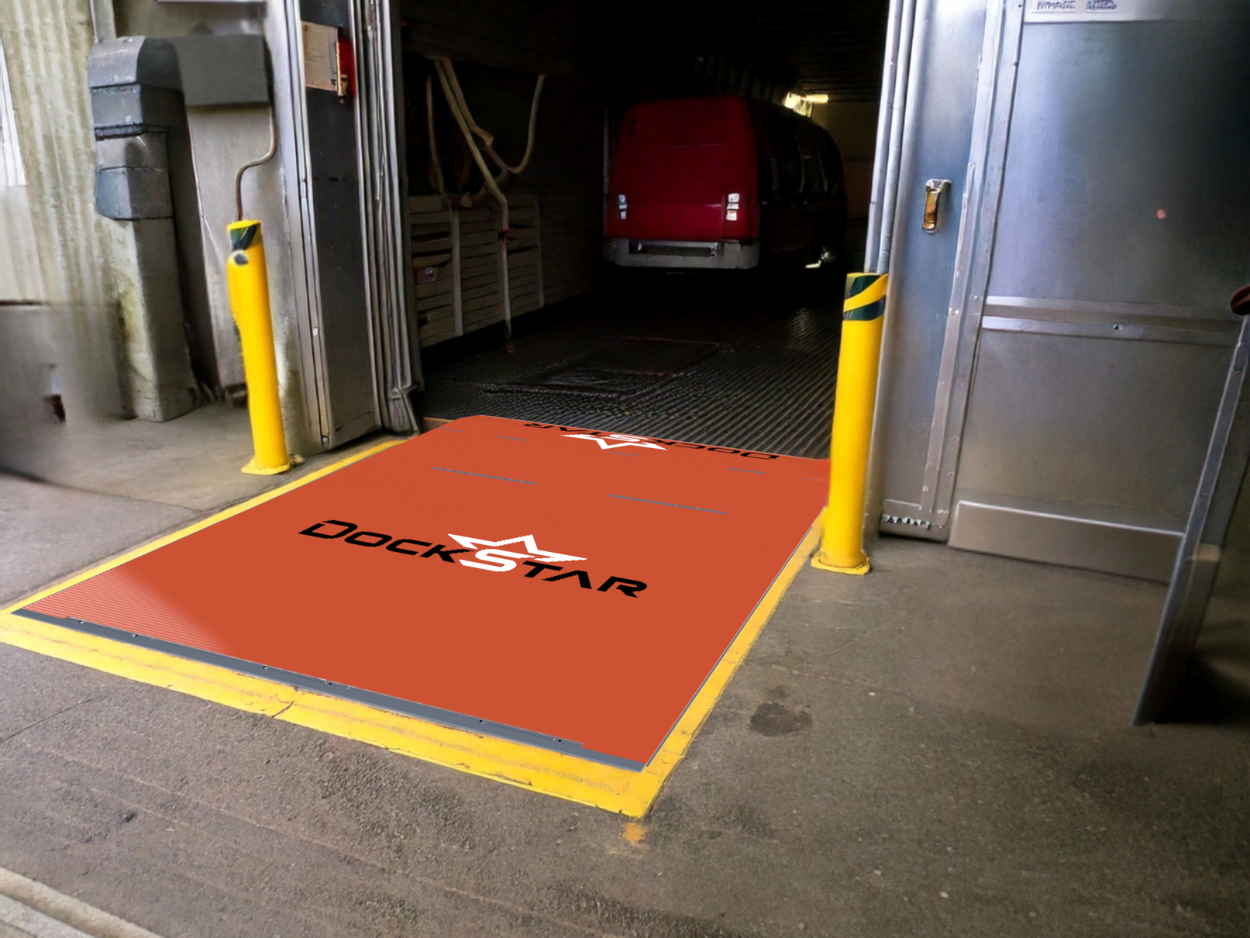
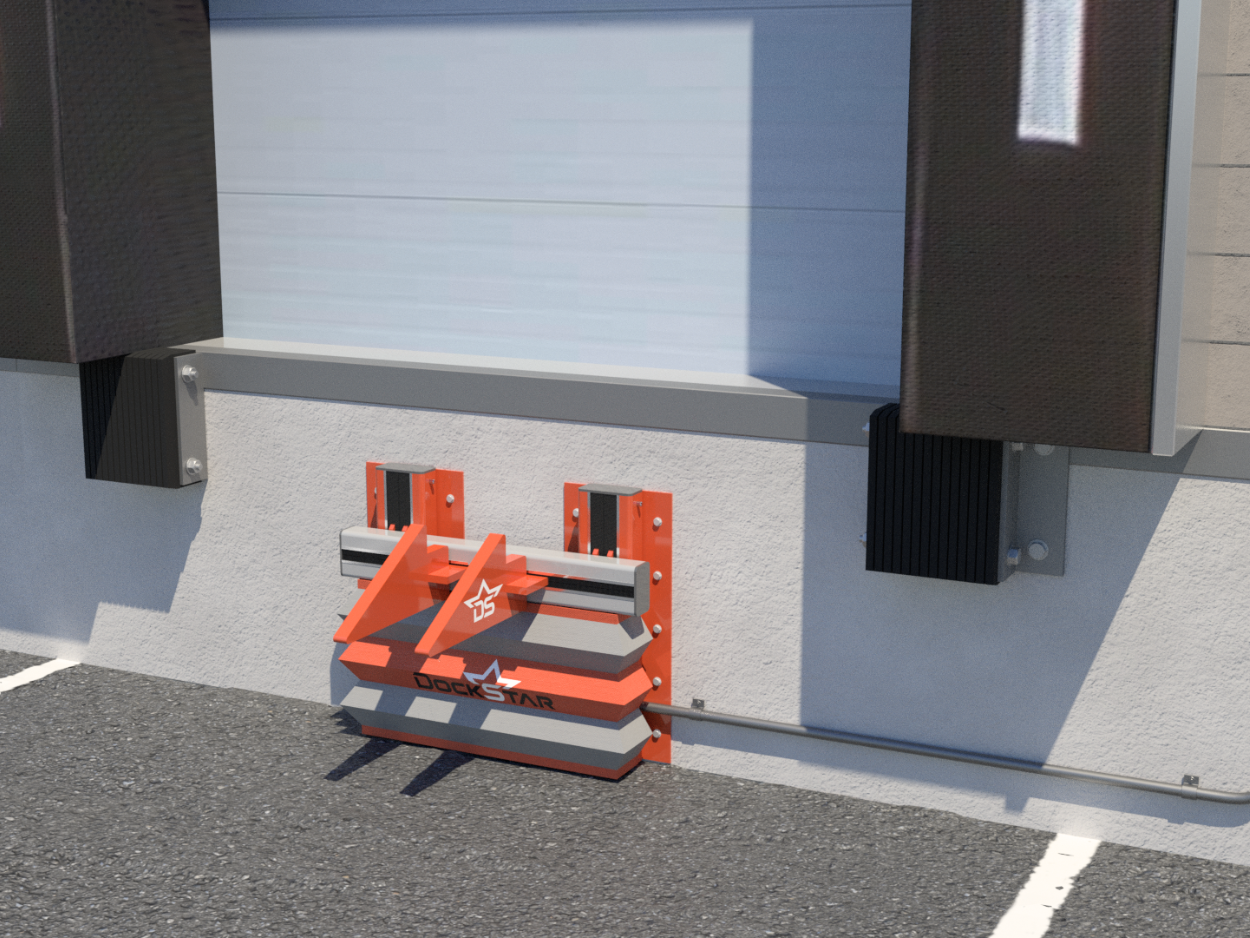
- Vehicle restraints hold that trailer precisely against the bumpers, stopping trailer creep on wet or icy aprons. Consistent positioning improves compression at the header and sides, cutting drafts while making everything safer.
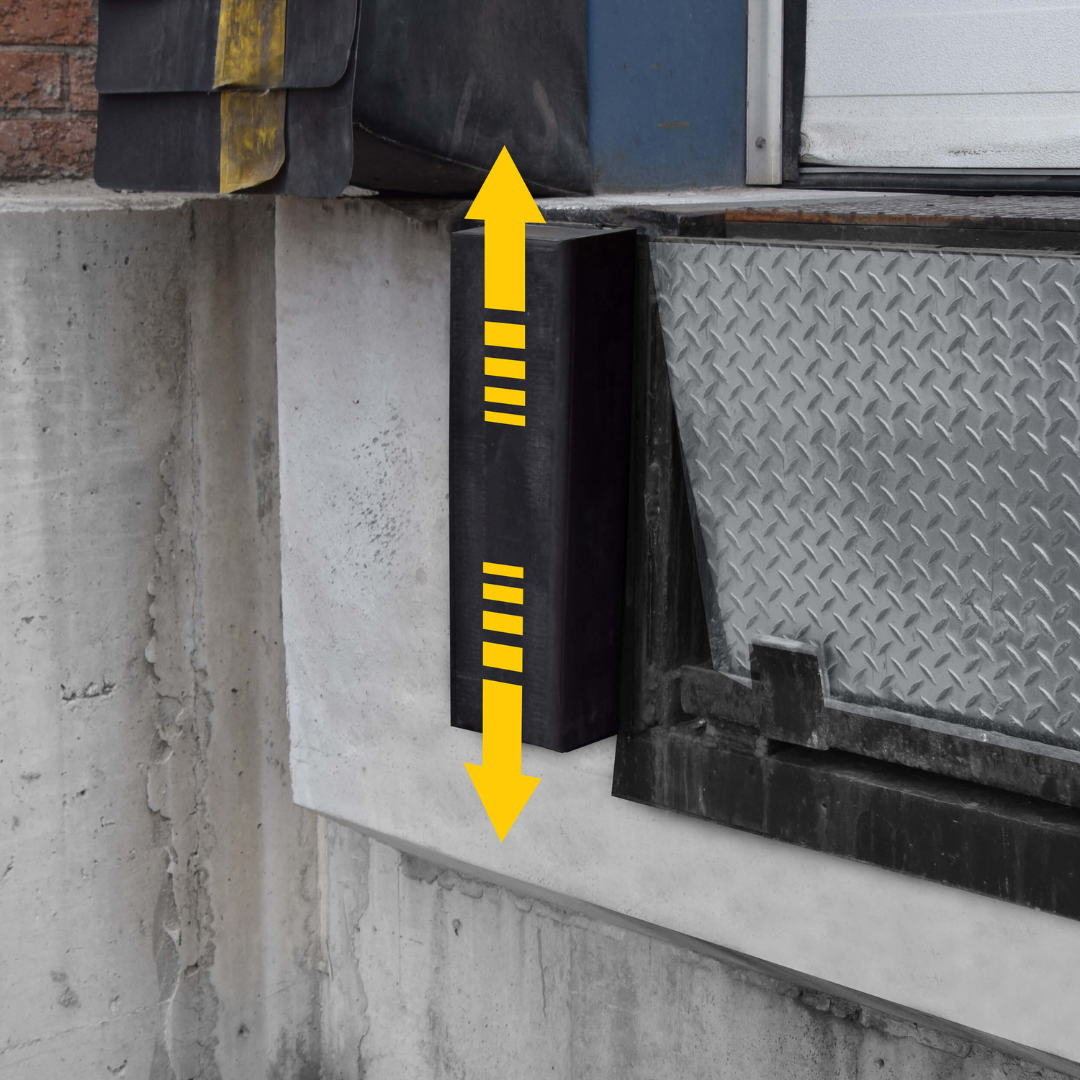
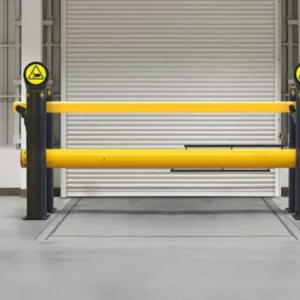
- Dock bumpers need the right projection to match your seal or shelter. Too short and you’ll never get the compression—or the energy savings—you paid for. Too long and you create operational headaches or alignment issues.
- Trailer stands and wheel chocks add extra stability in winter conditions, giving operators and drivers confidence while maintaining the position you need for a proper seal.
Visibility and Safety in the Cold: Dock Lights & Signals

Cold weather and shorter days make poor visibility way more costly. LED dock lights flood trailers with light so operators move with confidence instead of squinting around looking for footing or freight. Interior and exterior signal lights tied into your control system keep drivers, forklift operators, and dock staff on the same page—fewer uncertain pauses, fewer close calls, and smoother turns that get doors closed faster.
Putting It Together: The Winter Efficiency Flywheel
Think of winter optimization like a flywheel. Once you get the right pieces working together, the whole thing spins easier:
- Seal up the perimeter and watch infiltration drop immediately.
- Destratify with HVLS to bring ceiling heat down where your people actually are.
- Speed up safe cycles with levelers, restraints, and controls so doors aren’t standing open forever.
- Keep your team moving with bright trailer lighting and clear signals everyone can read at a glance.
Each piece makes the others work better. Tight seals matter more when trailers are properly restrained. Faster, well-guided controls shorten open-door time so the energy you saved with seals and shelters actually stays put. HVLS spreads that trapped heat evenly so floors feel comfortable without cooking the ceiling. The cumulative effect? Warmer people, faster turns, lower utility bills all winter.
Ready to warm up the dock and speed your turns?
Let’s focus on your highest-impact bays first. Talk to us about a Winter Dock Assessment and we’ll recommend the right seals, shelters, HVLS placement, leveler options, and control integrations for your building, fleet mix, and budget.


