













Wheel Chocks vs Vehicle Restraints: The Complete 2025 Guide
Here’s something that’ll keep you up at night: over 25,000 people get hurt in loading dock accidents every single year in the U.S.
That’s not just a number—it’s somebody’s coworker, friend, or family member heading to the hospital instead of home for dinner.
When you’re standing at your loading dock watching forklifts zip back and forth, the last thing you want to worry about is whether that trailer’s going to stay put.
But here we are, still debating wheel chocks vs vehicle restraints like it’s 1995.
After spending the better part of two decades watching safety managers wrestle with this decision, I can tell you the stakes couldn’t be higher.
Both systems promise to keep trucks from creeping away during loading operations, but they’re about as similar as a bicycle and a motorcycle.
Sure, they both have wheels, but that’s where the comparison ends.

Wheel Chocks: Old Faithful Still Gets the Job Done
Let’s start with what most of us know—wheel chocks.
These triangular chunks of material have been the go-to solution since trucks started backing up to docks. Pop them behind the wheels, and theoretically, you’re good to go.
You’ve got options when it comes to materials.
Urethane chocks can take a beating and laugh off whatever Mother Nature throws at them. Rubber ones won’t break the bank and work fine indoors.
Need something that can stop a fully loaded semi dead in its tracks? Steel chocks pack serious stopping power.

And if your dock workers are constantly moving chocks around, aluminum gives you strength without the back strain.
The beauty of wheel chocks lies in their simplicity. No fancy electronics to glitch out. No hydraulic systems to leak. No training manuals thicker than a phone book. Just position, secure, and you’re done. A decent set can last years if you don’t run over them with a forklift (don’t ask me how I know that).
But—and this is a big but—they’re only as reliable as the person using them.
Picture this: it’s the end of a long shift, trucks are backing up faster than you can count them, and suddenly proper chock placement becomes “close enough.”
That’s when accidents happen.
Vehicle Restraints: Welcome to the 21st Century
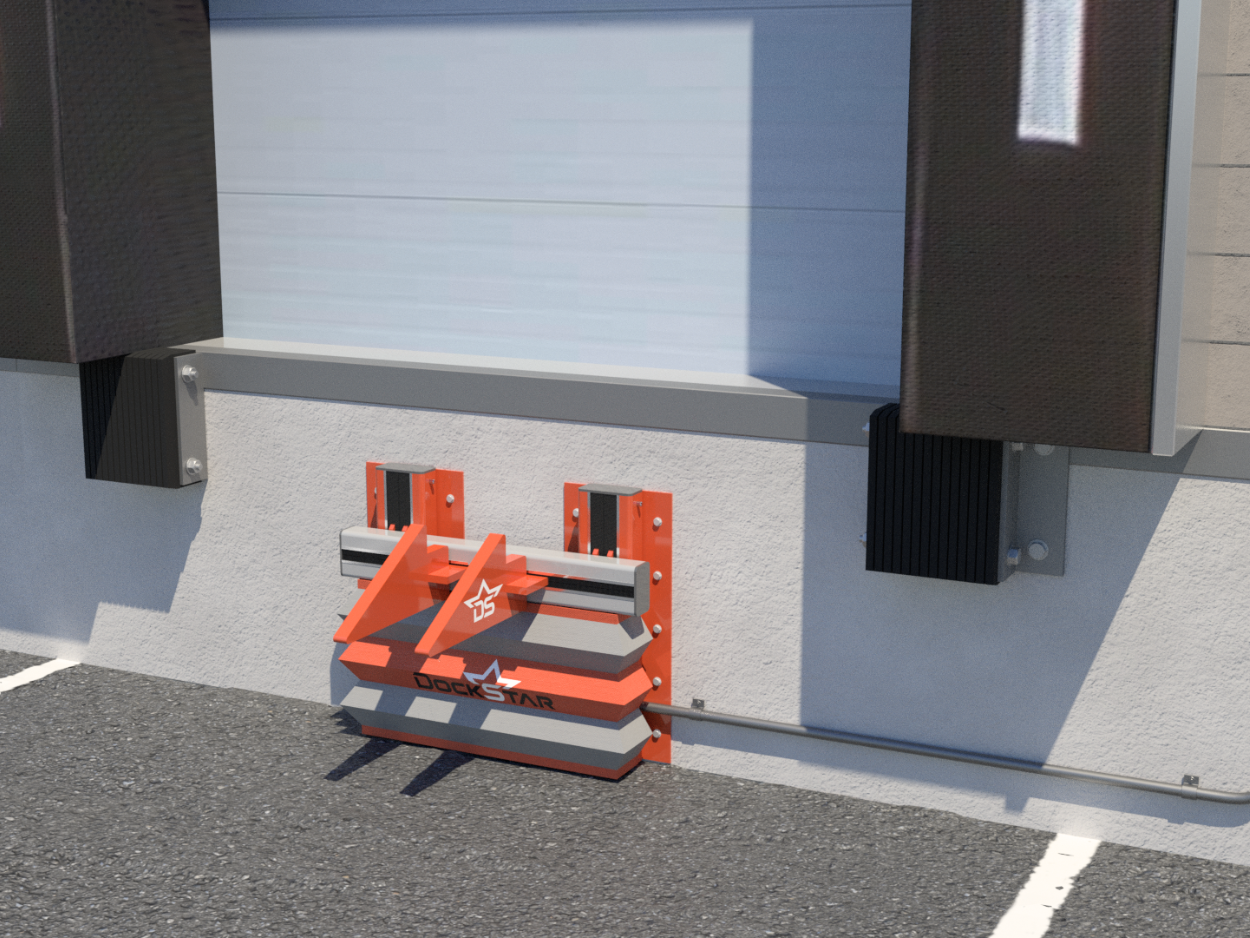
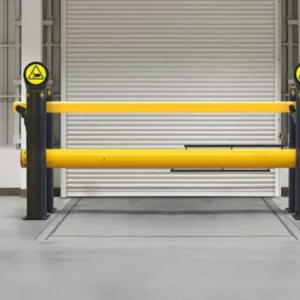
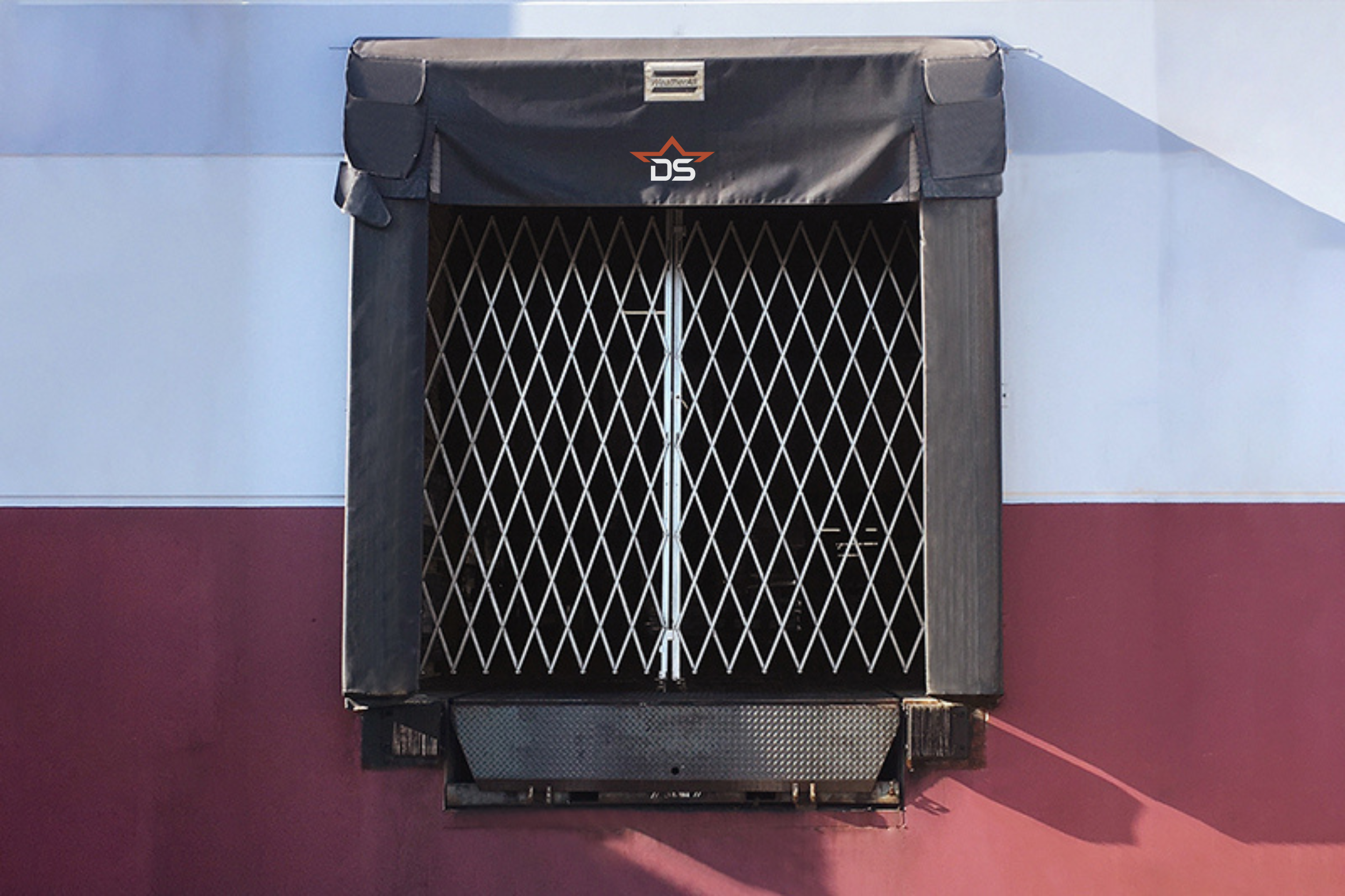
DockStar’s Dual Barrier Vehicle Restraint™ In Action
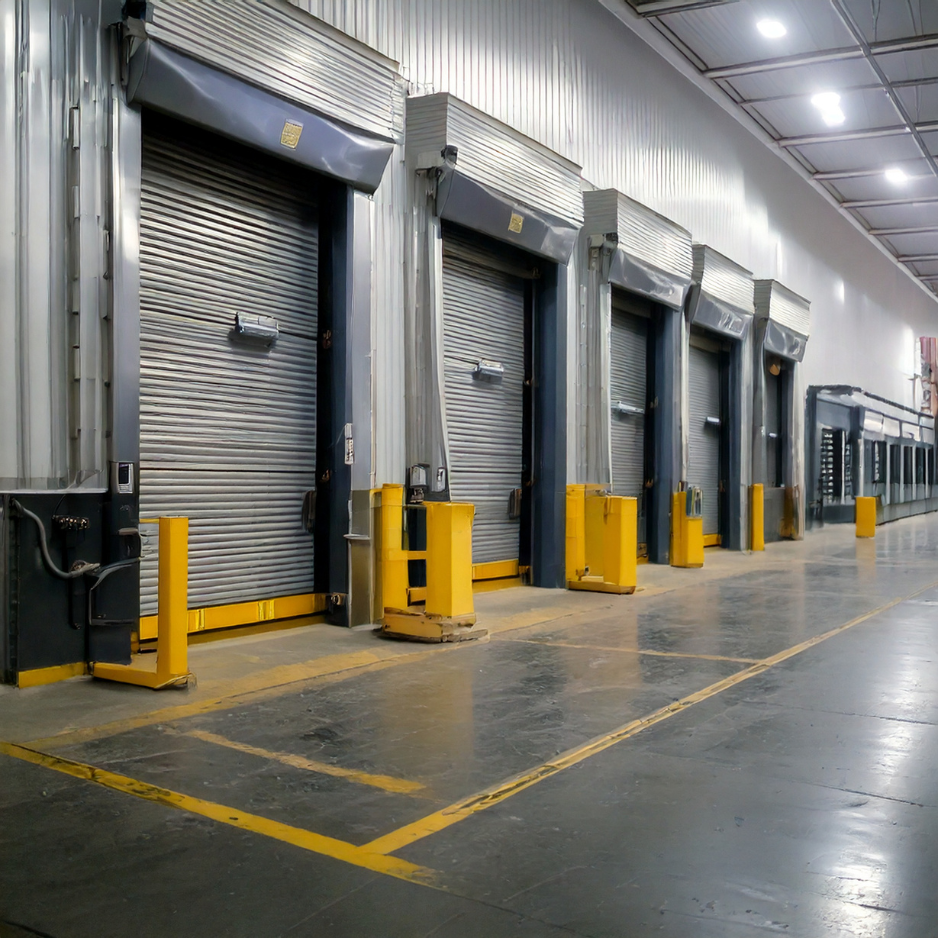
Now we’re talking about a whole different animal. Vehicle restraints don’t just sit there hoping physics cooperates—they grab onto the truck’s rear impact guard or axle and lock it down like they mean business.
Most modern systems work automatically. Truck backs up, restraint engages, lights flash green, and everyone knows that trailer isn’t going anywhere. Some of the newer units even talk to your facility management system, sending alerts if something goes wrong. It’s like having a security guard who never takes a coffee break.
The safety improvement is night and day. Instead of crossing your fingers that someone remembered to position the chocks correctly, you get positive confirmation that the truck is locked down. Those LED lights and audible alarms aren’t just for show—they’re your insurance policy against the “I thought someone else did it” moments that keep safety managers awake at night.
For busy facilities, the time savings alone can justify the investment. Drivers don’t need to hop out and wrestle with chocks, shaving minutes off each loading cycle.
That might not sound like much, but when you’re processing a hundred trucks a day, those minutes add up to real money.
The Real Talk: How Do They Actually Stack Up?
Here’s where the rubber meets the road—or in this case, where the chock meets the wheel. Vehicle restraints simply prevent more accidents. It’s not even close. When you remove human error from the equation, safety performance improves dramatically.
OSHA doesn’t care which system you use, as long as it works.
But here’s what they do care about: patterns of accidents and whether you’re doing everything reasonable to prevent them.
If you’re still using wheel chocks and experiencing incidents, those investigators are going to ask some pointed questions about why you didn’t upgrade to more reliable technology.
The weather throws another wrench into the equation. Ever try to position a chock on wet pavement? Or dig one out from under snow? Vehicle restraints don’t care if it’s raining, snowing, or blazing hot—they engage the same way every time.
Training becomes a non-issue with restraints too. Sure, your team needs to understand how they work, but there’s no technique to master or procedures to memorize. The system either engages properly or it doesn’t—the lights tell you which.
Let’s Talk Money (Because Someone Has To)
Nobody likes sticker shock, and vehicle restraints definitely cost more upfront than a set of wheel chocks. We’re talking thousands versus hundreds. But let’s dig deeper than the purchase order.
Insurance companies have caught on to the safety benefits of modern restraint systems. Many offer premium discounts that can offset a chunk of that initial investment over time. Your insurance broker probably has the numbers—ask them.
Then there’s the productivity angle. Those 2-3 minutes saved per truck might not seem like much until you multiply it by your daily volume. High-traffic facilities often see the efficiency gains pay for the equipment faster than expected.
But the real cost you need to consider is the one nobody wants to think about—what happens when something goes wrong. A single loading dock accident can generate workers’ comp claims, OSHA fines, and lawsuits that make even expensive safety equipment look like pocket change.
DockStar’s Restraint experts are standing by ready to give you a custom quote and answer any questions you have!

So Which One Should You Choose?
If you’re running a small operation with light truck traffic and money’s tight, quality wheel chocks with bulletproof procedures might work. The key word there is “might”—you’ll need to stay on top of training and compliance like your life depends on it. Because someone’s life actually does.
For everyone else? The math isn’t even close. High-volume facilities, places with a history of incidents, operations in harsh weather—vehicle restraints are the obvious choice. Even if you haven’t had problems yet, why wait until you do?
That said, the transition needs to be done right. Vehicle restraints require professional installation and integration with your existing dock equipment. Don’t try to save money by cutting corners on setup—it’ll cost you more in the long run.
Wheel Chocks vs. Powered Vehicle Restraints
| Decision Factor | Wheel Chocks | Powered Vehicle Restraints |
|---|---|---|
| Roll-away / Early Pull-out Prevention | Higher riskManual placement; can be missed or dislodged. | Engineered controlLocks to ICC bar/tires; interlock capable. |
| Human Error Exposure | HighRelies on consistent worker behavior. | LowAutomated sequence with clear signals. |
| Busy Docks / Multiple Shifts | BottlenecksChock checks slow turn times. | Flow-friendlyFaster, repeatable lock-and-go. |
| Dock Slope / Wet or Icy Conditions | Slippage riskReduced friction; chocks can slide. | Positive engagementMechanical hold independent of ground. |
| Driver Communication | LimitedCones/signs; manual confirmation. | ClearRed/green lights & interlocks. |
| Up-Front Cost | LowMinimal hardware. | HigherCapital equipment investment. |
| Lifetime Cost (Incidents, Downtime, Claims) | Higher risk-adjustedIncidents can negate savings. | Lower risk-adjustedPrevention reduces total cost. |
| Audit Trail / Policy Enforcement | Manual logsHard to prove compliance. | System statusLights, interlocks, records. |
| Compatibility | Most trailersLess effective on poor surfaces. | BroadICC bars; tire-engaging options. |
Getting Your Team Ready
Whether you stick with chocks or upgrade to restraints, your people need proper training. With chocks, that means hammering home the importance of consistent positioning and regular inspections. Create visual guides showing exactly where and how to place them. Make it so simple that even someone having the worst day of their career can’t mess it up.
Vehicle restraints need a different approach. Your dock workers need to understand what the lights mean, how to engage and disengage the system, and what to do when something doesn’t work right. The good news? Most of this is intuitive once they use it a few times.
Don’t forget about maintenance schedules. Chocks need regular inspection for wear and damage. Restraints require more sophisticated upkeep, including hydraulic system service and electronic component checks. Budget for this from day one—skipping maintenance is like buying insurance and never paying the premiums.
Where Things Are Heading
The loading dock safety world keeps evolving, and most of that evolution points toward smarter, more automated systems. IoT-connected restraints that predict maintenance needs before failures occur. Integration with fleet management systems that document safety compliance automatically. Real-time monitoring that alerts managers to potential problems before they become accidents.
All of this makes traditional wheel chocks look increasingly outdated. It’s not that they don’t work—it’s that better options exist and keep getting better.
The Bottom Line
Look, I get it. Change is expensive and disruptive, especially when what you’re doing seems to work fine. But “seems to work” and “actually works” aren’t the same thing, and the difference matters when people’s safety is on the line.
Vehicle restraints aren’t just about preventing accidents—though they’re exceptionally good at that. They’re about creating a workplace where your team doesn’t have to worry about whether that truck is going to stay put. They’re about sleeping better knowing you’ve done everything reasonable to protect your people.
The initial investment stings, sure. But when you factor in the insurance savings, productivity gains, and—most importantly—the accidents that never happen, it’s not really a cost at all. It’s insurance for your most valuable asset: the people who show up to work every day trusting you to keep them safe.
Don’t wait for an accident to force your hand. Take a hard look at your current setup and ask yourself: is this really the best I can do for my team? If the answer gives you pause, it’s time to make some calls and get pricing on a proper restraint system. Your future self—and your workers—will thank you for it.


