













Does OSHA Require Fall Protection at the Loading Dock?
Picture a typical morning at the dock: forklifts zipping by, pallets stacked high, a trailer easing into place—and a four-foot drop just a step or two from where your team stands.
It’s controlled chaos on a good day.
The nagging question that always comes up—especially when audits loom or you’re planning upgrades—is simple: does OSHA actually require fall protection at the loading dock?
Short answer: usually, yes. Longer answer: it depends on what’s happening at that edge in the moment.
This guide breaks it down in plain English so you can stop guessing, keep people safe, and pass any inspection with your sanity intact.

What OSHA Really Says (Without the Legalese)
OSHA’s general industry rules say you’ve got to protect workers from falls of four feet or more to a lower level. A loading dock qualifies as a “walking-working surface,” so that rule sticks. If someone can step—or be pushed—off that edge, you’re on the hook to control the hazard. How you do it is flexible: guardrails, chains, gates, safe-work procedures, or personal fall protection in certain tasks. The trick is matching the method to how your dock actually runs.
“More than 25% of all industrial accidents happen at the loading dock.”
And for every loading-dock accident, there are roughly 600 near-misses. Source
Why the “Four-Foot Rule” Lands on Your Dock
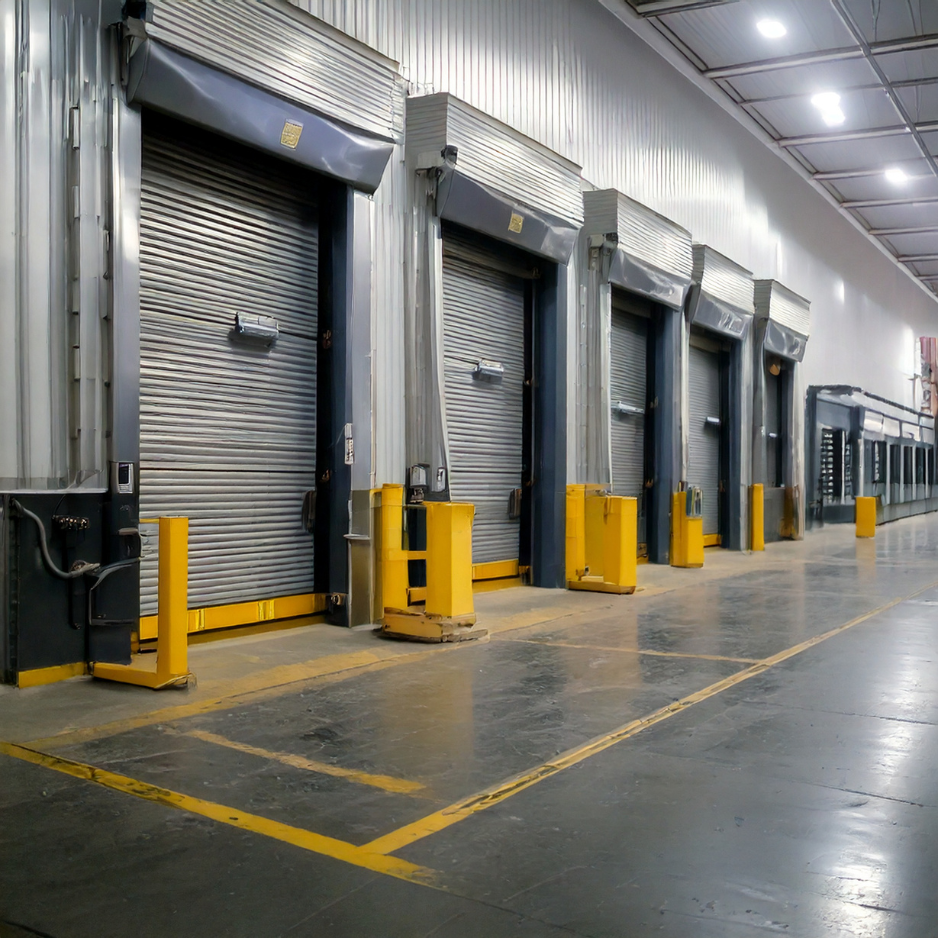
Most docks sit in that 48–52 inch range, which clears OSHA’s threshold. If the door is open and there’s no trailer backed in, you’ve got an exposed edge. That’s not a maybe; that’s a fall hazard. And fall hazards aren’t the kind of thing OSHA shrugs at.
What Counts as “Protection” (and What Doesn’t)
Protection can be physical (rails, gates, chains) or procedural (controls that keep people away from the edge when it’s open). The common dock mix looks like this:
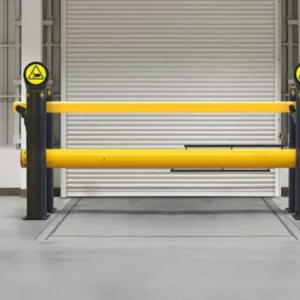
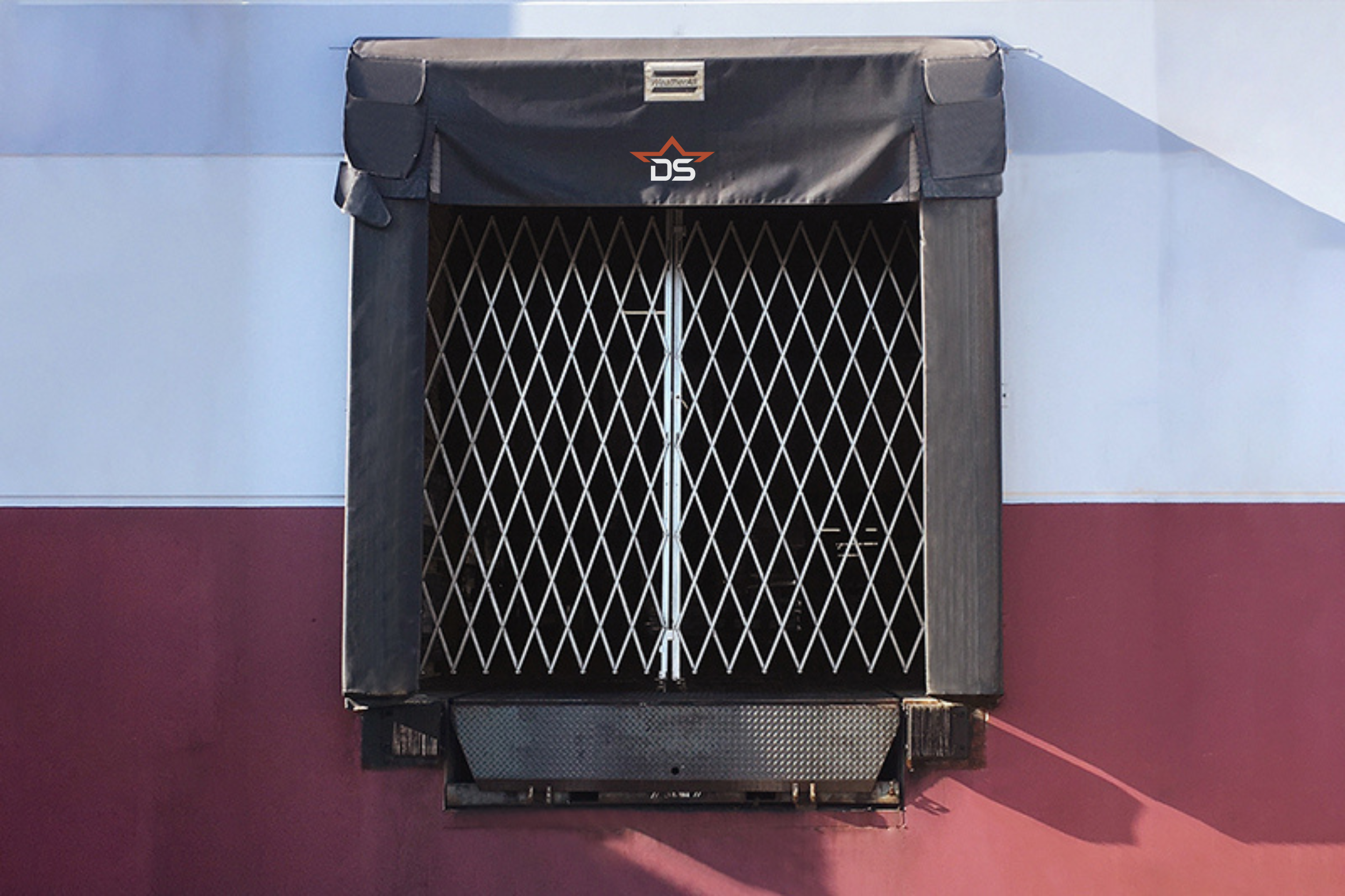
- Guardrail systems: fixed rails, removable rails, or a swing gate at the opening.
- Chains/rope as rails: acceptable if they’re positioned and tensioned like real rails (top and midrail, proper height, proper strength).
- Operational controls: vehicle restraints and signals, floor striping, defined walkways, and hard rules about when a bay must be re-secured.
- Personal fall protection: not the go-to for normal loading, but useful for maintenance or unusual tasks.
If you go the rail/chain route, remember the basics: a top rail around 42 inches (give or take three), a midrail halfway down, and enough strength to hold up under a good shove. No splinters, no sharp projections, no sad, sagging chains.
How the Rules Play Out in Real Life
Door Open, No Trailer: The Classic Risk
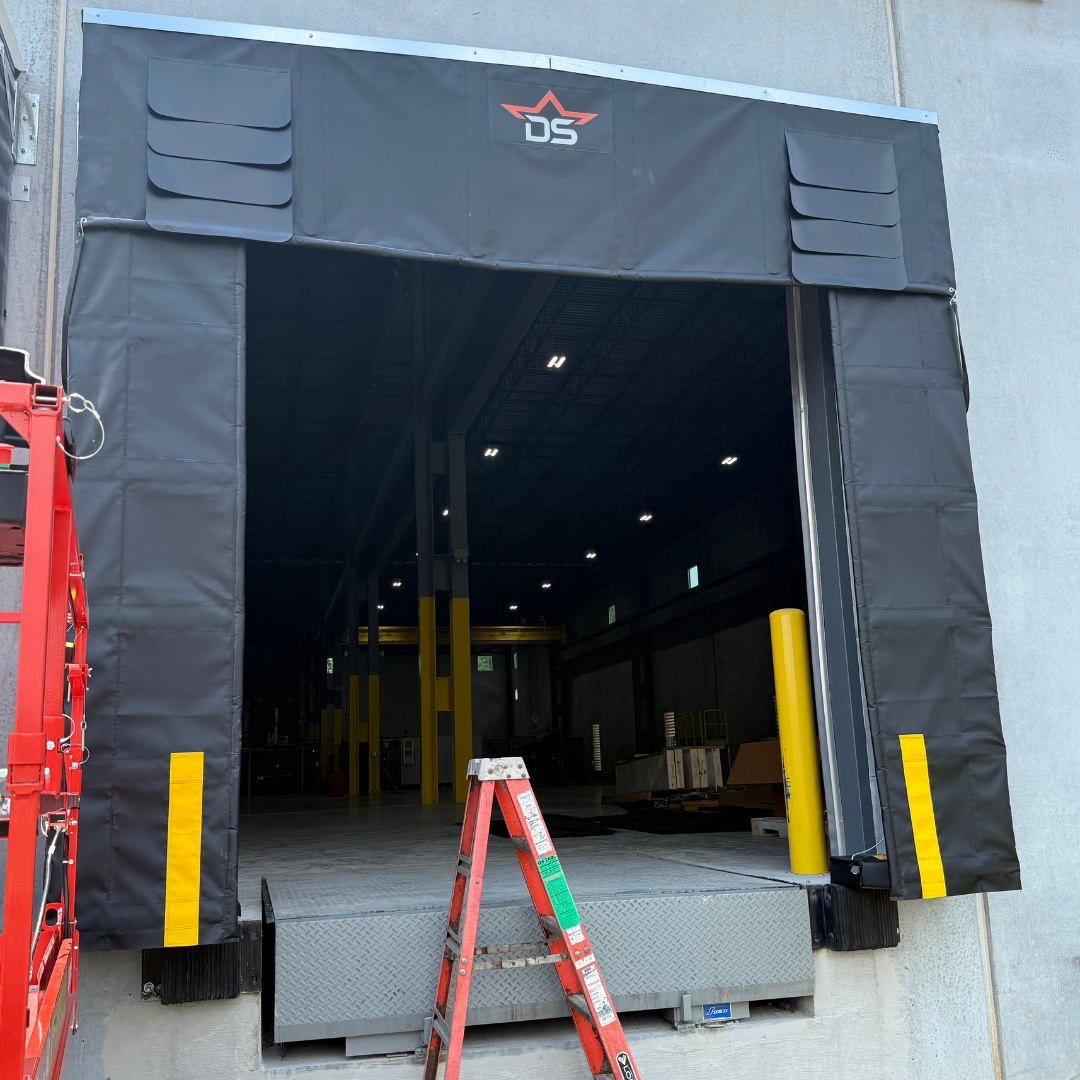
This is the scenario inspectors love because it’s black-and-white. The bay is open and idle—no trailer acting as a plug—and people pass by to stage freight, sweep, or hit the controls. You need protection in place. A swing gate is clean. A removable rail works. A properly tensioned chain (with a midrail solution) is fine too. Just don’t leave it open “because the next truck is almost here.” We’ve all heard that one.

Trailer Tight to the Dock: Safer, But Not a Free Pass
When a trailer’s snug against the dock, it blocks the drop. Great. But as soon as that trailer creeps or pulls away, the hole comes back—and it comes back fast. Use vehicle restraints or, at minimum, chocks and a loading dock light system so everyone knows when it’s safe. As soon as the trailer leaves, re-hang the gate or chain before anyone wanders into the void.
Dockboards and Levelers: Helpful Tools with Rules Attached
Dockboards and dock levelers change the geometry at the threshold. They can also introduce “run-off” hazards if equipment can roll off the edge. In many cases—especially when people are on a dockboard four feet or more above a lower level—you’ll need rails or handholds that function like rails. Keep levelers maintained, lips fully supporting loads, and visual striping clear so nobody gets a surprise drop.
Short Docks (Under Four Feet): Still Worth Guarding
Under four feet, the strict trigger isn’t there. Even so, broken wrists and concussions don’t care about thresholds. If you’ve got heavy foot traffic, poor sightlines, or powered trucks working close to the edge, a guard or gate is still the smart play.
Temporary Ramps and Mobile Docks: Treat Them Like the Real Thing
Edge is an edge. If a portable ramp gives you a four-foot fall—or side edges that could roll you off—use side rails and end protection just as you would at a permanent bay.
Platforms and Catwalks Near the Dock
Mezzanines, narrow control platforms, catwalks—same story. If someone can fall four feet or more, protect them.
Guardrails, Chains, and Gates: What “Good” Looks Like
Guardrail Height, Strength, and Don’t-Overthink-It Basics
- Top rail at 42 inches (plus or minus three).
- Top rail withstands 200 lb applied outward/downward anywhere along it; if someone leans hard, it shouldn’t dip below 39 inches.
- Midrail halfway between top rail and floor; able to withstand 150 lb.
- Smooth surfaces, capped ends, nothing that snags clothing or skin.
Yes, Chains and Rope Can Work—If You Treat Them Like Rails

Tension them. Set them at the right height. Add a midrail (another chain, rope, or suitable barrier). Inspect them so they don’t sag into uselessness. This isn’t a “good enough” accessory—it’s your guardrail system.
Gates at Openings
Self-closing is best. Swing gates are common and easy to live with. They need to meet the same height and strength criteria and—minor detail—actually be used.
When Rails Don’t Fit the Workflow
Active loading can make a fixed rail across the opening a non-starter. Fine. Then lean on the combo that works: vehicle restraints + light signals + disciplined procedures, and put the gate/chain back immediately when the bay goes idle. “Not feasible” never means “do nothing.” It means choose an equivalent protection that fits how you operate.
Dockboards, Levelers, and Run-Off Protection
Dockboards (Portable or Built-In)
Use dockboards that are designed to prevent run-off if there’s a realistic chance of it. In scenarios where people are actually on the board at height, rails or handholds may be required unless a narrow exception applies. Don’t guess—look at your tasks, your fall distances, and how you actually move freight.
Levelers (Mechanical, Hydraulic, Specialty)
A few habits go a long way:
- Keep striping bright so the lip edge is obvious.
- Maintain the lip and hinges so loads are fully supported.
- Integrate with vehicle restraints and light systems so nobody uses the leveler until the trailer’s locked.
Where Equipment from DockStar Helps
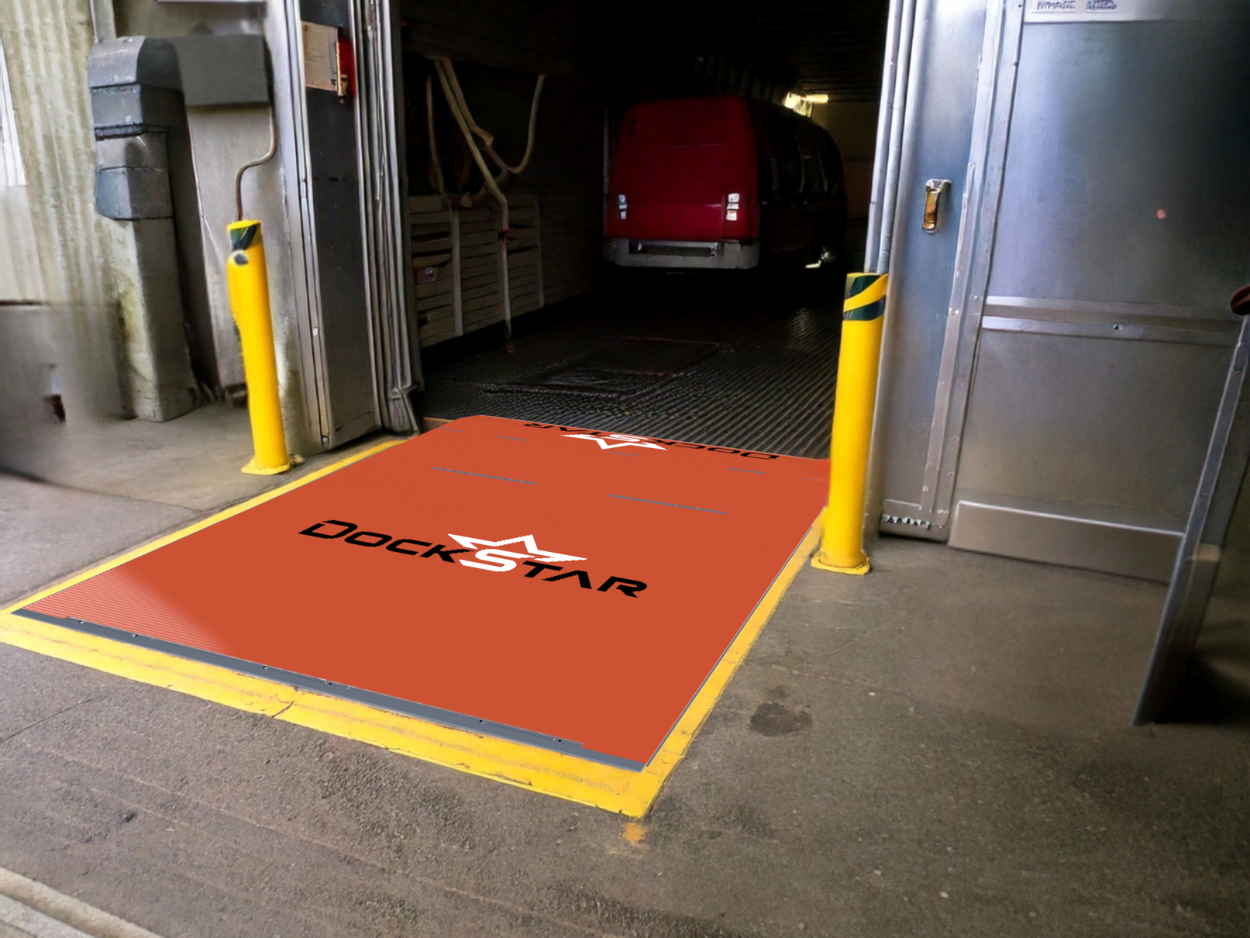
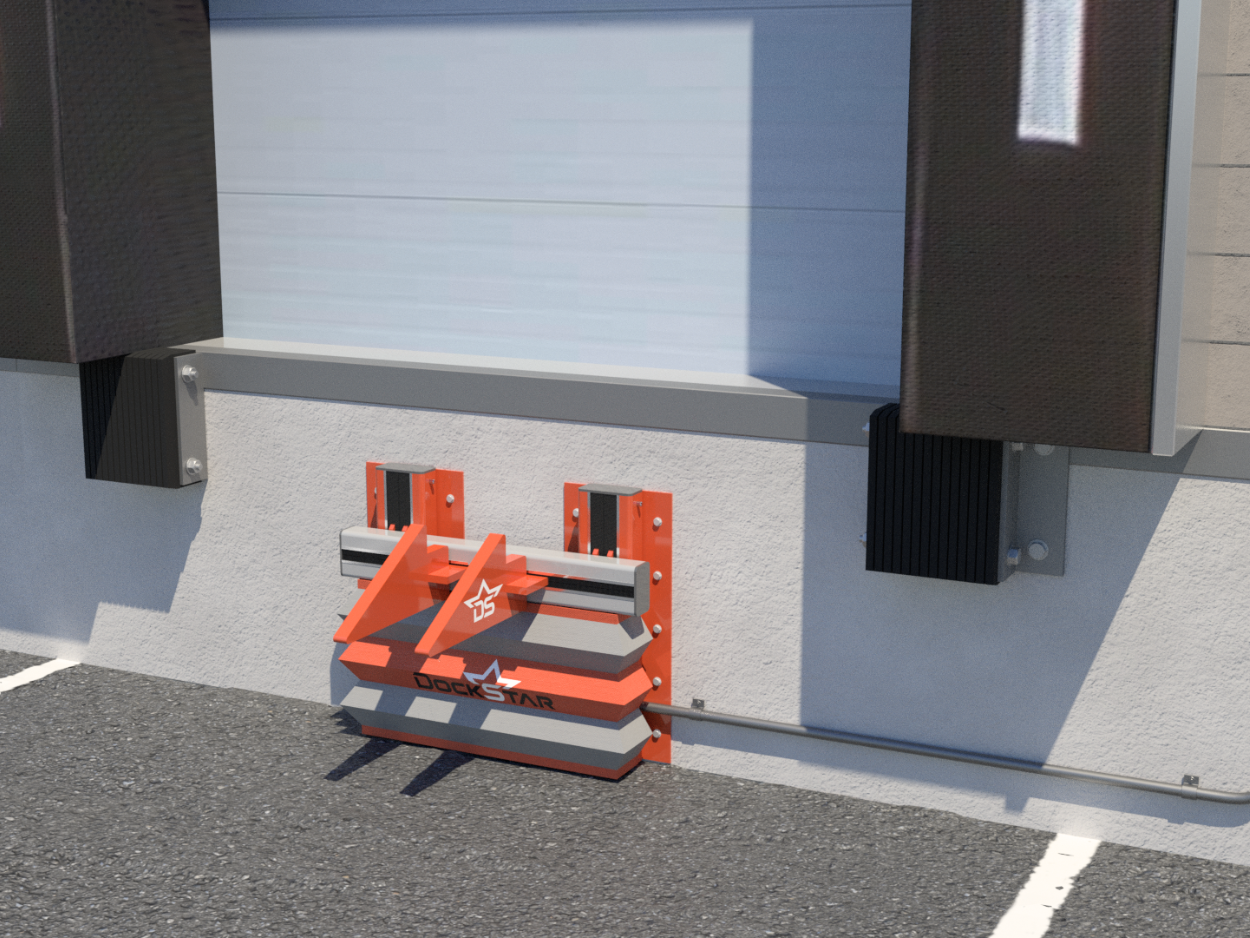
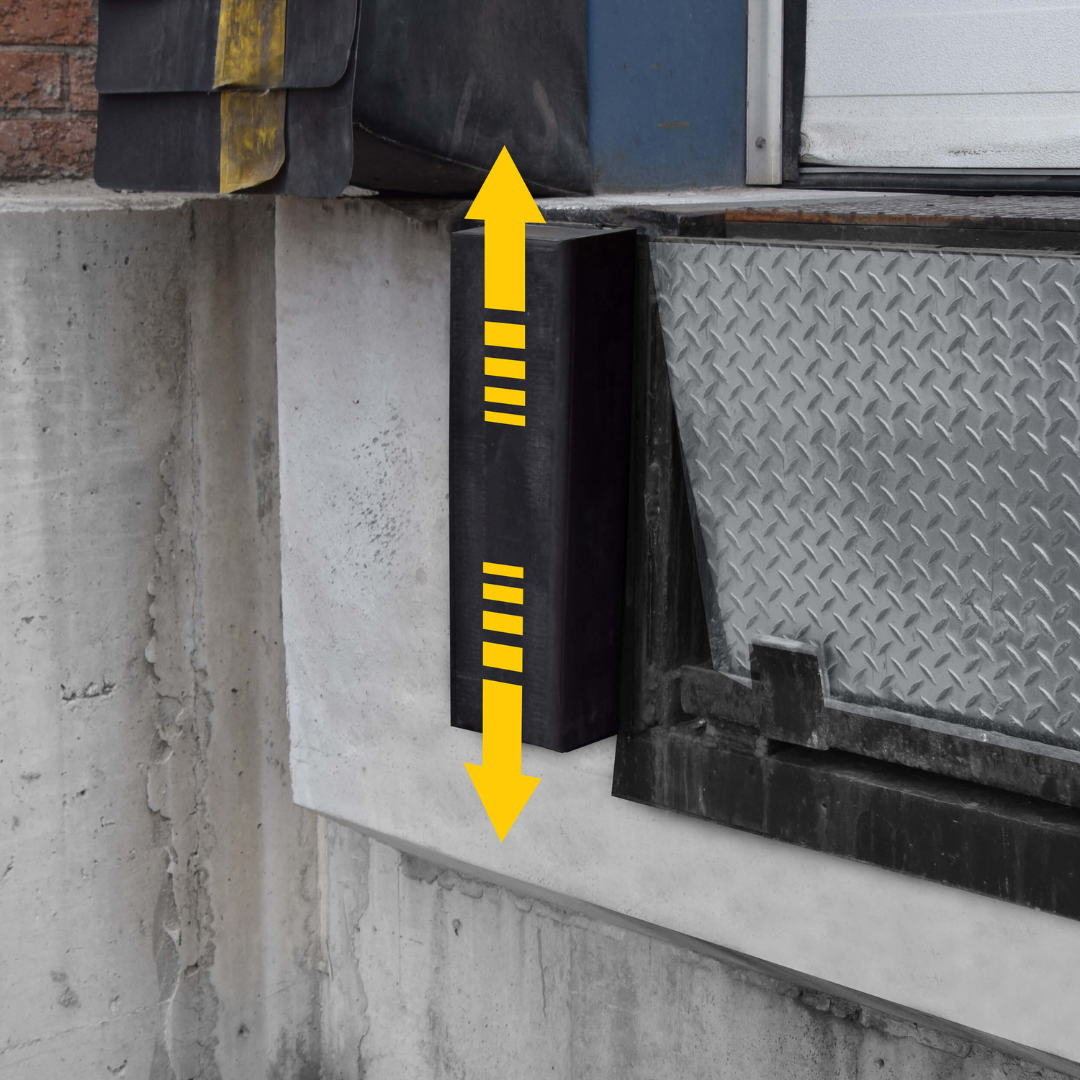
When you translate OSHA into real life, the right hardware makes it easier: dual-barrier vehicle restraints to prevent early departure and creep, swing gates or removable rails for idle bays, protective railing and bollards to channel foot traffic, and hydraulic or tri-pivot levelers that play nicely with restraints and reduce surprise drop-offs. (You know the lineup—pick what matches your layout and SOPs.)

Training, Procedures, and Inspections: The Culture Stuff
Training That Sticks
Teach people what a fall hazard looks like on your dock, not just on a slide deck. When do you re-hang the chain? What does the red/green light actually mean? Where can pedestrians walk during a changeover? Supervisors need to coach this daily, not once a year.
Simple, Visual Procedures
Write SOPs that pass the “glance test”:
- Docking/undocking steps with restraint indicators.
- Exactly when the gate/chain is deployed or removed.
- Who approves exceptions (maintenance, unusual loads).
- Housekeeping rules so pallets and debris don’t drift toward the edge.
Inspections That Catch the Little Things
Do a daily walk-through and a monthly formal check. You’re looking for:
- Taut chains at the right height, not lazy rope swings.
- Anchored rails and gates with no broken hardware.
- Restraints and lights that actually function every time.
- Clean, visible striping and signage.
- Levelers that travel smoothly and support what you’re driving across them.
The Gotchas That Trip Up Good Operations
- One lonely chain across an opening, no midrail, and sagging to belly-button height. That’s not compliant—and it’s not protective.
- Open, idle bays because “the next truck is two minutes out.” You’ve heard it. Don’t do it.
- Assuming the trailer is protection without restraints or chocks. A little creep and the gap reappears.
- Short docks dismissed as harmless. Forty inches onto concrete still wins against ankles and wrists.
- Set-and-forget programs. Equipment is great; habits keep people alive.
- Run-off blind spots on dockboards and side edges of portable ramps.
A Quick, Practical Assessment You Can Do This Week
Five Steps, No Drama
- Measure the drop. Four feet or more? You need protection at that edge when it’s exposed.
- Map exposure. When are doors open without a trailer? Where do people walk? Where do lift trucks hug the edge?
- Match controls to reality.
- Idle bays: swing gate or top + mid chain/rope set; fixed end rails where it makes sense.
- Active bays: vehicle restraints, light signals, disciplined changeover; gate/chain re-hung right after pull-out.
- Portable ramps: side rails and end protection.
- Dockboards: proper run-off control and, when required, handrails.
- Spec to OSHA’s numbers. Top rail 42″ ±3″, midrail halfway, 200-lb/150-lb strength, smooth surfaces, no projections.
- Train and verify. Reinforce the loop: secure → verify → work → re-secure.
General Industry vs. Construction: Which Rulebook Today?
Most warehouse and distribution activity falls under general industry—that’s your four-foot threshold. If you’re doing construction work (altering structures, building, certain types of installs), you might be in construction territory with a six-foot threshold and different requirements. On remodel days or equipment swaps, double-check which hat you’re wearing.
Policy Language You Can Borrow (and Tweak)
Ready-to-Drop Lines for Your Manual
- Idle Bay Rule: “If a dock door is open and no trailer is secured, the opening must be guarded with a gate or top-and-mid chain/rail meeting OSHA height and strength criteria.”
- Restraint Check: “Operators verify green light and engaged restraint (or approved chocks) before deploying the leveler.”
- Changeover Habit: “After a trailer departs, re-hang the gate/chain immediately—before any other task.”
- Edge Buffer: “Maintain a three-foot clear zone inside the dock edge unless actively loading.”
- Training Cadence: “All affected employees receive initial training and annual refreshers on dock fall hazards, equipment use, and emergency steps.”
FAQs (New Angles We Haven’t Already Covered)
Do I need toeboards at the dock edge?
Toeboards keep small items from being kicked off an edge. They don’t protect people from falling. Use them where you store smaller goods near elevated edges or on mezzanines—but they’re not a substitute for a gate or rail at an open bay.u003cbru003e
Can floor striping replace a gate or chain?
Nope. Striping is like lane lines—it helps, but it won’t stop anyone from stepping into space. Use it as a visual aid, not your primary fall protection.
Are chains really okay? They look… temporary.
Chains are fine if they’re treated like rails: correct height, strong anchors, proper tension, and a midrail solution. Document the setup and include it in your inspections so it never devolves into a loose suggestion.
What about visitors and drivers?
Limit access, escort them, and give clear paths. A ton of incidents involve well-meaning drivers stepping in to “help” without knowing your signals or changeover routine.
Do vehicle restraints replace railings?
They solve a different problem—keeping the trailer put during loading. When the bay is idle, you still need something across the opening.
Where DockStar Equipment Fits the Puzzle
If you want the program to run smoothly every day (not just the day after training), the right hardware helps: swing gates and removable rails for idle bays, dual-barrier vehicle restraints that pair with red/green signal lights, hydraulic or tri-pivot levelers that integrate with restraints and eliminate nasty surprises at the lip, plus protective railings and bollards that steer foot traffic away from danger. Use gear that matches your flow, then write SOPs that make it second nature.
Key Takeaway (Clip-and-Save)
Here’s the thing: if there’s a four-foot drop at the dock and people can reach it, you need protection. Day in, day out. The rest is choosing tools and habits your team will actually use.
- Guard open, idle bays with a gate or a top-and-mid rail/chain setup at the right height and strength.
- During live loading, lock the trailer with restraints and signals; re-secure the opening the moment the trailer pulls away.
- Keep dockboards and levelers from creating run-off risks—and add rails/handholds when people are on a board at height.
- Train simply, inspect regularly, and make “secure → verify → work → re-secure” the rhythm of your dock.
- Consider practical upgrades—restraints, gates, protective rails, and well-integrated levelers—to make compliance the easy path, not the hard one.
Sources (2):
- OSHA — 29 CFR 1910.28: Duty to have fall protection and falling object protection: https://www.osha.gov/laws-regs/regulations/standardnumber/1910/1910.28
- OSHA — 29 CFR 1910.29: Fall protection systems and falling object protection—criteria and practices: https://www.osha.gov/laws-regs/regulations/standardnumber/1910/1910.29


